
The Argosaronic Islands
Argo refers to the islands of Hydra & Spetses in the Argolic Gulf; Saronic refers to the islands in the Saronic Gulf.
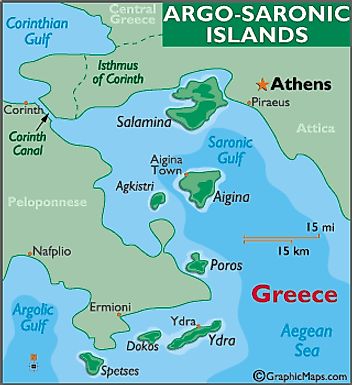
Scroll down to view all the islands or click on the one you want
Choose the island you want to visit by clicking below:
Hydra, Spetses, Poros, Aegina, Kythira & Antikythira
Hydra Island
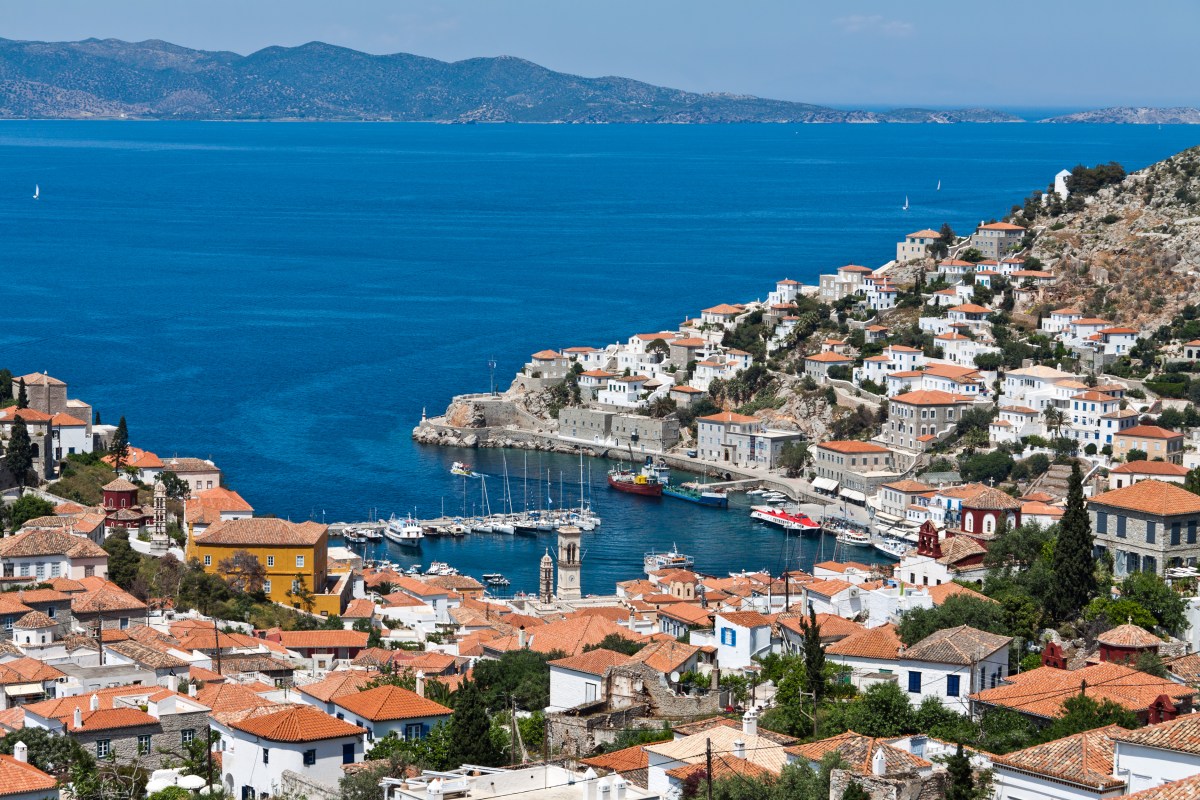


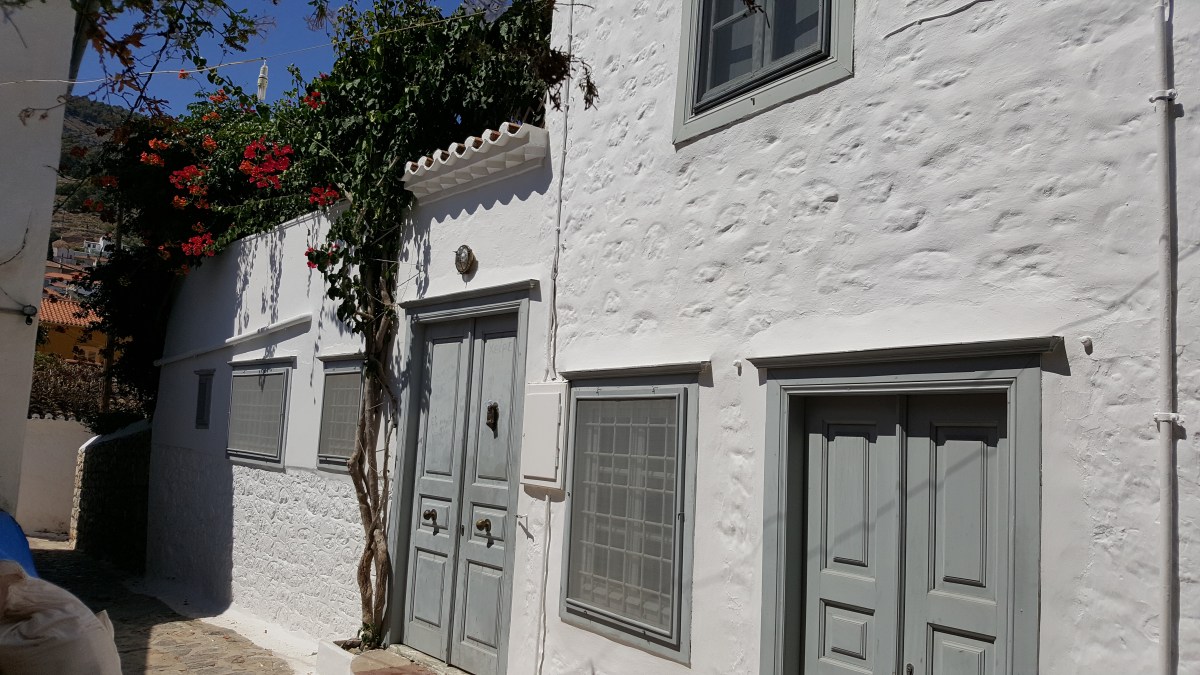
Hydra is a rare gem where time seems to have paused—mostly because there are no cars, just the rhythmic sound of donkey hooves and the lapping of the Aegean. The island remains as pristine as ever, balancing its rugged history with a chic, bohemian vibe.
The Heart of the Island: Hydra Port & Town
- The Horseshoe Harbor: The first thing you’ll see. It’s a literal theater of island life. Watch the water taxis buzz around and admire the 18th-century stone mansions that rise up the hills like an amphitheater.
- The Bastions & Cannons: Located on both the left and right sides of the harbor entrance. These were built to protect the island during the Greek War of Independence. They offer some of the best sunset views and a bit of “pirate-era” flair.
- Rafalia’s Pharmacy: Established in 1890, this is one of the oldest pharmacies in Greece. It’s still in the same family and looks like a living museum with its original wooden cabinets and vintage glass jars.
History & Culture
- Lazaros Kountouriotis Mansion: A striking ochre-colored mansion that belonged to one of the island’s most powerful shipowners. It’s now a branch of the National Historical Museum, showcasing traditional costumes and 18th-century furniture.
- Historical Archives-Museum of Hydra: Located right on the harbor. It houses a vast collection of maritime artifacts, weapons, and the actual “heart” of Admiral Andreas Miaoulis (preserved in a silver urn).
- The DESTE Foundation (Old Slaughterhouse): For something more contemporary, this former abattoir is now a world-class art space. It hosts avant-garde summer exhibitions that contrast beautifully with the island’s traditional backdrop.
- Tetsis Home & Studio: The former residence of the famous Greek painter Panayiotis Tetsis. It’s a quiet, evocative space that captures the island’s light and artistic spirit.
Spiritual Heights & Views
- Monastery of Prophet Elias: A steep but rewarding 60-minute hike from the town. At 500 meters above sea level, the views of the Saronic Gulf are unparalleled.
- Cathedral of the Assumption: Located right in the center of the harbor under the clock tower. Its silver-heavy interior and marble iconostasis are breathtaking examples of Orthodox art.
- Mount Eros: If you make it to Prophet Elias, keep going for another 15–20 minutes to reach the highest point of the island. It feels like you’re standing on the edge of the world.
Sun, Sea, & Swimming
- Spilia & Hydronetta: These aren’t “beaches” in the traditional sense, but rocky platforms with ladders into deep, cobalt-blue water. They are the ultimate spots for a morning dive or a sunset cocktail.
- Vlychos Beach: A charming pebbly beach about a 20-minute coastal walk from the port. The water is crystal clear, and the nearby red stone bridge is very “Instagrammable.”
- Bisti & Agios Nikolaos: These more secluded beaches are best reached by water taxi. They offer shade from pine trees that grow right down to the shoreline—rare for this rugged island.
The Quirky & Local
- The “Chonkus Squad”: Hydra is famous for its well-fed, photogenic cats. You’ll find them guarding the fish market or napping on café chairs. They are effectively the island’s unofficial welcoming committee.
- Leonard Cohen’s House: The legendary singer-songwriter lived here in the 1960s. While it’s a private residence and you can’t go inside, fans often walk by the unassuming white house on Leonard Cohen Street to pay their respects to the “Bird on the Wire.”
- Horseback Riding with Harriet: Since there are no cars, exploring the interior trails on horseback is the most authentic way to see the hidden monasteries and pine forests.

Spetses Island


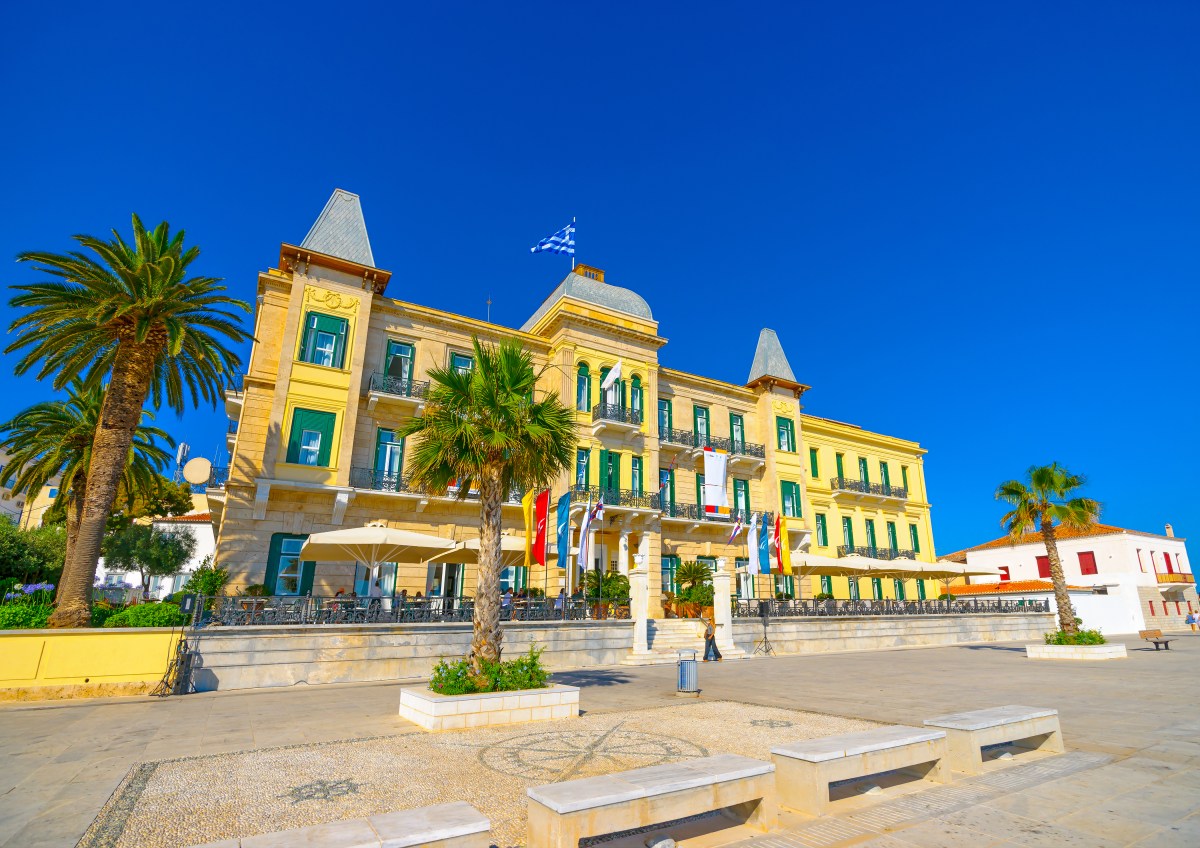
Spetses is a rare gem where the scent of pine needles actually competes with the sea salt. Since private cars are banned in the main town, the island has a timeless, cinematic quality that feels especially refreshing.
The Historic Hubs
- Dapia (The New Port): This is the island’s heart. It’s lined with grand neoclassical mansions and pebble-mosaic courtyards. Grab a coffee here and watch the water taxis zip back and forth.
- The Old Harbor (Baltiza): A 1.5km walk from Dapia, this area is filled with traditional shipyards (Karnagia) where you can still see wooden boats being built by hand. At night, it transforms into the island’s premier dining and nightlife spot.
- The Spetses Lighthouse: Located at the edge of the Old Harbor, this is one of the oldest lighthouses in Greece (built in 1837). The walk there offers some of the best sunset views on the island.
Museums & Architecture
- Bouboulina Museum: Housed in the 300-year-old mansion of Laskarina Bouboulina, the legendary female admiral of the Greek War of Independence. The guided tours (often led by her descendants) are incredibly personal and vivid.
- The Museum of Spetses (Hatzigiannis-Mexis Mansion): This grand building holds artifacts spanning 4,000 years, including the revolutionary flag and the remains of Bouboulina. The architecture of the mansion itself is a highlight.
- Anargyros Mansion: A stunning, fortress-like neoclassical building in the town center. While you often can’t go inside, the Egyptian sphinxes guarding the entrance make it a mandatory photo stop.
- Poseidonion Grand Hotel: Even if you aren’t staying there, this 1914 landmark is the “Grand Dame” of the Saronic Gulf. Its architecture was inspired by the hotels of the French Riviera.
Natural Wonders & Beaches
- Bekiri Cave: Located near Agioi Anargyroi beach, you can access this “Secret Cave” by a small path or by swimming in. Legend has it that locals hid here during the Ottoman occupation; today, it’s a stunning spot with a tiny internal sandy beach.
- Agia Paraskevi Beach: Widely considered the most beautiful beach on the island, surrounded by a thick pine forest that reaches almost to the water’s edge.
- Zogeria Beach: A quiet, emerald-water cove on the north side of the island. It feels more remote and is perfect if you want to escape the summer crowds.
- Prophet Elias: The highest point on the island. The hike up takes you through pine forests to a small chapel with a 360-degree view of the Argolic Gulf.
Cultural Landmarks
- Cathedral of Agios Nikolaos: The island’s patron saint. This is where the Greek flag of independence was first raised on the island in 1821.
- Panagia Armata Church: A small, picturesque chapel built to commemorate the 1822 naval victory. It sits on a hill overlooking the Old Harbor.
- Park of Historical Monuments: Located near the Old Harbor, this open-air gallery features 11 striking steel sculptures by Natalia Mela, set against the backdrop of the sea.
Local Tip: Getting Around
Since you won’t be renting a car, the quintessential Spetses experience is taking a Horse-Drawn Carriage from Dapia to the Old Harbor. For longer trips to the beaches, most visitors rent electric scooters or take the water taxis (which are essentially the island’s “Ubers”).


Poros Island

Poros is a gem of the Saronic Gulf, famously described by Henry Miller as “the joy of the world.” It’s actually two islands, Sphaeria (where the town sits) and Kalavria (the lush, forested part) connected by a small bridge.
Since it’s 2026, the island remains one of the most accessible yet authentic escapes near Athens.
Iconic Landmarks & History
- The Clock Tower (Roloi): Standing since 1927 atop the highest point of Sphaeria hill, this is the island’s mascot. It’s a short but steep climb through whitewashed alleys, rewarded with a 360-degree view of the strait and the Peloponnese mountains. Tip: Go at sunset for the “golden hour” glow.
- Monastery of Zoodochos Pigi: Founded in 1720, this 18th-century monastery is nestled in a pine forest above the sea. It’s famous for its impressive carved wooden iconostasis from Asia Minor and the “holy water” spring at its entrance.
- Temple of Poseidon: Located in the center of Kalavria, these 6th-century BC ruins were once the center of an ancient naval alliance. While mostly foundations remain today, the site’s historical weight and high-altitude views make it a spiritual stop.
- Archaeological Museum of Poros: Located in Korizi Square near the port, this small but mighty museum houses artifacts from the Temple of Poseidon and the ancient ruins of Troezen and Methana.
- Russian Dockyard: A historical monument on the west side of the island. These scenic stone ruins are the remains of a 19th-century naval base used by the Russian fleet. It’s now a picturesque spot for a swim among history.
Beaches & Hidden Coves
- Love Bay (Limanaki tis Agapis): This is the quintessential Poros postcard. It’s a tiny, turquoise cove where the pine trees literally touch the water. It’s small and popular, so arrive early if you want a sunbed.
- Askeli Beach: The island’s largest and most organized beach. If you’re looking for water sports (kayaking, paddleboarding) or a long stretch of sand with beachfront tavernas, this is your spot.
- Vagionia Bay: A quieter, pebbly beach on the northern side. It’s a hidden gem for snorkelers—on a clear day, you can see the ruins of an ancient sunken city beneath the surface.
- Monastiri Beach: Located right below the monastery, this beach is known for its calm, crystal-clear waters and a very chill beach bar.
Unique Experiences
- The Lemon Forest (Lemonodasos): While technically across the water on the Peloponnese mainland (Galatas), it is inextricably linked to Poros. Take a 5-minute water taxi over to wander through tens of thousands of lemon and orange trees. In May, the entire strait smells like citrus blossoms.
- Dana Lighthouse: A 2.5-hour trek from Poros Town leads you to this square stone lighthouse built in 1870. It marks the entrance to the Saronic Gulf and is one of the most beautiful hiking destinations on the island.
- Cine Diana: One of the best open-air cinemas in Greece. Watching a movie under the stars with a view of the harbor and the scent of jasmine in the air is a classic Poros summer night.
- The Anargiron Trail: A beautiful hiking path that starts near the windmill in town and offers panoramic views of the entire island and the Peloponnesian coast.
Note: Poros is best explored by bicycle or ATV. The main road circles the island in about 15 kilometers, making it easy to hop from a historical ruin to a hidden beach in under 20 minutes.
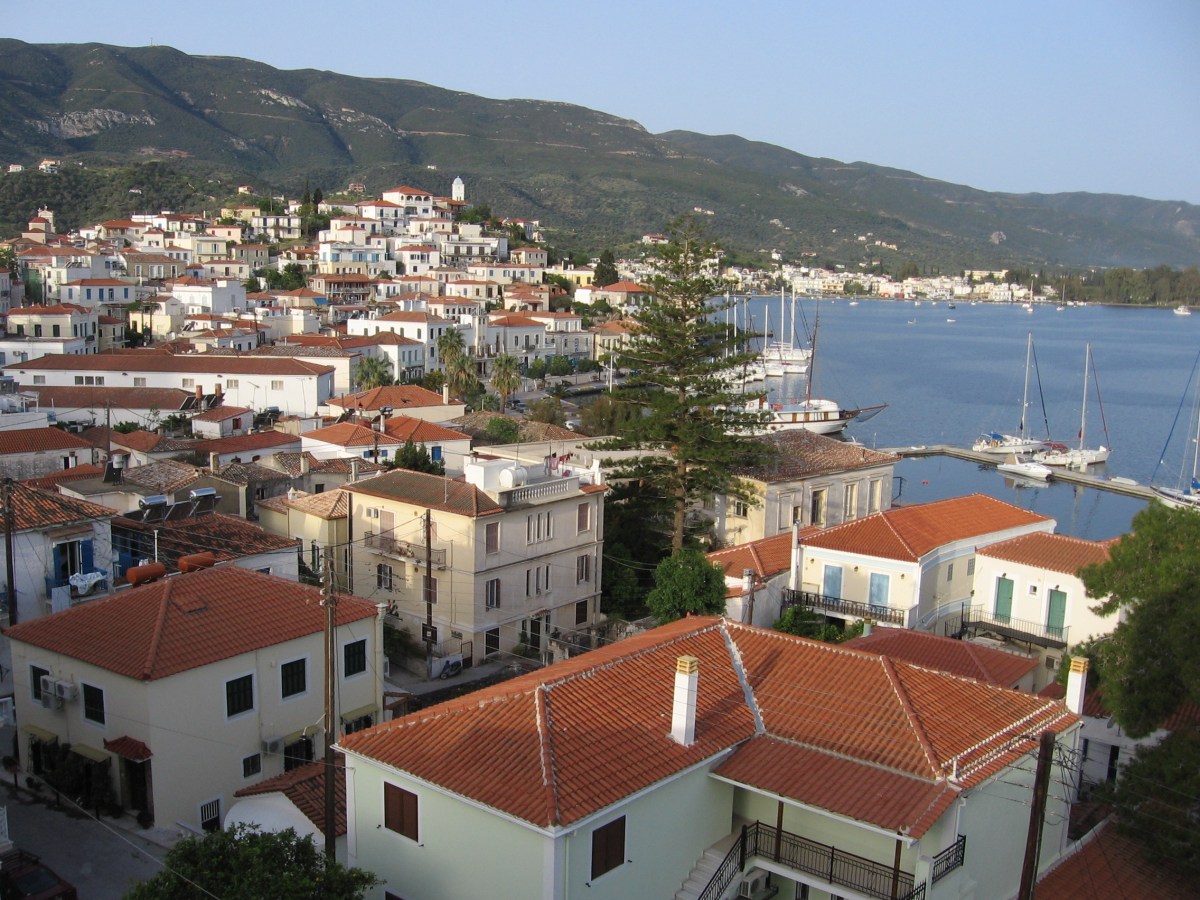

Aegina Island


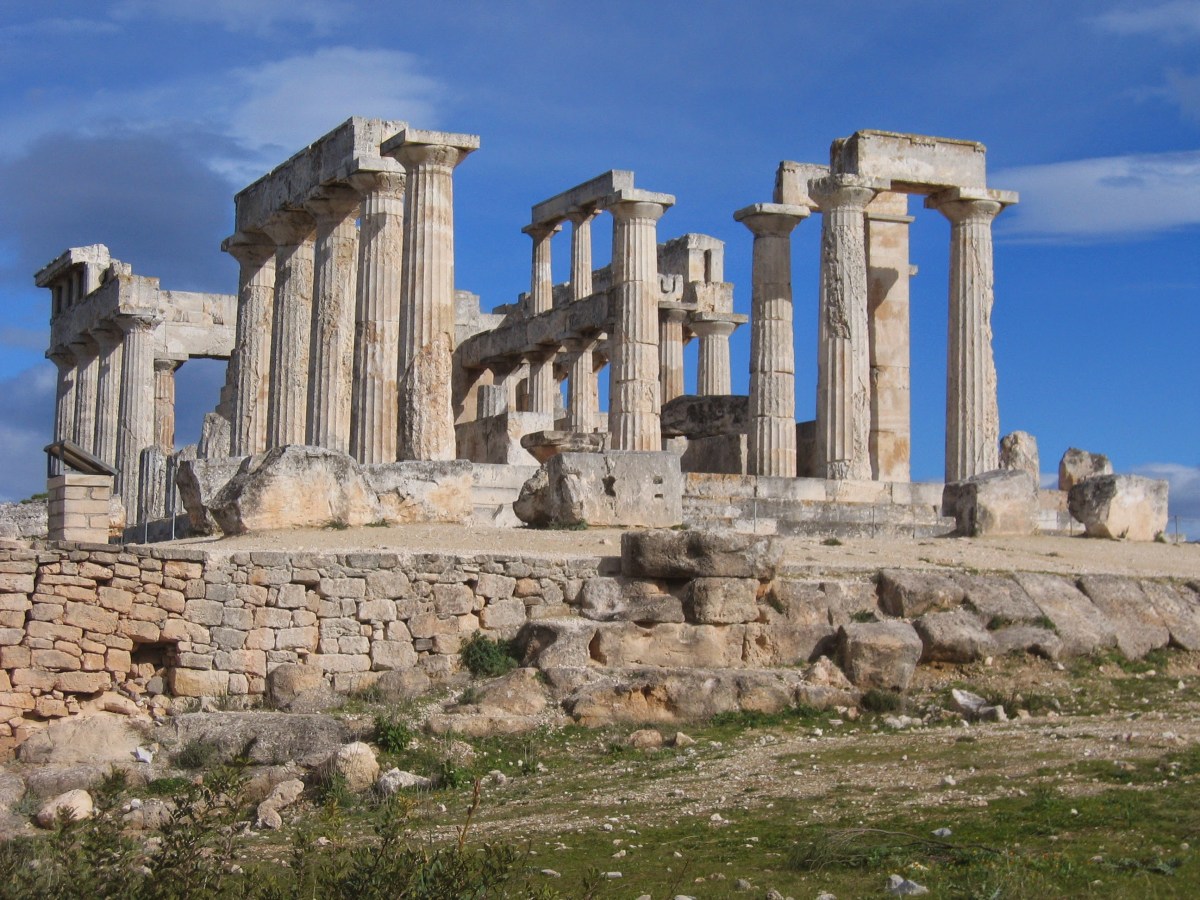
Aegina is the perfect “escape hatch” from Athens—just an hour away but worlds apart in terms of pace. It’s an island that trades flashy Mykonos vibes for neoclassical charm, ancient history, and more pistachios than you ever knew you needed.
Historical & Cultural Landmarks
- Temple of Aphaia: This is the crown jewel of the island. Built in 500 BC, it’s one of the best-preserved ancient temples in Greece. On a clear day, you can actually see the Parthenon in Athens and the Temple of Poseidon at Sounion, forming a “Sacred Triangle.”
- Monastery of Agios Nektarios: One of the largest and most significant Orthodox monasteries in the Balkans. Even if you aren’t religious, the grand architecture and peaceful atmosphere are impressive.
- Palaeochora (The “Mystras” of Aegina): This was the island’s medieval capital, built on a hill to hide from pirates. Today, you can hike through the ruins and visit several tiny, well-preserved Byzantine churches scattered across the hillside.
- Kolona Archaeological Site (Temple of Apollo): Located right near the main port, only one lonely column remains of this 6th-century BC temple. It’s a great spot for a sunset walk, and the onsite museum is small but packed with local history.
- Tower of Markellos: A bright pink, Venetian-style tower in the heart of Aegina Town. It played a major role in the Greek Revolution and now hosts various art exhibitions.
Nature & Island Life
- Moni Island: Take a 10-minute boat ride from the village of Perdika to this uninhabited islet. It’s famous for its turquoise waters and the wild deer and peacocks that roam the beach (they aren’t shy, especially if you have snacks).
- Perdika Village: A picturesque fishing village with a line of traditional tavernas overlooking the sea. It has a much slower, more authentic “old Greece” feel than the main port.
- Ancient Olive Grove (Eleonas): Tucked away in a valley at the foot of Mt. Oros, some of these gnarled, sculptural olive trees are over 1,500 years old. It’s a surreal, quiet place that feels like a living museum.
- Aegina Town Waterfront: Spend some time just wandering the backstreets. Look for the neoclassical mansions and the “floating” fruit markets (merchants selling produce directly from their boats).
A Quick “Don’t Forget”
You haven’t really been to Aegina until you’ve tried the pistachios. They have a PDO (Protected Designation of Origin) status here. Grab a bag of the roasted-and-salted ones, but also look for pistachio pesto, pistachio butter, and the local “submarines” (a spoon sweet served in cold water).
Aegina offers a variety of coastal spots ranging from bustling organized stretches to quiet, rocky coves. Here is a list of the top beaches on the island, categorized by their vibe and accessibility.
Popular & Organized Beaches
These beaches are easily accessible and typically feature sunbeds, umbrellas, and nearby tavernas.
- Agia Marina: The longest and most famous sandy beach on the island. It is very shallow, making it a top choice for families with small children.
- Marathonas (A & B): Located a short drive from the main town. Marathonas A is sandy with many trees for shade, while Marathonas B is home to trendy beach bars like Maya Bay.
- Klima (Klidi): Widely considered one of the island’s best. It sits in a protected bay with crystal-clear turquoise water and a popular beach bar.
- Souvala: Located on the north side, this beach is famous for its therapeutic warm springs (Loutra). It is sandy/pebbly and surrounded by traditional fish tavernas.
- Aegina Town Beaches (Avra & Kolona): Located right next to the port and the Temple of Apollo. They are convenient for a quick dip before or after a ferry trip.
Quiet & Local Favorites
If you prefer a more relaxed atmosphere with fewer crowds, these spots are ideal.
- Vagia: A picturesque, sandy beach on the north side. It is much quieter than Agia Marina but still has a small snack bar and clear water.
- Perdika & Sarpa: While Perdika village itself has a rocky swimming area with ladders, the nearby Sarpa Beach is a beautiful sandy cove with a chilled-out beach bar.
- Portes: A remote, pebbly beach on the eastern side. It is perfect for those seeking absolute peace and a sense of “old Greece.”
- Aiginitissa: Known for its lush greenery that reaches the water’s edge and its popular sunset beach bar.
Secluded & “Boat-Access” Spots
For those willing to hike or take a water taxi, these offer the most pristine environments.
- Moni Island: A 10-minute boat ride from Perdika. This uninhabited islet has one organized beach with electric-blue water, where you can often spot wild deer and peacocks roaming the shore.
- Mourioti: A hidden, rocky beach on the southern tip. It is best reached by boat and offers incredible snorkeling in deep, clear water.
- Afokleisti: A tiny, heart-shaped cove that is difficult to reach by land, making it a “secret” spot for locals and yacht owners.
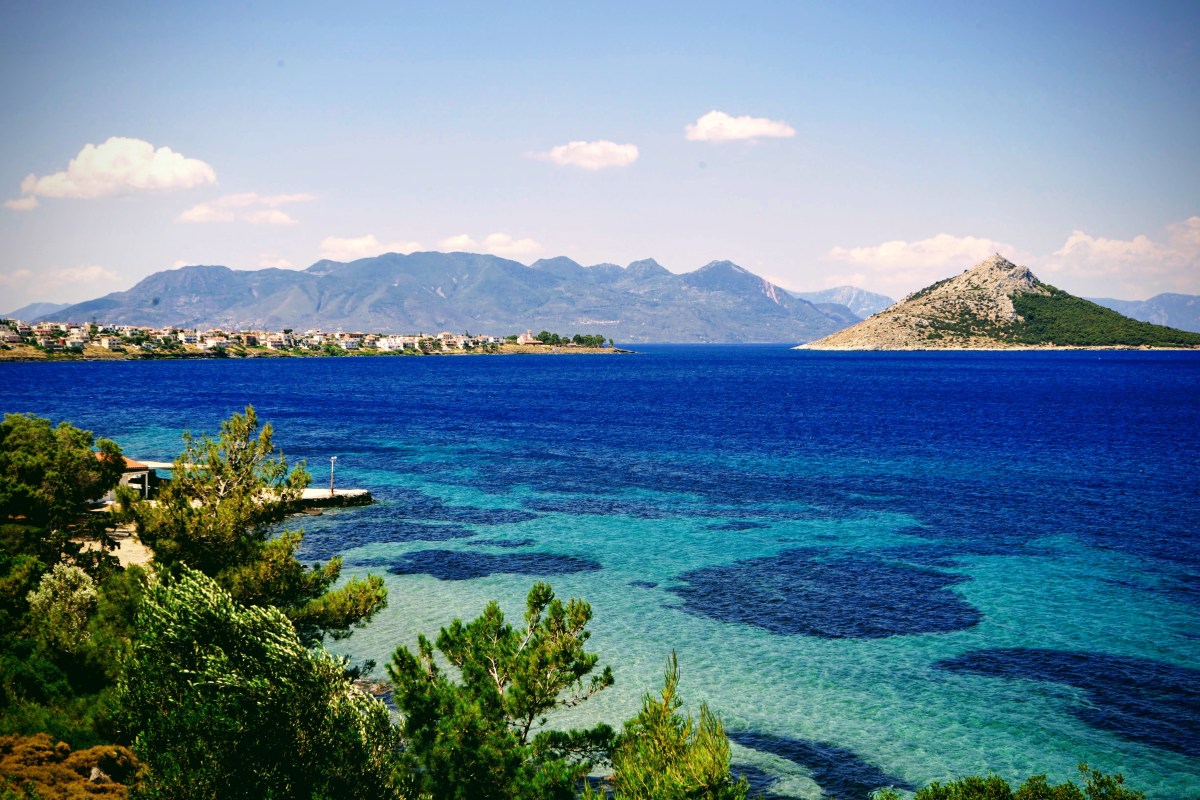

Hidden Jewels
Kythira Island

Kythira is a beautifully understated “hidden gem” that feels like a cross between the lush Ionian islands and the rugged, white-washed Cyclades. Here is a list of the must-see attractions, organized by category to help you plan your route.
Charming Villages & Castles
- Chora (Kythira Town) & The Venetian Castle: The capital is a labyrinth of white alleys leading up to a massive 13th-century Venetian fortress. The castle offers the best sunset views on the island, overlooking the twin bays of Kapsali.
- Avlemonas: Widely considered the most picturesque village on the island. It looks like a Cycladic postcard, featuring a small “natural pool” emerald bay where you can jump straight from the rocks into the water.
- Kapsali: The island’s main social hub. It consists of two crescent-shaped bays lined with cafes and tavernas. It’s the best place for an evening stroll or a morning coffee by the water.
- Mylopotamos: A lush, traditional village known for its plane trees and running water. It serves as the gateway to the island’s famous waterfalls and watermills.
- Paleochora: The “Mistras of Kythira.” These are the ruins of the island’s former Byzantine capital, which was hidden in a canyon until it was destroyed by the pirate Barbarossa in 1537.
Stunning Beaches & Coastal Gems
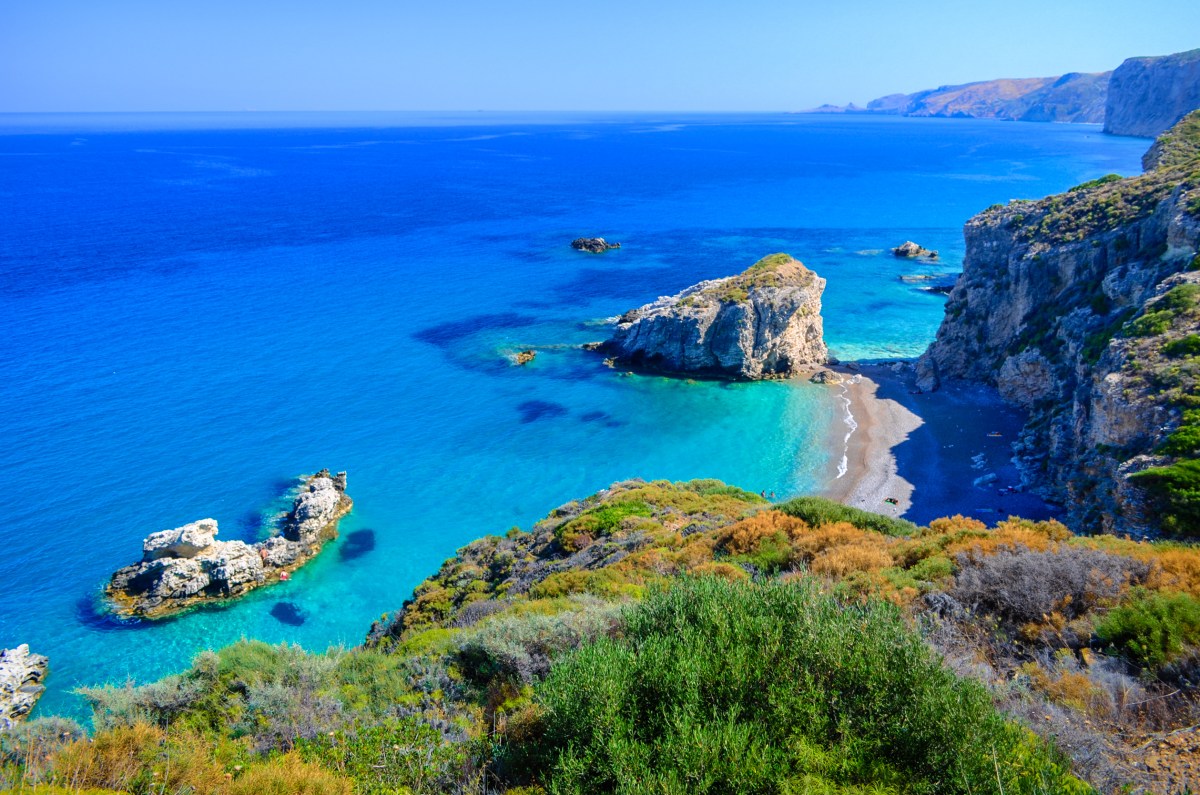
- Kaladi Beach: The island’s poster child. It’s a pebbly beach split into three sections by a massive rock formation. You have to walk down about 150 stone steps to reach it, but the crystal-clear turquoise water is worth every step.
- Diakofti: Located right by the port, this beach looks like the Maldives. The sand is white and the water is shallow and neon blue—perfect for families or a relaxing first dip after your ferry arrives.
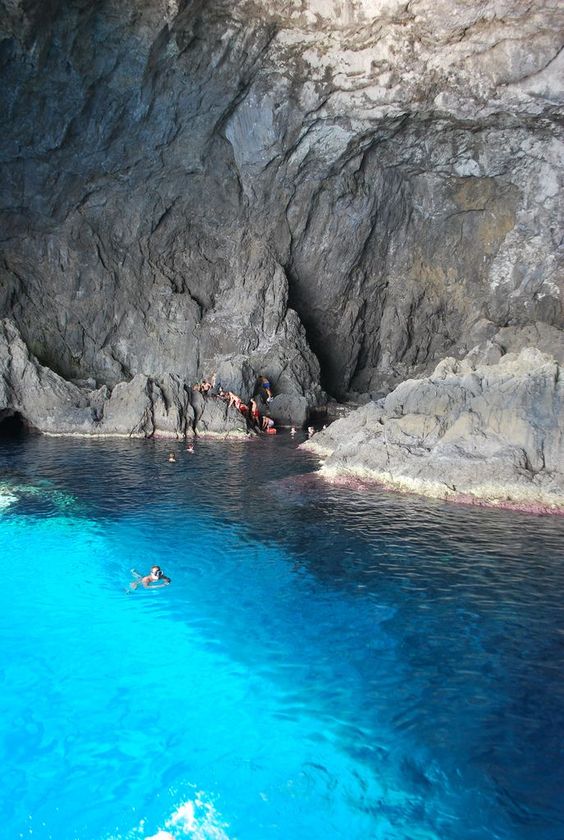
- Chytra Islet & Sea Cave: You can take a glass-bottom boat from Kapsali to this massive rock islet. It houses a spectacular sea cave with glowing blue water where you can swim, and it’s the only place the rare yellow “Sempreviva” flowers grow.
- Chalkos Beach: A well-organized, pebbly beach with emerald waters located near the village of Kalamos. It’s popular for its easy access and vibrant seabed.
Natural Wonders & Landscapes
- Neraida (Fonissa) Waterfall: Located in Mylopotamos, this 20-meter waterfall is surrounded by ancient plane trees. From here, you can hike the Valley of the Watermills, passing 22 old stone mills along a shaded stream.
- Cave of Agia Sophia: A fascinating cave near Mylopotamos featuring 13th-century Byzantine frescoes at the entrance and impressive stalactites and stalagmites inside.
- Moudari Lighthouse: Situated at the northernmost tip of the island (Cape Spathi), this British-built lighthouse is one of the tallest in Greece. It offers a rugged, wind-swept view of the sea lanes toward the Peloponnese.
Historical & Cultural Landmarks
- Katouni Bridge: A relic of the British protectorate era, this is the largest stone bridge ever built by the British in Greece. It features 13 symmetrical arches and a romantic legend about a British commissioner building it to visit a local girl.
- Monastery of Panagia Myrtidiotissa: The spiritual heart of the island. This monastery is dedicated to the patron saint of Kythira and is set in a peaceful, limestone-rock landscape on the west coast.
- Archaeological Museum: Located at the entrance of Chora, this small but modern museum houses the famous “Lion of Kythira” and artifacts spanning from the Neolithic period to the Venetian era.

Kythira boasts two beautiful waterfalls, caves, and gorgeous beaches surrounded by a rugged landscape.

Antikythira Island
Antikythera is a “world that time forgot”—a rugged, quiet outpost between Crete and the Peloponnese. It’s the kind of place where you’ll find more wild goats than people, making it a dream for those who want to disappear into raw Greek nature.
Here is the essential list of what to see and do on the island:
Potamos Village & Port
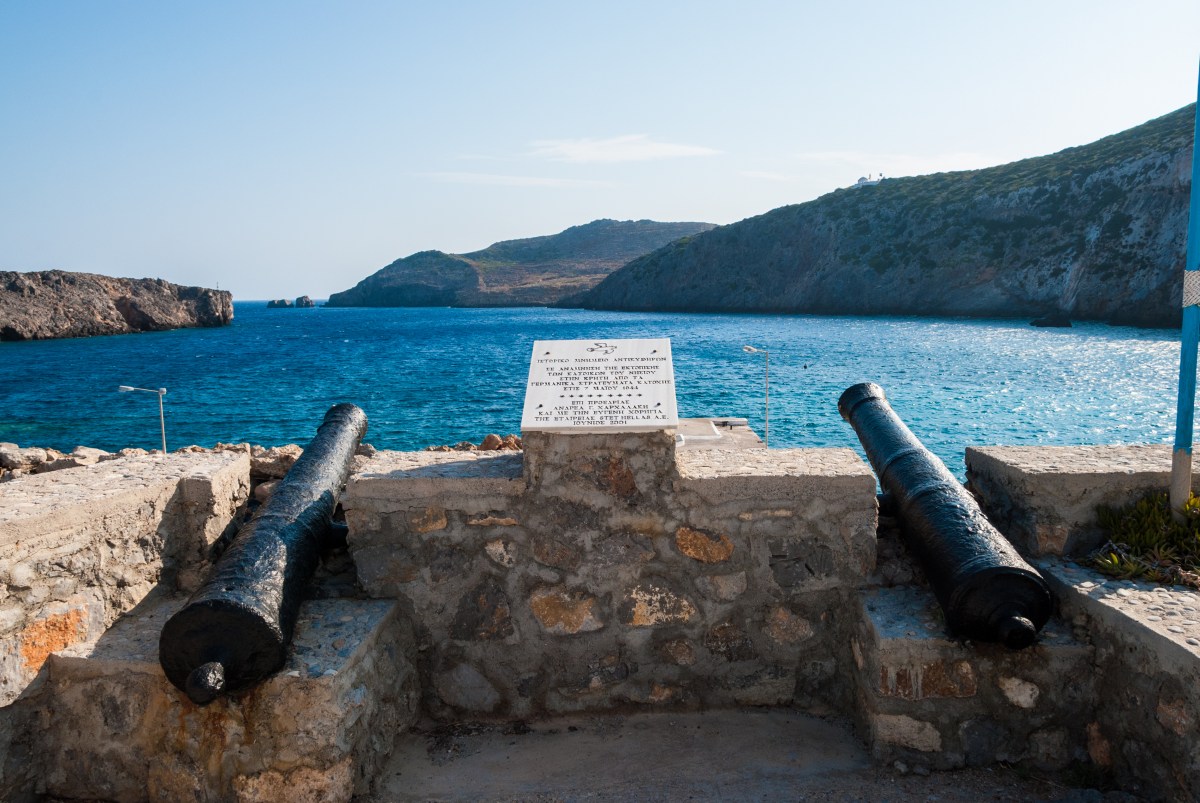
As the island’s primary settlement and only gateway, Potamos is the heart of Antikythera. It’s a tiny, picturesque cluster of white houses where you’ll find the two local tavernas that double as social hubs. The water in the harbor is so clear it looks like a swimming pool, and it’s the best place to watch the ferry arrive—a major event in local life.
The Ancient City of Aigila (Kastro)
Located above the bay of Xiropotamos, this is one of the most significant archaeological sites in the region.
- Hellenistic Walls: You can still see impressive fortifications standing up to 6 meters tall.
- The Neosoikos: Down by the water, look for the unique rock-cut “ship-house” or slipway where ancient pirate ships were once stored.
- Pirate History: The city was once a notorious base for Cilician pirates until the Romans put a stop to it in the 1st century BC.
Apolytaras Lighthouse
Perched on the southernmost tip of the island, this lighthouse is a masterpiece of 1920s stone architecture. The hike to reach it is demanding—roughly 1.5 to 2 hours each way from the village—but it offers some of the most dramatic coastal views in Greece. On a clear day, you can see the faint outline of Crete on the horizon.
Kamarela Bay
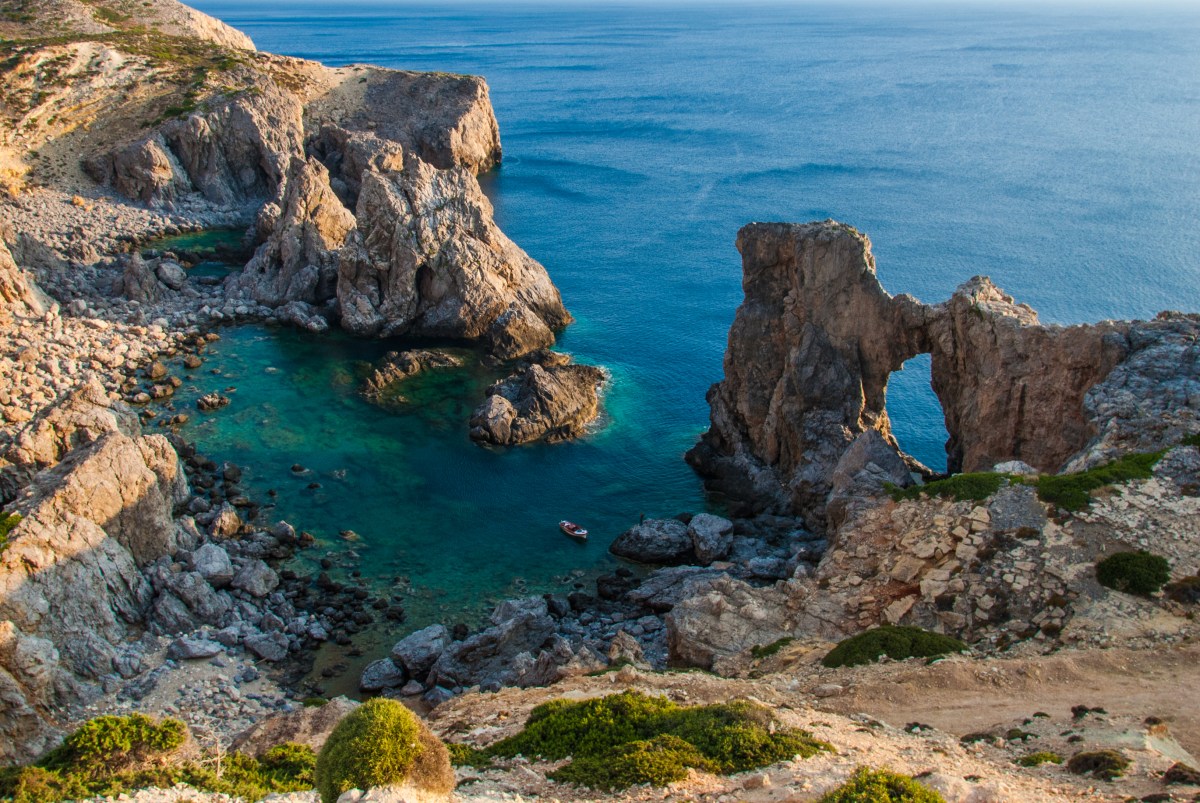
Arguably the most beautiful natural spot on the island, Kamarela is a geological wonder. It features a stunning sea arch and a complex of white rock formations that create small, sheltered pools for swimming. It’s a bit of a trek to get there, but the turquoise water against the stark white cliffs is unforgettable.
Antikythera Bird Observatory (ABO)
Antikythera is a critical pit stop for birds migrating between Europe and Africa.
- Eleonora’s Falcon: The island hosts the world’s largest breeding colony of these rare falcons.
- The Station: You can visit the observatory to learn about the 250+ species that pass through. If you visit in spring or autumn, you’ll see hundreds of raptors and thousands of smaller birds filling the sky.
Xiropotamos Beach
Close to the ancient city of Aigila, this quiet beach is known for its marble pebbles and incredibly still, deep blue water. It’s rarely crowded, offering a level of privacy that’s hard to find elsewhere in the Aegean.
Monastery of Agios Myronas
Dedicated to the island’s patron saint, this monastery is the center of the island’s biggest celebration on August 17th. Even outside of festival time, it’s a peaceful spot with a commanding view of the island’s interior.
Note on the Antikythera Mechanism: While the famous “first computer” was found in a shipwreck just off the coast here, the original device is kept in the National Archaeological Museum in Athens. There isn’t a museum on the island for it yet, but you can stand at the port and look out toward the spot where the sponge divers first discovered it in 1900.
If you are ready for the Argosaronic islands, reach out below…