Thessaly, plains and mountains
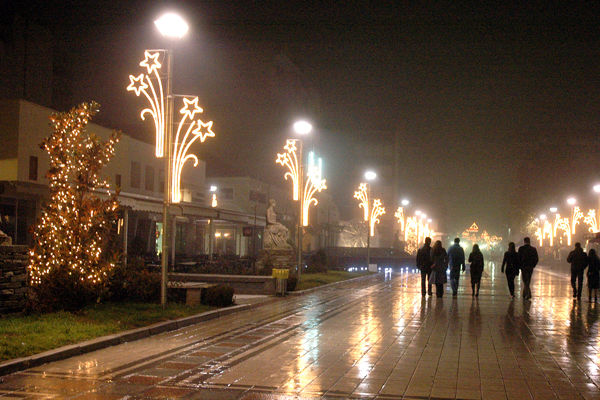
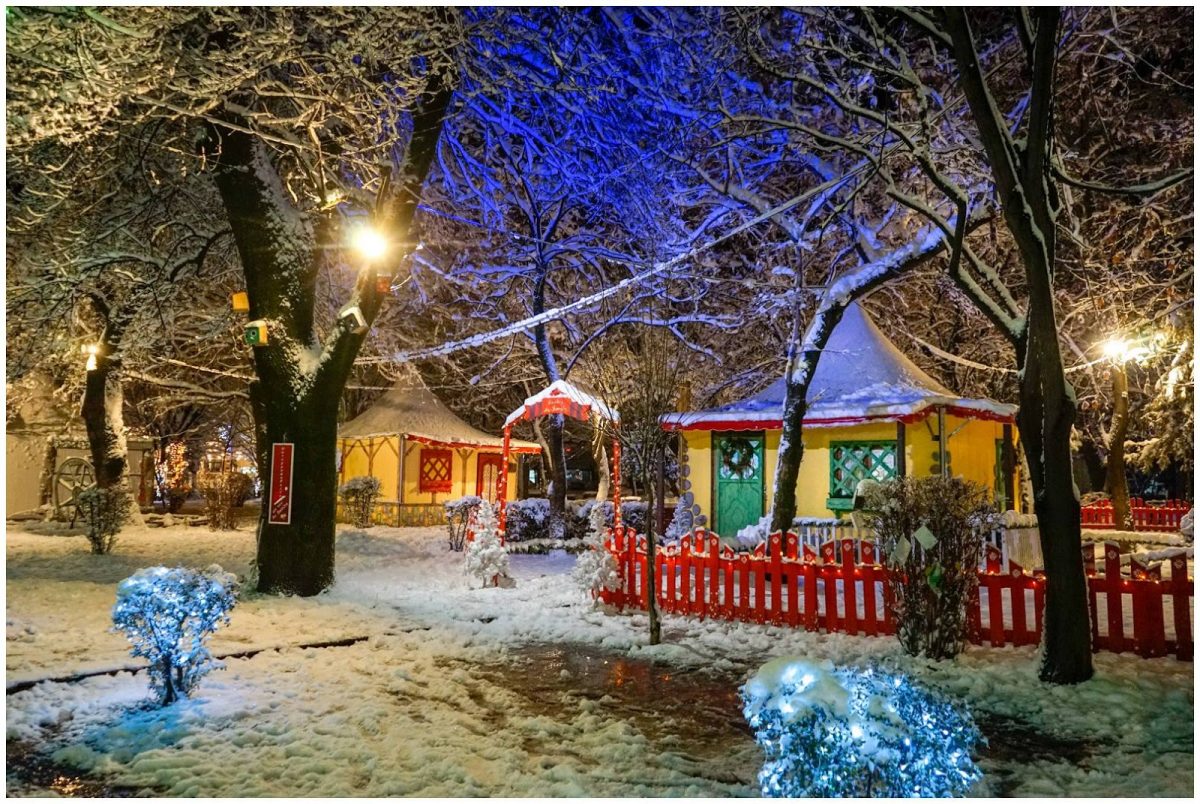
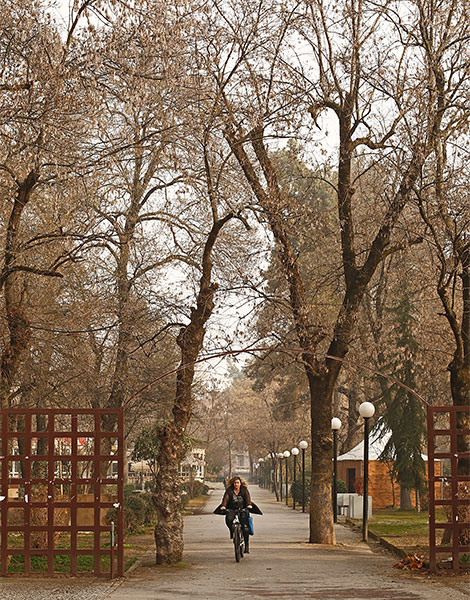
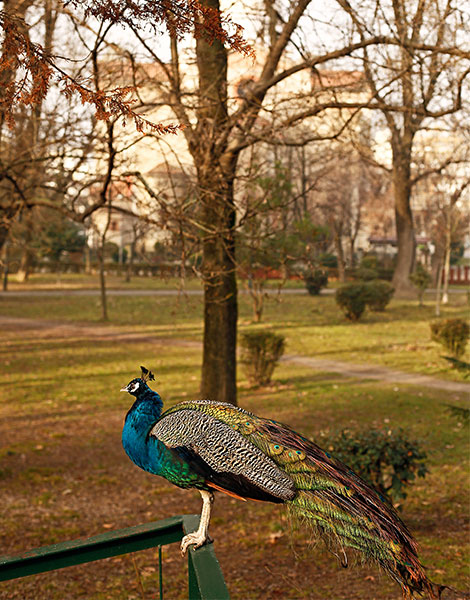
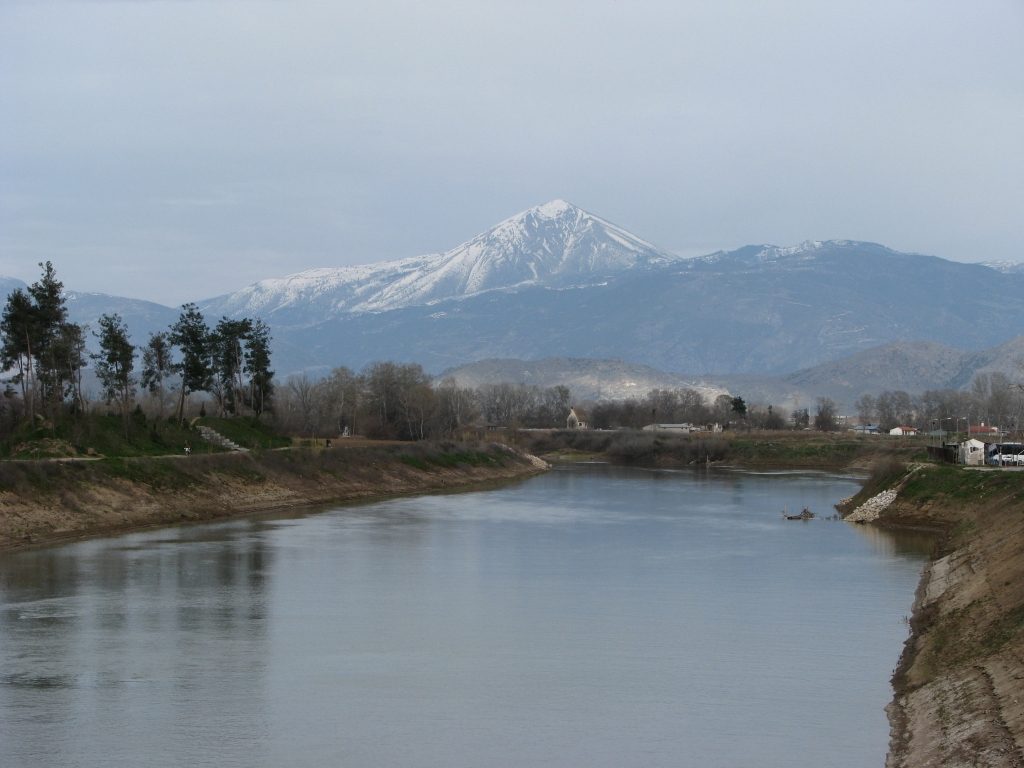
There are so many more places to visit and enjoy; using Trikala as the hub you can reach an array of places for day trips. Enjoy the photo gallery of the unknown Thessaly!
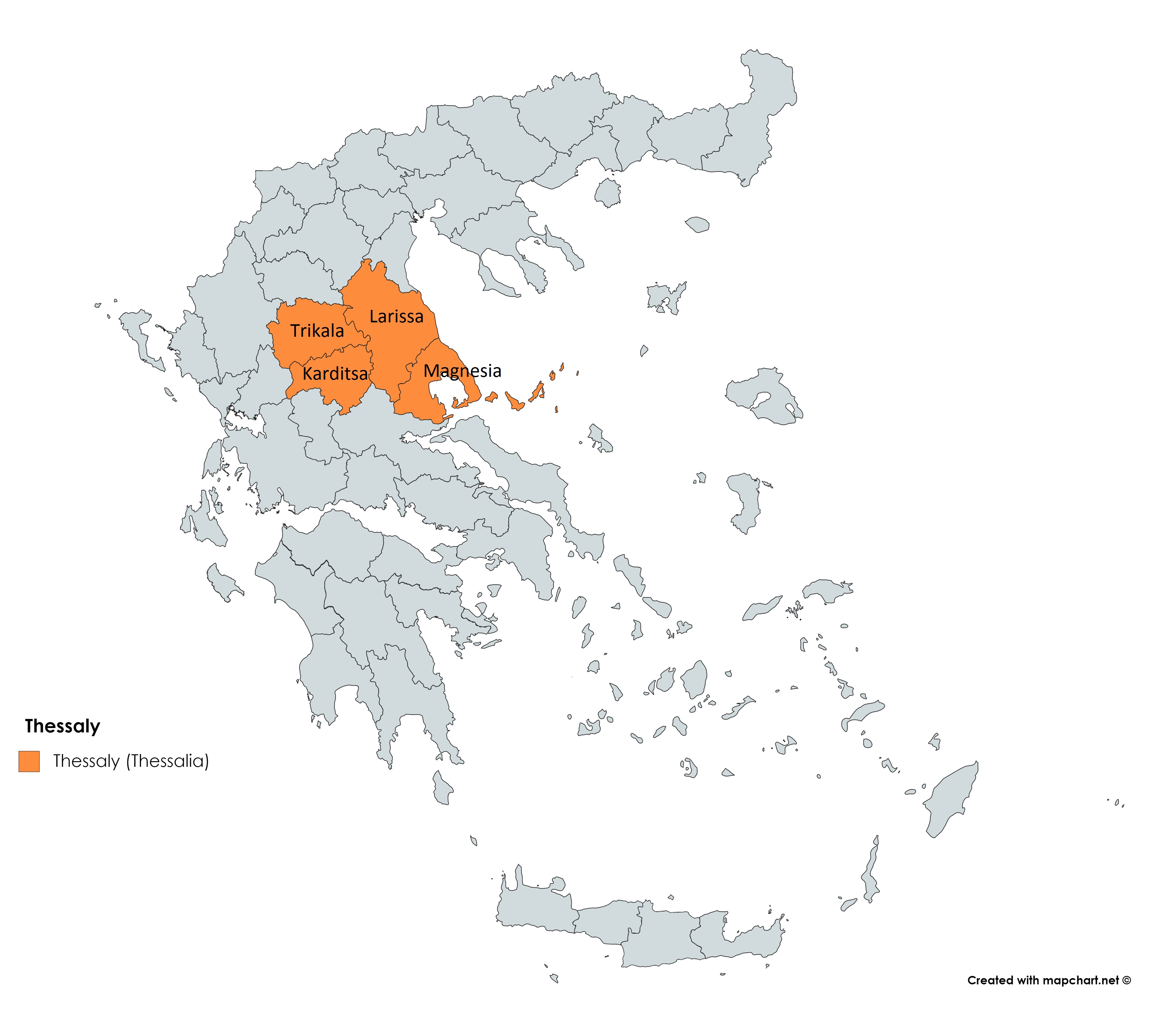
Trikala
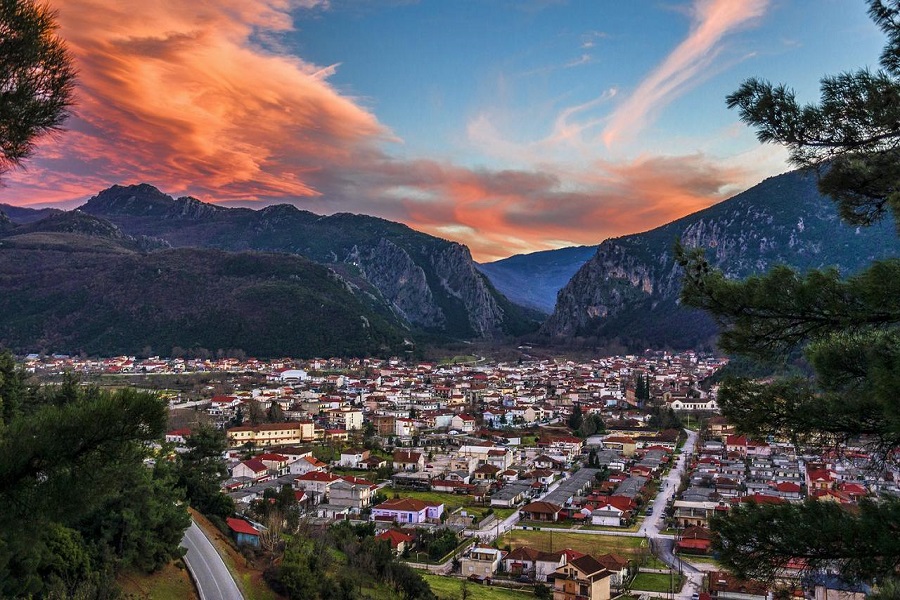
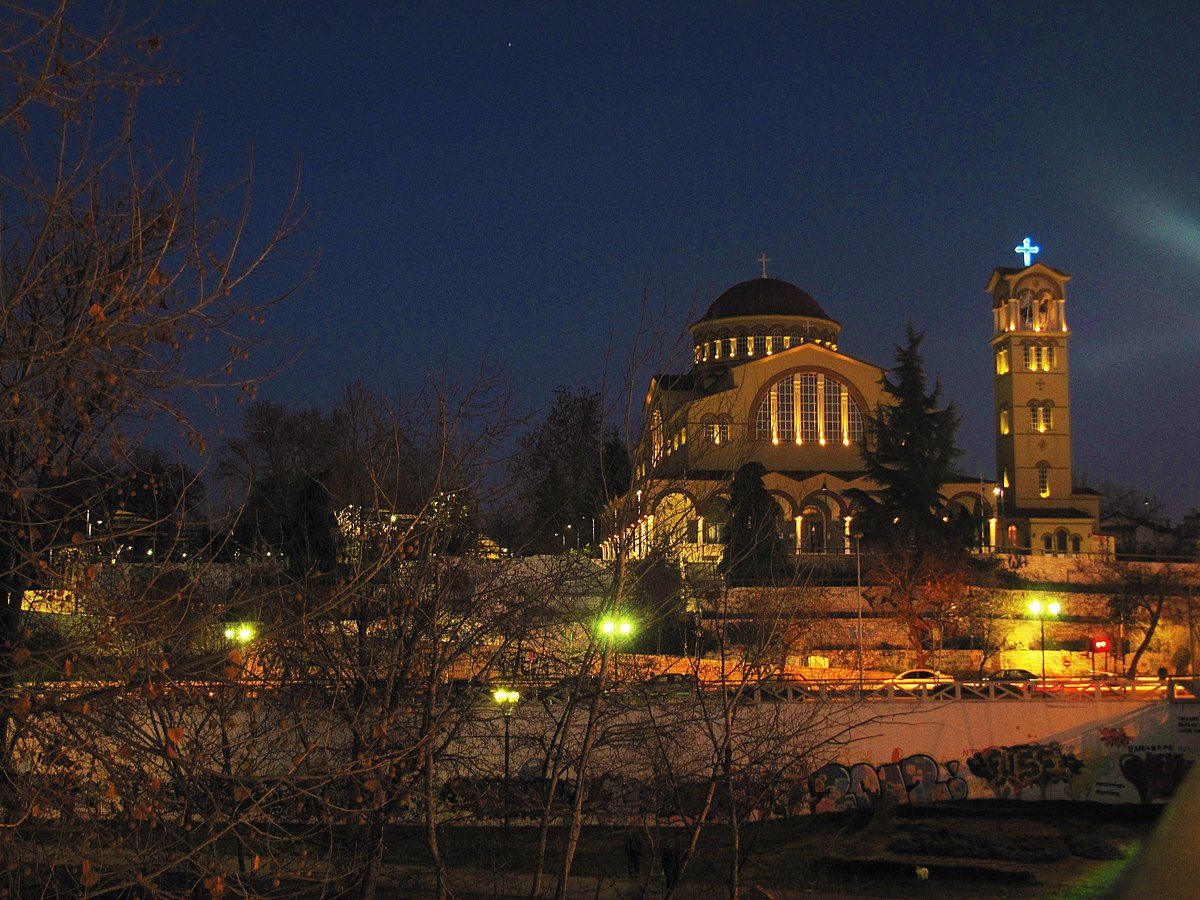
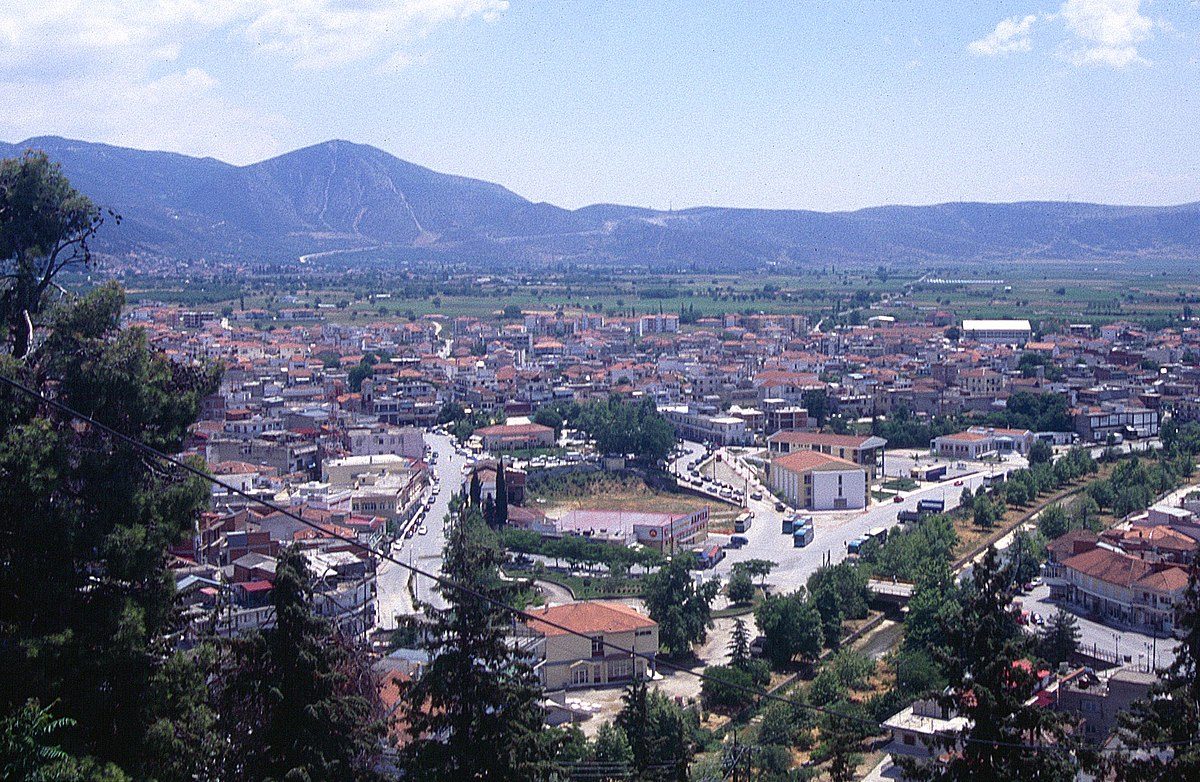
Located in central greece 330 km north of Athens, Trikala is a gateway into the mountainous region of northwestern Greece. While not normally high on the itineraries of most visitors to the country a stay in the city will not disappoint. It opens up a wealth of potential day-trips in Central Greece, combining all of the advantages of staying in a sizeable town (restaurants, cafes, shops, the free wifi offered by the municipality) with access to some of the region’s most famous landmarks.
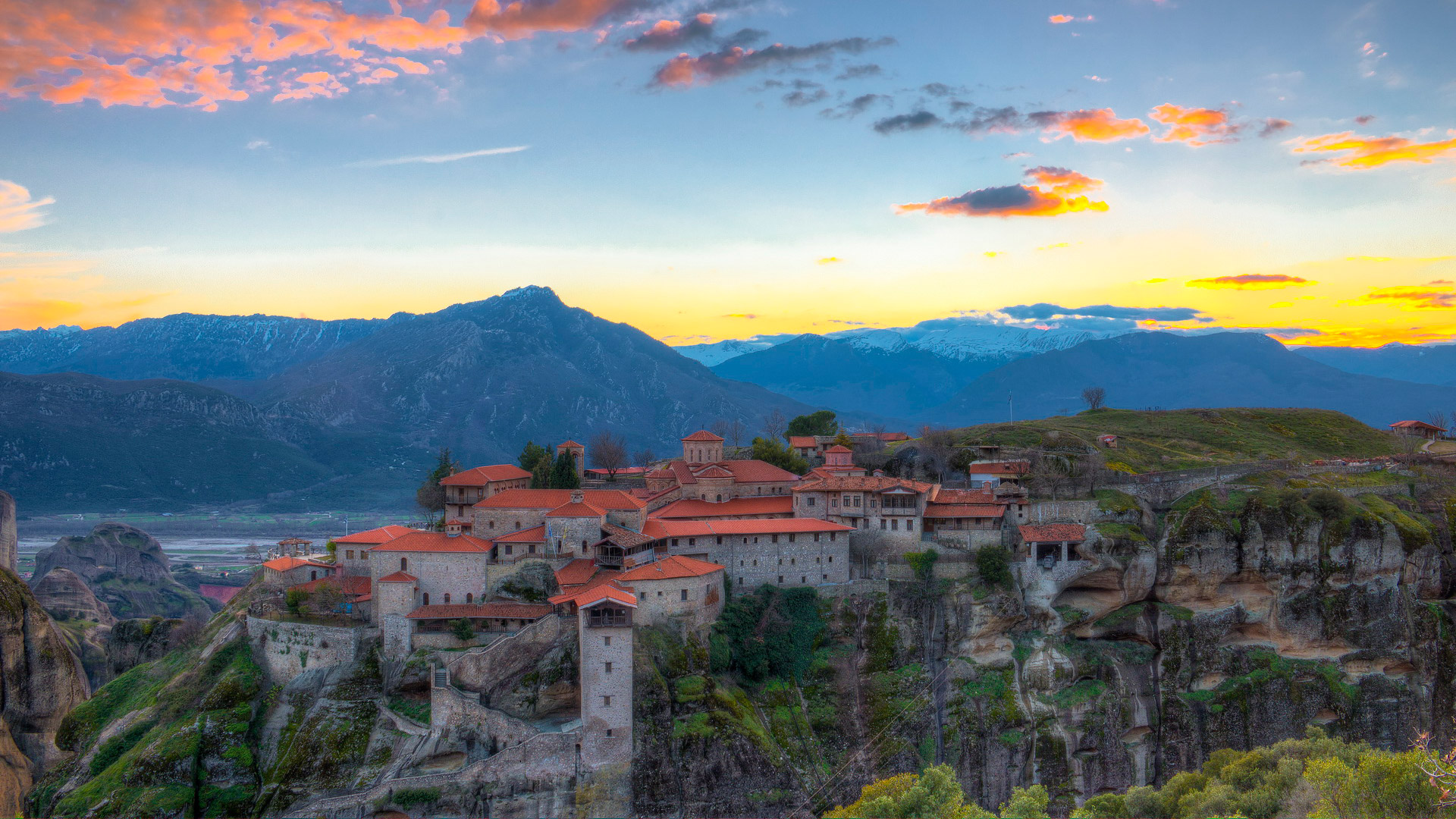
World-famous Meteora with its monasteries built seemingly impossibly on top of pillars of rock is a little over 30 mins away by car.
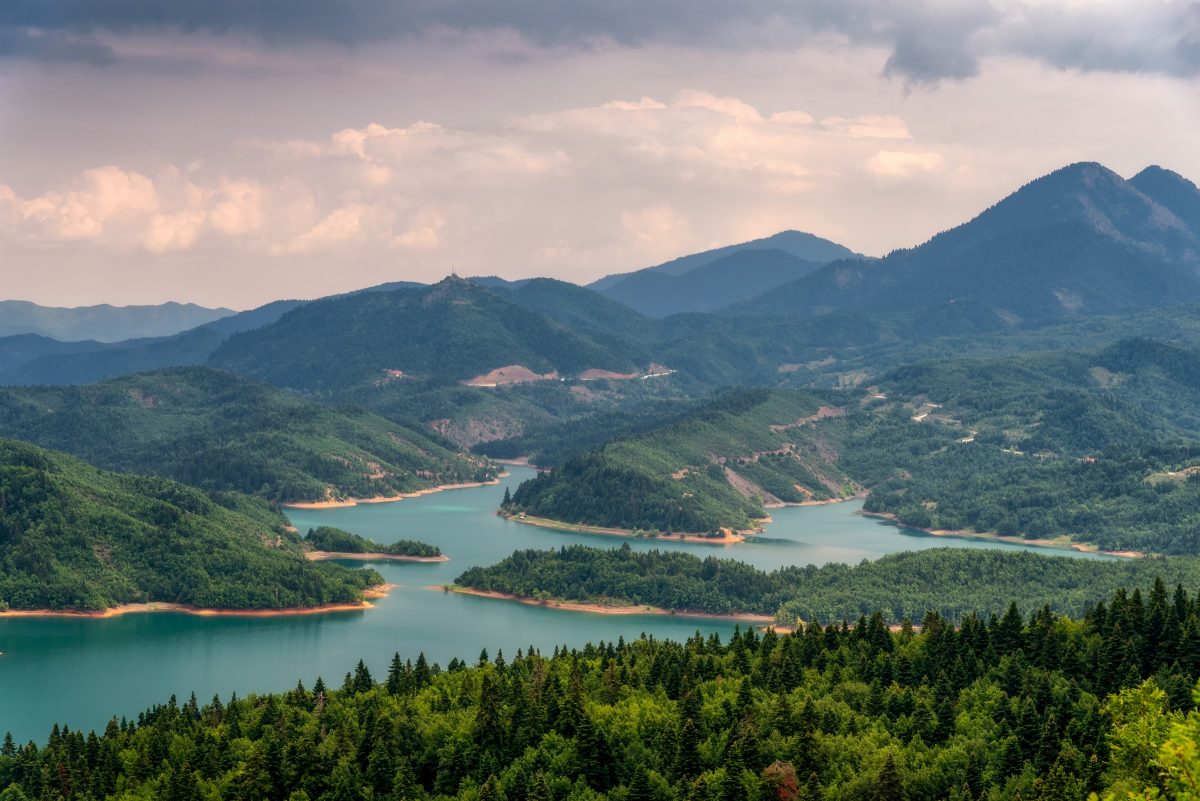
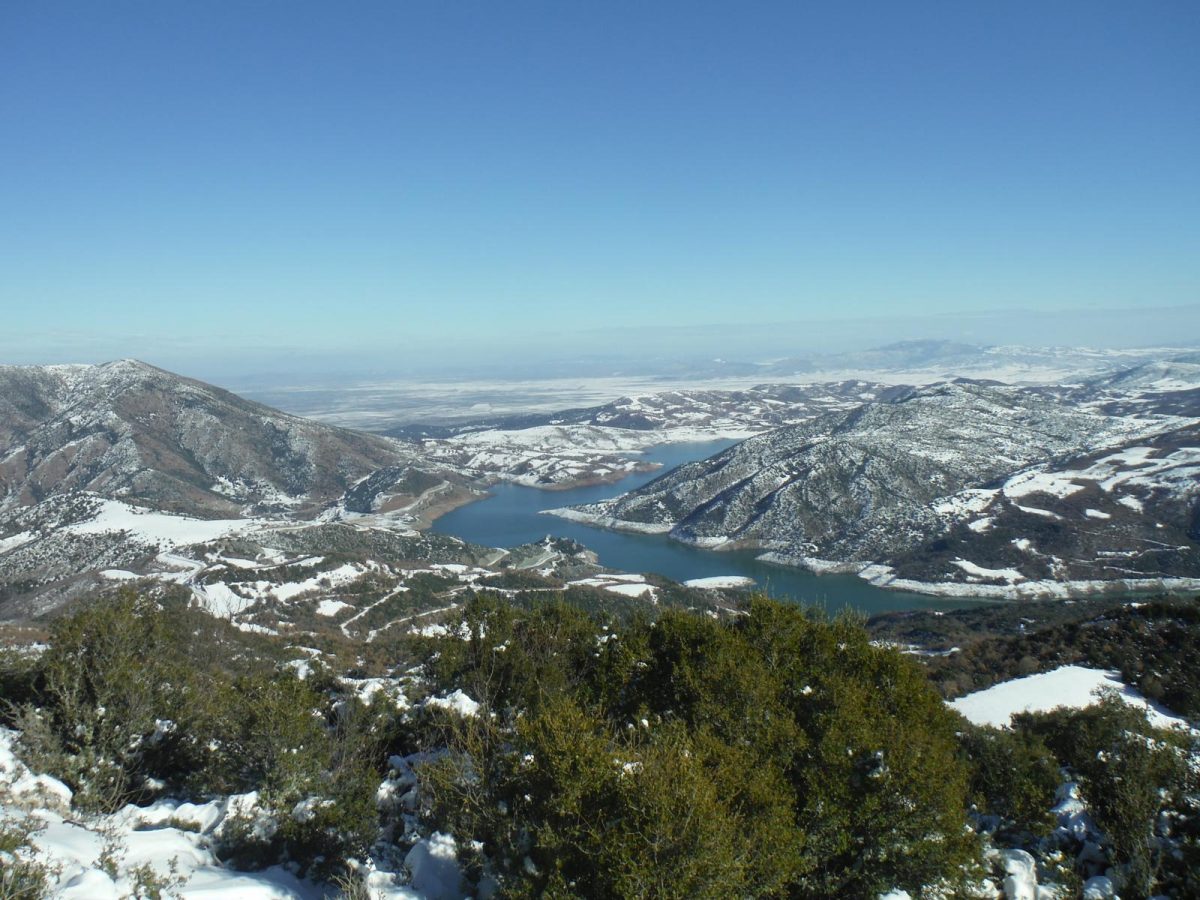
For lakeside fun visit Plastira Lake about 90mins away by car. The artificial lake is located in a beautiful area and visitors can engage in numerous outdoor activities such as boating on the lake, archery lessons and more.
The popular and quaint mountain villages of Pertouli and Elati are also easily accessible by car.
Trikala is one of Greece’s most diverse prefectures, blending the spiritual awe of the Meteora rocks with a tech-forward, bicycle-friendly capital and lush Alpine landscapes. Whether you are seeking world-class history or mountain adventure, this guide covers the absolute essentials.
Meteora Rocks: “Suspended in Air”
This UNESCO World Heritage site is the prefecture’s crown jewel. Massive sandstone pillars rise from the plain, topped by Eastern Orthodox monasteries.
- The Six Active Monasteries: * Great Meteoron: The largest and oldest, housing significant Byzantine art.
- Varlaam: Known for its impressive museum and wood-carved iconostasis.
- Agios Stefanos: The most accessible (no stairs), now a nunnery with a great view of the Peneus River.
- Holy Trinity: Famous for its appearance in the James Bond film For Your Eyes Only; it requires a steep climb.
- Rousanou: A stunning nunnery accessible via a bridge, surrounded by lush greenery.
- Agios Nikolaos Anapafsas: Notable for its vertical construction and frescoes by the master Theophanes the Cretan.
- Kalabaka: The gateway town at the foot of the rocks. Don’t miss the 11th-century Church of the Dormition of the Virgin Mary, which features a unique marble pulpit.
- Kastraki: A picturesque village nestled right between the rocks, offering a more traditional and quiet stay than Kalabaka.
- Natural History Museum of Meteora & Mushroom Museum: A quirky but highly-rated stop in Kalabaka that combines taxidermy with an extensive mushroom collection (and truffle products).
Trikala City: The Tech-Forward Capital
Often called the “Amsterdam of Greece” due to its flat landscape and massive cycling culture, Trikala is a vibrant, modern city with deep roots.
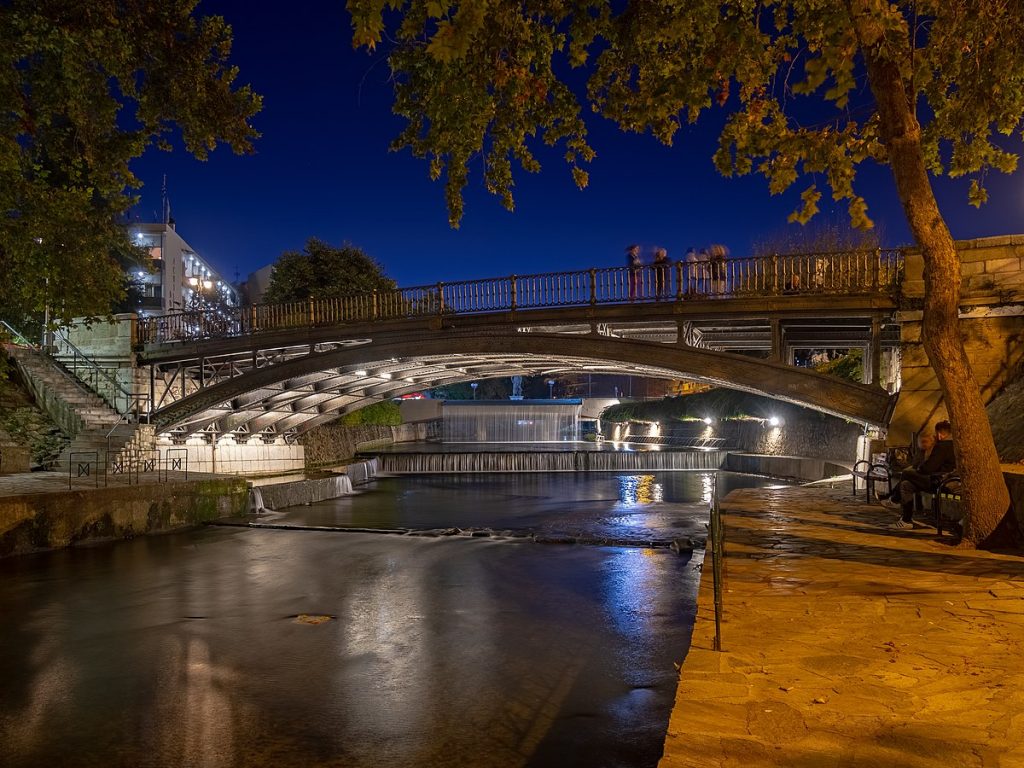
- Litheos River: The river flows through the city center. The Central Bridge (1886), made of French steel, is the city’s most romantic landmark.
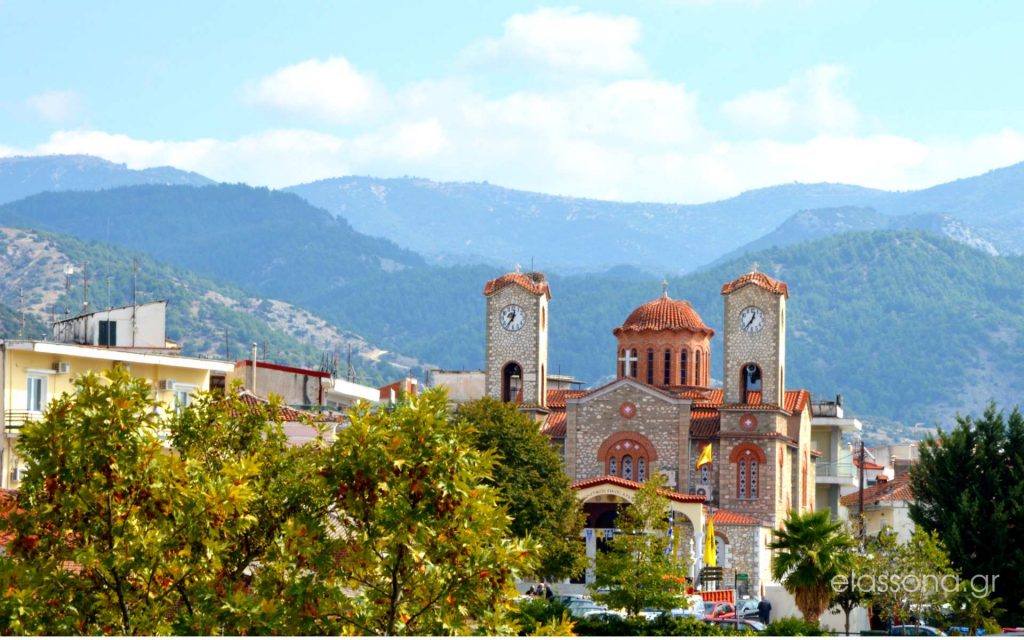
- Varousi (Old Town): Located at the foot of the fortress, this district is filled with narrow alleys and 17th-to-19th-century mansions. It houses many of the city’s oldest churches.
- The Byzantine Castle & Clock Tower: Walk up to the fortress for a panoramic view of the city. The iconic Clock Tower is the symbol of Trikala.
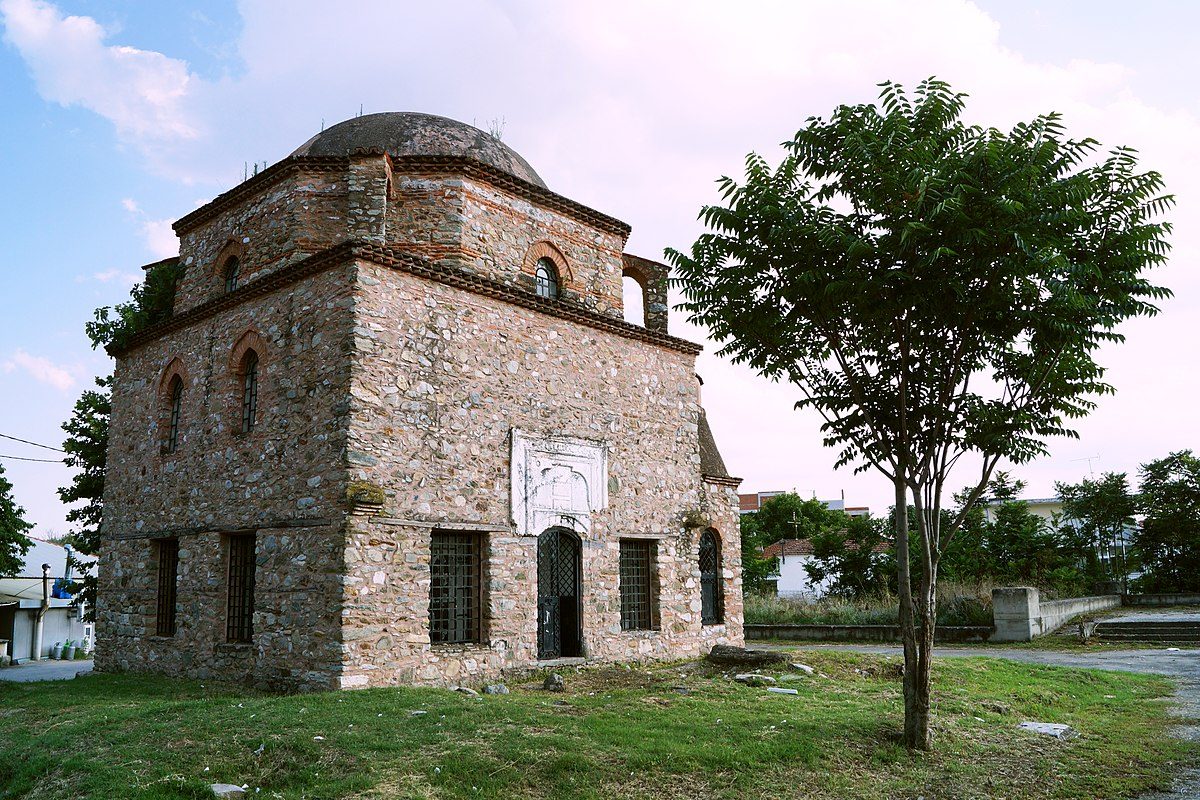
- Koursoum Mosque (Osman Shah Mosque): A 16th-century masterpiece designed by Mimar Sinan (the architect of the Blue Mosque in Istanbul). It now serves as a cultural venue.
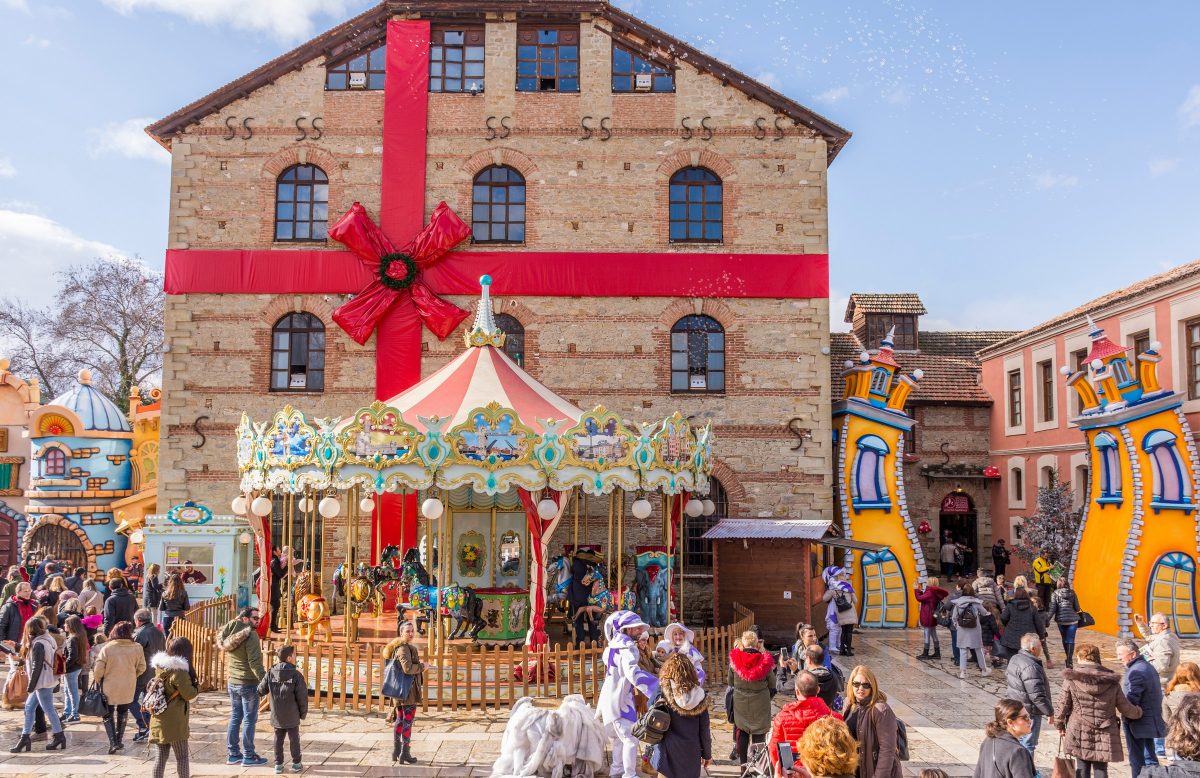
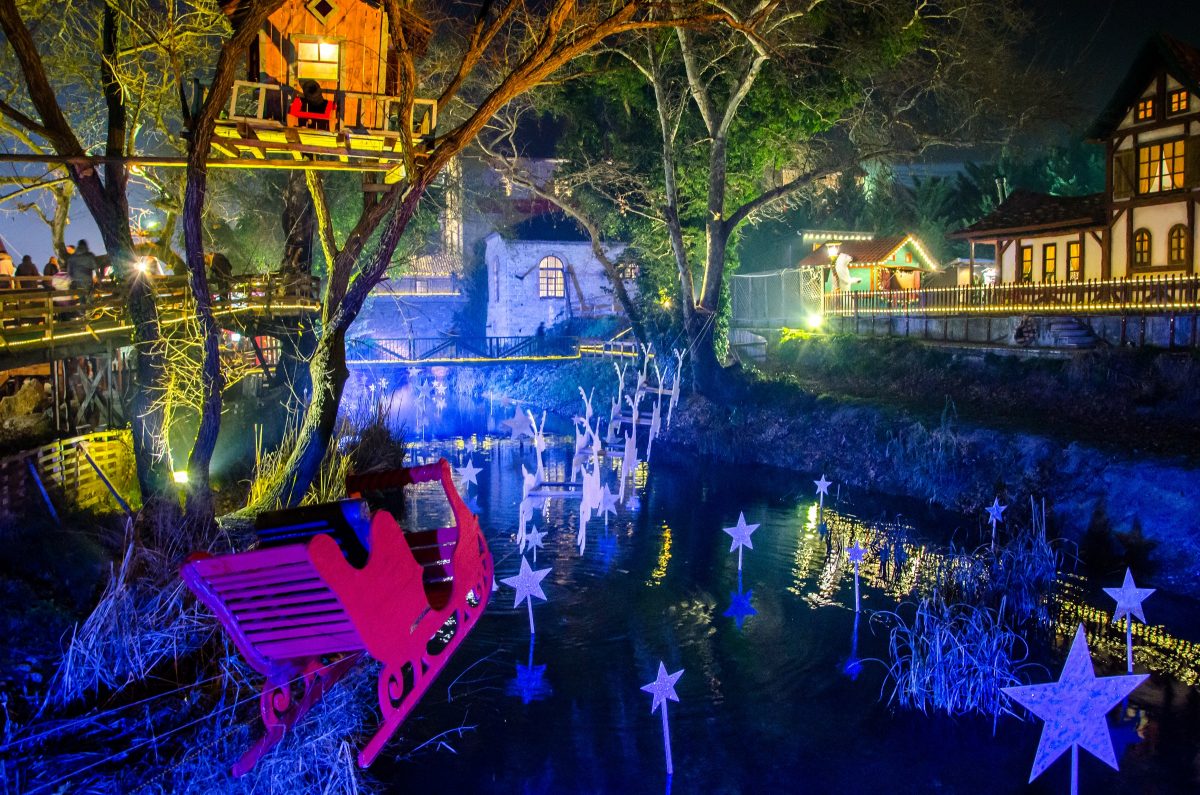
- Matsopoulos Mill: An industrial heritage site. In December, it transforms into the “Mill of the Elves,” Greece’s largest Christmas theme park.
- The Tsitsanis Museum: Located in the old upper floor of the Ottoman baths, it honors Vassilis Tsitsanis, the legendary composer of Rebetiko music who was born here.
Mountain Getaways: The Pindos Range
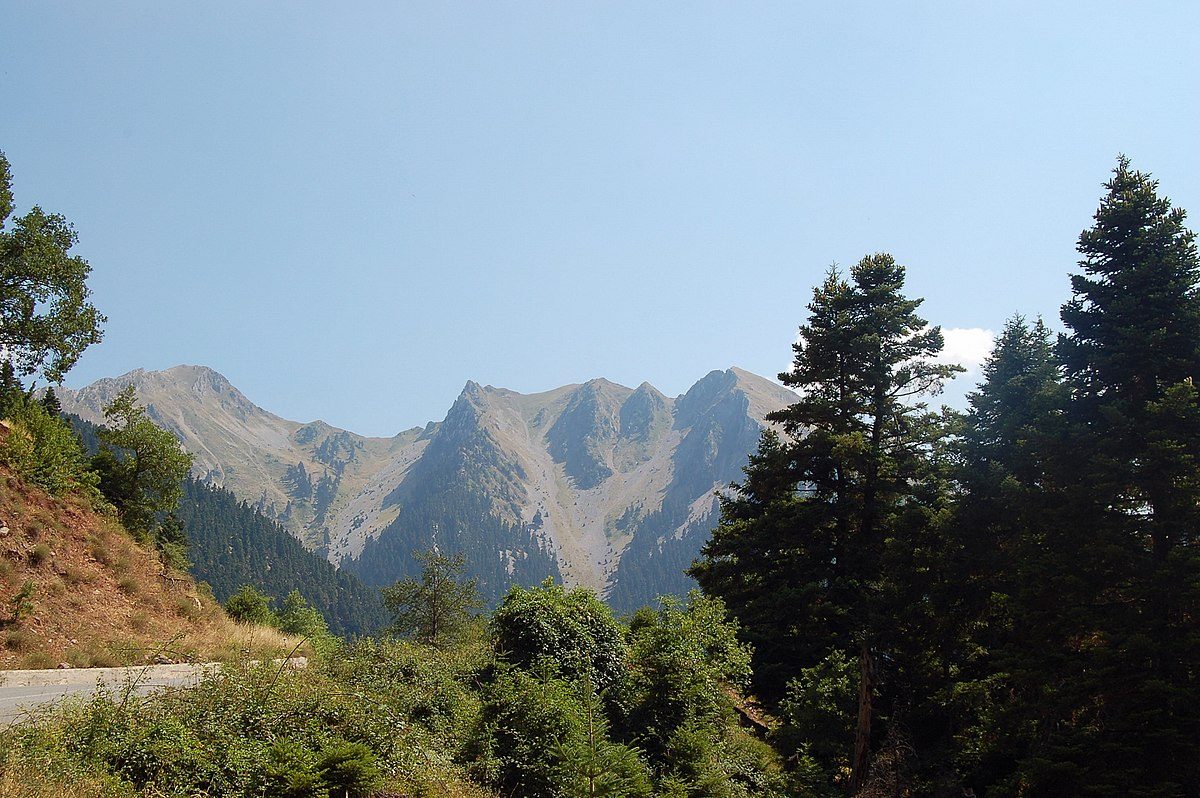
To the west, the landscape shifts into dense fir forests and alpine meadows.
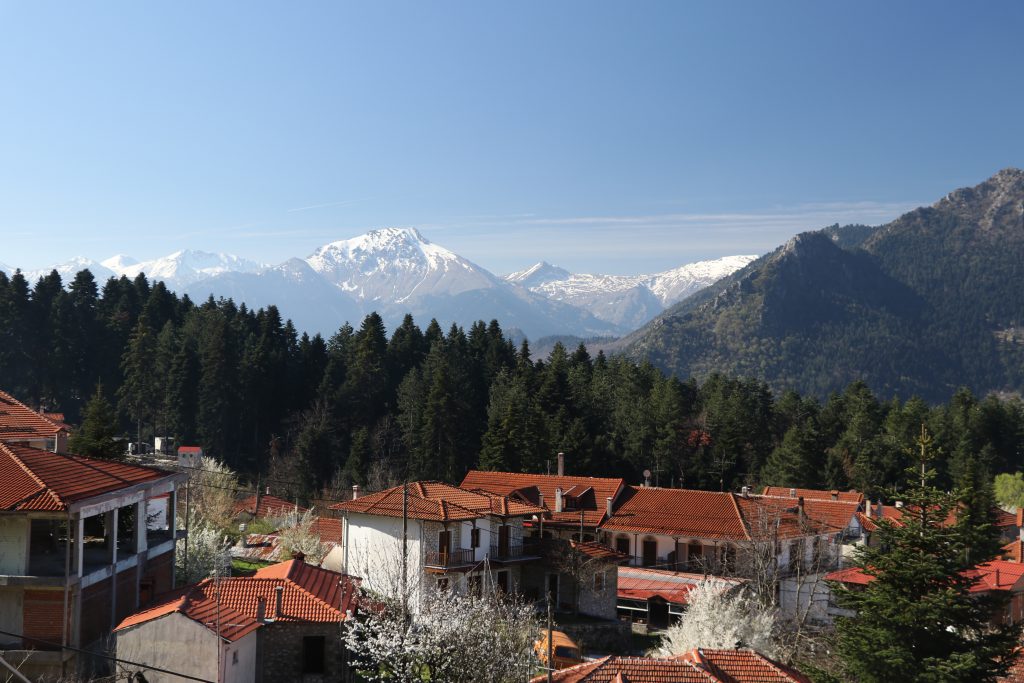
- Elati: A popular mountain village sitting at 950m altitude. It’s the “hub” for mountain tourism, filled with stone-built guesthouses and tavernas serving wild boar and local pies.
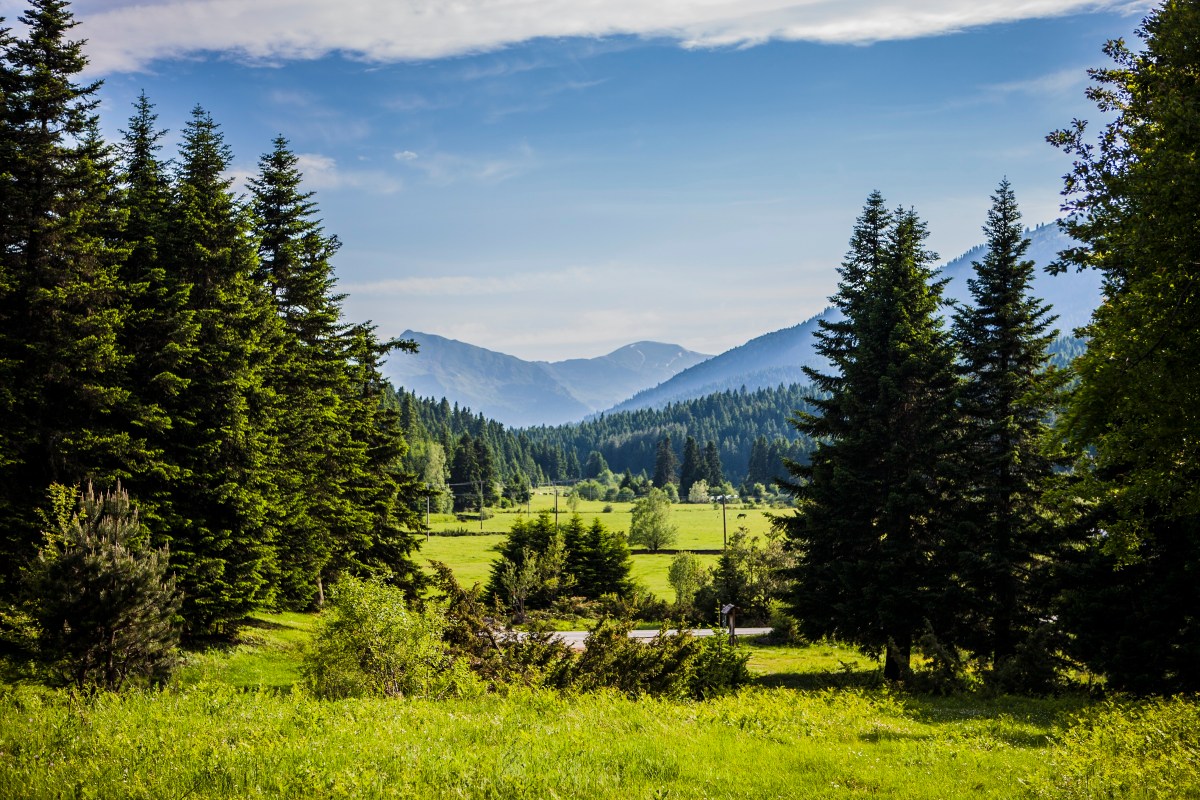
- Pertouli: Known for the Pertouli Meadows, a vast green expanse perfect for horseback riding in summer and skiing at the Pertouli Ski Center in winter.
- Pyli: The gateway to the mountains. Visit the Stone Bridge of Agios Vissarion (1514), which was once the only passage to the Pindos range.
- Palaiokaria Waterfall: A stunning 16th-century stone bridge where a dual waterfall drops behind it—one of the most photographed spots in the region.
Historic & Natural Curiosities
- Theopetra Cave: Located 7km from Kalabaka, this cave contains a stone wall that is considered one of the oldest man-made structures in the world (roughly 23,000 years old).
- Note: Check local updates as the cave interior is occasionally closed for maintenance, though the museum is usually open.
- Arch of Triki (Asclepieion): Near the city center of Trikala lie the ruins of the most ancient Asclepieion (healing center) in Greece, dedicated to the god of medicine, Asclepius.
Gastronomy Guide
- Trikala Sausage: Famous nationwide, often flavored with leeks.
- Local Pies (Pites): Look for Bataria (cornmeal-based pie) or classic wild greens and feta pies.
- Galotyri: A creamy, tangy PDO cheese specific to the region.
- Tsipouro: The local spirit, often served with anise (though you can ask for it without).
Rising from the Plain of Thessaly in mainland Greece, Metéora is a mesmerizing group of vertical sandstone rocks, reaching up to 300 meters high, which time has carved into unique and beautiful formations. And perched atop these rocks are the monasteries of Metéora, which appear to hang in the air above the rocks, and are some of the most fairy-tale, magical attractions in all of Greece.
Built from 1356 AD onwards by monks from Mt. Athos, at their peak in the sixteenth century there were 24 monasteries. Today there are six still open and are now accessible by staircases and pathways cut into the rock formations.
Of the six functioning monasteries, the Holy Monastery of St. Stephen and the Holy Monastery of Roussanou are inhabited by nuns while the remainder are inhabited by monks. The total monastic population of the Meteora monasteries in 2015 was 56, comprising 15 monks in four monasteries and 41 nuns in two monasteries.
From Monday to Friday one or two monasteries remain closed, depending whether it’s the summer season (April to October) or winter season (November to March). During the weekend all 6 active monasteries are open to visitors from morning until late afternoon.
For a one day trip to Meteora we can visit 2 or 3 monasteries, whether in the morning or in the afternoon hours. Have in mind that in order reach the monasteries you’ll have to climb steep footpaths and staircases, with approximately 150 to 300 steps! The monastery with the easiest access is the monastery of St. Stephen that has no stairs at all, a perfect choice for people with mobility limitations.
Karditsa
In Karditsa, everyone seems to own a bike. It’s easy to see why. The town is small, and everything (sights, museums, and tavernas) is close by. In fact, the pins we added to our Google map are so close together, we can’t tell which one is which. There are no hills, and by walking or cycling you’ll quickly become familiar with the streets and learn to find your way around.
The people here are no house cats. They enjoy going out, and the cafes and meze restaurants are always full of people sipping tsipouro and playing backgammon. Living up to its name, Karditsa is situated in the very heart of Greece (Karditsa literally means little heart), and is smaller compared to the nearby cities of Larissa, Volos, and Trikala. Yet it is a great getaway and an excellent starting point for discovering the surrounding countryside, villages, and sights.
Lake Plastira is the most common excursion, but the city can also serve as a base for exploring the famous monasteries of Meteora, cosmopolitan Elati, Pyli, as well as the relatively little-known Smokovo thermal springs.
Worth visiting: city park (Pafsilypou park), archaeological museum, bistro at Domotel Arni.
Karditsa is often called the “Heart of Thessaly,” balancing a flat, bicycle-friendly city center with some of Greece’s most rugged and breathtaking mountain scenery. Whether you’re looking for the alpine charm of Lake Plastira or the “unwritten” history of the Agrafa peaks, this guide covers the essential highlights.
City of Karditsa: Bicycles and Peacocks
Karditsa is famous for being the “Cycling Capital of Greece.” Its flat landscape and extensive network of bike paths make it unique among Greek cities.
- Pausilipo Park: The city’s green lung. It is famous for the free-roaming peacocks that have lived there for decades. It’s the perfect spot for a slow stroll or a coffee.
- The Old Municipal Market: A UNESCO-protected monument built in the 1920s. This architectural gem of glass and metal now serves as a cultural hub with small shops and exhibition spaces.
- Archaeological Museum of Karditsa: A modern museum housing artifacts from the Paleolithic era to Late Antiquity, including the impressive bronze statue of Apollo.
- The Pedestrian Zones: The city center is a maze of stone-paved streets filled with lively bars, “tsipouradika” (tapas-style eateries), and high-end boutiques.
Lake Plastira: The “Switzerland of Greece”
Located about 30km from the city, this man-made lake sits at 750m altitude and is the prefecture’s crown jewel.
- The Dam: An impressive 220-meter curved concrete structure. It’s a prime spot for photos and buying local honey or “trachanas” (traditional pasta) from roadside vendors.
- The Observatory: Follow the road from the dam to find the best panoramic view of the lake’s “fjords” and the surrounding Agrafa peaks.
- Water Activities: You can rent hydrobikes (water bicycles), canoes, or kayaks to explore the lake’s calm, emerald waters.
- Lakeside Villages: * Neochori: Offers the best views of the lake and high-end stone guesthouses.
- Kalyvia Pezoulas: The “hub” for outdoor activities and traditional trout tavernas.
Agrafa Mountains & Traditional Villages
The name “Agrafa” literally means “Unwritten,” as the region was so remote and rebellious that the Ottomans couldn’t include it in their tax records.
- Anthochori Waterfall: A relatively easy hiking trail starting from Anthochori village leads you through lush greenery to a stunning waterfall and an old stone watermill.
- Argithea: A collection of remote, stone-built villages that offer a glimpse into a time-capsule version of Greece. Expect rugged terrain and deep gorges.
- Fanari Castle: A 13th-century Byzantine fortress sitting atop a hill near the village of Fanari. It offers a 360-degree view of the Thessalian plain.
⛪ Spiritual & Historical Landmarks
- Monastery of Panagia Pelekiti: One of Greece’s most impressive religious sites, carved directly into a steep rock face at 1,400 meters. The view from its balconies is dizzying.
- Korona Monastery: A historic 12th-century monastery overlooking the lake, known for its fine wood-carved iconostasis and serene atmosphere.
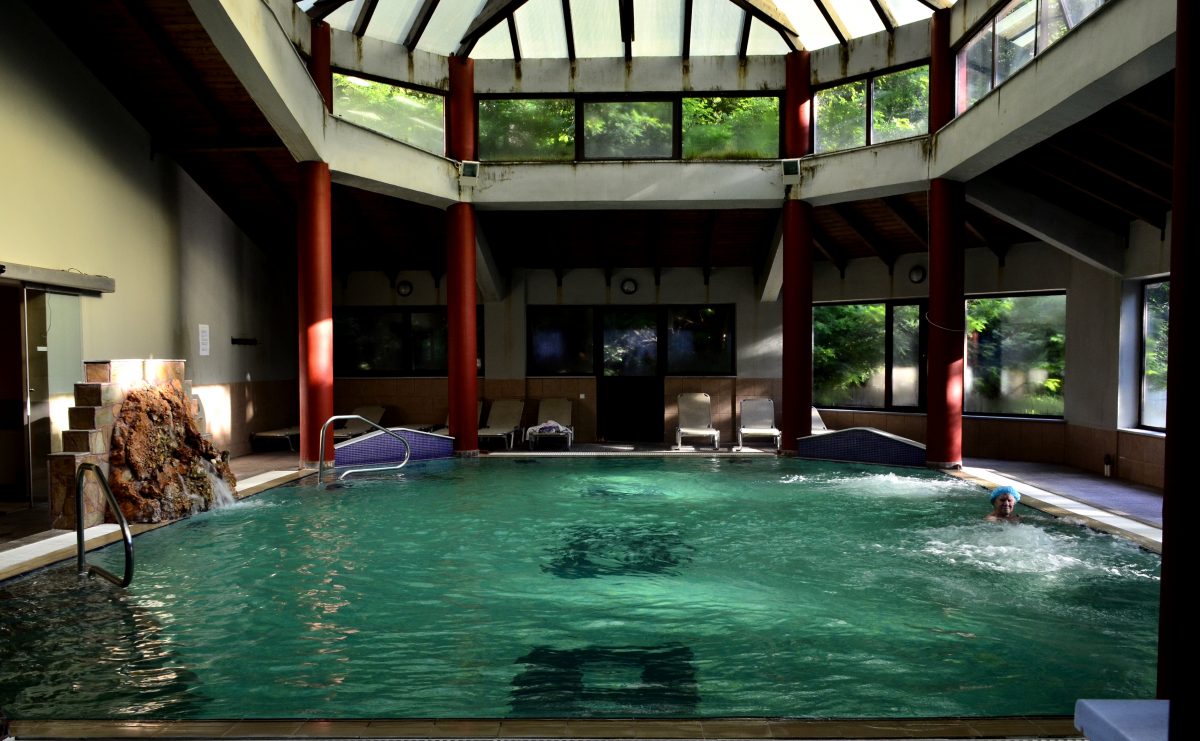
- Smokovo Thermal Springs: Located in a lush valley, these natural sulfur springs have been famous since the 17th century for their healing properties.
Gastronomy: What to Taste
Karditsa is a paradise for lovers of hearty, rustic food.
- Local Pies (Pites): Look for “Bataria” (a thick flour-based pie) or “Plastos” (leek and cornbread pie).
- Thessalian Wine: The region produces excellent wines, particularly from the Mesenikolas variety (PDO Mesenikola).
- Loukaniko (Sausage): The local Karditsa sausage, usually flavored with leeks, is famous across Greece.
- Fresh Trout: Best enjoyed at the lakeside tavernas around Lake Plastira.
Tip: If you visit in winter, head to the village square in Karditsa for “Tsipouro” sessions—it’s the local way of socializing, where every round of drink comes with a new, small plate of appetizers.
Larissa
On the main highway from Athens to Thessaloniki, lies Larissa a bustling eco-friendly town with excellent places to eat, drink and enjoy coffee.
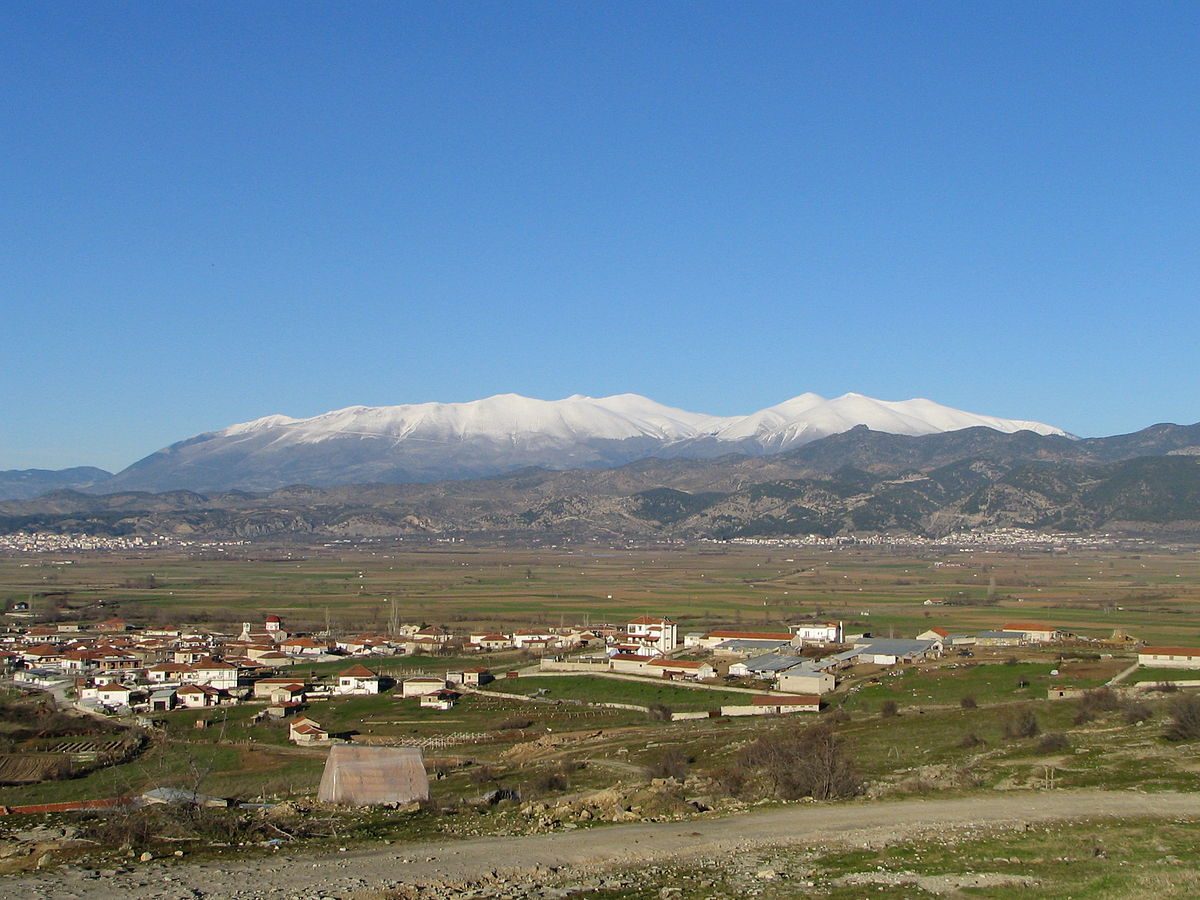
Located just south of Mount Olympus in the heart of the Thessaly kampos, Larissa is the fifth largest city in the country after Athens, Thessaloniki , Patra, and Heraklion in Crete. It is a lively city with a rather extroverted populace who love to go out, shop and drink coffee for hours. Indeed, it is often referred to as “Coffee City” thanks to its cafes that are numerous even by Greek standards.
After getting your caffeine fix, it’s worth taking a stroll through the city center and around the its outskirts. Locals enjoy strolls and runs through the centrally located and lush Alcazar Park. Further out, the Aisthitiko Alsos is another green space popular among bike riders. Alternatively plan a route that will take you by Blana Square where teenage boys gather in the evenings to practice parkour over the remains of Byzantine walls, the Bezesteni (the old Ottoman market), the First Ancient Theater of Larissa and the Pappas Mill – a former flour mill that now hosts cultural events of all kinds.
Larissa is often overlooked in favor of its flashy neighbors like Meteora or Pelion, but in 2026, it stands as a sophisticated hub that perfectly balances its deep ancient roots with a high-energy, modern Greek lifestyle. As the capital of Thessaly, it’s a city of pedestrian streets, endless coffee culture, and surprisingly dramatic landscapes.
Larissa City: The Urban Highlights
Larissa city is built for walking. Most of the major sights are concentrated around the historic center, making it easy to hit the main spots in a single afternoon.
- The First Ancient Theatre: Located right in the city center at the foot of Frourio Hill. Built in the 3rd century BCE, it’s one of the largest and most significant ancient theaters in Greece. In 2026, it remains a stunning backdrop for the city’s daily life.
- Frourio Hill: The “Acropolis” of Larissa. This is the spot for sunset drinks. You’ll find the ruins of a Byzantine basilica, the Ottoman-era Bezesteni (covered market), and the Metropolitan Church of Agios Achillios.
- The Diachronic Museum: A must-visit for history buffs. It’s a modern, state-of-the-art facility that tells the story of Thessaly from the Paleolithic era to the 19th century. The mosaics here are world-class.
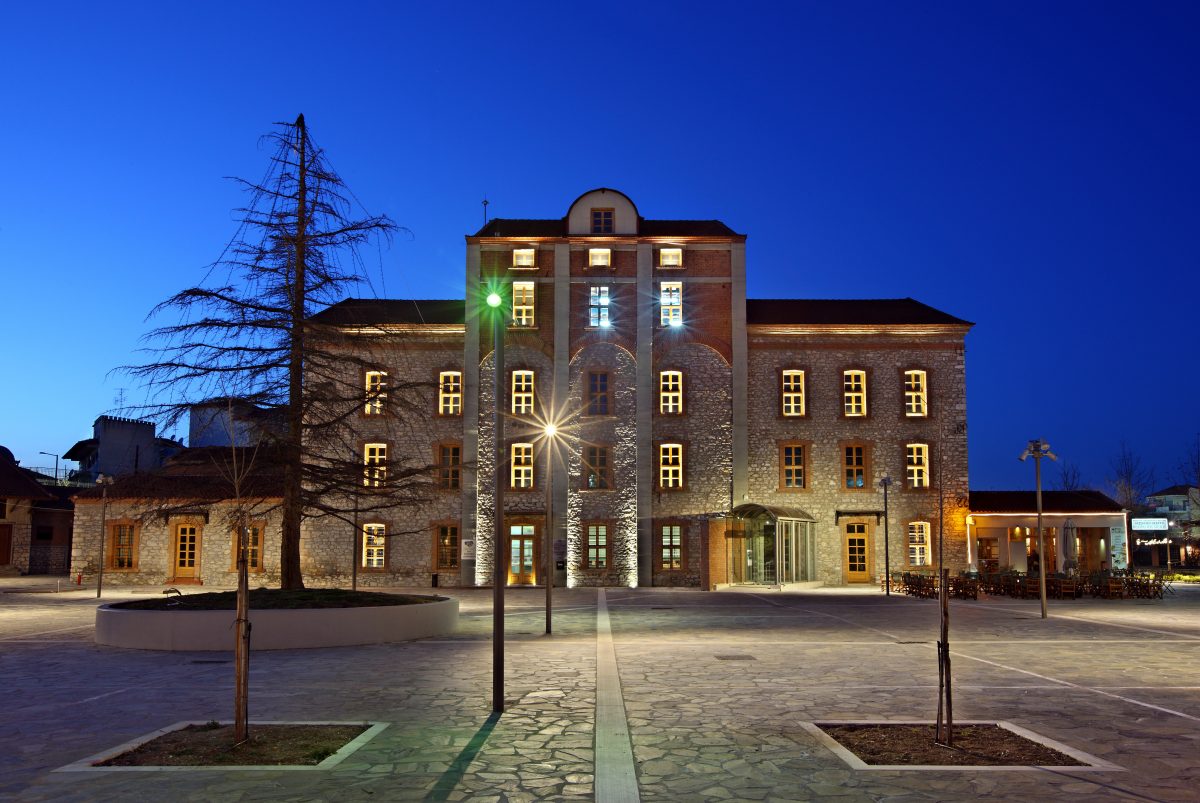
- Mill of Pappas: A beautifully restored 1893 industrial flour mill that now serves as the city’s cultural heart. It hosts a puppet museum, a cinema, and various art exhibitions.
- Monument of Hippocrates: Legend has it the “Father of Medicine” died and was buried here. There’s a dedicated monument and a small museum near the Alkazar Park.
- Alkazar Park: The city’s “green lung” along the banks of the Pineios River. It’s perfect for a morning run or a quiet stroll across the bridge.
Mountain & Nature Escapes
The prefecture is dominated by two legendary mountains: Olympus to the north and Ossa (Kissavos) to the east.
- The Valley of Tempe: A dramatic gorge between Olympus and Ossa where the Pineios River flows. It’s a place of myth and home to the Church of Agia Paraskevi, which is built into a rock cave and accessible via a suspension bridge.
- Mount Ossa (Kissavos): While Olympus gets the fame, Kissavos offers some of the best hiking in Greece. Check out the Kalypsos Gorge for canyoning and waterfalls.
- Mount Olympus (Larissa Side): Most people approach Olympus from Pieria, but the Larissa side (via the village of Pythion or Livadi) offers a quieter, more rugged experience of the “Mountain of the Gods.”
Traditional Villages
- Ambelakia: Perched on the slopes of Mt. Ossa, this village is famous for its 18th-century mansions (Archontika) and its history as the world’s first industrial co-operative (producing red-dyed yarns). The Schwartz Mansion is an architectural masterpiece.
- Rapsani: If you love wine, this is your stop. Famous for its PDO red wines (Xinomavro, Krassato, and Stavroto blends), the village is full of stone houses and traditional wineries with views of the Aegean.
- Livadi: A traditional Vlach mountain village at 1,200 meters. It’s known for its cool climate, stone-built squares, and incredible local dairy products.
The Coast: Larissa’s Secret Beaches
Larissa has over 50km of coastline along the Aegean, much of it characterized by wide sandy stretches and lush green backdrops.
- Agiokampos & Velika: These two beaches form a massive 14km stretch of sand and pebbles. It’s the “party” coast for locals, packed with beach bars and tavernas.
- Kokkino Nero: Translates to “Red Water.” It’s famous for its natural mineral springs that have a high iron content (hence the name). The beach is unique, with smooth pebbles and fresh springs flowing directly into the sea.
- Stomio: A family-friendly spot where the mountain meets the sea. It has a landmark lighthouse and is great for fresh fish.
Tip: Larissa is the unofficial “Coffee Capital” of Greece. It reportedly has the highest number of cafes per capita in the country. Don’t just rush through—grab a Freddo Espresso in Post Office Square (Plateia Tachydromeiou) and soak in the local vibe.
Magnesia
Pelion mountain with its beautiful villages, close to city of Volos.
Magnesia is one of Greece’s most geographically diverse regions, offering a rare combination of high-altitude alpine scenery and crystal-clear Aegean waters. Located in eastern Thessaly, it is dominated by the majestic Mount Pelion and the bustling port city of Volos.
Here is a guide to the highlights of the Magnesia prefecture:
The Gateway: Volos
The capital of the prefecture is a vibrant, modern city with a deep connection to mythology (it was the home of Jason and the Argonauts).
- The Argonauts’ Promenade: A wide pedestrian walkway along the port, perfect for sunset strolls. You can see a modern replica of the ship, Argo.
- The Tsipouradika: Volos is world-famous for its “tsipouradika”—small eateries serving tsipouro (a strong distilled spirit) accompanied by unique, un-ordered seafood meze that gets more complex with every round.
- Athanasakeion Archaeological Museum: One of the oldest museums in Greece, housing rare Neolithic finds and unique painted grave stelae.
The Mountain of Centaurs: Pelion
According to legend, this was the summer residence of the Olympian gods and the land of the Centaurs. It is dotted with stone-built villages and lush forests.
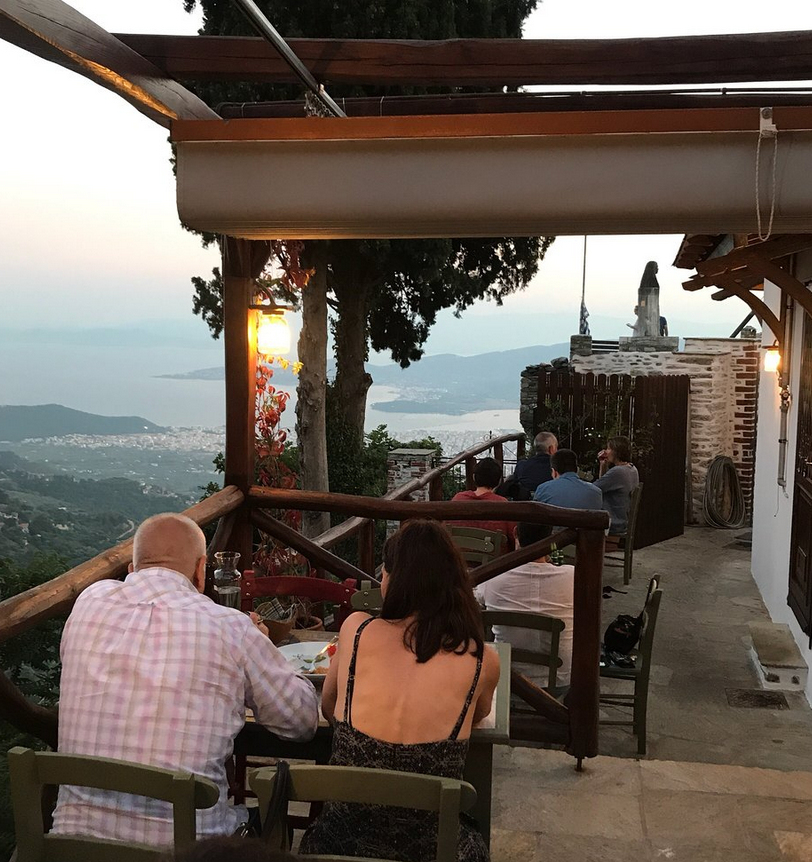
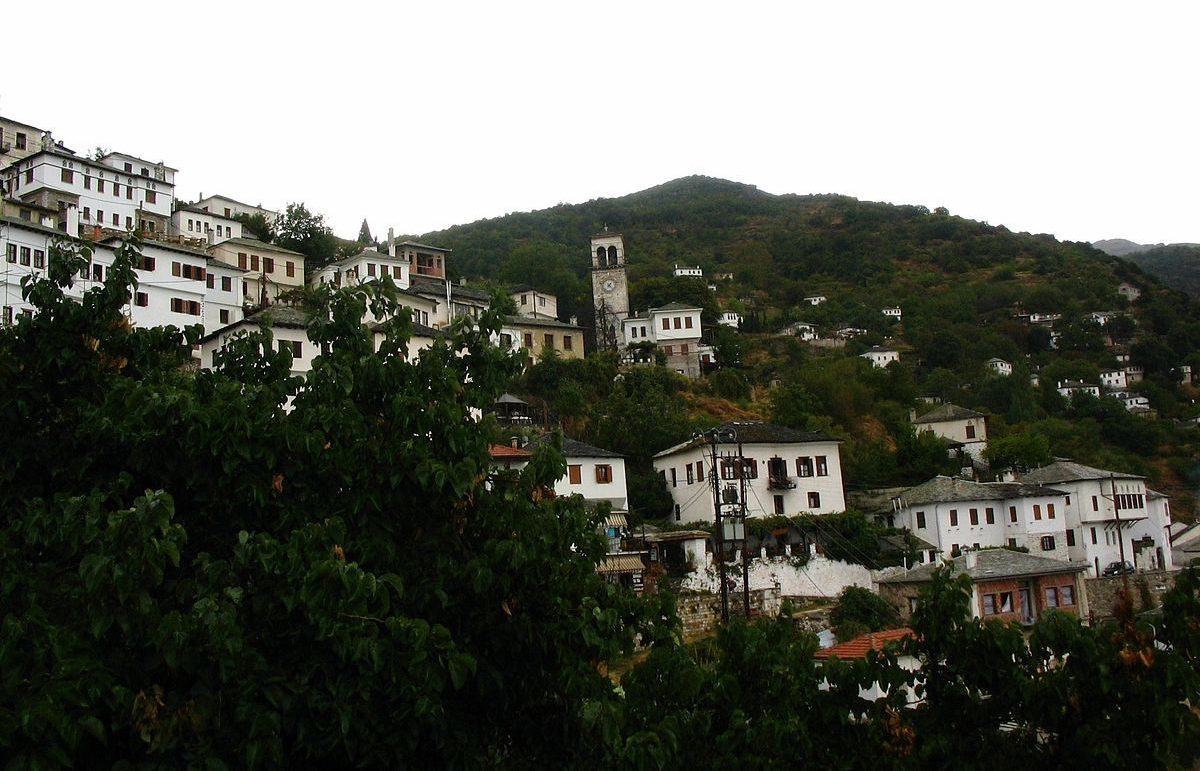
- Makrinitsa (The Balcony of Pelion): Known for its traditional architecture and a central square that offers a panoramic view of Volos and the Pagasetic Gulf.
- Portaria: A sophisticated village famous for its stone fountains, luxury guesthouses, and the “Path of the Centaurs,” a scenic hiking trail.
- Milies & Vizitsa: These villages represent the heart of Pelion’s history. Milies is the terminus of the legendary “Moutzouris” steam train.
- The Little Train of Pelion (Moutzouris): A narrow-gauge railway that winds through olive groves and over arched stone bridges, offering incredible views.
The Aegean Coast (East Pelion)
The eastern side of the mountain drops steeply into the Aegean Sea, creating some of the most famous beaches in Greece.
- Mylopotamos: A stunning pebble beach bisected by a natural rock arch.
- Agios Ioannis: A popular seaside resort with turquoise waters and a lively atmosphere.
- Damouchari: A picturesque natural harbor where scenes from the movie Mamma Mia! were filmed.
- Fakistra: A wild, secluded cove accessible by a steep path, often ranked among the best hidden beaches in the world.
The Pagasetic Gulf (South Magnesia)
The inner side of the “hook” formed by the Magnesia peninsula offers calmer, warmer waters and a slower pace of life.
- Afissos: A charming fishing village turned resort, built amphitheatrically above the sea.
- Trikeri Island: A tiny, car-free island at the very tip of the peninsula. It houses a magnificent monastery and offers absolute tranquility.
- Kala Nera: Known for its plane trees that reach right down to the water’s edge, providing natural shade on the beach.
Regional Specialties to Try
- Spetzofai: A spicy local dish made with regional sausages and green peppers in a rich tomato sauce.
- Spoon Sweets: Pelion is famous for preserved fruits, especially the small “Firiki” apple and chestnuts.
- Local Herbs: The mountain is a natural pharmacy; look for mountain tea (Sideritis) and wild bouquet garni.
In Mount Pilio you and your family can have the best of both worlds: easy access to some of the country’s most splendid beaches as well as some of its greenest, most idyllic mountain villages. It’s not by chance that this was the holiday spot of the 12 Greek Gods and legendary land of the centaurs: in Pilio you can fully savor old fashioned tranquility.
Here your days will revolve around swimming at sandy, child-friendly beaches, before snaking up oak, fir and plane tree-lined roads (especially on the northern side) that are like cool jungly tunnels speckled with shards of light. Nature on the 95km-long peninsula (on the Pagasetic Gulf, exactly between Athens and Thessaloniki) remains lush year-round, although in the coldest winter months snow blankets the slopes of Pilio and the curved, somewhat harrowing roads become harder to negotiate. Meanwhile Pilio’s Agriolefkes ski resort bustles with skiers and snowboarders.
Almost everywhere in Pilio you’ll hear the hypnotizing sound of running water – gushing out of stone fountains on the side of roads, trickling down mossy mountain walls and babbling in streams at the sides of trails.
The relatively cool evenings (by Greek summer standards) lend themselves to strolls along narrow cobblestone pathways bordered by nature brimming with life.
The slopes of Pilio are famed for their biodiversity, as the mountain’s proximity to the sea creates a large variety of microclimates in a relatively small area. Here the forests are full of medicinal herbs (many of which are dried and sold in the villages), wild blackberries to pop into your mouth, toads, electric blue dragonflies, hedgehogs, deer and foxes. In the villages ancient walls are splashed with bougainvillea, the air is laden with the mulchy, musty aroma of wet vegetation and kids can run free, playing hide-and-seek in village squares.
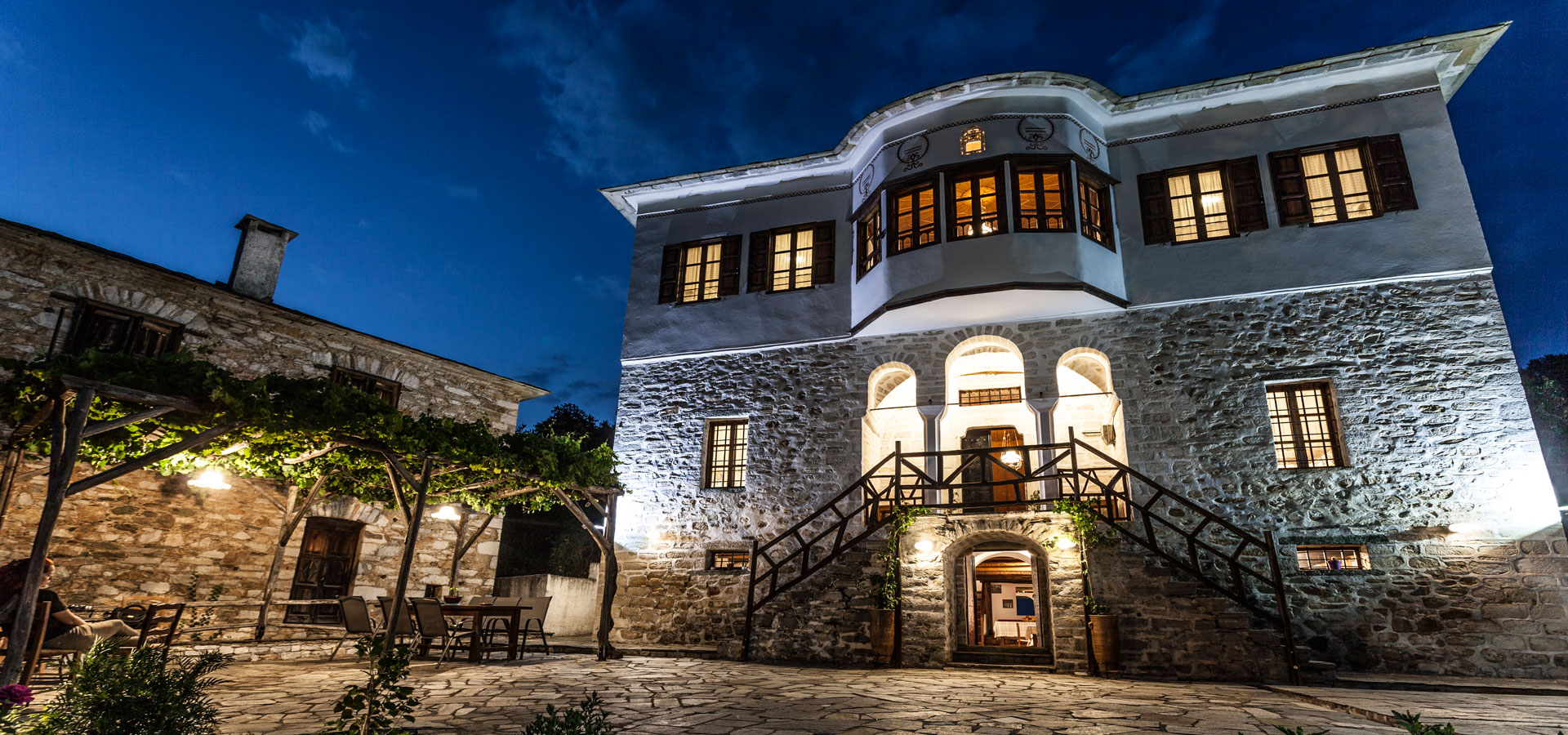
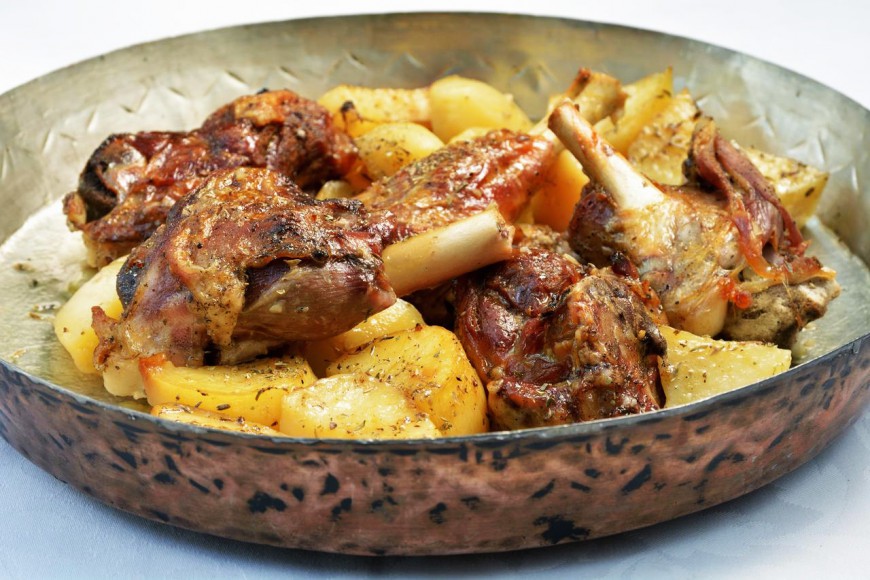
Throughout its 28 stone-built villages you will struggle to find a bad meal. The food in Pilio is primarily authentic and traditional although more modern and gourmet options are also available. Local specialties include stewed rabbit, baked goat and handmade pasta with rich sauces.
If you are ready for Thessaly (Thessalia), reach out below
Want to find out more about Thessaly?
Info button below takes you to visitgreece.gr, the official Greek National Tourist Organization site. Opens a new window that you can close when you are done reading.