
Thrace region, undiscovered and authentic

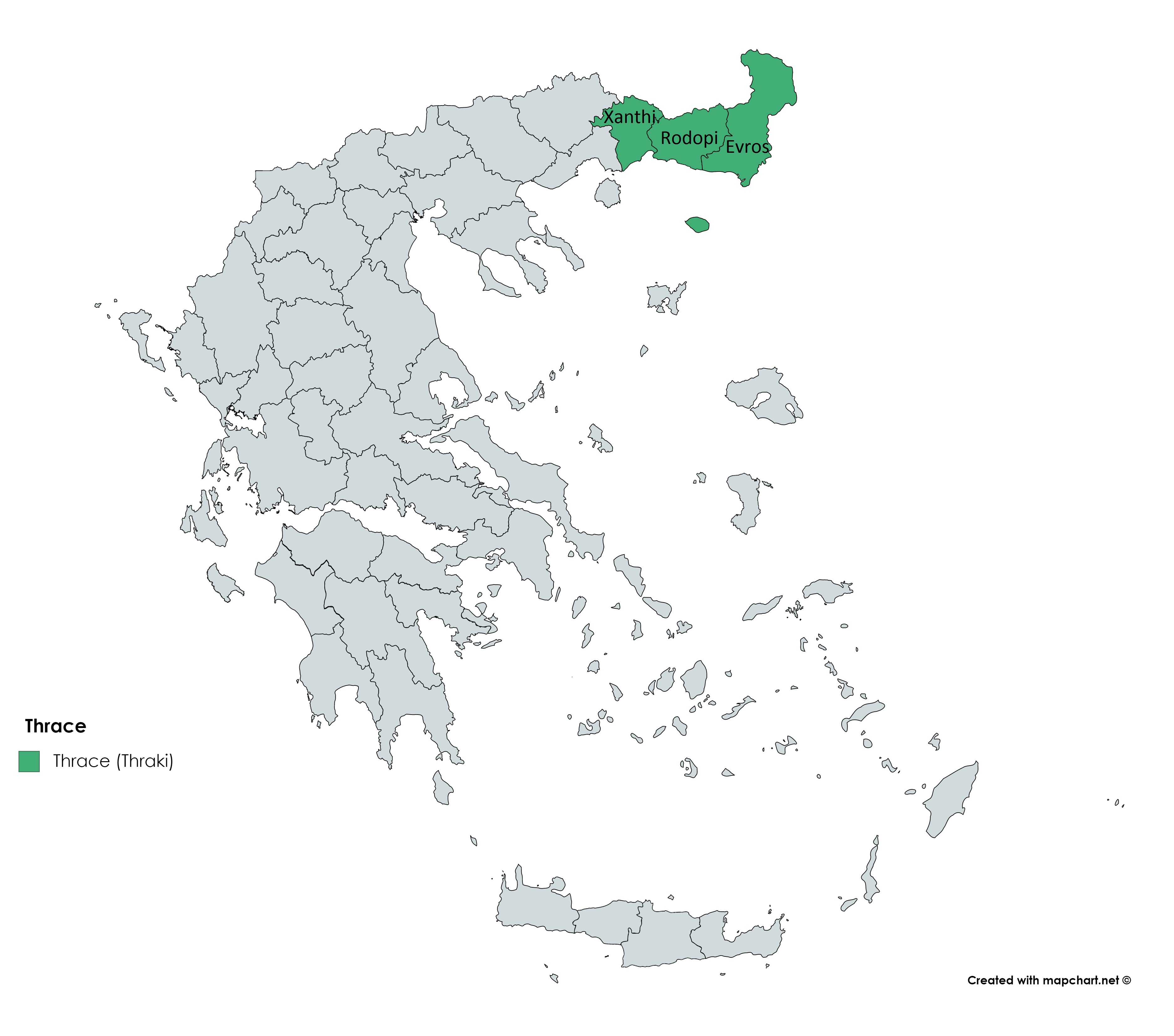
Thrace encompasses the following prefectures: Xanthi, Rodopi, and Evros.
Xanthi
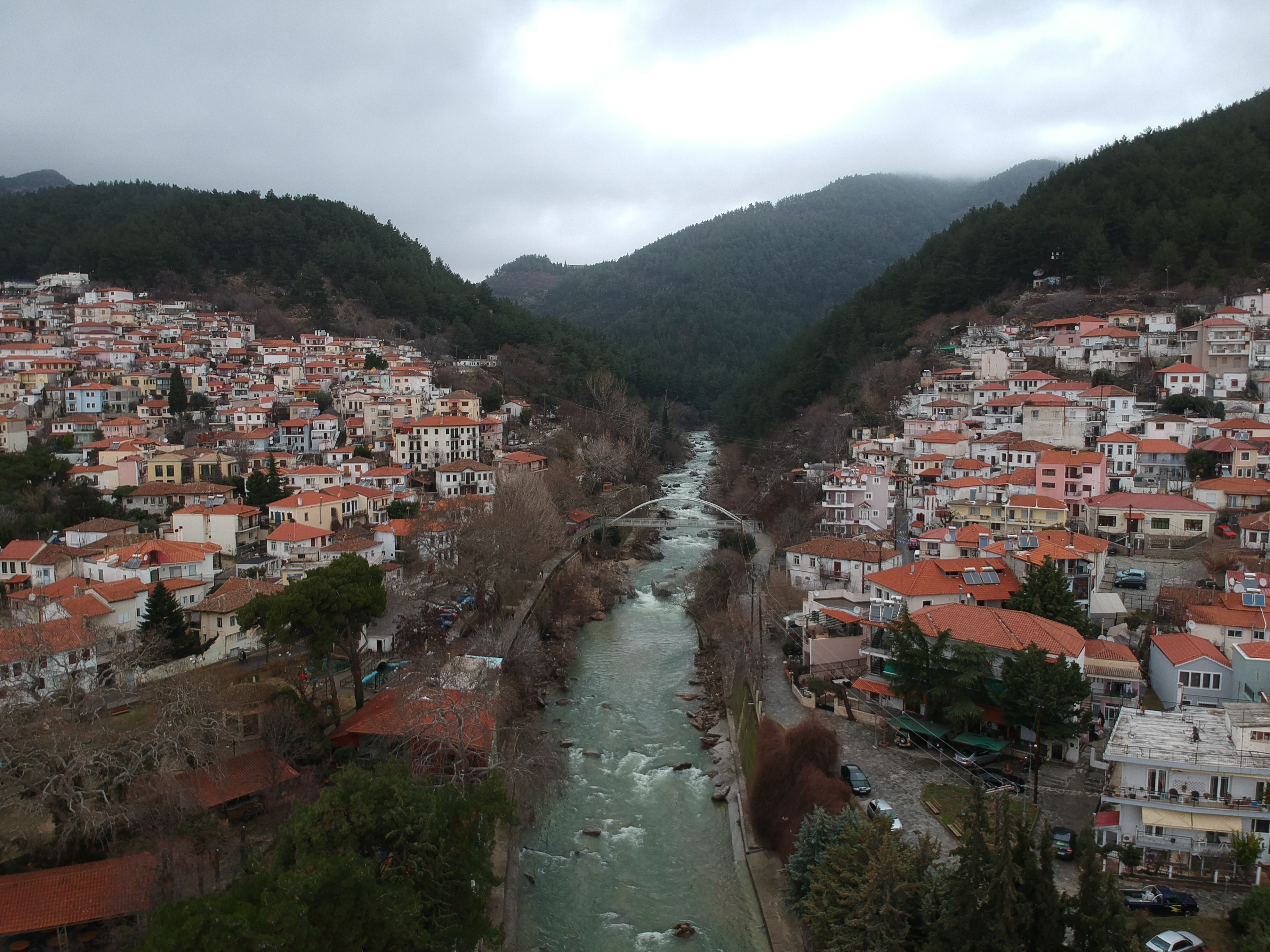
Known as the “City of a Thousand Colors,” Xanthi is the cultural soul of Thrace. It’s a place where East meets West, where the scent of roasting coffee and syrupy sweets fills the air, and where grand Neoclassical mansions stand alongside Ottoman-era architecture.
Here is your essential guide to the highlights of Xanthi.
The Soul of the City: Old Town
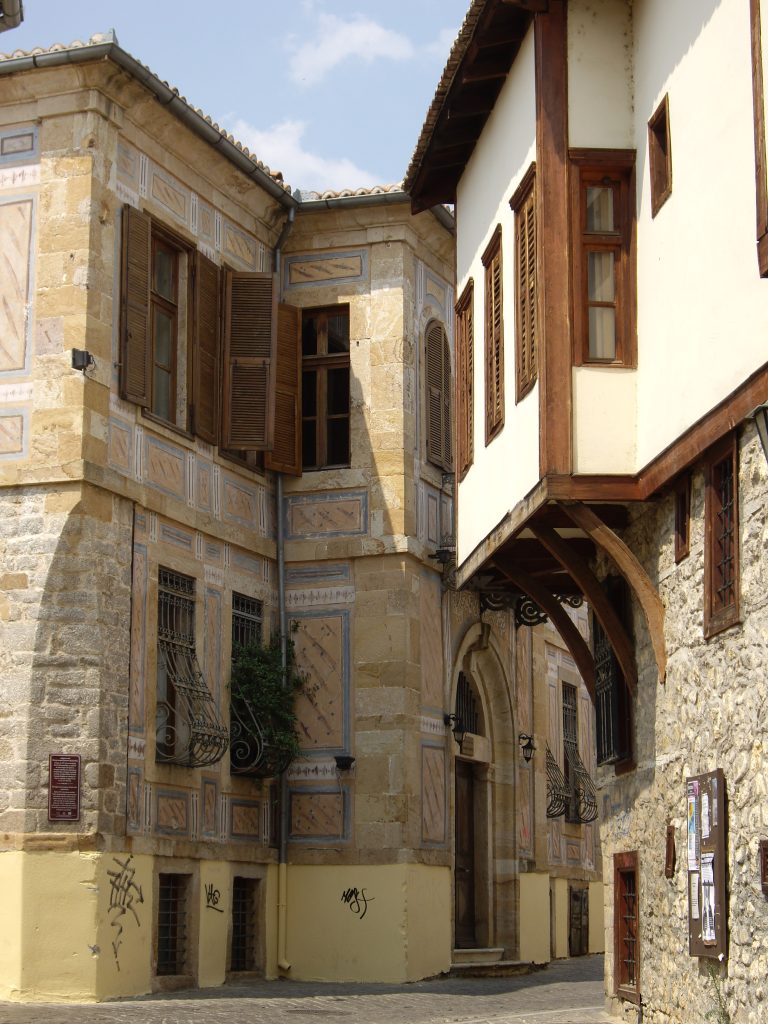
The Old Town of Xanthi is an open-air museum. Unlike many Greek cities that modernized rapidly, Xanthi preserved its historical core.
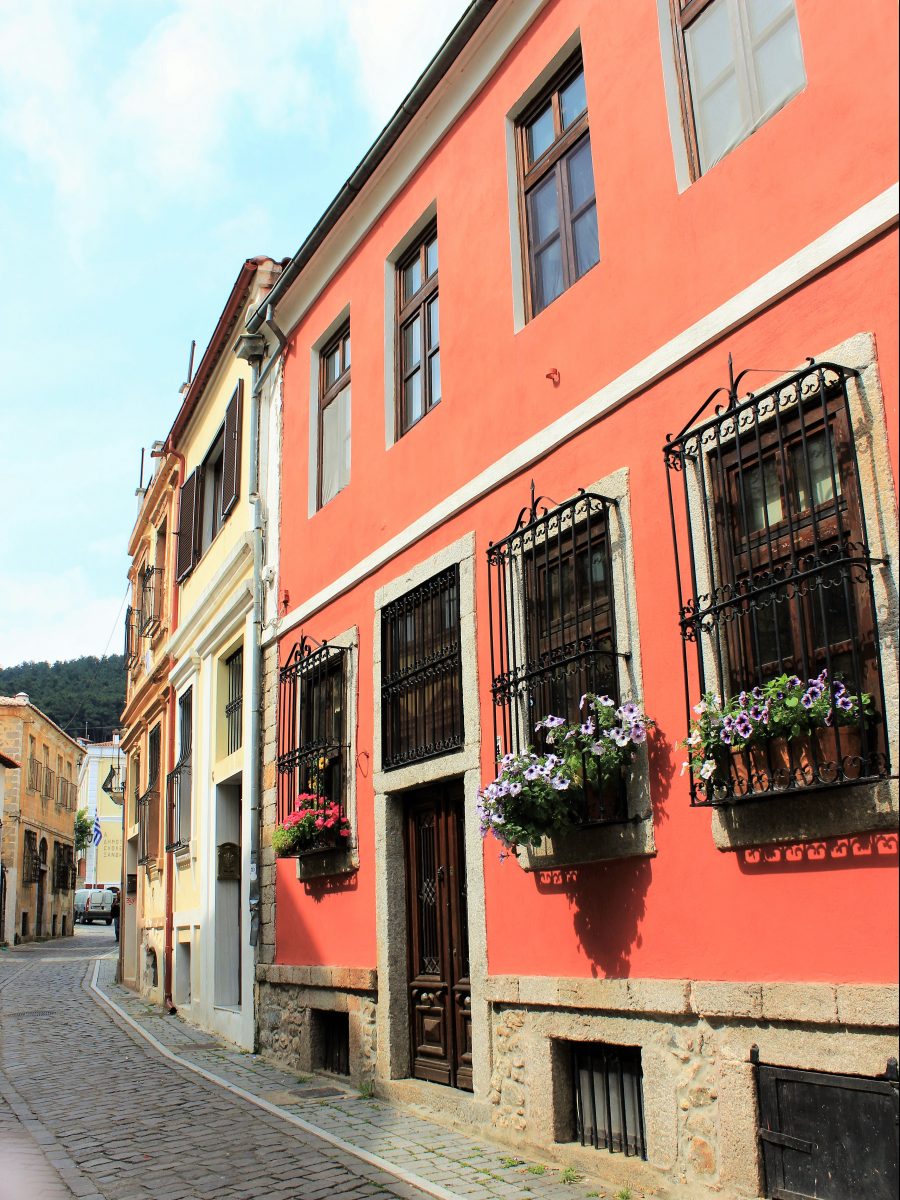
- Tobacco Mansions: Wander the narrow, cobblestone alleys to see the grand homes of 19th-century tobacco merchants. These houses feature vibrant colors, ornate wooden doors, and “sahnisi” (overhanging rooms).
- The Clock Tower: Located in central Democracy Square, this 1859 landmark is the city’s meeting point and a symbol of its Ottoman past.
- Folk and History Museum: Housed in the stunning Kouyoumtzoglou mansion, this museum offers a deep dive into the lives of the wealthy tobacco traders and local traditions.
- Municipal Art Gallery: Visit this restored traditional building to see works by local artists and appreciate the intricate wood-carved ceilings.
Festivals and Events
Xanthi is famous throughout Greece for its vibrant, high-energy celebrations.
- Xanthi Carnival: One of the largest in the country, culminating in a massive parade (usually in late February). The 2026 theme, “Xanthi Reloaded,” brought thousands of people to the streets for music and the traditional “Burning of the Tzaros” by the river.
- Old Town Festival: Held every September, the streets of the Old Town turn into a massive party with live music, theater, and local food stalls.
- The Saturday Bazaar: A sensory explosion. This multicultural open-air market is where you can find everything from local spices and textiles to fresh Thracian produce.
Unique Culture & Hidden Gems
- The House of Shadow: A truly unique gallery by artist Triantafyllos Vaitsis. It features “shadow art” sculptures that look like scrap metal until a light is hit, revealing intricate silhouettes of famous figures on the wall.
- Porto Lagos: A short drive away, you’ll find the Monastery of Agios Nikolaos, which appears to float on the waters of Lake Vistonida, connected only by a long wooden footbridge. It’s one of the most photographed spots in Northern Greece.
Nature & Adventure
- Nestos River Straits: For the active traveler, the Nestos River is a paradise. You can go kayaking or canoeing through the serpentine “Meanders” of the river or hike the “Path of Life” along the banks.
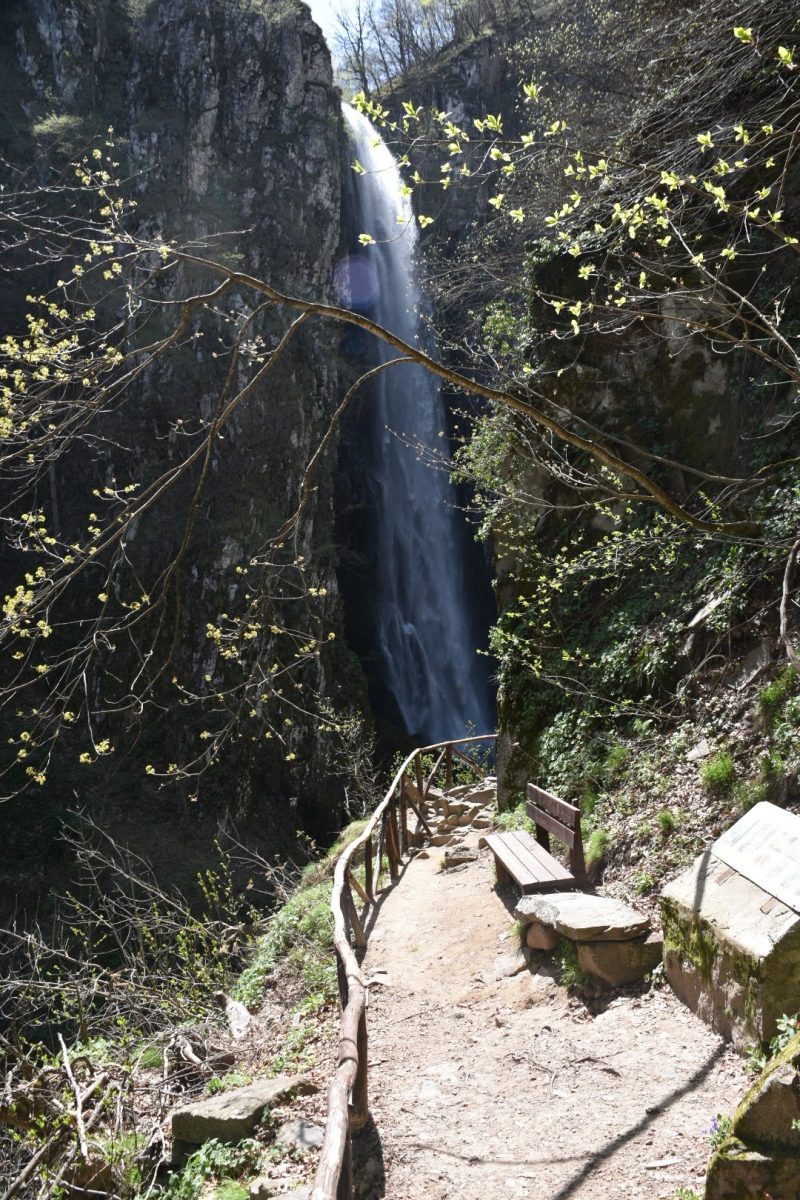
- Livaditis Waterfall: Located in the Rodopi Mountains, this is the highest waterfall in the Balkans (about 40 meters). The hike through the beech forest to get there is breathtaking.
- The Pomakohoria: A cluster of mountain villages inhabited by the Pomaks (a Slavic-speaking Muslim minority). Visiting villages like Echinos or Kottani feels like stepping back in time.
A Taste of Xanthi (The Foodie List)
Xanthi is widely considered the “Sweet Capital of Greece.”
- Kariokas: You cannot leave without trying these. They are crescent-shaped chocolate treats filled with walnuts and sponge cake. The most famous shop for these is Papaparaskevas.
- Syrupy Sweets: Look for Saragli, Seker Pare, and the legendary Kazan Dibi (a caramelized milk pudding).
- Kavourmas: A rich, slow-cooked cured meat that is a staple of Thracian cuisine. It’s often served with eggs or in savory pies.
Bougatsa: For breakfast, head to the local bakeries before noon to grab a fresh cream or cheese-filled pastry.
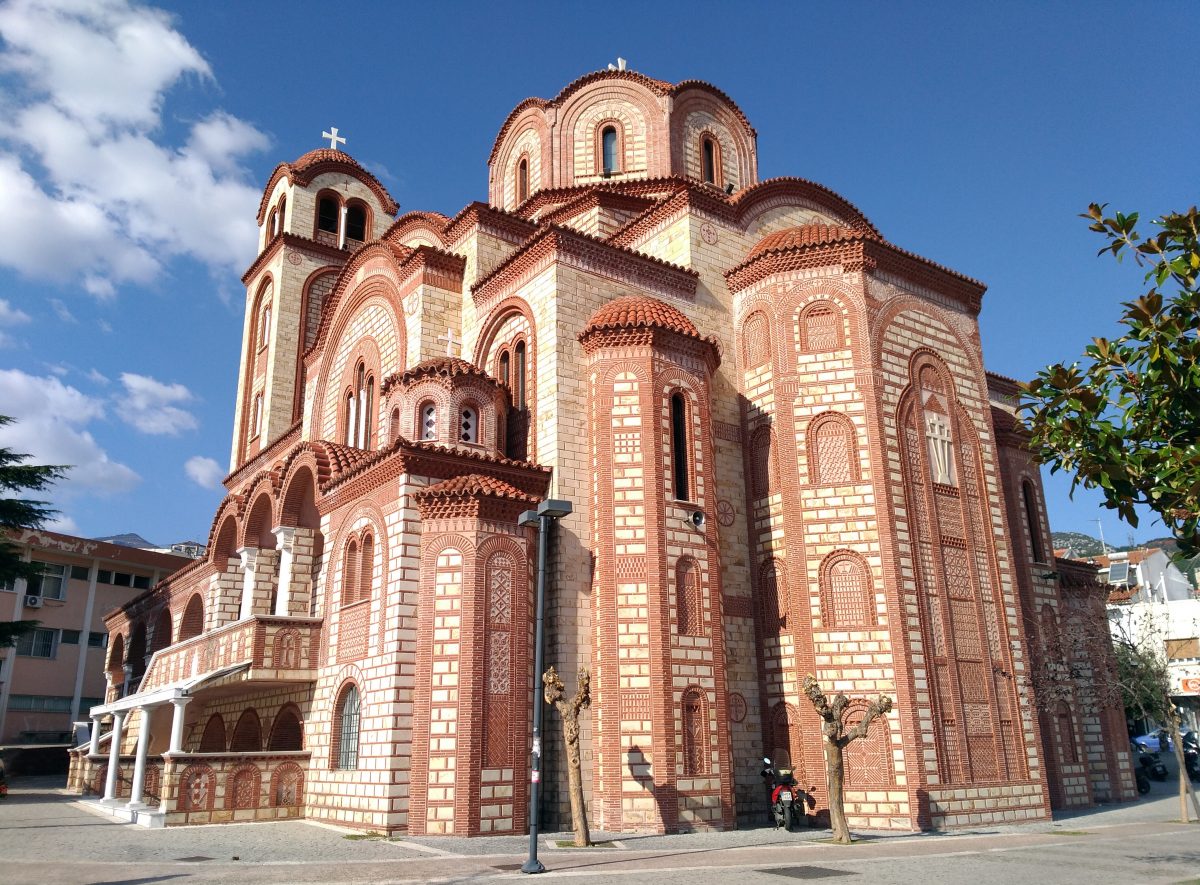
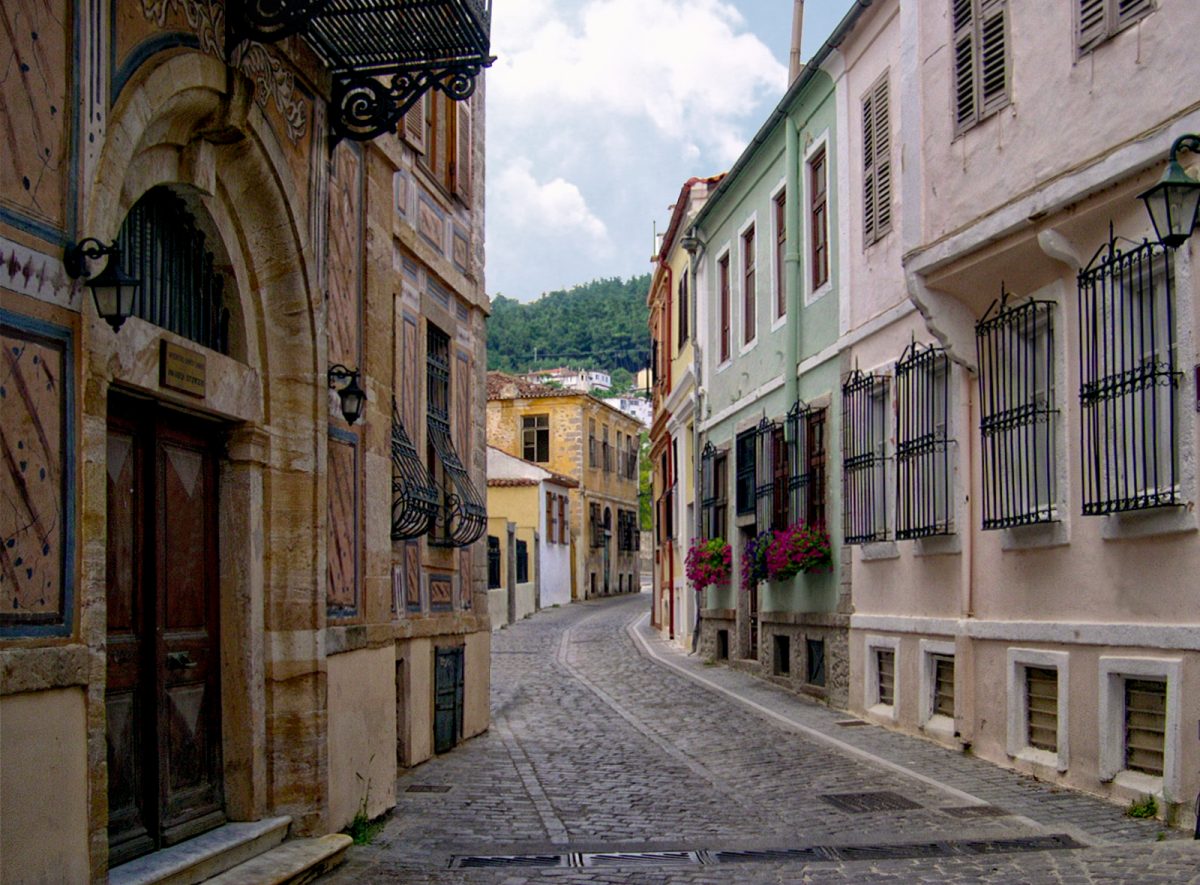
Outside the colorful cobblestones of the Old Town, the Xanthi prefecture unfolds into one of Greece’s most diverse landscapes—ranging from Aegean beaches and ancient ruins to “floating” monasteries and misty mountain villages on the Bulgarian border.
Nature & The Great Outdoors
The natural beauty of Xanthi is dominated by the Nestos River and the Rhodope Mountain range. It is a playground for birdwatchers and adrenaline junkies alike.
- The Nestos Meanders (Straits): Between the villages of Toxotes and Stavroupoli, the river carves spectacular S-curves through steep cliffs.
- Activity: You can hike the stone-built path (originally for railway workers) or take a kayak/canoe trip downstream.
- The “View” (Thea): Drive up to the “Thea” vantage point near Imera for the iconic bird’s-eye view of the river winding like a snake.
- Livaditis Waterfall: Located near the village of Livaditis, this is one of the highest waterfalls in the Balkans (approx. 40m). The hike through the beech forest to reach it is just as stunning as the fall itself.
- Haidou Forest: A designated “Natural Monument,” this virgin forest features century-old beech trees and rare flora. It feels more like Central Europe than the Mediterranean.
The “Border” Experience: Pomakochoria
To the north, tucked into the Rhodope mountains, lie the Pomak villages. These are home to the Pomaks—a Slavic-speaking Muslim minority with a unique, preserved culture.
Village | Highlight |
Echinos | The largest village, known for its distinct architecture and the mix of minarets against the mountain backdrop. |
Thermes | Famous for its natural hot springs. You can visit the public baths or find spots where hot water pours directly into the river. |
Kottani | A very remote village on the border. It is famous for a single, legendary traditional tavern (Kottani Tavern) serving authentic Pomak dishes like Patatnik. |
Medousa | Features a beautiful stone bridge and a very slow, traditional pace of life. |
Coastal & Spiritual Landmarks
The southern part of the prefecture meets the Thracian Sea, offering a completely different atmosphere of lagoons and ancient history.
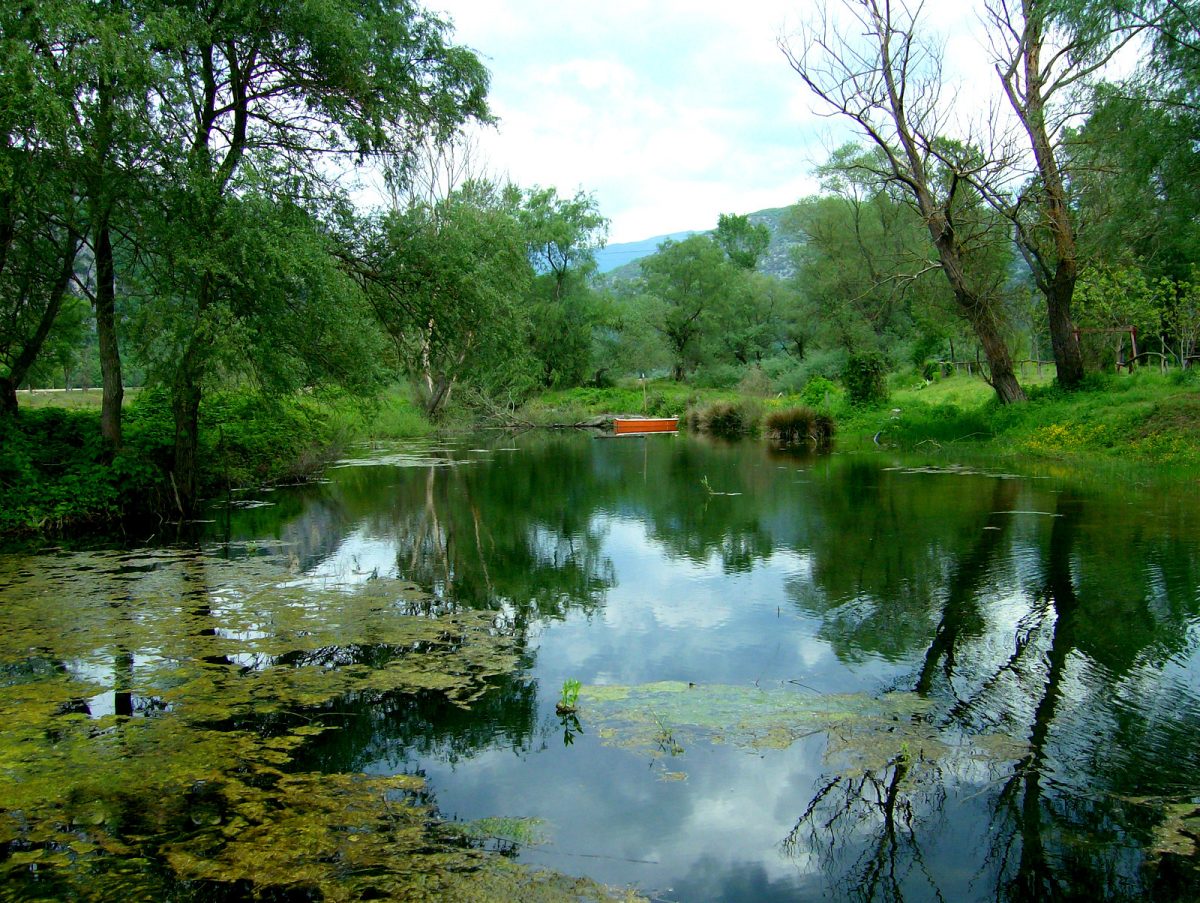
- Porto Lagos & Lake Vistonida: This is where the lake meets the sea. It is a world-class birdwatching site (flamingos are common).
- Monastery of Agios Nikolaos: A “floating” monastery built on two small islands in the lagoon, connected to the mainland by long wooden bridges. It is a dependency of Mount Athos and incredibly photogenic.
- Ancient Abdera (Avdira): The birthplace of philosophers Democritus and Protagoras. You can visit the archaeological site near the coast and the excellent Archaeological Museum of Abdera in the modern village.
Stavroupoli & The Nestos Train
Stavroupoli serves as the hub for the mountainous part of the prefecture.
- The Nestos Train: One of the most scenic railway routes in Europe. The train passes through dozens of tunnels and right along the riverbanks. (Note: Check current schedules as service can be intermittent).
- Macedonian Tomb of Stavroupoli: One of the best-preserved and largest Macedonian tombs in Thrace, dating back to the 2nd century BC.
Summary Checklist for your Trip:
- [ ] Best Photo Op: The “Thea” viewpoint over the Nestos Meanders.
- [ ] Unique Taste: Kavourmas (cured meat) or Patatnik in the Pomak villages.
- [ ] Best Walk: The riverside path from Galani to Livera.
- [ ] Relaxation: The thermal baths in Thermes.


Rodopi

Rodopi (or Rhodope) is one of Greece’s most culturally distinct regions, tucked away in the northeast corner of Thrace. It’s a place where East truly meets West, characterized by the rugged Rhodope Mountains, vast wetlands, and a unique blend of Christian and Muslim traditions.
Here is your guide to the highlights of the Rodopi prefecture.
Cultural & Urban Highlights
Komotini (The Capital)
The heart of the region is a vibrant, multi-cultural student city. It’s famous for the smell of freshly roasted chickpeas (stragalia) and gourmet coffee wafting through the streets.
- The Old Town: A maze of narrow streets where traditional Ottoman-era architecture sits alongside Byzantine ruins.
- The Yenidje Mosque: A beautiful example of Ottoman architecture dating back to the 14th century.
- Archaeological Museum: Small but punchy, featuring the famous golden bust of Septimius Severus.
- Spatharis Square: The central hub, perfect for people-watching while sipping a slow-dripped Greek coffee.
Maroneia (Ancient & Modern)
Located on the coast, this area combines history with stunning views of the Aegean.
- Ancient Theater of Maroneia: A remarkably well-preserved site overlooking the sea.
- Maronian Wine: Mentioned by Homer in the Odyssey, the local wine is still a point of pride today.
- Cyclops Cave: A massive sea cave linked by local lore to the story of Polyphemus.
Natural Wonders
Lake Vistonida & Porto Lagos
Straddling the border of Rodopi and Xanthi, this is one of Greece’s most important wetlands.
- Birdwatching: A paradise for spotting flamingos, herons, and rare pygmy cormorants.
- Agios Nikolaos Monastery: A stunning white monastery built on a wooden bridge over the water—one of the most photographed spots in Thrace.
The Rhodope Mountain Range
The “Green Spine” of the region offers endless opportunities for hiking and off-road exploration.
- Nympharia Forest: A lush forest filled with oaks and planes, perfect for eco-tourism.
- Papiros Mountain: Great for more serious hikers looking for panoramic views of the Thracian Sea and the island of Samothrace.
🏖️ Coastal Escapes
While not as famous as the islands, Rodopi has some hidden gems along the coastline:
- Fanari Beach: A Blue Flag beach popular with families and locals, known for its shallow, crystal-clear waters.
- Arogi: A long, sandy stretch with beach bars and a lively summer vibe.
- Mesti: A quaint village nearby known for its traditional stone houses and olive groves.
🍴 Flavors of Rodopi
You cannot visit Rodopi without indulging in its unique “East-meets-West” cuisine:
- Soutzoukakia: Spiced, elongated meatballs often served with yogurt or tomato sauce.
- Pastourmas: Air-dried, seasoned beef that is a staple of the local deli scene.
- Syrupy Desserts: Try the saragli (rolled baklava) or hanoum bourek (custard-filled pastry).
- Roasted Chickpeas: Known as stragalia, these are the city’s signature snack.
Tip for Travelers: Rodopi is best explored by car. The drive from the mountains down to the sea takes less than an hour, allowing you to experience two completely different ecosystems in a single afternoon.
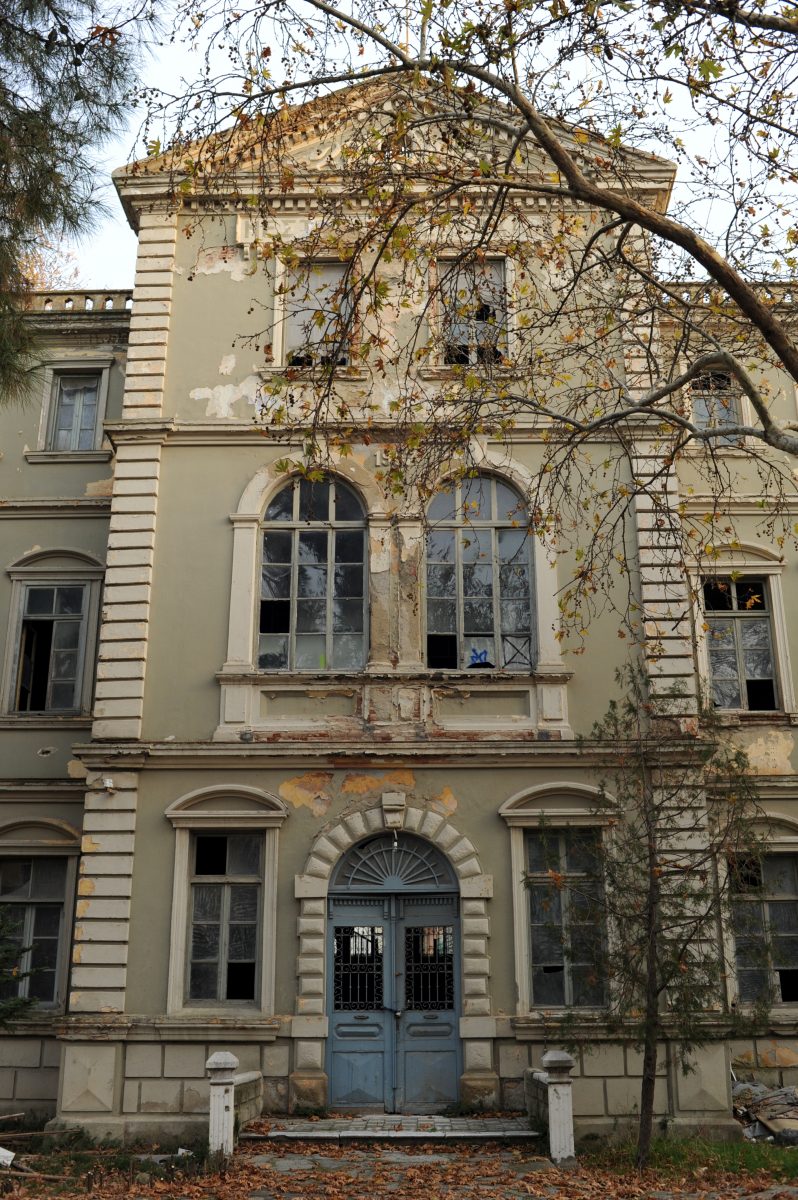

City of Komotini
Komotini is one of Greece’s best-kept secrets—a place where the smells of freshly roasted chickpeas and Balkan coffee collide. It’s a city that doesn’t just “have” history; it lives in it every day. As the capital of Thrace, it’s a vibrant student hub (thanks to the Democritus University) with a multicultural soul that feels like a bridge between East and West.
Here is your essential guide to the highlights of Komotini.
The Iconic Landmarks
- The Sword (Spathi): This 15-meter-high WWII memorial is the city’s undisputed meeting point. If you’re meeting a local, they’ll almost certainly say, “See you at the Sword.”
- The Clock Tower & Yeni Mosque: Standing side-by-side, these represent the heart of the Ottoman legacy. The Clock Tower offers a great vertical contrast to the elegant minaret of the “New Mosque” (built in the 1600s).
- The Byzantine Walls: Tucked away near the central square, these 4th-century ruins (attributed to Emperor Theodosius) are a quiet reminder of the city’s ancient fortress roots.
- The Old Market (Pazari): A labyrinth of narrow streets where you’ll find traditional tin-smiths, cobblers, and shops selling everything from spices to handmade prayer beads. It’s the most atmospheric part of the city.
- Tsanakleios School: A stunning, pink Neoclassical mansion that once served as a school and now hosts various municipal functions. It’s arguably the most “Instagrammable” building in town.
Museums for the Curious
- Archaeological Museum: Small but mighty. It houses the famous golden bust of Septimius Severus and artifacts that trace the region’s history from the Neolithic period to the Byzantine era.
- Folklore Museum: Located in the Peidis Mansion, this museum is a deep dive into Thracian life, featuring intricate traditional costumes and household items that show the daily reality of 18th-century locals.
- The Basketry Museum: One of the few of its kind in Europe, focusing on the traditional basket-weaving art of the Roma community in the region.
- Constantine Carathéodory Museum: Dedicated to the world-renowned mathematician who was a contemporary (and collaborator) of Albert Einstein.
The Foodie Checklist
Komotini is a “gastronomic mosaic.” You don’t just eat here; you embark on a flavor pilgrimage.
- Soutzouk Loukoum: The city’s signature sweet. It’s a long, sausage-shaped delight made from grape must and walnuts. Nedim is the legendary spot to try this.
- Stragalia (Roasted Chickpeas): You’ll smell them before you see them. They come in dozens of flavors—salted, peppery, sugar-coated, or even clove-scented.
- Bougatsa: For breakfast, head to Takis. The cream-filled pastry here is a local religion.
- Tahini & Coffee: The local tahini is incredibly rich, often paired with the thick, slow-roasted Greek (or Turkish) coffee that the city is famous for.
- Tzigerosarmas: A traditional Thracian dish of liver and rice wrapped in caul fat. It’s bold, savory, and very local.
Nature & Quick Escapes
- Nymfaia Forest: Just 6km north of the city, this is the “green lung” of Komotini. It’s perfect for a hike, and the view from the Nymfaia Fort at the top looks all the way to the Bulgarian border.
- Fanari & Arogi Beaches: In the summer, the city empties out toward these beaches (about 25 minutes away). They are wide, sandy, and boast crystal-clear water.
- Porto Lagos: A short drive away, you’ll find the Monastery of Saint Nicholas, which sits on a wooden bridge over the Vistonida lagoon. It’s incredibly peaceful and great for birdwatching.
A Few Local Tips
- Walk everywhere: The city center is largely pedestrianized and very flat, making it ideal for wandering without a plan.
- Student Vibe: Because of the university, the nightlife at Platia Irinis (Peace Square) stays lively until the very early hours, even on weeknights.
- Bilingualism: You’ll hear both Greek and Turkish spoken in the streets; it’s part of the city’s unique charm.


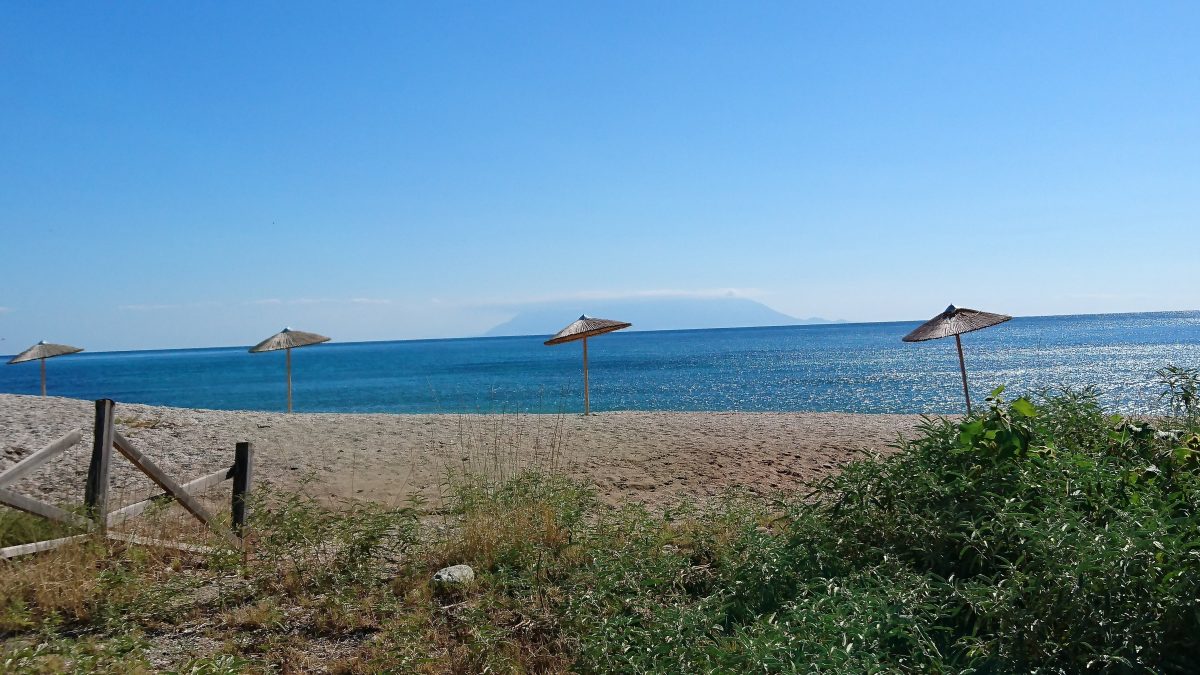

Evros

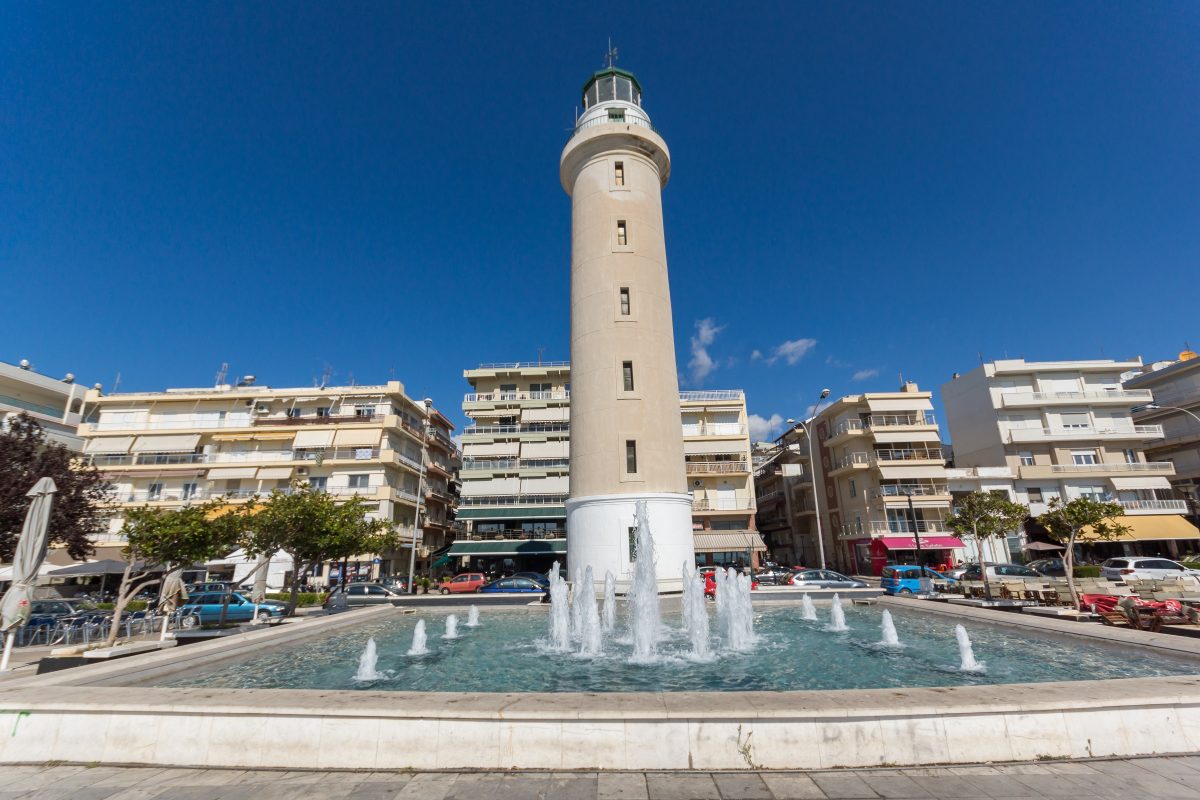
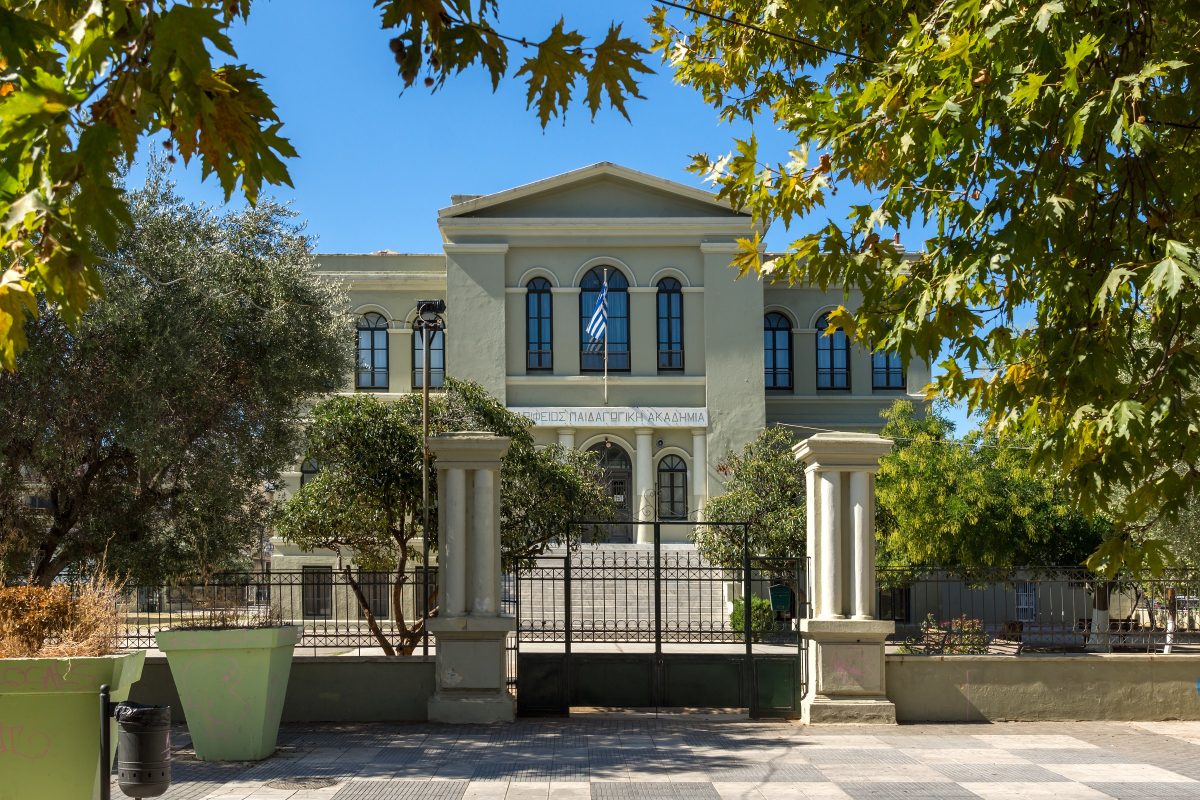
Welcome to Alexandroupolis! Often described as the “Gateway to the East,” this coastal gem in Thrace is where Greek tradition meets a breezy, cosmopolitan energy. It’s a city defined by its lighthouse, its fresh seafood, and its proximity to some of Europe’s most important wetlands.
Here is your essential guide to the city’s highlights.
🏛️ Iconic Landmarks & Culture
- The Lighthouse of Alexandroupolis: Standing 18 meters tall on the promenade, this is the city’s undisputed symbol. Built in 1880, it still guides ships today. It’s the meeting point for locals and the perfect starting spot for a sunset walk.
- Ethnological Museum of Thrace: Housed in a beautiful 19th-century neoclassical building, this museum is a deep dive into Thracian folk culture. You’ll find everything from traditional costumes to tools for sesame oil and silk production.
- Archaeological Museum of Alexandroupolis: A modern space showcasing the region’s history from the Neolithic period to Roman times. Don’t miss the findings from the ancient city of Zone and the burial mounds of the Evros plain.
- Ecclesiastical Museum: Located in the historic Leontarideios School building next to the Cathedral of St. Nicholas, it houses rare icons and religious treasures dating back to the 16th century.
🌿 Nature & Day Trips
- Evros Delta National Park: One of Europe’s most vital wetlands. You can take a guided boat tour to spot flamingos, wild swans, and rare birds of prey. It’s a surreal landscape where the river meets the Aegean.
- Dadia-Lefkimi-Soufli Forest: About 40 minutes from the city, this national park is famous for being one of the last remaining habitats for rare vultures and eagles in Europe. There are great hiking trails and a dedicated bird-watching observatory.
- The Cave of the Cyclops: Located near the village of Makri, legend says this is where Odysseus blinded the Cyclops Polyphemus. Even if you don’t buy the myth, the views of the sea from the cave are stunning.
- Panagia Kosmosoteira (Feres): A 12th-century Byzantine masterpiece located in the nearby town of Feres. It was built by Emperor Isaac Komnenos and is considered a “miniature” of the Hagia Sophia.
🏖️ Sun & Sea
- Agia Paraskevi (Makri): Probably the most popular beach in the area. It has crystal-clear water, organized beach bars, and some of the best seafood taverns in the region perched just above the sand.
- Red Rocks (Kokkina Vrachia): A more rugged and scenic spot with reddish cliffs and small pebbly coves, perfect if you prefer a less “organized” feel.
- Dikella Beach: A long, sandy stretch further west that offers a mix of lively beach bars and quiet, secluded corners.
- Municipal Beach (EOT): Located right next to the city center, it’s incredibly convenient for a quick dip if you don’t want to drive out of town.
🍴 Food & Local Flavors
- Fresh Seafood: Because of the Thracian Sea’s rich fishing grounds, the seafood here is top-tier. Look for Gialos or Nisiotiko on the waterfront for grilled octopus and fresh “shrimp of the North.”
- Kavourmas: A local delicacy of slow-cooked, preserved meat (usually beef or buffalo) that is incredibly savory. Try it with eggs or in a pie.
- Soufli Silk & Sweets: If you head north to Soufli, pick up some local silk and try amygdalota (almond cookies).
- The Evening Promenade: Between May and September, the coastal road closes to cars in the evening. Join the “vólta” (leisurely stroll) along the waterfront, grab a gelato, and enjoy the sea breeze.
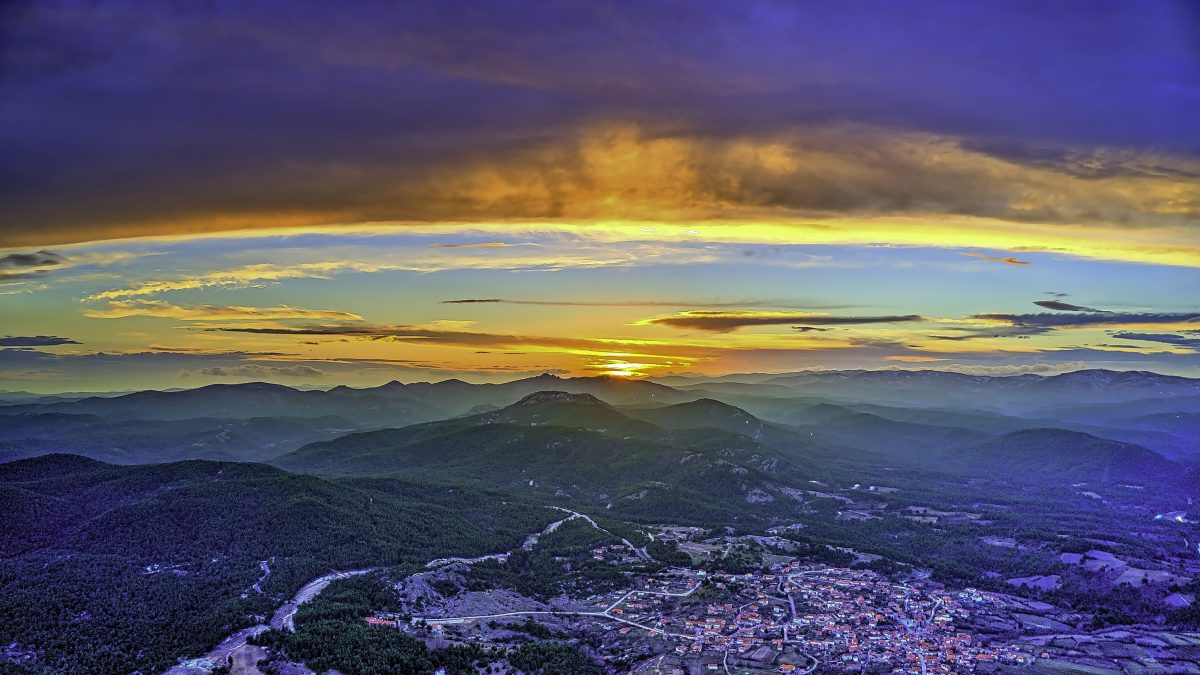
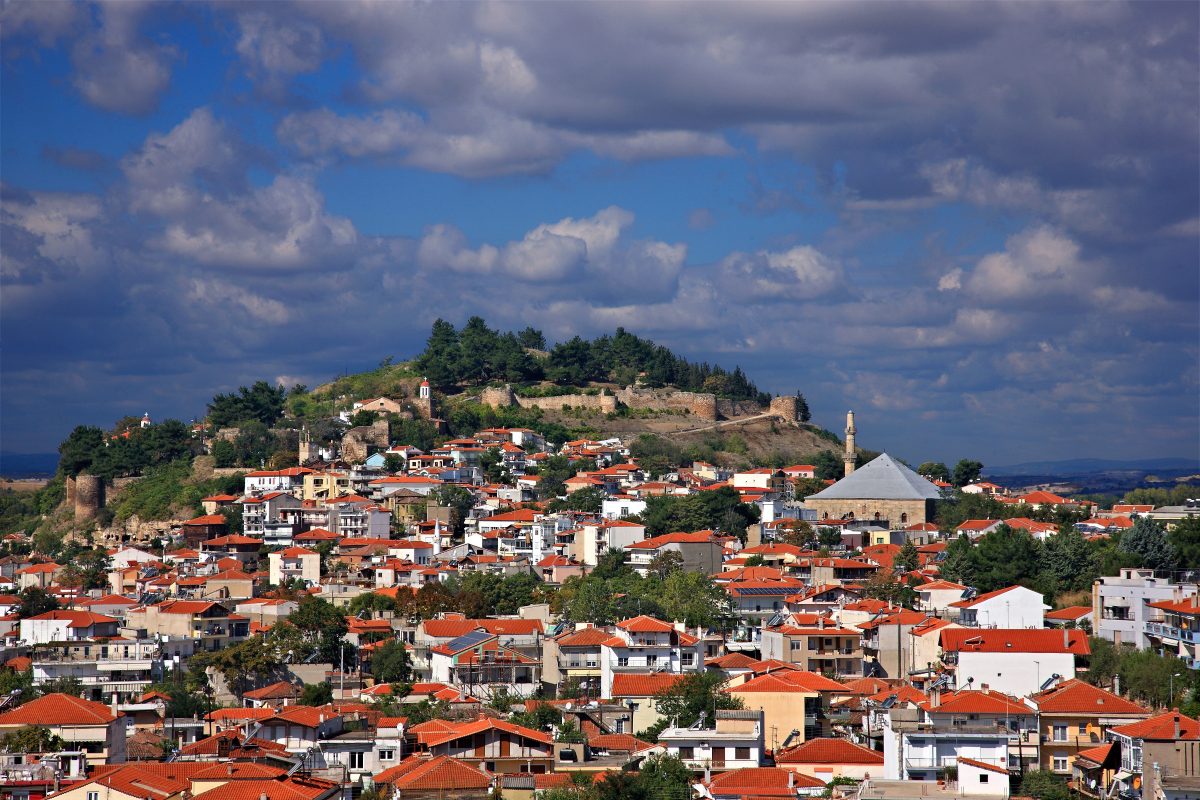
Welcome to Evros, the northeastern gateway of Greece. Positioned at the crossroads of Europe and Asia, this prefecture offers a rugged, authentic beauty far removed from the typical “white-and-blue” island aesthetic. From the silk-weaving traditions of the north to the birdwatcher’s paradise of the Delta, Evros is a place of deep history and wild landscapes.
The Urban Heart: Alexandroupoli
As the capital and main port, Alexandroupoli is a modern, vibrant city that serves as the perfect base for exploring the region.
- The Lighthouse (Faros): The city’s 27-meter-tall symbol. In the evenings, the promenade around it comes alive with locals and travelers enjoying the sea breeze.
- Ethnological Museum of Thrace: One of Greece’s finest private museums. It’s housed in a stunning 1899 neoclassical building and offers a deep dive into Thracian culture, from traditional costumes to copper-smithing.
- Archaeological Museum: A must-visit to see artifacts from the ancient coastal cities of Thrace, including Mesimvria-Zoni.
- The Waterfront: A long, paved walk perfect for sunset, lined with seafood tavernas serving the catch of the day (look for the “Ladokola” style—food served on parchment paper).
Nature & Wildlife Sanctuaries
Evros is a global destination for eco-tourism, home to some of the most significant wetlands and forests in Europe.
- Evros Delta National Park: A vast mosaic of lagoons, marshes, and islets. It is a critical stop for migratory birds. You can take a guided boat tour through the canals to spot flamingos, pelicans, and rare swans.
- Dadia-Lefkimi-Soufli Forest: Famous for being the last refuge of rare birds of prey. The visitor center at Dadia provides binoculars and guided minibus tours to the observatory, where you can see vultures (Black, Griffon, and Egyptian) circling the cliffs.
- Traianoupoli Thermal Baths: Located near the ruins of the Roman city of Traianoupolis, these historic baths (dating back to the 16th century) are still used today for their therapeutic properties.
The Silk Road: Soufli
Nestled in the center of the prefecture, Soufli is the only “Silk City” in Europe, where the tradition of sericulture (silk farming) is still very much alive.
- The Art of Silk Museum: An interactive museum that walks you through the entire process, from the silkworm to the finished fabric.
- The Silk Museum (Piraeus Bank Group): Housed in the beautiful Kourtidis Mansion, focusing on the industrial and social history of the region.
- Tzivre Factory Ruins: The skeletal remains of a massive 19th-century silk factory that hint at the town’s golden era of trade with France and Italy.
Fortresses & History: Didymoteicho & Beyond
Traveling north, the landscape becomes more mountainous and the history more medieval.
- The Castle of Didymoteicho (Kale): An imposing Byzantine fortress sitting atop a hill. You can walk among the ruins of its 24 towers and find hidden rock-cut chapels.
- Çelebi Sultan Mehmet Mosque: Located in the center of Didymoteicho, this is one of the oldest and largest Ottoman mosques on European soil.
- Castle of Pythion: A unique example of late Byzantine architecture, this fortress was built by John VI Kantakouzenos as a personal stronghold and residence.
- Mesimvria-Zoni: An ancient seaside archaeological site where you can walk through the remains of houses, city walls, and a sanctuary of Apollo.
Hidden Gems & The Island
- Samothrace: Though it is an island, it belongs to the Evros prefecture. Accessible via ferry from Alexandroupoli, it is famous for its “Vathres” (natural granite pools and waterfalls) and the Sanctuary of the Great Gods.
- Makri & The Cave of the Cyclops: A picturesque seaside village near Alexandroupoli. Legend says the cave on the hill was the home of Polyphemus, the giant blinded by Odysseus.
- Tychero Petrified Forest: A unique geological monument where you can see fossilized tree trunks dating back millions of years.
Quick Food Guide
- Kavourmas: A rich, slow-cooked meat preserved in its own fat—highly traditional and delicious.
- Thracian Pies: Look for kiko (meat pie) or galatopita (milk pie).
- Ouzo & Tsipouro: The region produces high-quality spirits that pair perfectly with local spicy cheeses.

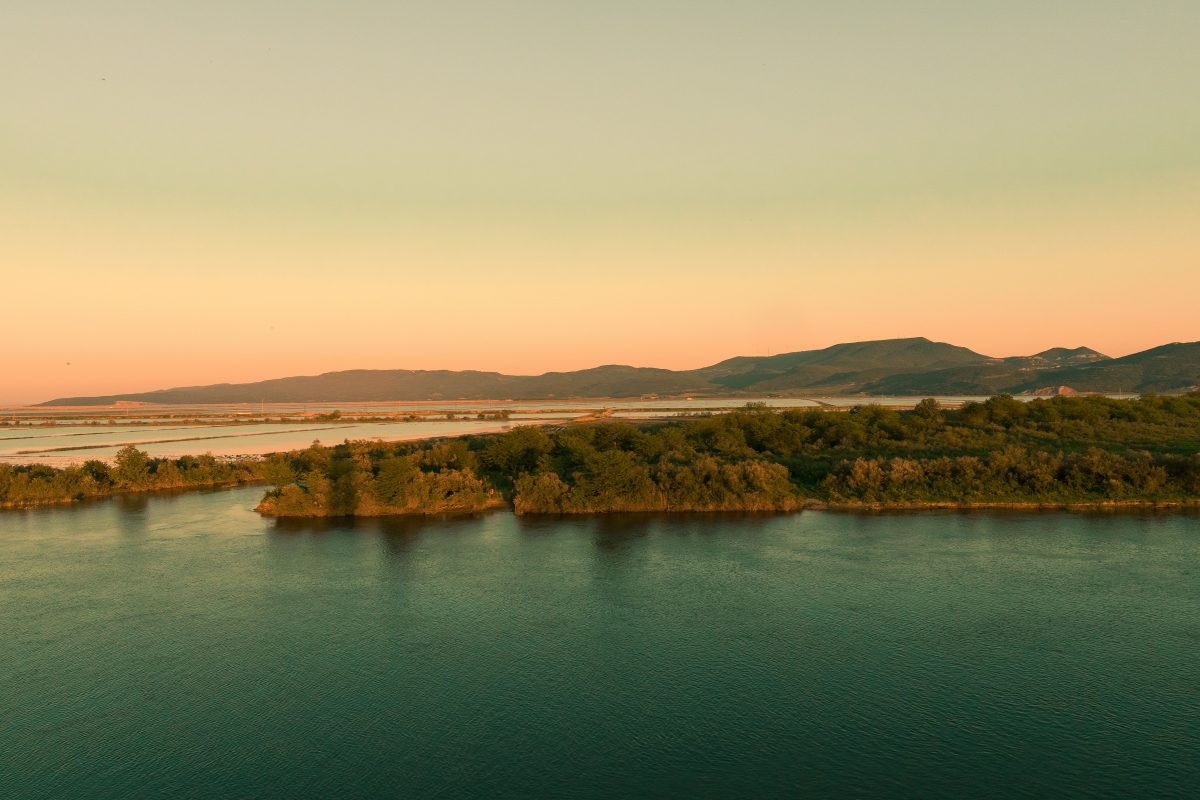
If you are ready for Thrace (Thraki), reach out below