
Land of the Minotaur
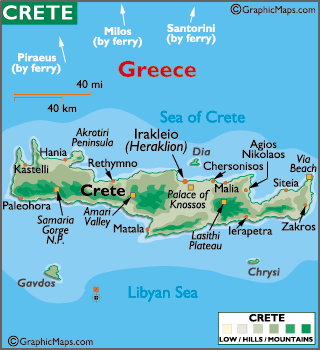
There are four prefectures in Crete: Heraklion, Rethimni, Chania, and Lasithi.
Scroll down to view all or click on a specific prtefecture.
Culturally, Crete is renowned as the “cradle of European civilization,” being the ancient home of the Minoan civilization. The island’s spirit is perhaps best expressed through its world-famous cuisine; recently named the European Region of Gastronomy for 2026, Crete is celebrated for its longevity-boosting diet of extra virgin olive oil, wild mountain greens, and local cheeses. Visitors are consistently met with philoxenia—a fierce and generous hospitality that often includes a shared glass of raki and traditional lyre music.
In autumn, when the gaze of tourists turns away, the island becomes peaceful. The land gives off the aromas of wet soil, while cauldrons fill with raki and wineries open their doors to those who want to get to know the place behind the images. In spring, nature bursts forth: poppies, thyme, almond trees, everything blooms again, with the paths and fields inviting you to wander.
Crete is the largest and most populous of the Greek islands and the fifth largest in the Mediterranean. Often described as a “country on its own” it is a land of dramatic contrasts, ranging from snow-capped mountains and deep gorges to world-class beaches and the ruins of Europe’s oldest civilizations.
History & Heritage
Crete is often cited as the “birthplace of Western Civilization.”
The Minoans: Between 2800 and 1100 BCE, the Minoan civilization flourished here. Their most famous site, the Palace of Knossos, was recently inscribed by UNESCO as a World Heritage Site (2025).
A Cultural Crossroads: Due to its strategic location, the island has been ruled by Romans, Byzantines, Andalusian Arabs, Venetians, and Ottomans. This is most visible in the architecture of the old towns in Chania and Rethymno.
Mythology: In Greek myth, Crete is the birthplace of Zeus (hidden in the Psychro or Ideon caves to escape his father, Cronus) and the setting for the legend of the Minotaur’s Labyrinth.
Geography & Landscape
The island is 260 km long and incredibly mountainous, defined by four main ranges:
The White Mountains (Lefka Ori): Located in the west, these stay snow-covered until late spring.
Samaria Gorge: One of Europe’s longest canyons and a UNESCO Biosphere Reserve, offering a challenging but stunning 16 km hike.
Plateaus & Caves: The Lasithi Plateau is famous for its historical windmills and fertile soil, while the island is home to over 3,000 caves.
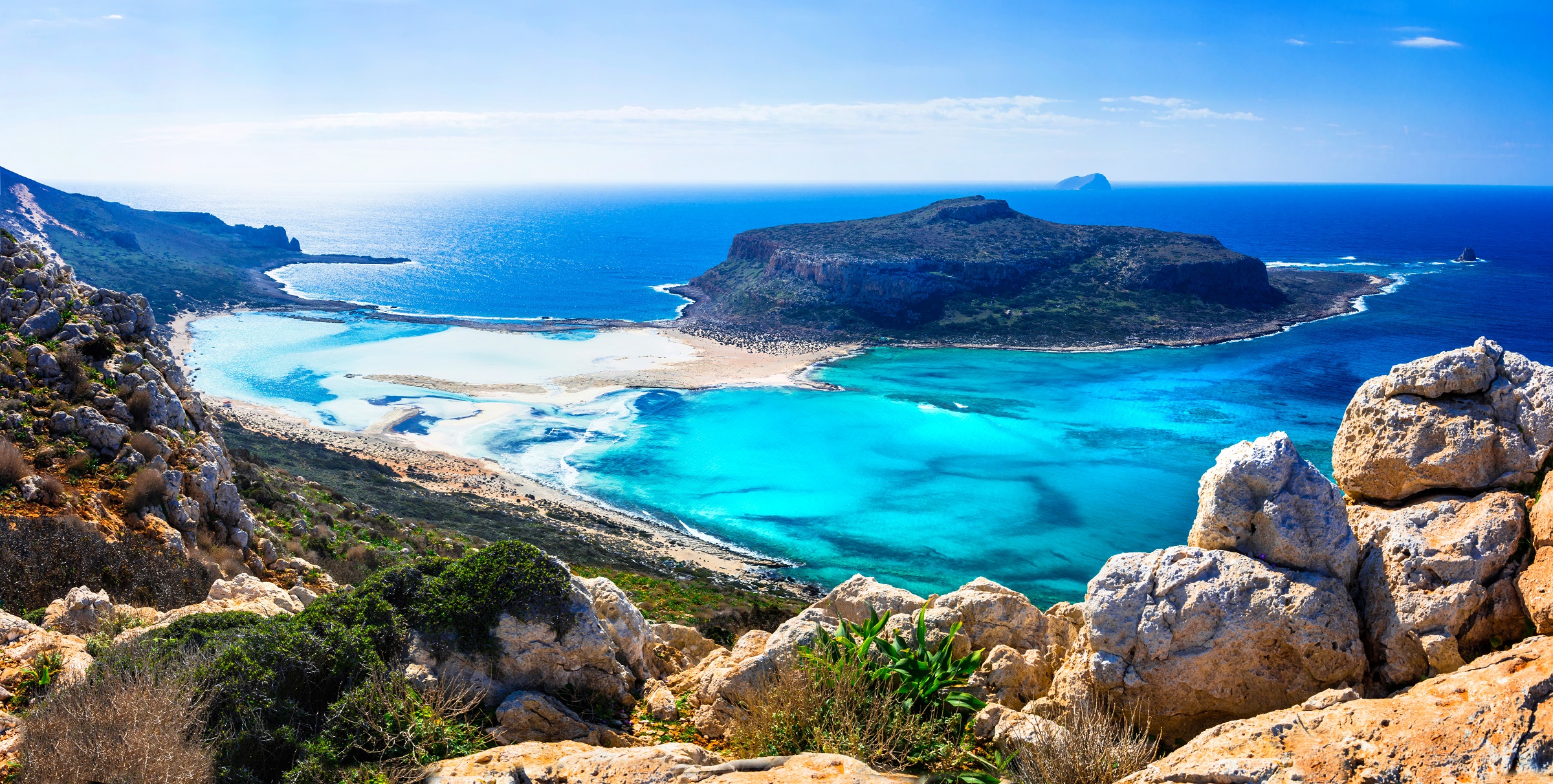
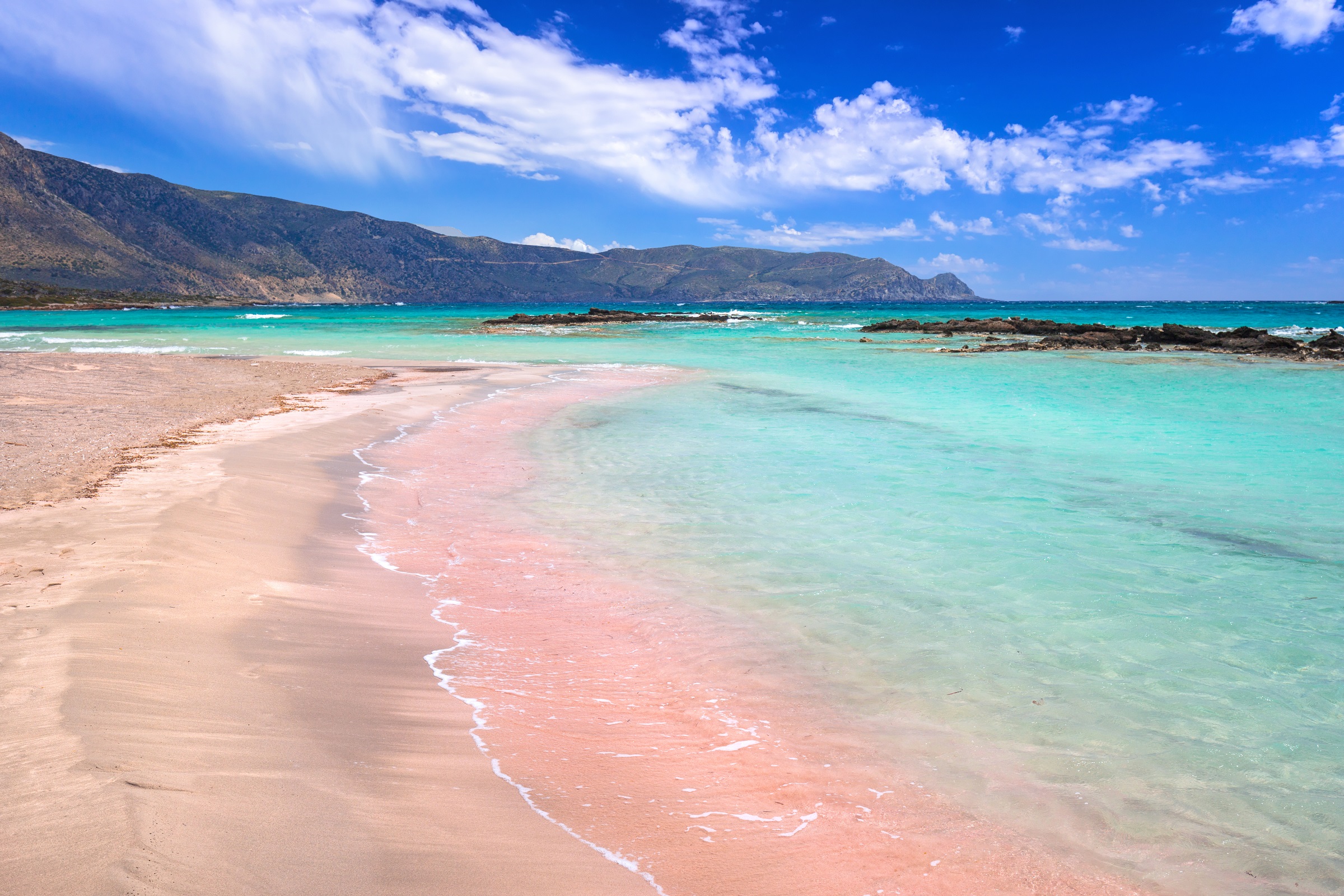
Beaches: Crete features some of the world’s most unique shorelines, including the pink sands of Elafonisi, the lagoon of Balos, and the palm forest beach of Vai.
Culture & Gastronomy
The “Cretan Diet” is internationally renowned for its health benefits and focus on longevity.
Cretan Olive Oil: Often called “liquid gold,” Crete produces some of the finest extra-virgin olive oil in the world.
Traditional Flavors: Key local specialties: Antikristo (Lamb or goat barbeque Cretan way), Dakos (barley rusks with tomato and feta), Kalitsounia (cheese pies), Apaki (cured pork loin), and Staka with eggs ( a Cretan style omelette)
Cheeses: Graviera (Gruyere), Myzithra (comes is many varieties: fresh, sour, and aged), Xygalo (spreadable cheese from Sitia), and Anthogalo (Ccreamy fior de latte).
- The Spirit: No meal in Crete is complete without Raki (or Tsikoudia), a potent grape-based spirit served as a gesture of welcome.
Hospitality (Philoxenia): Locals are known for their fierce independence and immense warmth toward visitors.
Quick Travel Tips
If you plan to visit and travel around Crete as an independent traveler, whether we plan your itinerary or not, we recommend renting a car. Public ttansport is available and reasonable, but you’ll spend a lot of time waiting, transfering, and traveling on a bus.
Hertz, Enterprise, National, Alamo, and other European chains are available on the four large cities, including Heraklion and Chania airport. A vehicle with AWD or 4×4 capabilities is recommended.
Make sure you have an IDP (International Driving Permit) along with your valid state DL.
In the USA, the only two official agencies authorized by the U.S. Department of State to issue IDPs are the American Automobile Association (AAA) and the American Automobile Touring Alliance (AATA).
Heraklion prefecture
Heraklion Prefecture is the heart of Crete, offering a perfect blend of ancient Minoan history, Venetian charm, and rugged natural beauty. Whether you are a history buff, a beach lover, or a fan of traditional village life, there is plenty to explore.
Historical Landmarks
Palace of Knossos: Located just 5km from Heraklion city, this is the most famous Minoan site in the world. It is the legendary home of King Minos and the Labyrinth of the Minotaur.
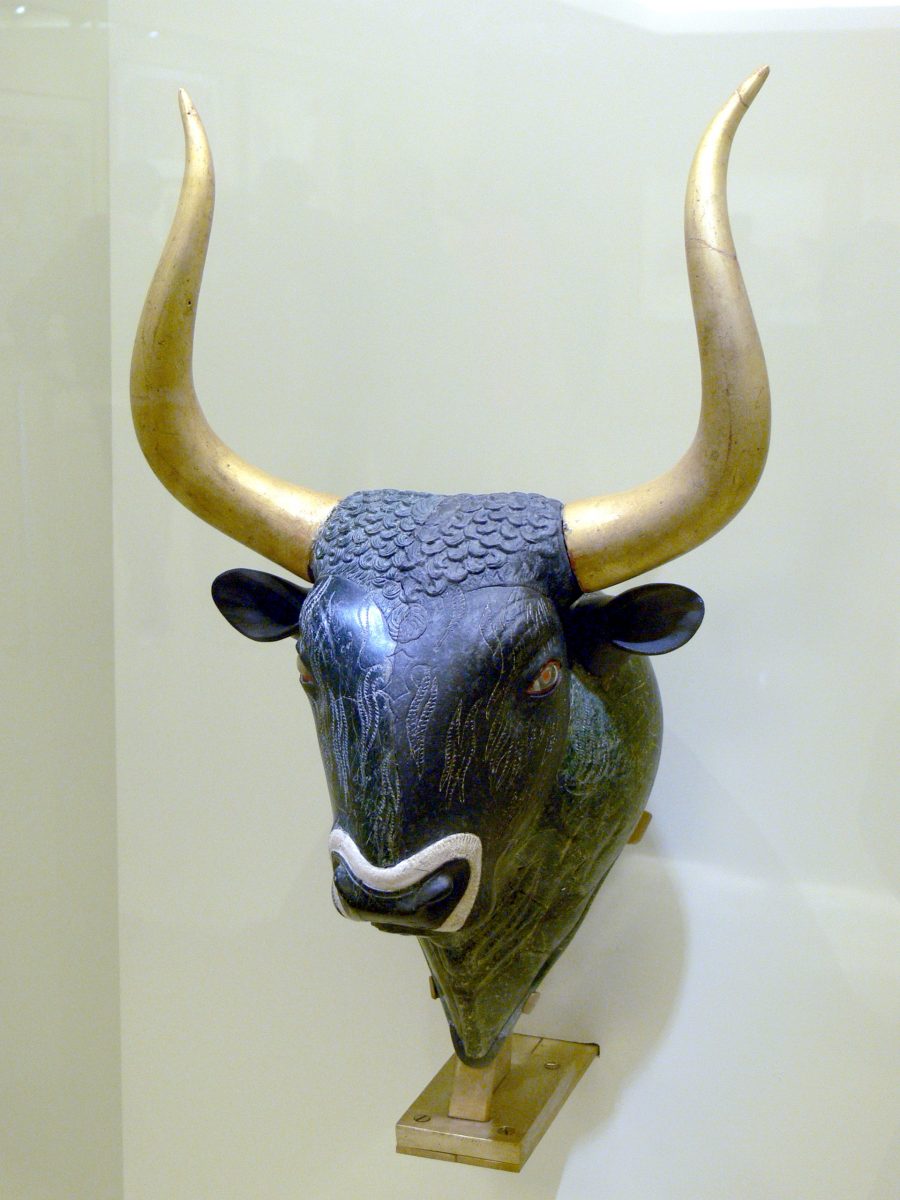
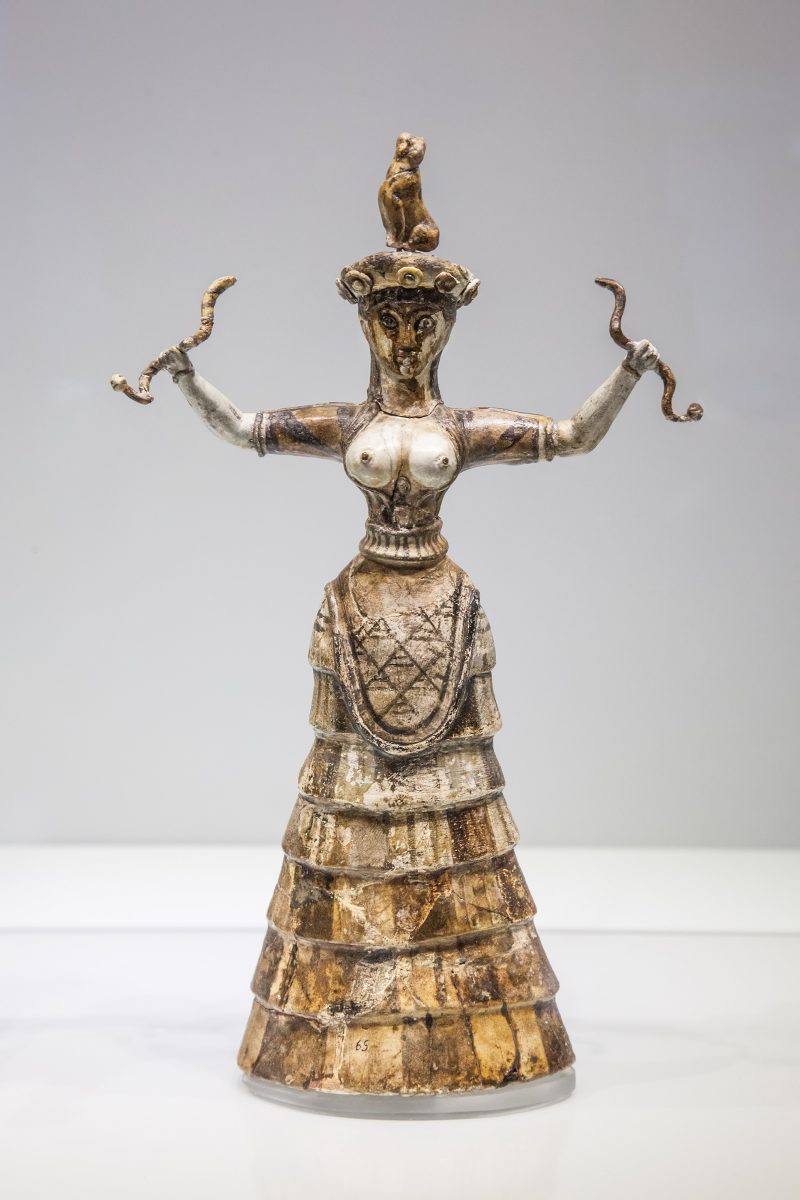
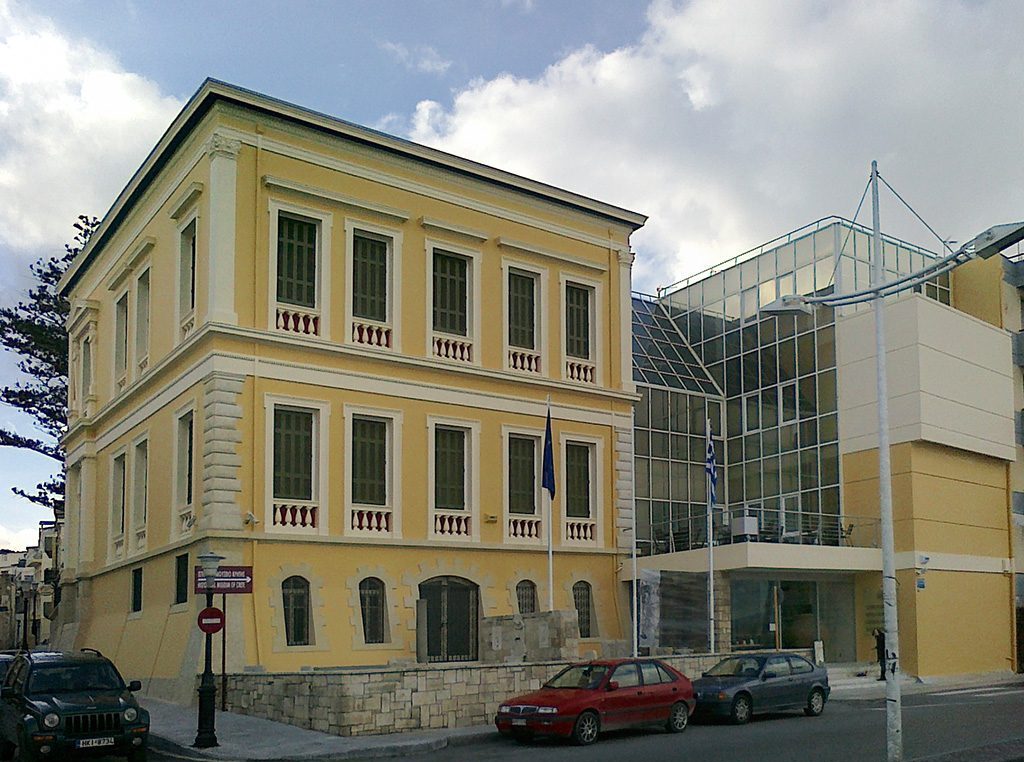
Heraklion Archaeological Museum: Widely considered one of the best in Europe, it houses the original frescoes and artifacts found at Knossos and other Minoan palaces.
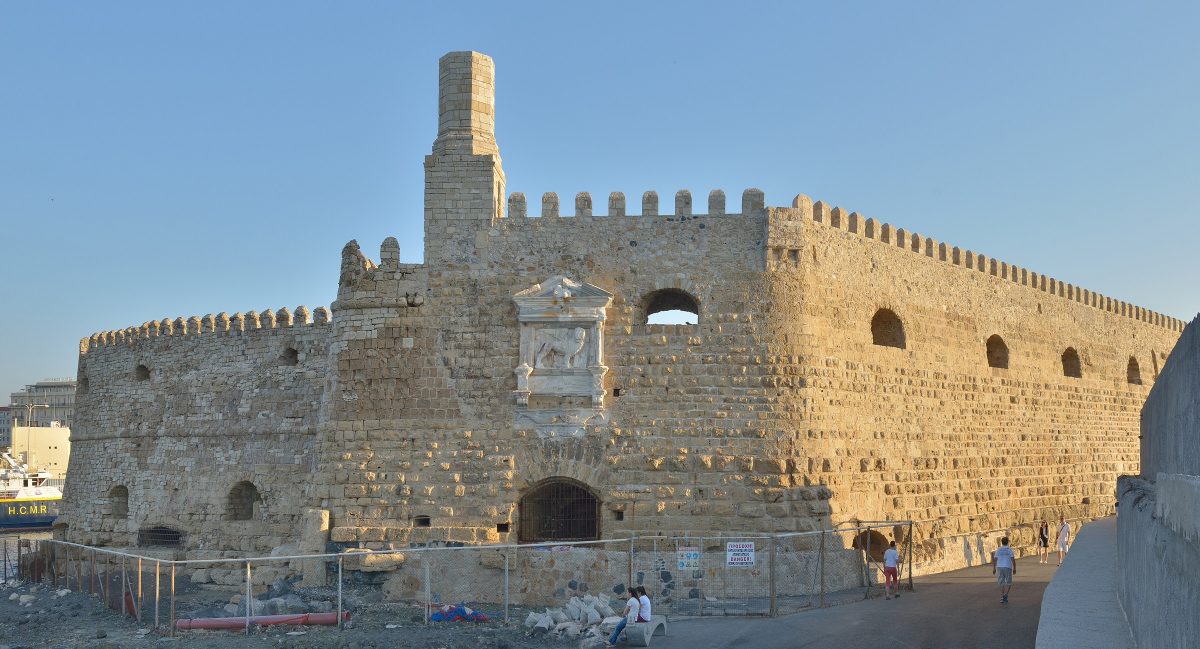
Koules Fortress (Rocca a Mare): A 16th-century Venetian fortress guarding the entrance to the Old Port. You can walk along the harbor walls for a fantastic view of the sea.
Phaistos Minoan Palace: Located in the south, this site offers stunning views of the Messara Plain and is where the mysterious Phaistos Disc was discovered.
Ancient Gortyn: Once the Roman capital of Crete, this site features the famous Law Code of Gortyn, carved into a stone wall that still stands today.
Scenic Villages & Nature
Matala: Famous for its hand-carved Neolithic caves and its 1960s hippie history, this seaside village has a unique “retro” vibe and a beautiful beach.
Kapetania: a beautiful settlement in the heart of Asterousia, offers a unique experience. Built on a natural “balcony” overlooking the Libyan Sea and Kofinas mountain peak, it has a history that dates back to the Minoan years.
Archanes: A colorful, award-winning traditional village known for its restored neoclassical houses, local wine, and proximity to the sacred Mount Juktas.
Mount Ida (Psiloritis): The highest peak in Crete. Hikers can visit the Ideon Andron cave, one of the legendary birthplaces of Zeus.
- Zaros: Famous for its rich waters, its name means “the place where many waters flow.” Modern life revolves around water, with bottling plants and trout farms. Visitors can enjoy the Gafari Gorge, the Rouvas Forest and the picturesque Lake Votomos. The area also offers a rich religious tradition with numerous monasteries and churches.
Beaches
Agia Pelagia: A beautiful seaside resort town with crystal-clear turquoise bays, perfect for snorkeling and relaxation.
Matala: In the famous Matala, a beach has become famous thanks to the impressive red rocks that surround it. All the locals call it the “Red Beach” and it is ideal for those who want to get a taste of the fascinating past of the area, when Matala was the perfect refuge for the hippies of the 1960s and 1970s, amidst an irresistibly beautiful natural landscape.
Lentas: A small paradise for those seeking a few moments of relaxation and tranquility in the heart of Cretan nature, the small beach of Lentas is known for its special geomorphology and its crystal blue waters. Located in one of the most remote spots of the Heraklion prefecture, it is ideal for those seeking solitude away from the crowds.
Amnisos: Known for its sandy coast and its historical importance, due to the archaeological sites that you can visit nearby, Amnissos beach is strongly connected to Crete’s Minoan past, while it is an excellent choice for families thanks to its easy access and the tourist amenities it offers.
Gorges
Agiofarago Gorge: Located south of the Odigitria Monastery, this is arguably the most famous gorge in the prefecture. It is called the “Holy Gorge” because it was a retreat for hermits for centuries. After an easy, flat 30–40 minute walk through towering limestone cliffs filled with caves, the trail ends at a stunning, secluded pebble beach with crystal-clear water. The 14th-century Church of Saint Anthony and the Goumenospilios cave where hermits used to gather.
Karteros Gorge System: Located just 15–20 km from Heraklion city, these twin gorges (Astrakiano & Kounaviano) are part of a lush ecological park. The trails are well-marked and relatively flat, filled with plane trees, ivy, and running water even in late spring. The Neraidospilios (Fairy Cave) in the Astrakiano section, which according to local legend, was home to fairies.
Rouvas (Gafaris) Gorge: Starting from the beautiful Lake Zaros, this gorge offers a completely different landscape, feeling more like Central Europe than a Mediterranean island. A moderate to demanding uphill hike (about 2.5 hours one way) that takes you through one of the largest kermes oak forests in Europe. The Reward: The Agios Ioannis clearing, a lush plateau with springs, picnic tables, and a small chapel.
Aposelemis Gorge: Situated near Hersonissos and the village of Agriana, this is an excellent choice for those staying on the north coast who want a shorter, geological adventure. A relatively easy 2-hour walk through a dry riverbed. The gorge features massive vertical walls (up to 200m) and is home to many birds of prey. The “Xerokamares,” an old stone bridge near the southern entrance.
City of Heraklion
Heraklion is the biggest city on the island of Crete, with amazing buildings and museums. During the Venetian republic era it was called Candia, and it’s home of the Minoan civilization at nearby Knossos.
Hightlights & Gems
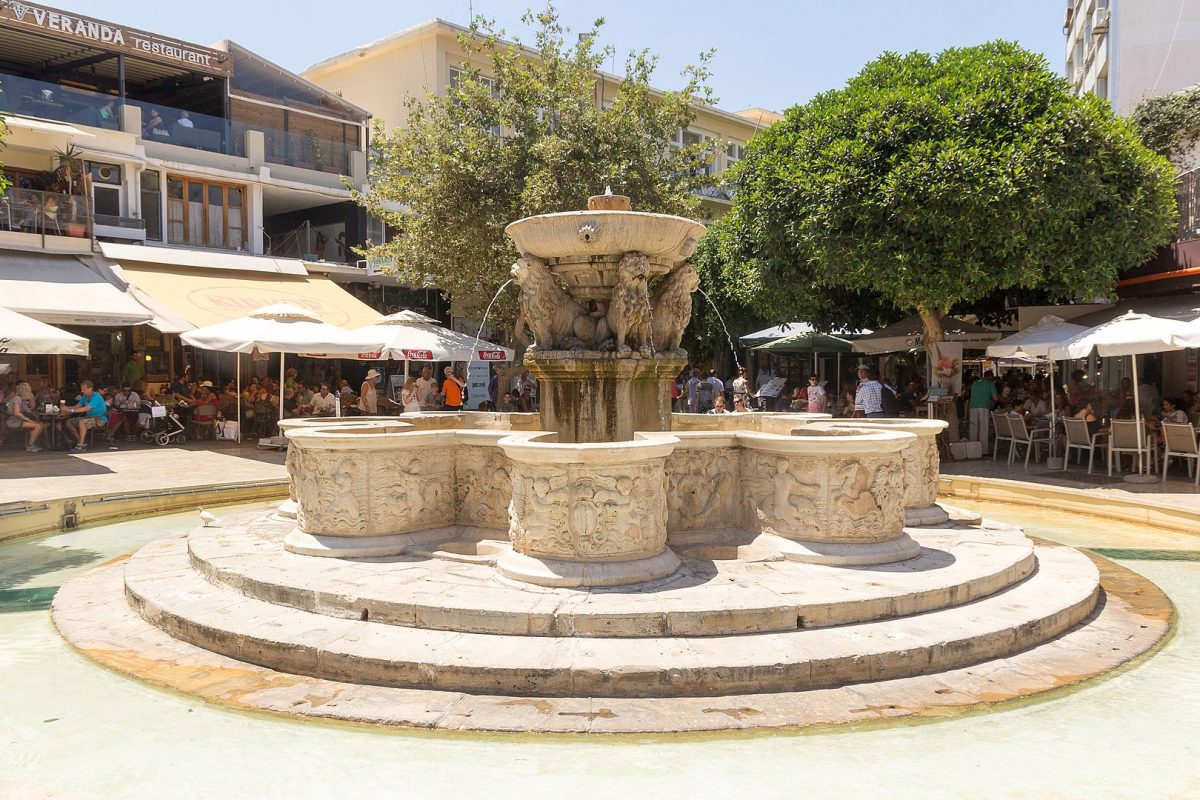
Morosini (Lions) Fountain: The central meeting point of Heraklion city, surrounded by bustling cafes and bakeries.
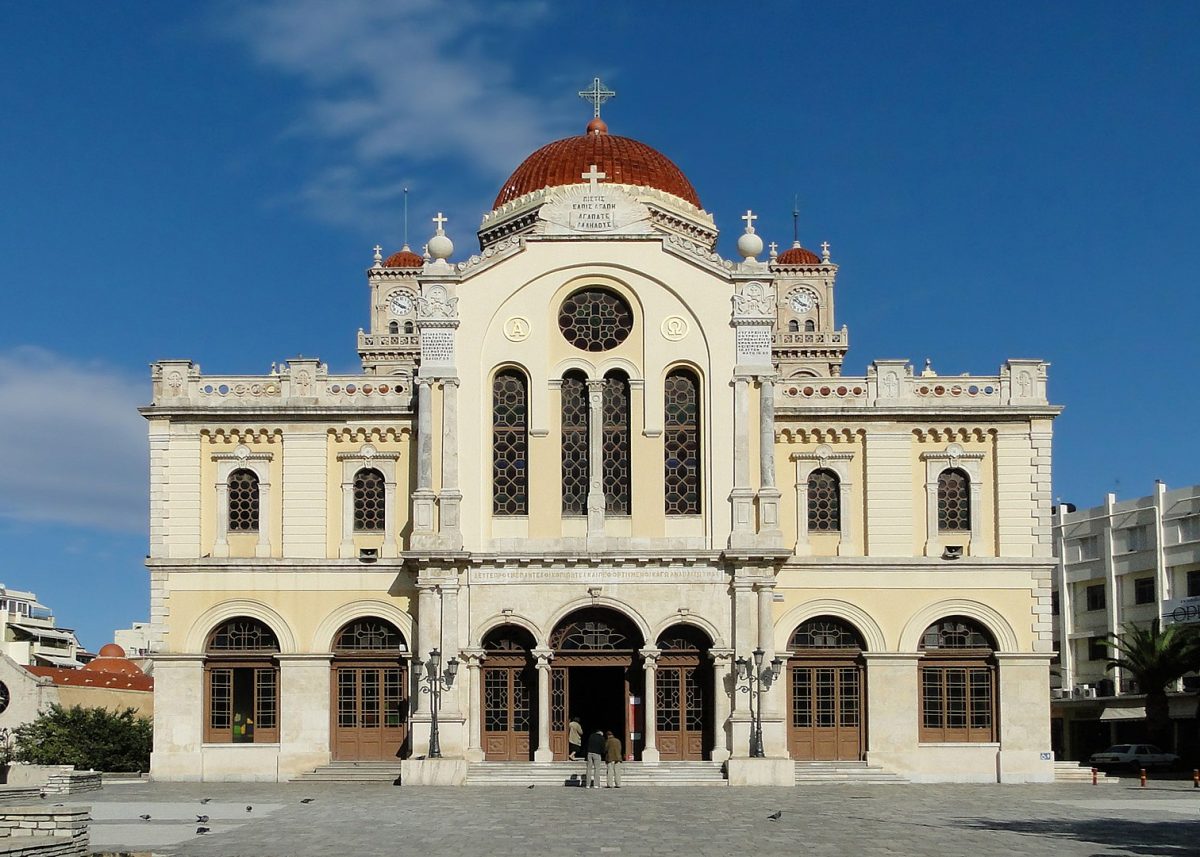
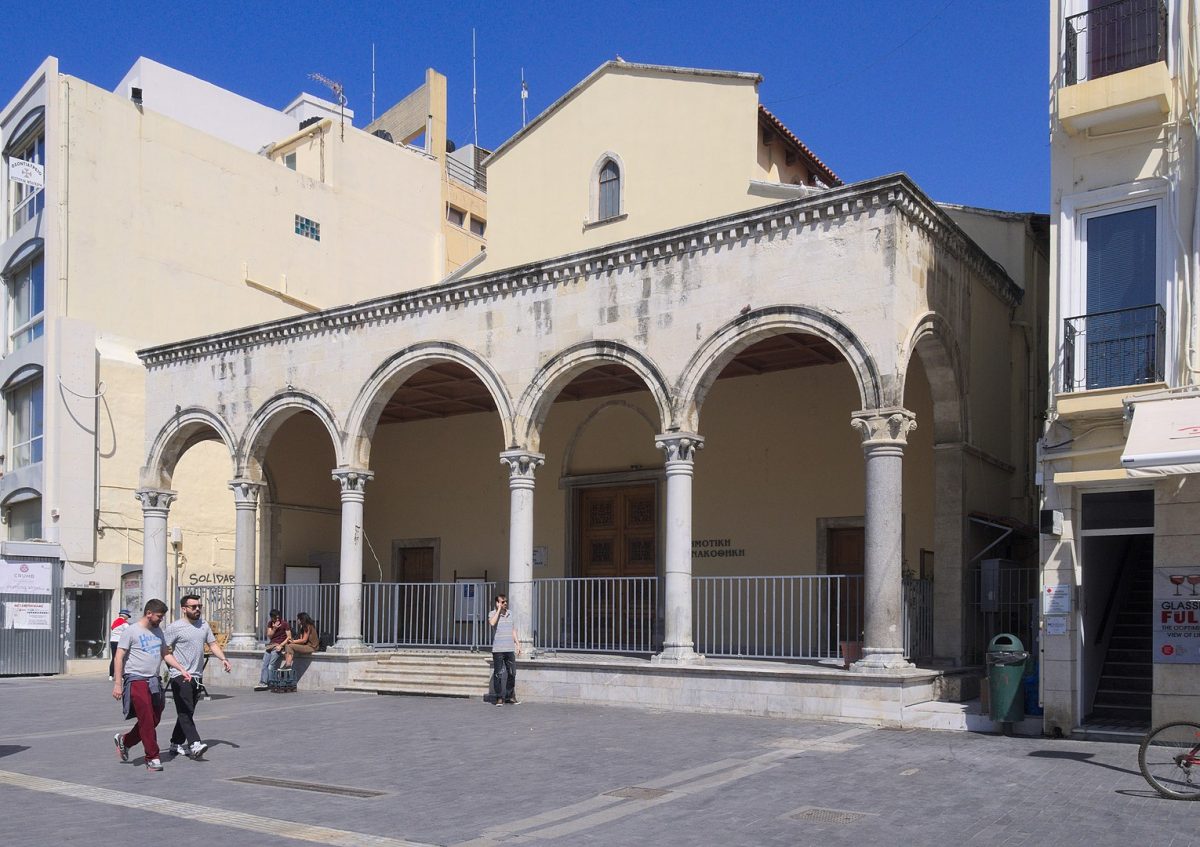
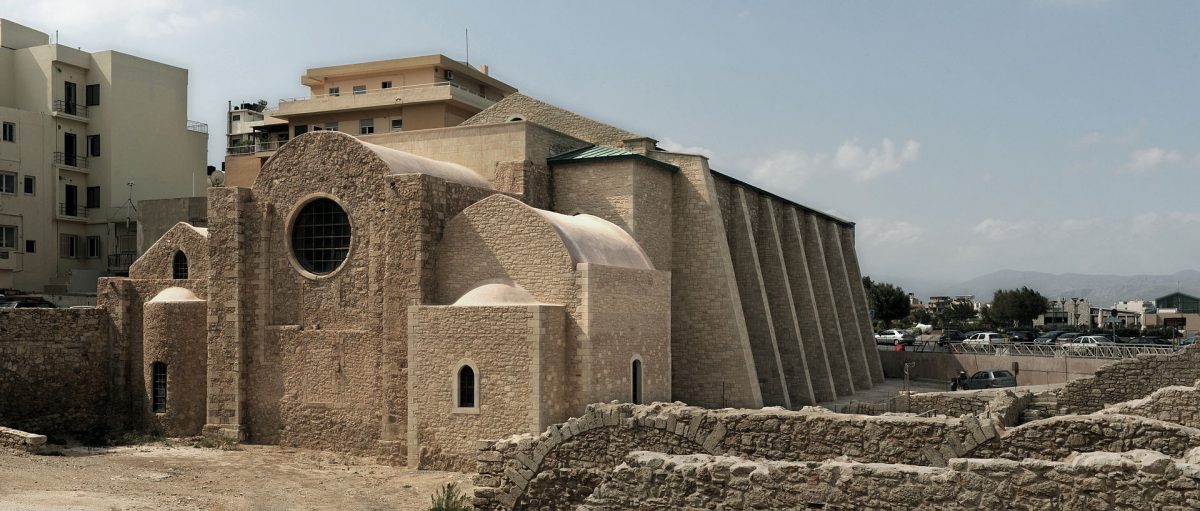
Churches: Across the Morosini Fountain is St. Markos Basilica, and within walking distance from the Fountain St. Titus (behind the Loggia) and St. Minas are located.
Loggia: the official meeting place for nobles and lords during the Venetian occupation of Heraklion, a kind of private club. Today is houses the Heraklion town hall.
Venetian Walls: You can walk along the top of these massive fortifications to find the Tomb of Nikos Kazantzakis, the author of Zorba the Greek, which offers panoramic views of the city.
Lakkos Neighborhood: A once-neglected area that has been transformed by local artists into a vibrant district of street art and hidden “raki” spots.
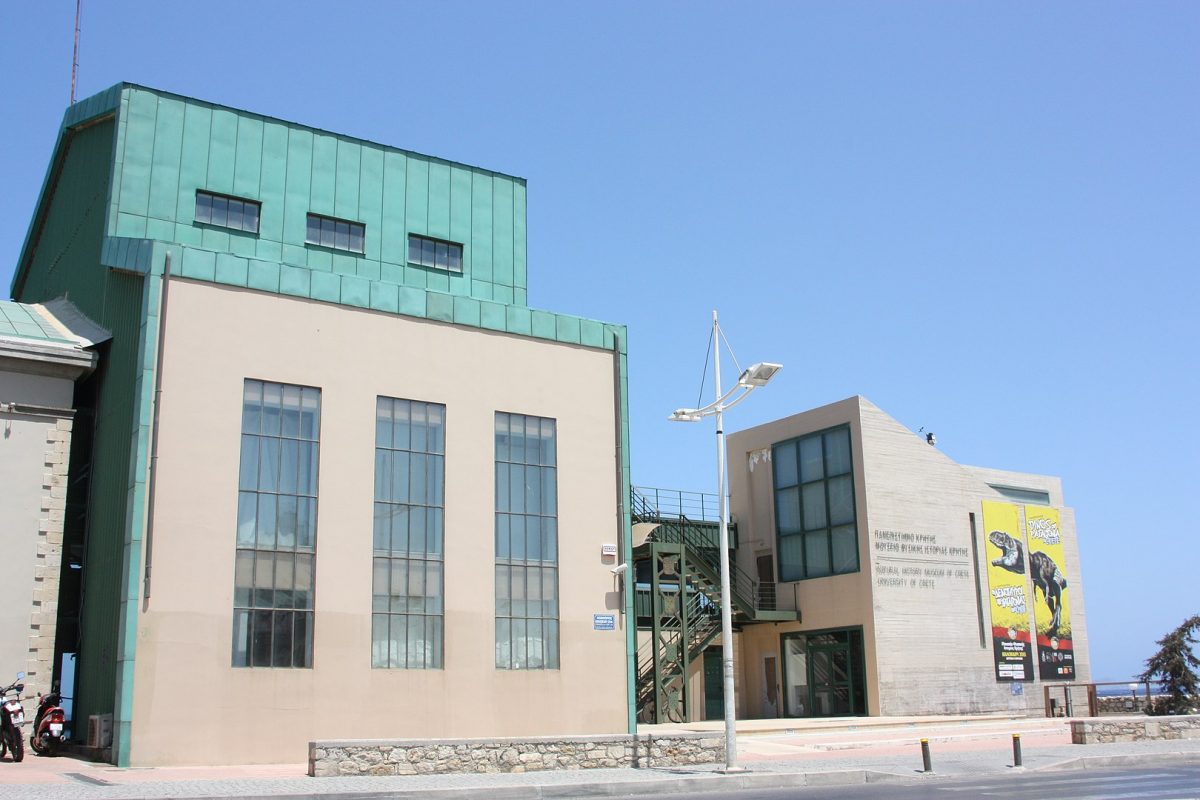
Cretaquarium: Located in Gournes, it is one of the largest and most modern aquariums in Europe, focusing on Mediterranean marine life.

Rethymno prefecture
Rethymno Prefecture places of interest
The Rethymno (or Rethymnon) prefecture is often considered the soul of Crete, offering a perfect blend of Venetian history, rugged mountain landscapes, and some of the island’s most iconic beaches.
Historical & Cultural Sites
The Fortezza of Rethymno: This massive 16th-century Venetian fortress sits on Paleokastro Hill. It offers panoramic views of the city and the sea, housing the Sultan Ibrahim Mosque and an open-air theater.
Arkadi Monastery: A profound symbol of Cretan resistance. In 1866, hundreds of Cretans chose to sacrifice themselves here rather than surrender to Ottoman forces. Its Venetian Baroque facade is stunning.
Rethymno Old Town: A “living museum” of narrow cobblestone alleys, wooden Ottoman balconies, and Venetian mansions. Key spots include the Rimondi Fountain (1626) and the Old Venetian Harbor with its Egyptian lighthouse.
Ancient Eleftherna: A major archaeological site and modern museum showcasing remains from the Geometric to the Byzantine periods.
Spectacular Beaches
Preveli Beach (Palm Beach): Located where the Kourtaliotis River meets the Libyan Sea. It features a lush palm forest growing along the riverbanks, leading to a sandy beach with crystal-clear water.
Bali: A series of four protected coves on the northern coast, perfect for families due to the calm, emerald waters.
Plakias & Agia Galini: Located on the south coast, these former fishing villages offer wide sandy beaches and a more laid-back, “Old Crete” atmosphere compared to the north.
Rethymno City Beach: A massive 13km stretch of golden sand starting right at the edge of the city, ideal if you want amenities and water sports within walking distance of your hotel.
Nature & Mountain Villages
Kourtaliotiko Gorge: Known for its dramatic cliffs and waterfalls. You can hike through it or view it from the road on your way to Preveli.
Spili: Famous for its “Lion Fountains,” a row of 25 stone lion heads that gush cold mountain water year-round. It’s a perfect stop for a coffee under the plane trees.
Anogia: Perched on the slopes of Mt. Psiloritis, this village is the heart of Cretan music and weaving. It has a fierce history of independence and is the gateway to the Ideon Andron Cave, the legendary birthplace of Zeus.
Margarites: A picturesque village renowned for its long tradition of pottery. You can walk through the town and watch local artisans at work in their studios.
Unique Experiences
The Phyllo Workshop: Visit the Hatziparaskos family workshop in the Old Town to see one of the last masters of handmade, paper-thin phyllo pastry.
Mili Gorge: A relatively easy hike near the city that takes you through a lush valley filled with abandoned watermills and small chapels.
City of Rethymno
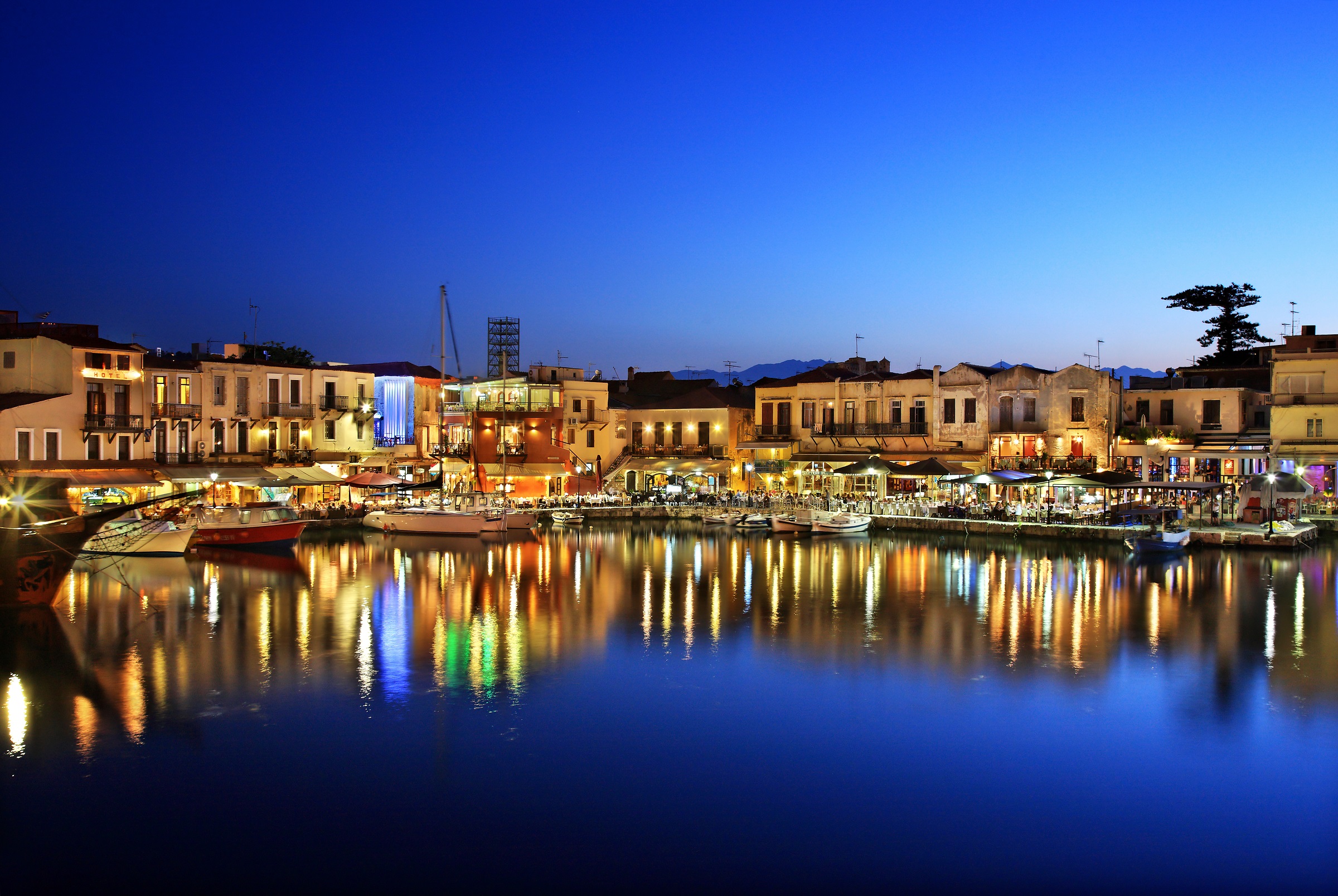
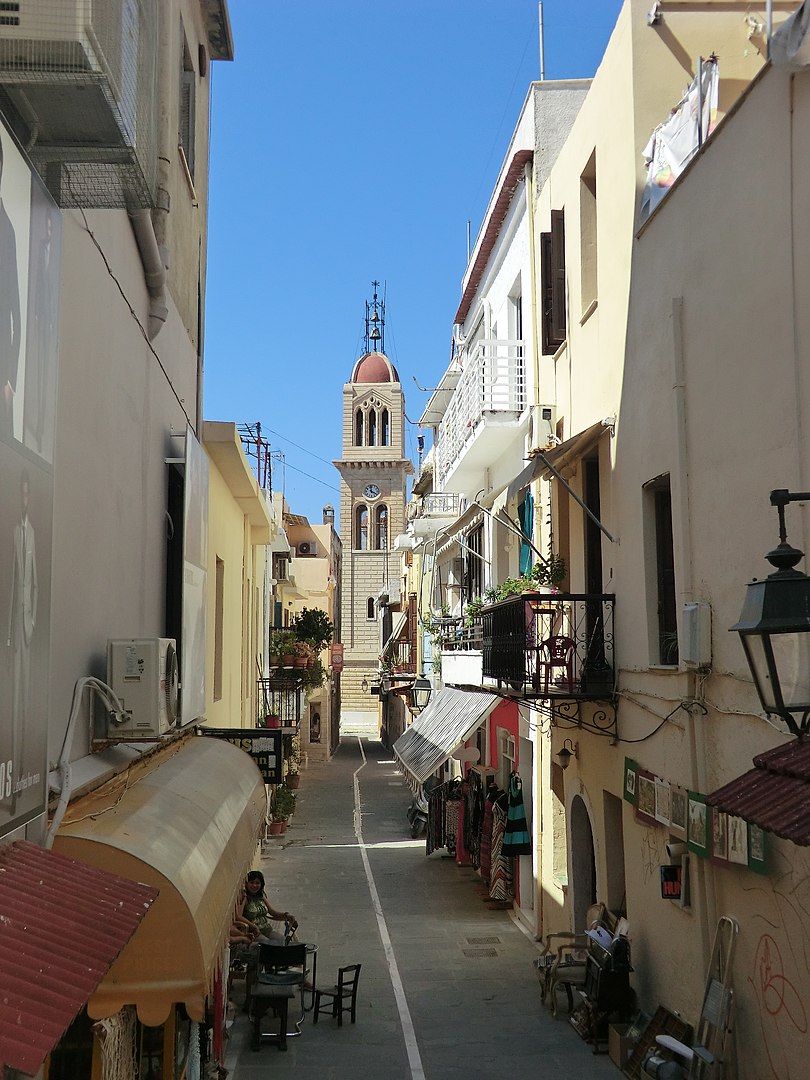
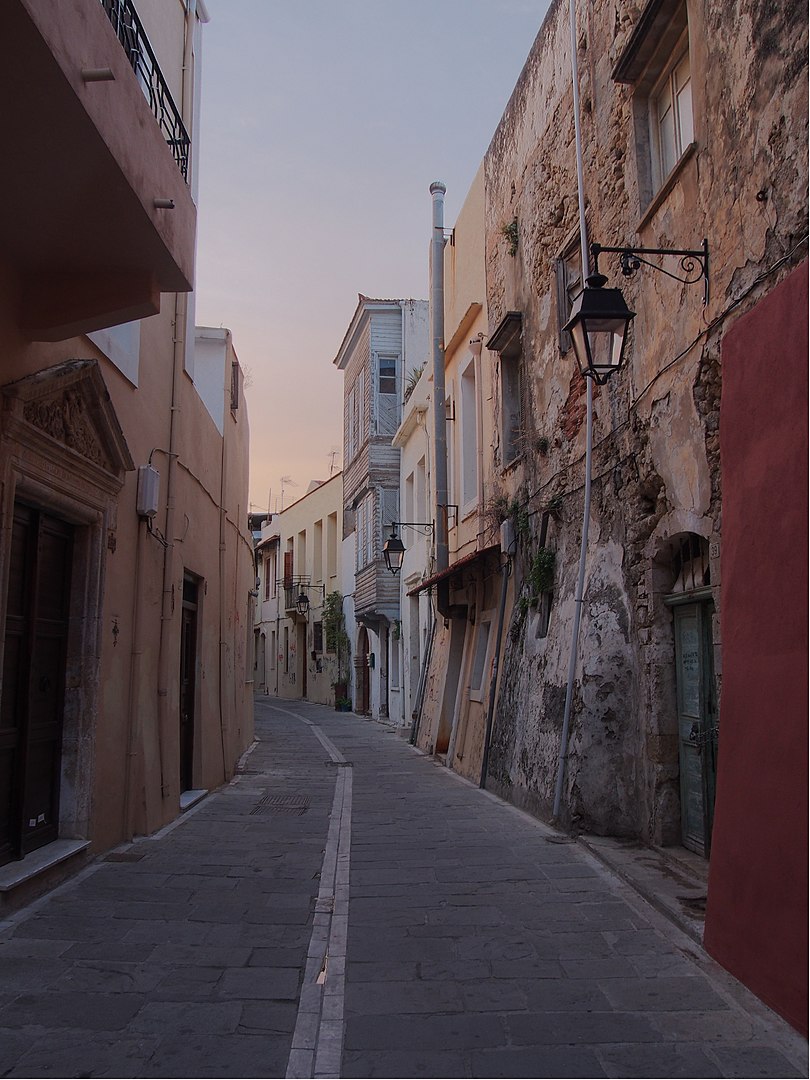
Rethymno, the third-largest city in Crete, is a captivating blend of Venetian and Ottoman influences, known for its well-preserved historic center and vibrant coastal atmosphere. The city’s highlights reflect its rich history, offering a mix of massive fortifications, narrow winding alleys, and scenic waterfronts. Exploring the charming Old Town is essential for experiencing the city’s character, as it remains one of the best-preserved medieval towns in Greece, a labyrinth of narrow streets, arched doorways, and elegant Venetian mansions.
Rethymno Old Town
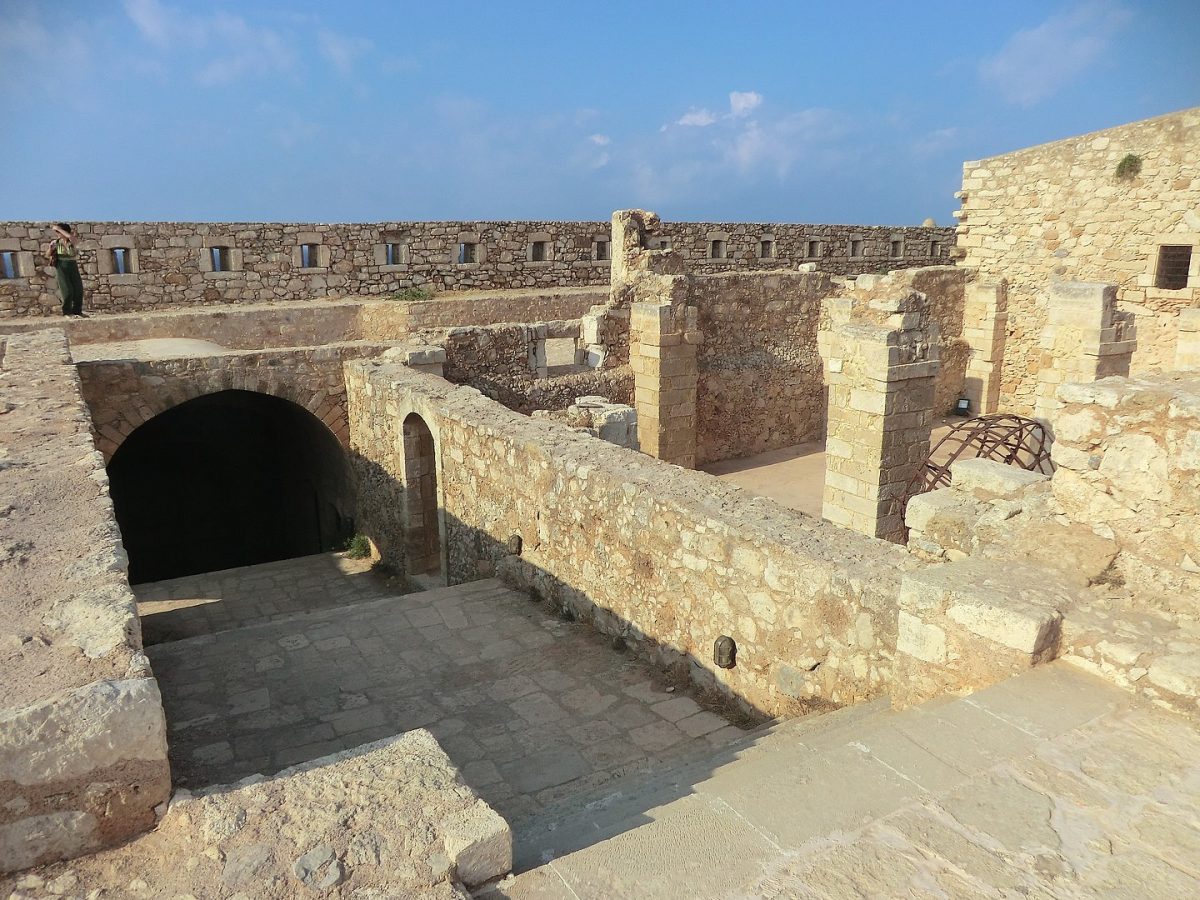
Rethymno Fortezza: is an iconic 16th-century Venetian citadel that dominates the city’s skyline from its position on Paleokastro Hill, with a panoramic view of the town, the Aegean Sea, and the surrounding mountains. It was built to protect the city from pirate raids and Ottoman threats, a testament to the city’s strategic importance during the Venetian occupation. It features expansive ruins, including the Sultan Ibrahim Mosque, an armory, and an open-air theater.
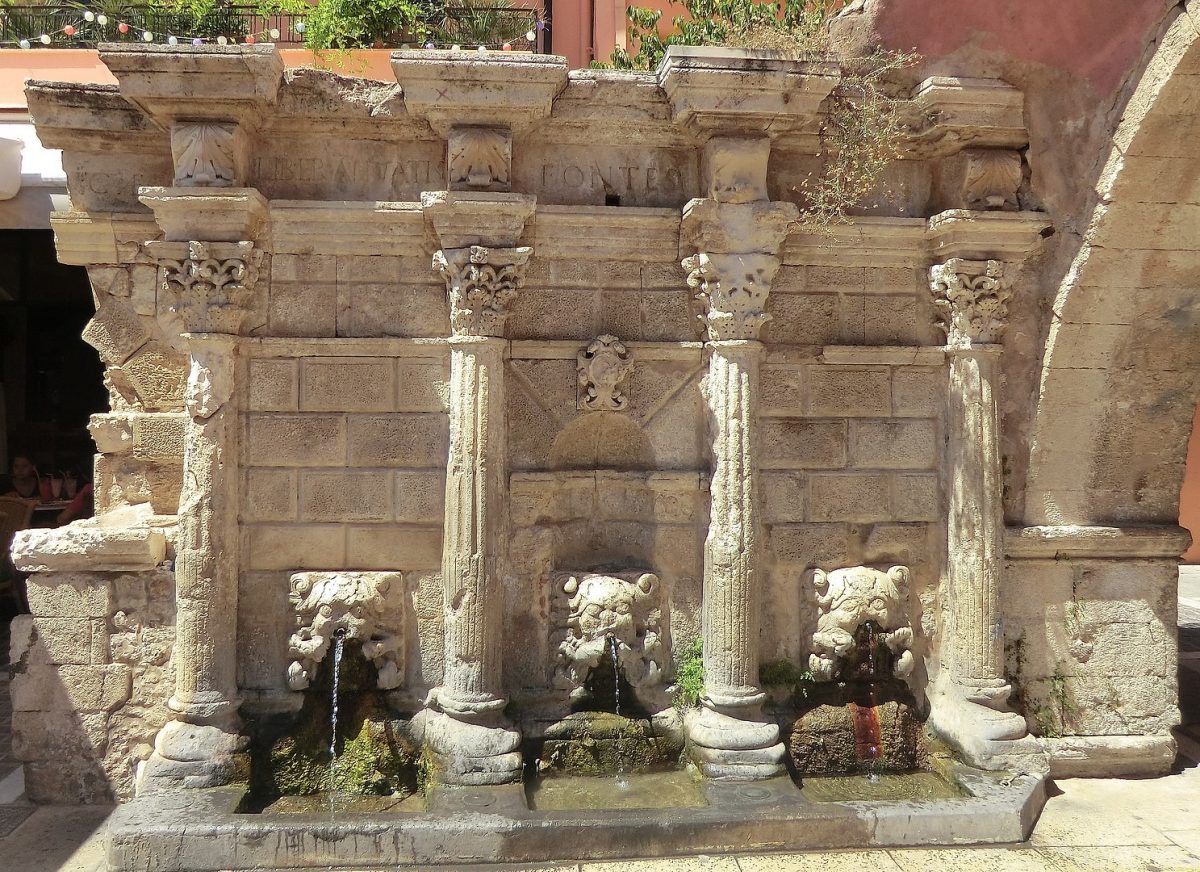
Rimondi Fountain: Built in 1626, still spouts water from three lion-head spouts and serves as a popular meeting point in the heart of the town.
Neratze Mosque, a striking building with three domes that was originally an Augustinian church before being converted during Ottoman rule; it now serves as a concert hall.
Rethymno Archaeological Museum: Housed in the former Church of St. Francis, displays a rich collection of artifacts ranging from the Neolithic to the Roman periods. Its one of those small museums located in lesser cities that have many treasures hidden , especially from the Minoan era.
Guora gate: (Porta Guora) is the last remaining remnant of the 16th-century Venetian city walls and marks the main entrance to the old quarter.
Handmade Philo Workshop: The workshop is a unique living museum where you can watch the traditional craft of making paper-thin phyllo pastry by hand. Very friendly 2nd generation owner highlighting how pastry and baclava are made the old fashioned way.
Waterfront & Leisure
For a change of pace, the city offers natural beauty and green spaces within walking distance of the historic sites.
Rethymno beach: is a long stretch of golden sand that begins right at the edge of the town and is known for being a nesting site for Caretta caretta sea turtles. “Very nice beach in front of the town promenade. Lots of loungers and water sports company’s. The sand is nice and the sea is clear blue and warm!”
Rethymno Municipal Park: provides a lush, shaded escape with tree-lined paths, a playground, and a nice little café super loud with all the insects but 100% part of the bizarre experience. Amenities all around.

Chania prefecture
Chania Prefecture places of interest
Chania Prefecture is often considered the most beautiful region of Crete, offering a mix of dramatic mountain ranges, world-class beaches, and a rich tapestry of Venetian and Ottoman history.
Here are the top places of interest categorized by type:
The Crown Jewels (Beaches)
The prefecture is home to some of the most photographed beaches in the world.
Balos Lagoon: Famous for its turquoise waters and wild natural beauty. It’s best reached by boat from Kissamos to avoid the rough 4×4 track.
Elafonisi Beach: Known for its iconic pink sand (created by crushed shells) and shallow lagoons. It is a protected nature reserve.
Falassarna: A massive sandy beach on the west coast, perfect for sunset views and windsurfing.
Seitan Limania: A “hidden” gem—a narrow, zig-zagging cove carved into the cliffs of the Akrotiri peninsula. (Note: The hike down is steep and requires sturdy shoes).
Chania City & Culture
The capital city of the prefecture is a labyrinth of history.
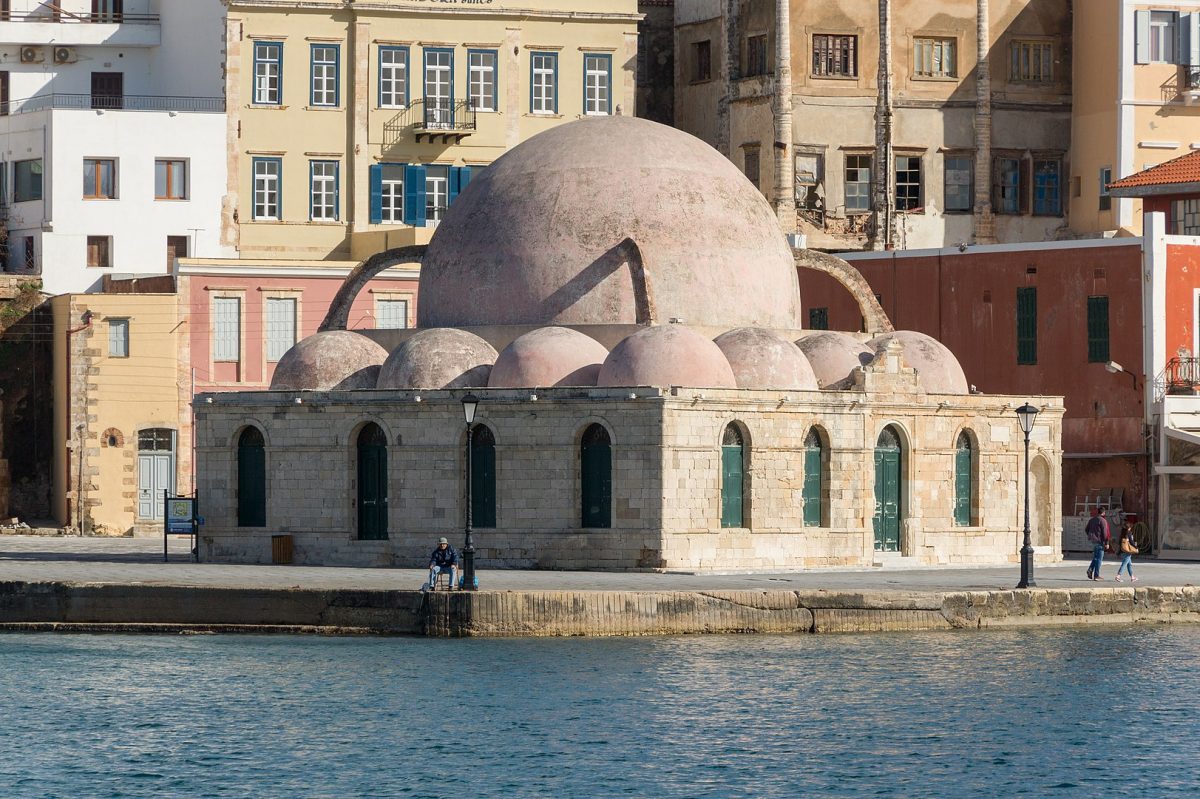
Old Venetian Harbor: The heart of the city, featuring the Egyptian Lighthouse and the Giali Tzamisi Mosque.
Old Town Alleys: Explore the districts of Topanas (Venetian) and Splatzia (Ottoman) for boutique shops and hidden tavernas.
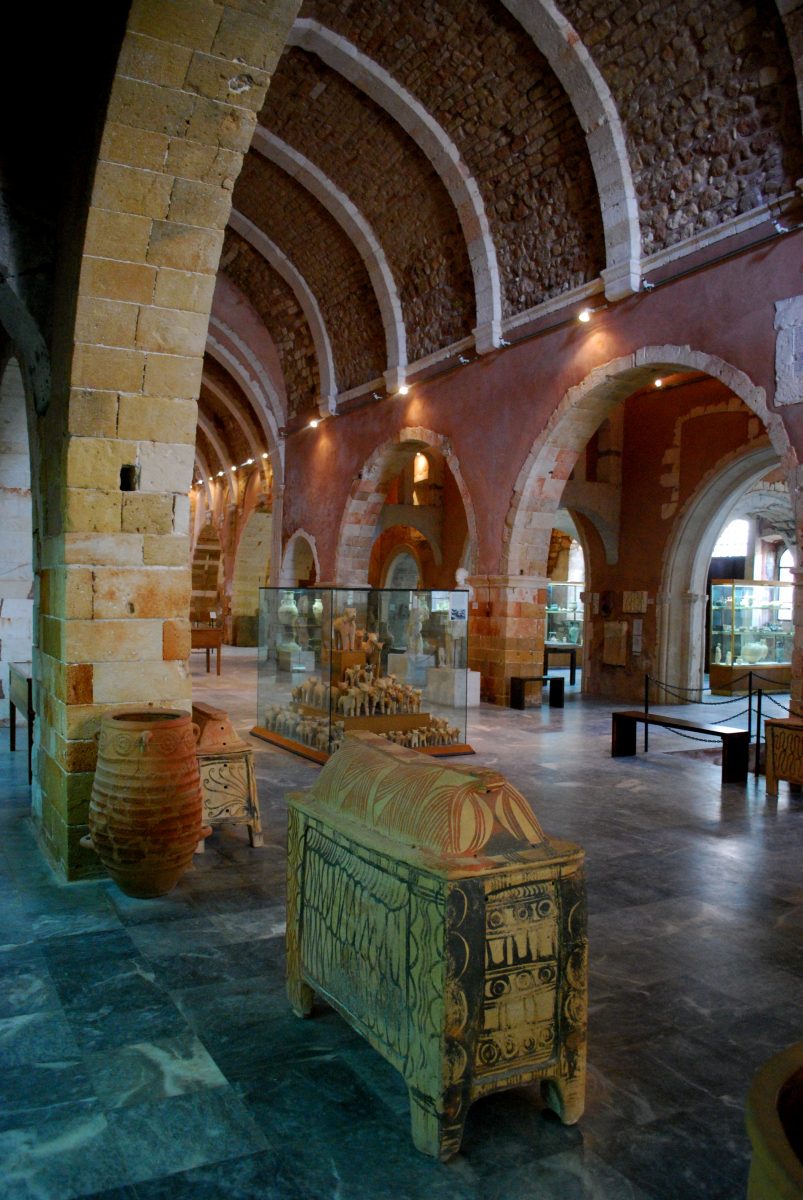
Archaeological Museum of Chania: Now housed in a striking modern building in the Chalepa district, it showcases artifacts from the Neolithic to the Roman era.
Venizelos Tombs: Located on a hill overlooking the city, offering the best panoramic views of Chania and the Aegean Sea.
Nature & Adventure
Samaria Gorge: One of Europe’s longest canyons. The 16km hike takes you through the White Mountains (Lefka Ori) and ends at the coastal village of Agia Roumeli.
Lake Kournas: The only natural freshwater lake in Crete. You can rent pedal boats and look for the local terrapins (turtles).
Botanical Park & Gardens of Crete: A lush park born from the ashes of a 2003 wildfire, featuring Mediterranean flora and a great on-site restaurant.
Authentic Villages
For a taste of traditional Cretan life, head to the Apokoronas region or the south coast:
Vamos & Gavalochori: Historic villages with stone-built houses, olive oil mills, and folk museums.
Loutro: A tiny, car-free fishing village on the south coast, accessible only by boat or on foot.
Chora Sfakion: The gateway to the rugged south, known for its fierce history and “Sfakian pies” (cheese-filled pancakes with honey).
City of Chania
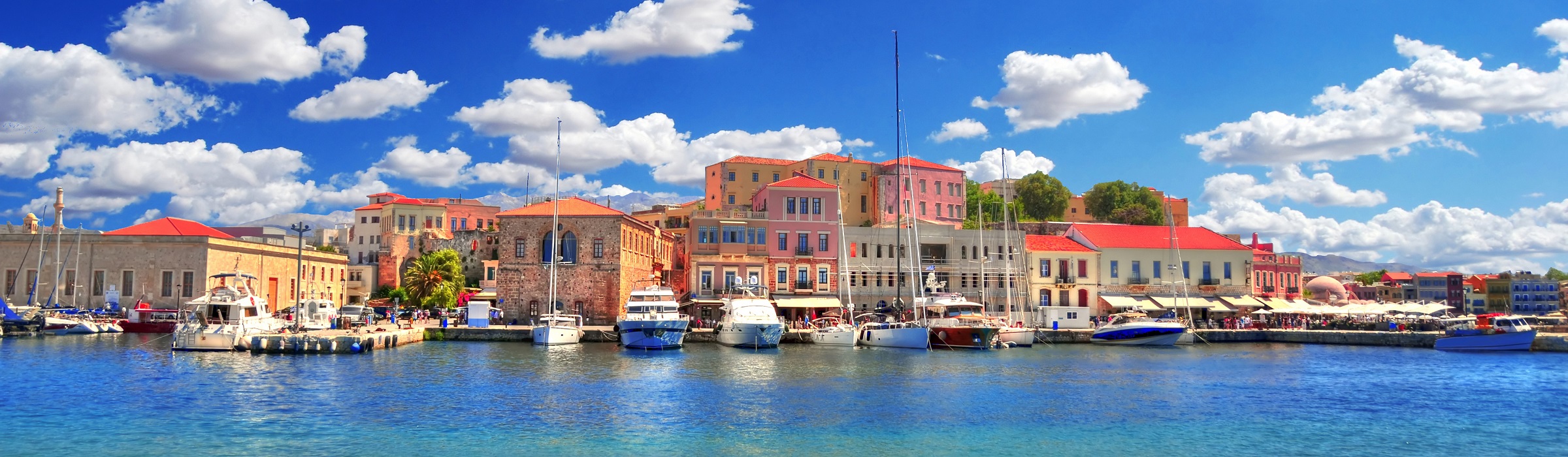
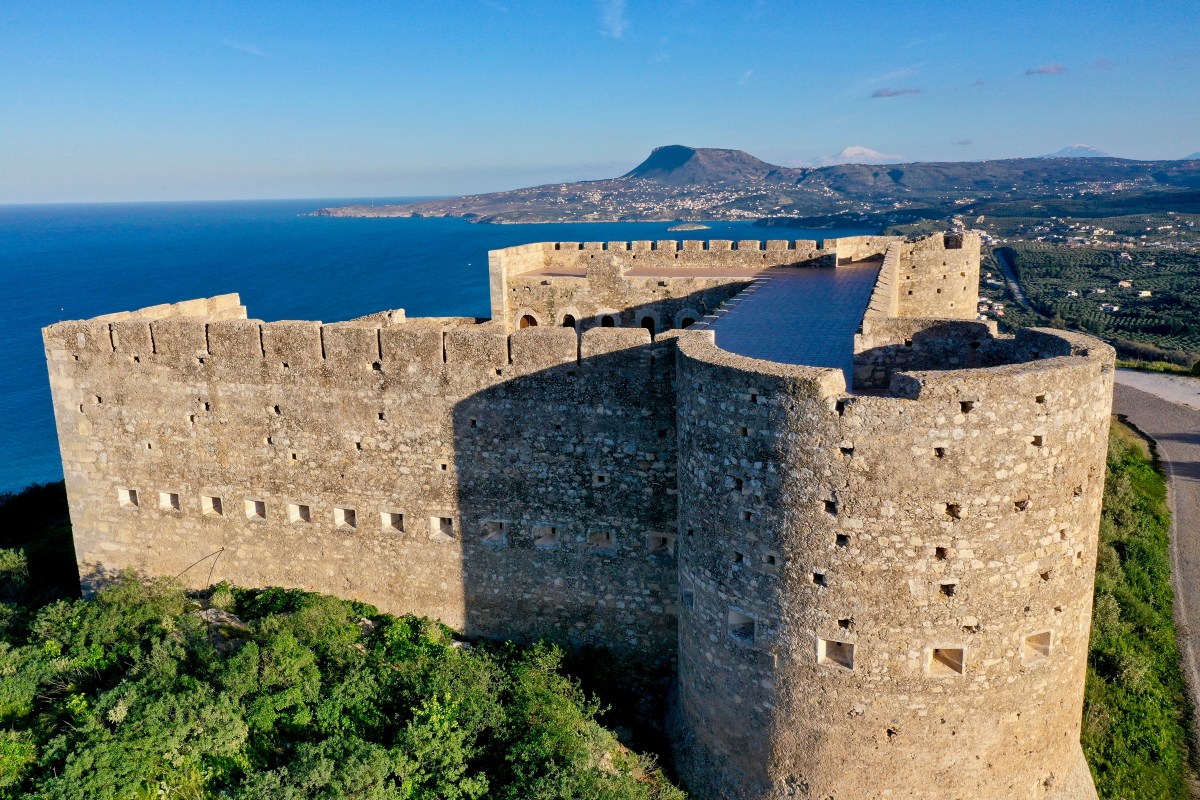
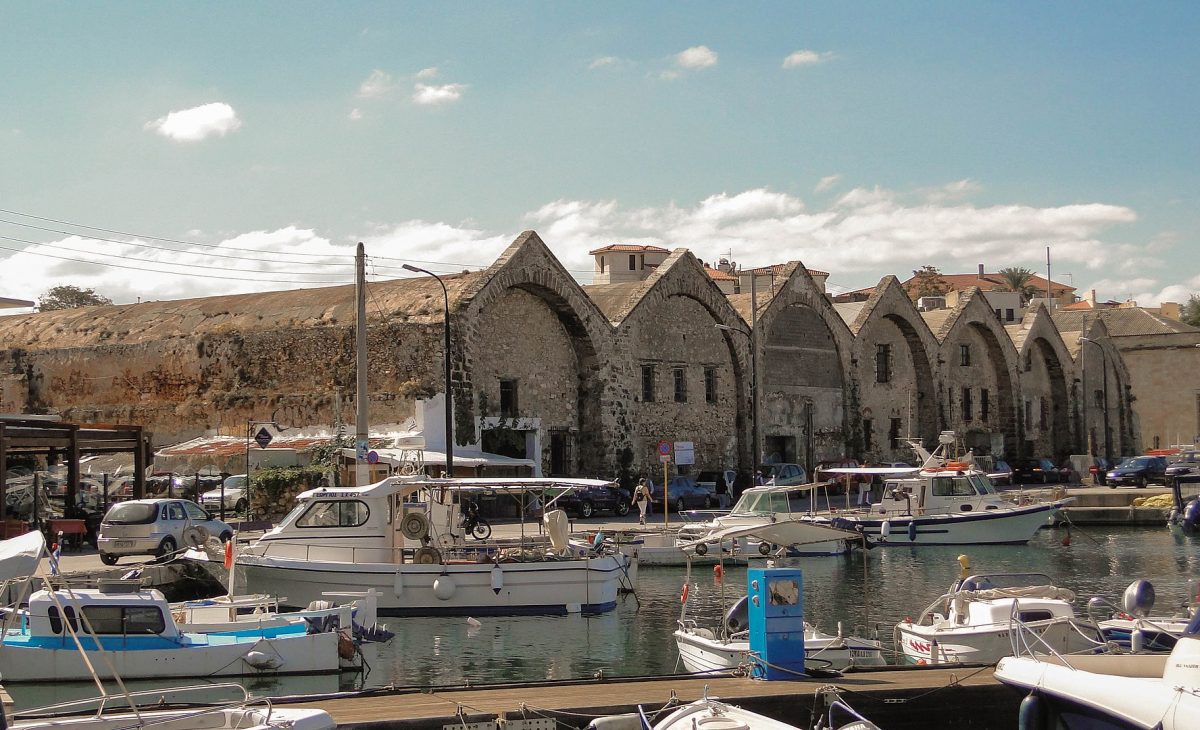
City of Chania:
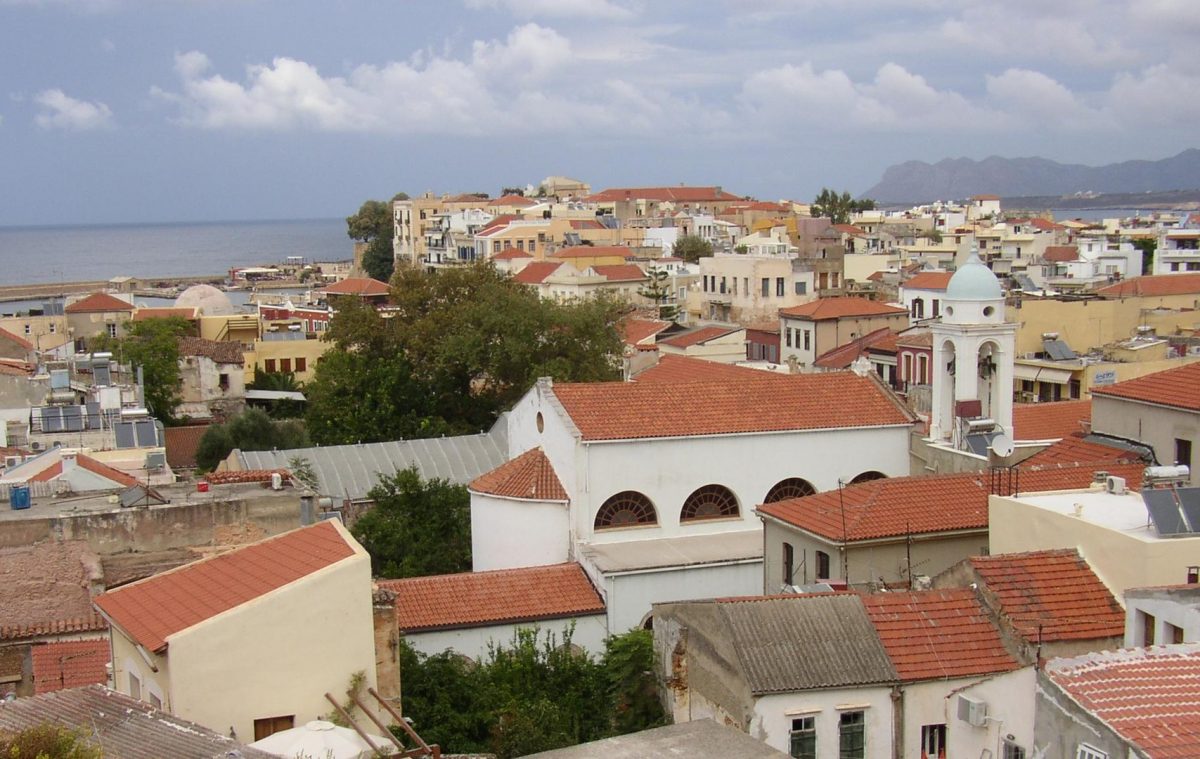
Chania is a city where history and charm converge, characterized by its stunning Venetian architecture, a labyrinthine Old Town, and a vibrant harbor that serves as the heart of its social life. Visitors often find themselves drawn to the blend of Ottoman and Venetian influences that define its unique character.
Landmarks
Venetian Port: the city’s crown jewel, offering a postcard-perfect setting for a leisurely stroll at any time of day. A walk from municipal parking into the harbour and along the outer harbour wall is a great experience set aside at least an hour to do the walk both ways.
- Lined with a variety of restaurants, cafes, and bars that provide prime seating for watching the sunset.
- Features the historic Küçük Hasan Mosque Click to open side panel for more information , a distinct domed landmark that now frequently hosts art exhibitions.
- Serves as the starting point for boat trips around the harbor and to nearby coastal attractions.
Lighthouse of Chania: also called the Egyptian Lighthouse, stands as the most recognizable symbol of the city.
- Offers a fantastic vantage point for photographing the harbor and the backdrop of the White Mountains.
- Accessible via a scenic walk along the elongated harbor breakwater.
- Best visited at dusk when the structure is illuminated against the evening sky.
History & Culture
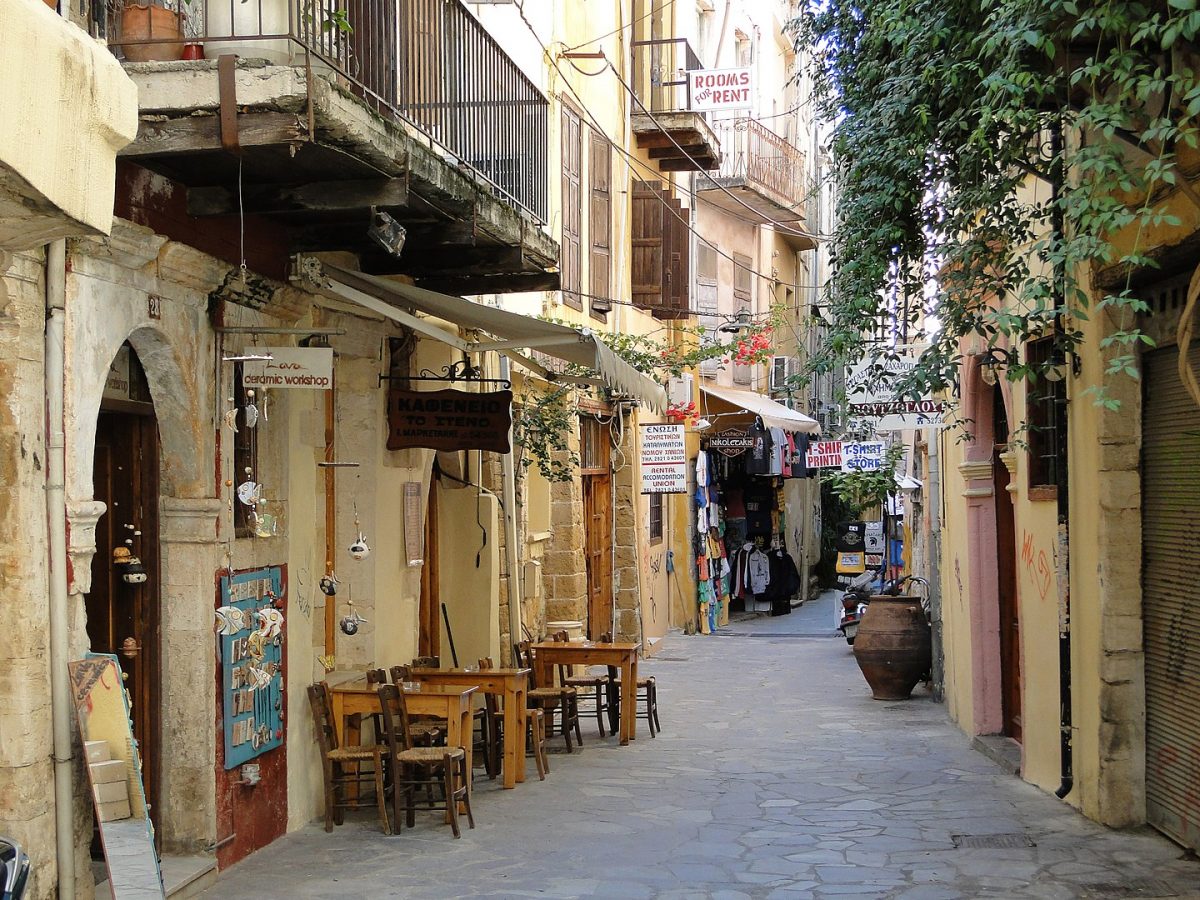
Chania Old Town: a maze of narrow, cobblestone alleys that invite visitors to wander and discover hidden courtyards and historic gems.
- Home to the Etz Hayyim Synagogue Click to open side panel for more information , the only remaining Jewish monument on Crete, which dates back to the Middle Ages.
- Includes “Leather Street” (Skridlof), famous for its traditional Cretan leather goods and local crafts.
- Features pastel-colored Venetian houses often decorated with intricate sea pebble mosaics.
- The Firka Venetian Fortress provides a deep dive into the island’s military past and offers some of the best panoramic views of the harbor entrance.
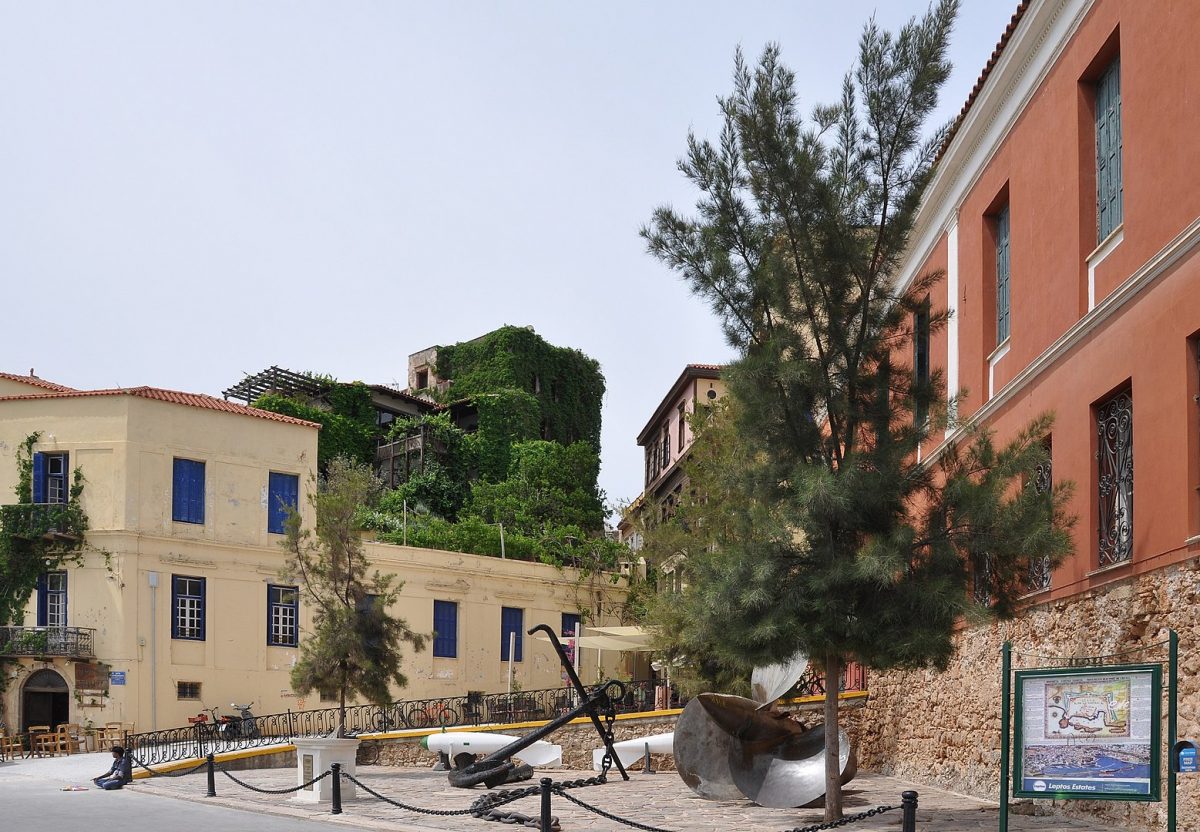
Maritime Museum of Crete: which displays a vast collection of ship models, war relics, and maritime instruments.
- Features well-preserved fortress walls that visitors can walk along to see the city from above.
- Includes a separate branch, the Museum of Ancient Shipbuilding, which showcases a full-scale replica of a Minoan ship.
Archaeological Museum of Chania: provides an extensive collection of artifacts in a modern, state-of-the-art facility.
- Showcases findings from across the region, ranging from Neolithic times to the Roman era.
- The collection is organized chronologically, providing a clear timeline of Crete’s complex history.
Unique Local Experiences
Tampakaria:
- Provides a glimpse into Chania’s industrial heritage with its weathered stone buildings by the sea.
- Now seeing a resurgence with new uses for the abandoned spaces, including trendy seaside dining options.
- Known for its rugged, authentic feel away from the more polished tourist areas.
Venizelos Graves:
- Located on a woody hill overlooking the entire city and the Cretan Sea; final resting place of prominent Greek politician Eleftherios Venizelos and his son.
- Considered one of the best spots for a panoramic view of Chania, especially beautiful during the “golden hour.”
- Surrounded by a peaceful park area that is a popular retreat for locals.
Old Chania Market:
Chania Market, also known as the Agora, is a cross-shaped municipal market building that has been the center of local commerce for over a century.
- Typically a hub for fresh Cretan products, including local cheeses, honey, herbs, and olives.
- Note: As of early 2026, parts of the market building may still be undergoing restoration, though many surrounding local shops remain active.
Nea Chora Beach:
If you are looking for a quick escape to the water, Nea Chora Beach is the most accessible sandy stretch within walking distance of the center.
- Features calm, shallow waters that are ideal for a relaxed swim.
- Surrounded by local fish tavernas that are highly regarded for their fresh seafood.
Lasithi prefecture
Lasithi Prefecture places of interest
Lasithi is the easternmost prefecture of Crete, offering a mix of mythical landscapes, Minoan history, and some of the most exotic beaches in Europe. Unlike the more bustling western side of the island, Lasithi retains a more rugged and tranquil character.
Historical & Mythical Landmarks
The Lasithi Plateau & Dikteon Cave: This high-altitude plain is famous for its thousands of white-sailed windmills (historically used for irrigation). Above the village of Psychro lies the Dikteon Cave, the legendary birthplace of Zeus, filled with impressive stalactites and stalagmites.
Spinalonga Island: Located in the Gulf of Elounda, this former Venetian fortress became a leper colony until 1957. It is one of Crete’s most poignant and visited sites, accessible by short boat trips from Plaka or Elounda.
Minoan Palace of Zakros: The fourth largest Minoan palace on Crete. It is uniquely located right by the sea at the end of the “Gorge of the Dead,” so named because the Minoans used the caves in the gorge walls for burials.
Ancient Lato: One of the best-preserved Dorian city-states in Greece, offering panoramic views over the Gulf of Mirabello.
Unique Beaches
Vai Palm Forest: Home to the largest natural palm forest in Europe. The beach itself is golden and sandy, surrounded by thousands of Cretan date palms (Phoenix theophrasti).
Chrissi Island (Gaidouronisi): A protected natural park accessible by boat from Ierapetra. It is famous for its white “shell sand” and tropical, turquoise waters.
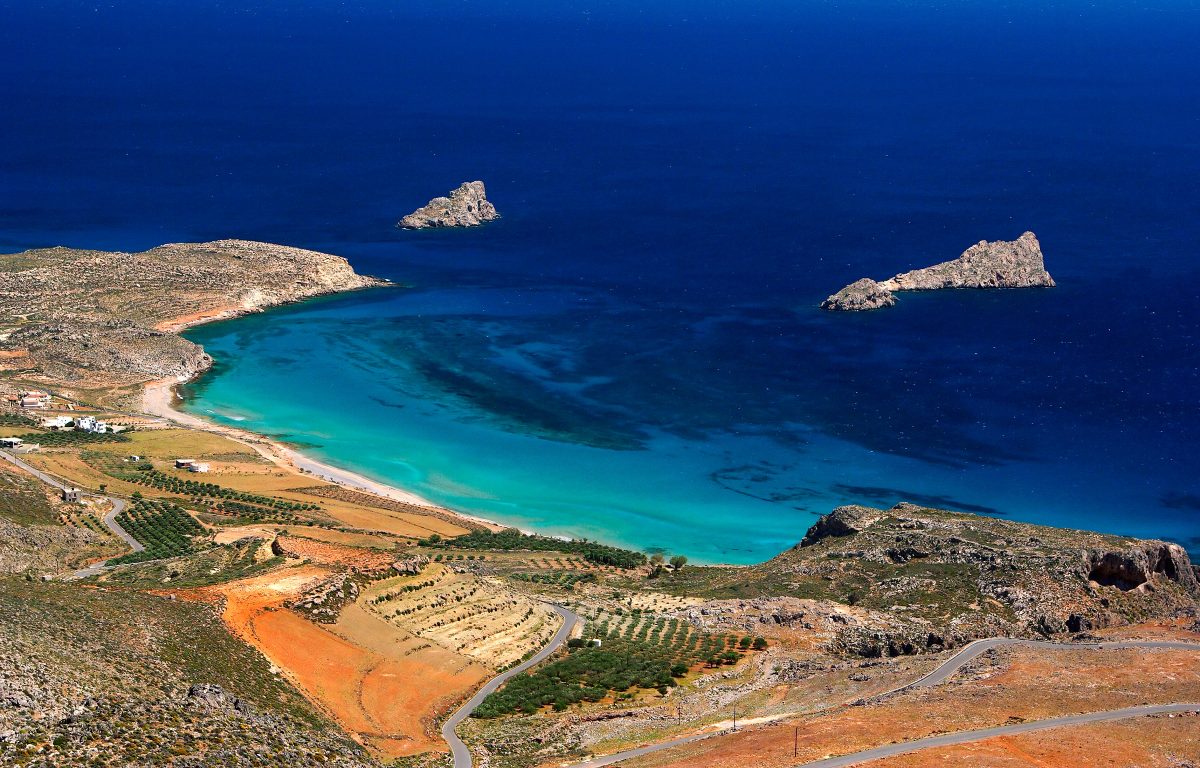
Xerokampos: One of the most remote and serene beach areas in Crete, featuring crystal-clear water and natural clay at Argilos Beach, where you can give yourself a DIY spa treatment.
Major Towns
Agios Nikolaos: The capital of the prefecture, centered around Lake Voulismeni, a deep pool of water connected to the sea by a narrow channel. It’s a cosmopolitan hub filled with cafes and boutiques.
Ierapetra: The southernmost town in Europe, known for its long promenade, the Venetian fortress (Kales), and its year-round warm climate.
Sitia: A more laid-back, traditional port town in the east, serving as a gateway to the Sitia UNESCO Global Geopark.
Nature & Gorges
Richtis Gorge: A lush, jungle-like hike near Sitia that leads to a beautiful 20-meter waterfall and ends at a secluded beach.
Ha Gorge: One of the most spectacular (and narrowest) gorges in Europe. While it requires professional equipment to traverse, the view of the massive “slit” in the mountain from the outside is breathtaking.
City of Ag. Nikolaos

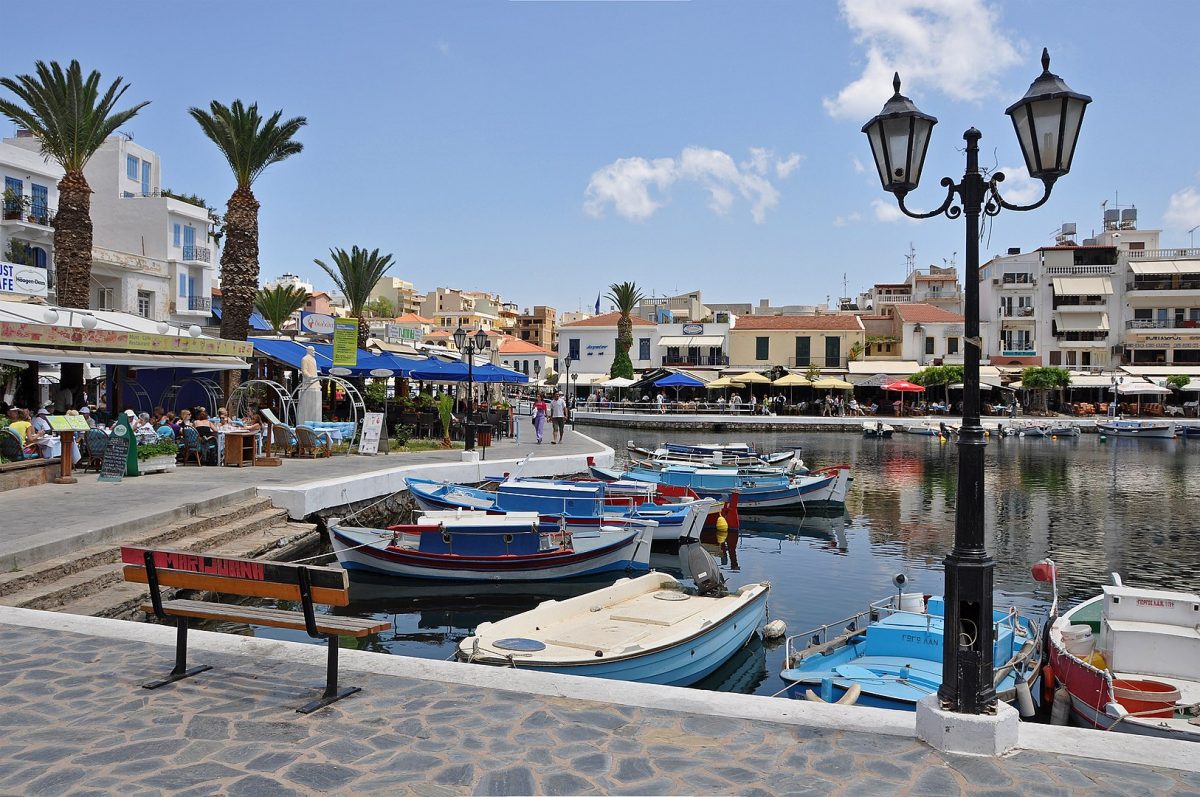
Agios Nikolaos is the cosmopolitan capital of the Lasithi region in eastern Crete. Known for its unique blend of a “bottomless” lake, picturesque harbor, and vibrant local life, it serves as a perfect base for exploring the island’s more laid-back side.
Agios Nikolaos is the crown jewel of eastern Crete, blending a cosmopolitan vibe with deep-rooted history. Here is the definitive “must-see” list for your visit:
City Cultural & Historical Landmarks
- Lake Voulismeni: The literal and figurative heart of the city. This former freshwater lake was connected to the sea in 1870 and is surrounded by red rock cliffs, cafes, and restaurants. Local legend once claimed it was bottomless and that the goddesses Athena and Artemis bathed here.
- The Port & Marina: A stroll along the waterfront is essential. You’ll find everything from traditional fishing boats to sleek yachts. It’s also the spot to find the Abduction of Europe sculpture.
- Archaeological Museum of Agios Nikolaos: Widely considered one of the most important museums in Crete. It houses significant finds from the Minoan era through the Roman period, including the famous “Goddess of Myrtos” libation vessel. Recently renovated, this museum houses incredible finds from eastern Crete. Don’t miss the “Goddess of Myrtos,” a famous libation vessel from the Early Minoan period, and the gold diadem found in a nearby cemetery.
- Folklore Museum: Located right next to the lake, this small but charming museum offers a look into traditional Cretan life, featuring local costumes, intricate embroidery, and old photographs of the city.
- Agia Triada Cathedral: The main church of the town, featuring beautiful Byzantine-style architecture and impressive hagiographies (wall paintings) inside.
- Fisherman’s Crypt: A small, atmospheric church built into the rock near Lake Voulismeni, offering a quiet, spiritual vantage point over the water.
- The Horn of Amalthea: A modern sculpture on the harbor front representing the horn of plenty from Greek mythology, specifically the goat that suckled the infant Zeus.
- Farmers’ Market: If you’re there on a Wednesday morning, head to the public market near the hospital. It’s where the locals buy their mountain herbs, giant wheels of Graviera cheese, and fresh produce.
Top Beaches & Waterfronts
- Kitroplatia Beach: A convenient pebbled beach right in the town center, lined with some of the city’s best ouzeries and seafood tavernas.
- Almyros Beach: Located just a short walk or drive from the center, this sandy beach is famous for the cold-water river that flows into the sea here, keeping the water refreshing even in peak summer.
- Ammoudi Beach: A small, sheltered sandy cove with crystal-clear waters, ideal for those who want a quiet swim without leaving the city limits.
- Voulisma Beach (Istron): Roughly 12km from the city, this is one of Crete’s most photographed beaches due to its striking turquoise water and fine white sand.
Essential Day Trips & Nearby Gems
- Spinalonga Island: A short boat ride away, this former Venetian fortress and leper colony is a hauntingly beautiful historical site. It gained international fame through Victoria Hislop’s novel, The Island.
- Kritsa Village: One of the oldest and most picturesque villages in Crete, located just uphill from Agios Nikolaos. It is famous for its traditional weaving and the Panagia Kera, a Byzantine church containing some of the best-preserved frescoes on the island. Located near the nearby village of Kritsa, this 13th-century church contains some of the best-preserved Byzantine frescoes in all of Greece.
- Elounda: A neighboring luxury resort town known for its high-end villas and the sunken ancient city of Olous, which can sometimes be seen beneath the clear water near the causeway.
- Mirabello Bay: Whether by private boat or organized cruise, exploring the massive Bay of Mirabello offers access to hidden coves and the islet of Kolokytha.
- Spiridi Cretan Olive Oil Farm: A short drive away, this farm allows you to see how olive oil, wine, and honey are traditionally produced. It’s very interactive—you can even try your hand at pottery or cheese-making.
Local Experiences
- Wednesday Street Market: A lively weekly event where locals buy fresh Cretan produce, cheeses, honey, and textiles. It’s the best place to find authentic local flavors.
- Harbor & Pedestrian Streets: The area between the lake and the port is filled with boutique shops selling handmade jewelry, olive wood crafts, and high-quality Cretan leather goods.
Gastronomy
Agios Nikolaos, and the wider Lasithi region of Crete, offers a cuisine that is a beautiful blend of fresh seafood from the Mirabello Bay and hearty mountain dishes from the nearby Lasithi Plateau.
Local Starters & Small Plates (Meze)
- Dakos (Kritikos Dakos): A Cretan staple. It consists of a hard barley rusk (paximadi) lightly soaked in water or olive oil, topped with grated fresh tomato, creamy mizithra (a local soft cheese), oregano, and plenty of extra virgin olive oil.
- Xygalo Sitias: A PDO-protected creamy, slightly sour, and spreadable cheese unique to the eastern part of Crete. It’s often served as a dip or paired with dakos.
- Fried Snails (Chochlioi Boubouristi): One of Crete’s most famous delicacies. The snails are fried in their shells with flour, olive oil, vinegar, and rosemary.
- Nerates Mizithropites: Thin, “watered” cheese pies from the Lasithi region. They are unique because the dough is so soft it must be shaped with wet hands. They are often served drizzled with honey.
- Stamatagathi: A wild, slightly bitter chicory greens found on the island, usually served boiled with lemon and olive oil or as a bed for meat.
Main Course Highlights
- Sofegada: The quintessential vegetarian stew of eastern Crete. It’s a slow-cooked “symphony” of seasonal vegetables—zucchini, eggplant, beans, potatoes, and peppers—simmered together with fresh herbs.
- Skioufichta Pasta: Hand-rolled Cretan pasta, traditionally shaped by pressing the dough with three fingers. It is typically served with burnt stakovoutyro (clarified goat/sheep butter) and a generous grating of dried anthotyros cheese.
- Antikristo Lamb: Though famous across Crete, you’ll find excellent versions in the tavernas surrounding Agios Nikolaos. The meat is cut into large pieces, salted, and placed on skewers “opposite” (antikristo) the fire to slow-roast for hours in its own fat.
- Kakavia: A traditional fisherman’s soup made with the catch of the day from the Mirabello Bay, flavored with lemon, onions, and olive oil. It is incredibly rich and savory despite its simple ingredients.
- Pork or Lamb with Vine Shoots: A specialty of the region where the meat is braised with tender young vine leaves or shoots, giving the dish a unique, tart flavor profile.
Sweets & Drinks
- Xerotigana: Delicate, paper-thin dough spirals that are deep-fried until crispy, then dipped in honey syrup and sprinkled with cinnamon and chopped walnuts.
- Patouda: A festive pastry from Lasithi filled with a mixture of nuts (walnuts, almonds), sesame seeds, honey, and spices like cloves and nutmeg.
- Soumada: A traditional, non-alcoholic almond-based drink, often served at celebrations in nearby Neapolis. It has a refreshing, floral marzipan-like flavor.
- Tsikoudia (Raki): The legendary Cretan grape brandy. In Agios Nikolaos, it is almost always served as a complimentary digestive at the end of a meal, often accompanied by fresh fruit or small sweets.
Where to Experience It
- To Potiraki: A local favorite for authentic Cretan meze and large portions in a cozy, traditional setting.
- Migomis Piano Restaurant: Perfect for a “fine dining” take on Cretan flavors with an iconic view over Lake Voulismeni.
- Gioma Meze: Known for modern twists on traditional small plates, located on the cliffs overlooking the lake.
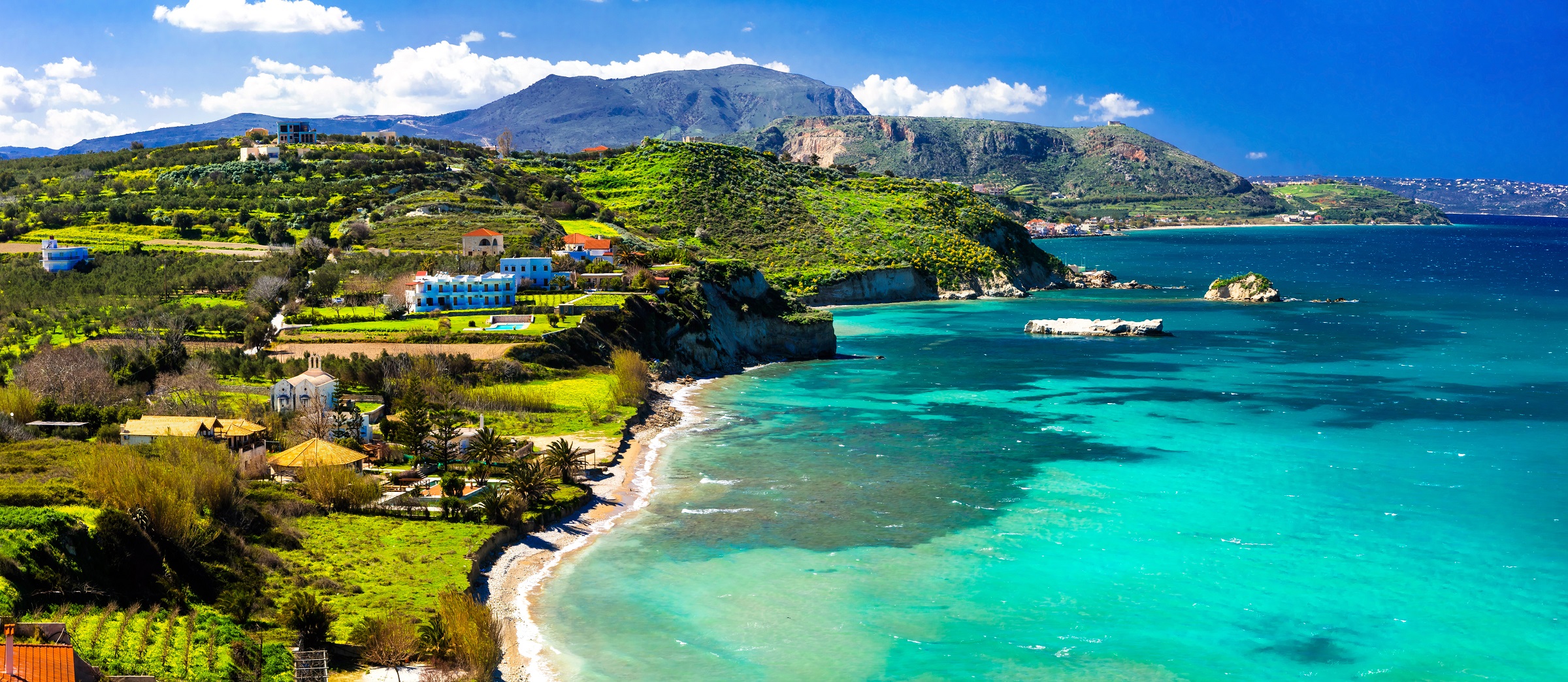
Crete has some of the most beautiful beaches in Greece


If you are ready for Crete (Kriti), reach out below..