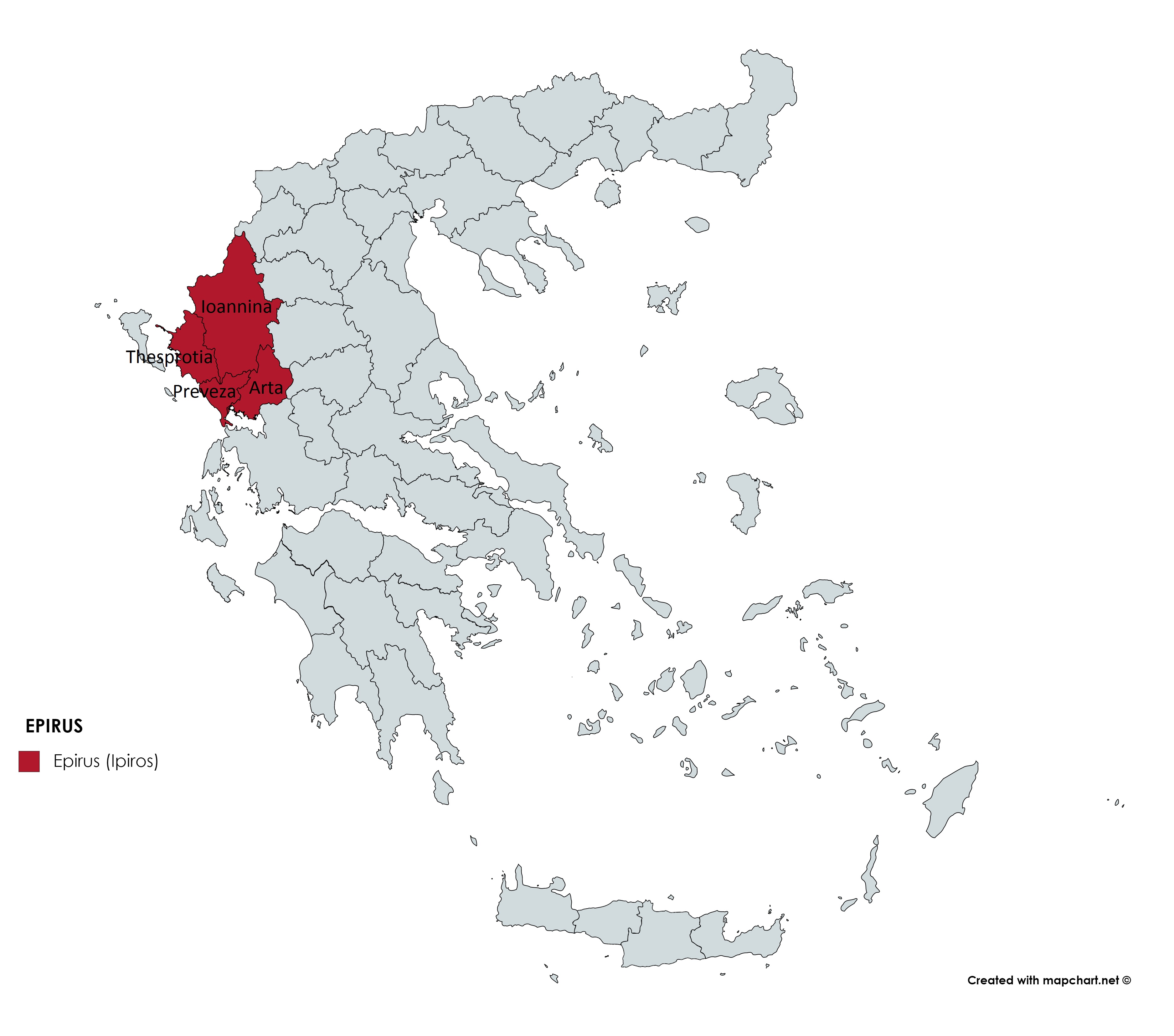
One of the less traveled regions of Greece is Epirus with amazing towns, villages, gorges, rivers, and hiking paths.
Includes the following prefectures: Preveza, Arta, Ioannina, Thesprotia.
Preveza
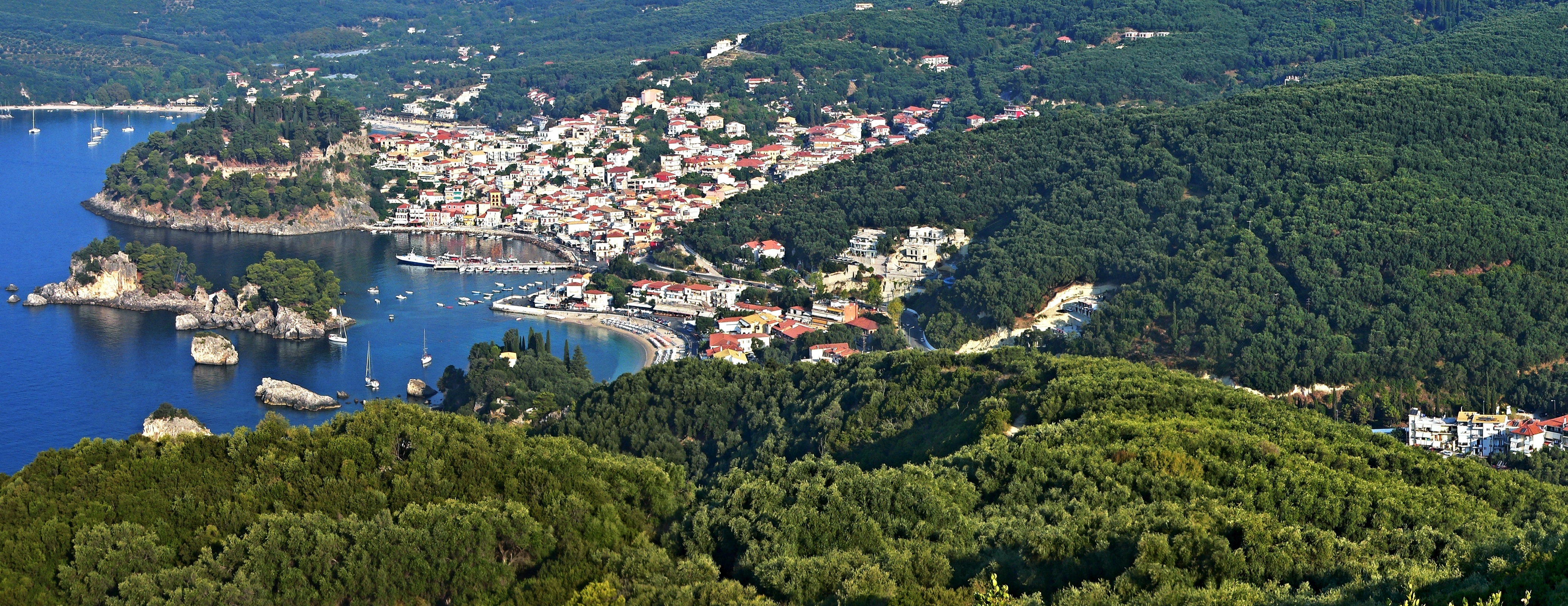
Parga panoramic view
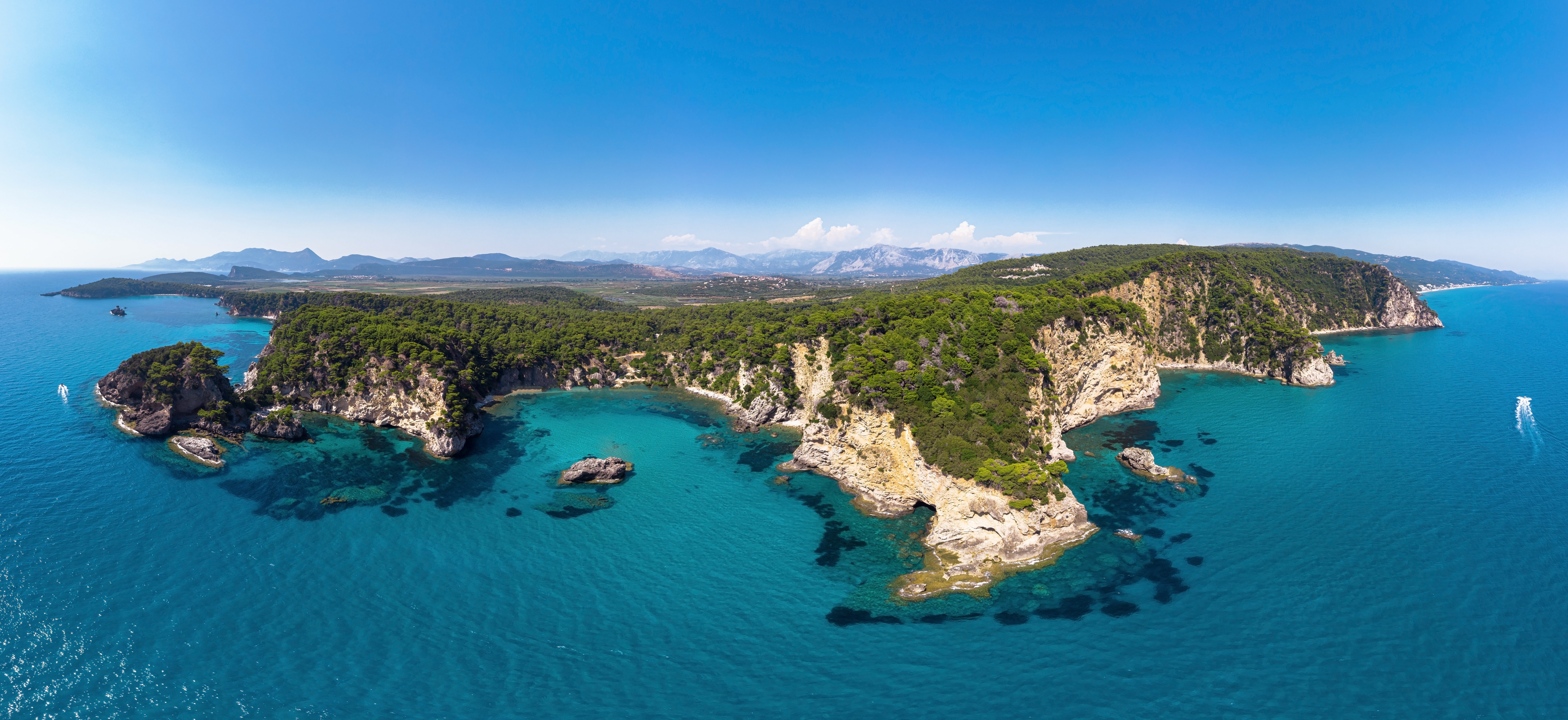
Preveza - Alonaki bay drone view
Preveza is a captivating destination on the Ionian coast, offering a unique blend of ancient history, Venetian charm, and stunning natural landscapes. Known as the “Emerald of Epirus,” the city serves as a gateway to some of Greece’s most significant archaeological sites and breathtaking beaches.
Ancient Landmarks & History
The region around Preveza is steeped in history, most notably as the site of the Battle of Actium.
Archaeological Site of Nicopolis
Ancient Nicopolis is one of the most important archaeological sites in Greece, founded by Octavian (Augustus) to commemorate his victory over Mark Antony and Cleopatra.
Features a massive Roman theater, an impressive stadium, and well-preserved city walls.
Includes ruins of early Christian basilicas with intricate mosaics.
Archaeological Museum of Nicopolis
Archaeological Museum of Nicopolis provides essential context for the ruins, housing a vast collection of artifacts discovered during excavations.
Displays statues, Roman sarcophagi, and everyday objects from the ancient city.
Showcases detailed mosaic floors that highlight the artistic skill of the era.
The Old Town & Waterfront
The heart of modern Preveza is its atmospheric old town and vibrant seaside promenade.
Saitan Bazaar is the narrow, cobblestoned core of the old town, filled with traditional character and local history.
Lined with cozy ouzeris and tavernas serving local specialties like grilled sardines.
Home to unique shops and the historic Saint Charalambos church.
Preveza Marina
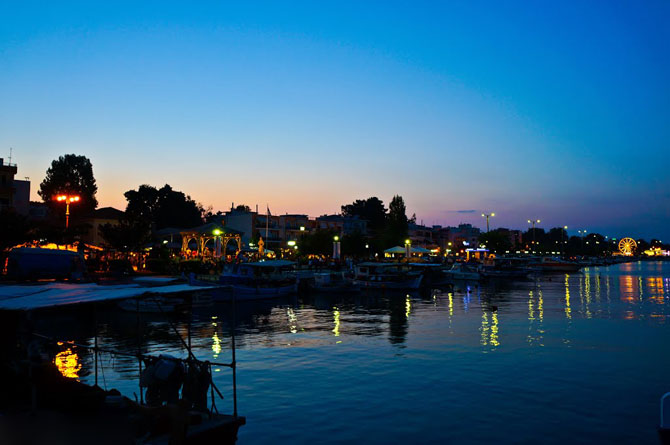
Preveza Marina and the seaside promenade offer a picturesque setting for a leisurely stroll, especially during sunset.
Features a long, pedestrian-friendly walkway with views of the Ambracian Gulf.
Dotted with cafes and bars that stay lively late into the evening.
Fortresses & Castles
Preveza’s strategic location led to the construction of several impressive fortifications by the Venetians and the Ottomans.
Agios Andreas Castle
Agios Andreas Castle sits near the city center and provides a glimpse into the military history of the region.
Offers quiet, shaded walks within its walls.
Hosts various cultural events and exhibitions during the summer months.
Pantocrator Castle
Pantocrator Castle is located at the entrance of the Ambracian Gulf and offers some of the best panoramic views of the sea.
Notable for its well-preserved hexagonal shape and stone masonry.
A popular spot for photographers seeking views of the Ionian horizon.
Nature & Coastal Activities
From expansive sandy shores to unique wetlands, the natural surroundings are a major draw.
Monolithi Beach
Monolithi Beach is famous for being one of the longest sandy beaches in Europe, stretching for several miles along the coast.
Offers crystal-clear turquoise waters and a mix of organized beach bars and secluded spots.
Backed by a lush forest, providing a beautiful natural backdrop for swimmers.
Ambracian Gulf
Ambracian Gulf is a unique ecosystem and national park known for its incredible biodiversity.
Ideal for boat tours where visitors can frequently spot bottlenose dolphins and sea turtles.
A paradise for birdwatchers, home to rare species like the Dalmatian pelican.
Mythical Day Trips
A short drive from the city leads to sites tied to ancient Greek mythology and dramatic landscapes.
Αcheron Springs
Acheron Springs and the Acheron River, known mythologically as the “River of Woe,” offer refreshing outdoor activities.
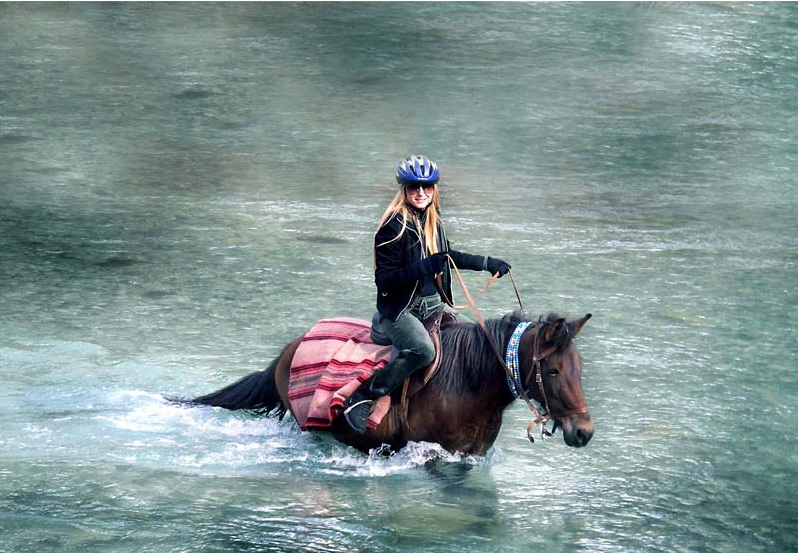
Popular for river trekking, kayaking, and horseback riding through the cold, clear waters.
Features stunning white rock formations and lush greenery.
Necromanteion of Acheron
Necromanteion of Acheron is the ancient “Oracle of Death,” where pilgrims believed they could communicate with the spirits of the deceased.
Located on a hill overlooking the Acheron plain, offering a hauntingly beautiful historical experience.
Features underground chambers and ruins of a sanctuary dedicated to Hades and Persephone.
Preveza - Dusk at promenade
Preveza - Promenade
Arta
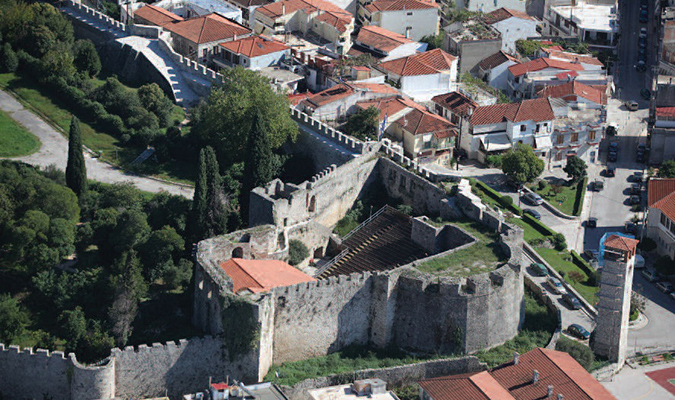
Castle of Arta
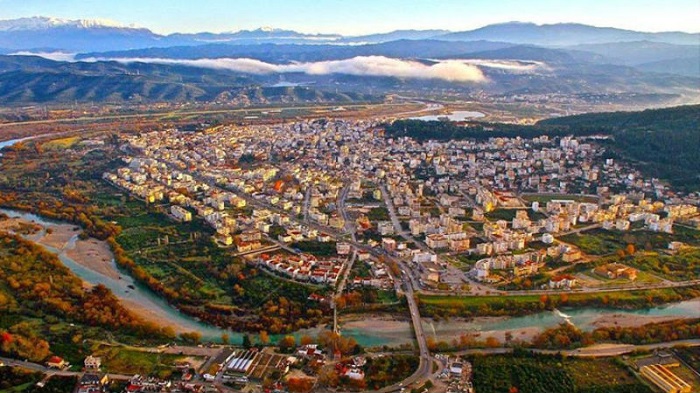
Panoramic view of Arta
Located in the southeastern part of the Epirus region in northwestern Greece, Arta is a regional unit (formerly prefecture) that serves as a bridge between the high mountains of the Pindus range and the serene waters of the Ambracian Gulf. It is a land where ancient history, Byzantine splendor, and rich agricultural traditions converge.
Geography & Nature
Arta’s landscape is defined by its dramatic diversity, ranging from alpine peaks to coastal wetlands.
Mountains & Rivers: The northern part is dominated by the Tzoumerka (Athamanika) mountains, known for their rugged beauty and traditional stone villages. Two major rivers, the Arachthos and the Louros, flow through the region, providing vital irrigation for the fertile plains before emptying into the gulf.
Ambracian Gulf (Amvrakikos): This is one of the most important marine ecosystems in Greece. The gulf’s lagoons are home to a vast array of bird species (including rare Dalmatian Pelicans) and provide a bounty of seafood, particularly the famous Amvrakikos shrimp.
Koronisia: A small, picturesque island-village connected to the mainland by a narrow causeway, offering a unique “island feel” within the lagoon environment.
History & Landmarks
Arta has a deep historical footprint, having served as a major power center during several eras.
Ancient Amvrakia: Founded as a Corinthian colony, it became the capital of Pyrrhus, the King of Epirus, in the 3rd century BCE.
Despotate of Epirus: Following the fall of Constantinople in 1204, Arta became the capital of the Despotate of Epirus, experiencing a golden age of Byzantine art and architecture.
The Bridge of Arta: The city’s most iconic landmark. This Ottoman-era stone bridge is famous throughout Greece for the legend of the “Master Builder’s Wife,” who was supposedly sacrificed within its foundations to ensure the bridge would stand.
Byzantine Churches: The city is a living museum, featuring the Panagia Parigoritria (13th century), renowned for its unique architectural design and mosaics, and Agia Theodora, the patron saint of Arta.
Economy & Modern Life
As of 2026, Arta remains a vital agricultural and transport hub for northwestern Greece.
Agriculture: The Plain of Arta is one of the most fertile areas in Greece. It is the country’s leading producer of citrus fruits (especially oranges and lemons) and kiwis.
Gastronomy: The local economy is bolstered by its food industry, including dairy products (Epirus feta) and the unique seafood of the Amvrakikos Gulf.
Education: The city hosts departments of the University of Ioannina, which brings a youthful energy to the historical center.
Infrastructure: Its position on the Ionia Odos motorway makes it a key transit point between Western Greece and the Epirus highlands.
Ioannina
Drone video of Ioannina lake and island
Ioannina - Panoramic view from Mitsikeli mountain
Ioannina, the vibrant capital of Epirus, is a city where history and nature intertwine seamlessly. Often called “the city of silver,” it is famous for its intricate silversmithing tradition, its legendary lake, and a fortified old town that preserves a unique blend of Byzantine and Ottoman heritage.
Historical Landmarks & The Castle
The heart of Ioannina’s historical identity lies within its massive stone walls, offering a journey back to the era of Ali Pasha and the Byzantine Empire.
Ioannina Castle
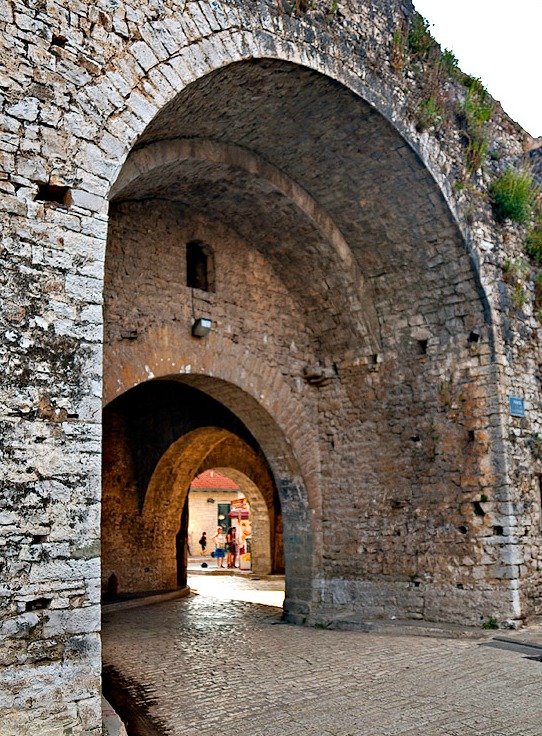
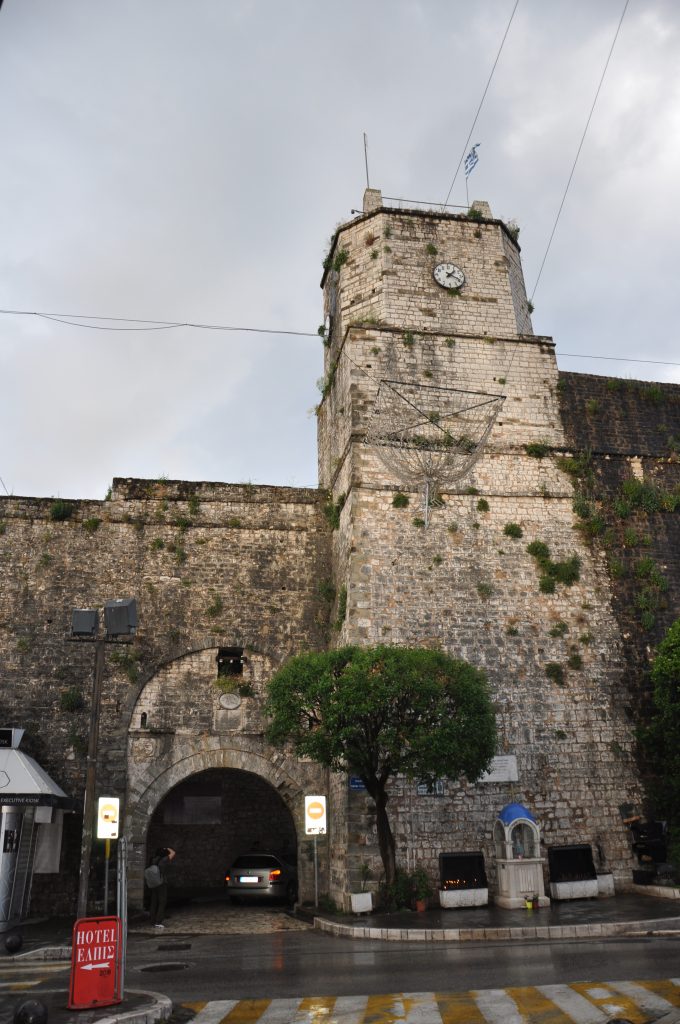
Ioannina Castle is the oldest Byzantine fortress in Greece and remains a living neighborhood with narrow, paved alleys and significant monuments.
Houses the Its Kale citadel, which served as the inner fortress and residence of Ali Pasha.
Ioannina - Castle
Ioannina - castle tower
Fethiye Mosque
Fethiye Mosque , built shortly after the Ottoman conquest, standing near Ali Pasha’s tomb.
Museum of Arslan Pasha
Museum of Arslan Pasha, located in the Aslan Pasha Mosque, which offers panoramic views of the lake and city.
Lake Pamvotida and the Island
The city is defined by its relationship with the water, providing a serene atmosphere and a legendary island shrouded in history.
Lake Pamvotida
Lake Pamvotida is the soul of the city, perfect for a lakeside stroll or a bike ride under the shade of century-old plane trees.
Regular boat trips take visitors to the “Island of Ioannina,” one of the few inhabited lake islands in the world without a formal name.
Ali Pasha Revolutionary Period Museum
On the island, you can visit the Ali Pasha Revolutionary Period Museum , located in the monastery where the famous ruler met his end.
The island’s winding streets are filled with traditional tavernas serving local delicacies like frog legs and eel.
Cultural & Specialized Museums
Ioannina’s museums highlight the region’s artistic excellence and its strategic importance throughout various archaeological periods.
Silversmithing Museum
The Silversmithing Museum is a modern, interactive space located within the Its Kale citadel that celebrates the city’s long-standing craft.
Showcases a stunning collection of silverware, jewelry, and weapons crafted by local masters.
Features multimedia displays explaining the traditional techniques used for centuries in Epirus.
Byzantine Museum of Ioannina
The Byzantine Museum of Ioannina houses a vast collection of artifacts that tell the story of the city during the Byzantine and post-Byzantine eras.
Displays precious icons, silver-bound gospels, and intricate ecclesiastical art.
The building itself is an architectural highlight within the castle’s upper citadel.
Archaeological Museum of Ioannina
The Archaeological Museum of Ioannina, located in a central park, provides a comprehensive look at the history of Epirus from the Paleolithic era to the Roman times.
Contains important finds from the ancient oracle of Dodona, including lead tablets with questions to the gods.
Features impressive Hellenistic sculptures and Bronze Age tools.
Enchanting Zagorohoria
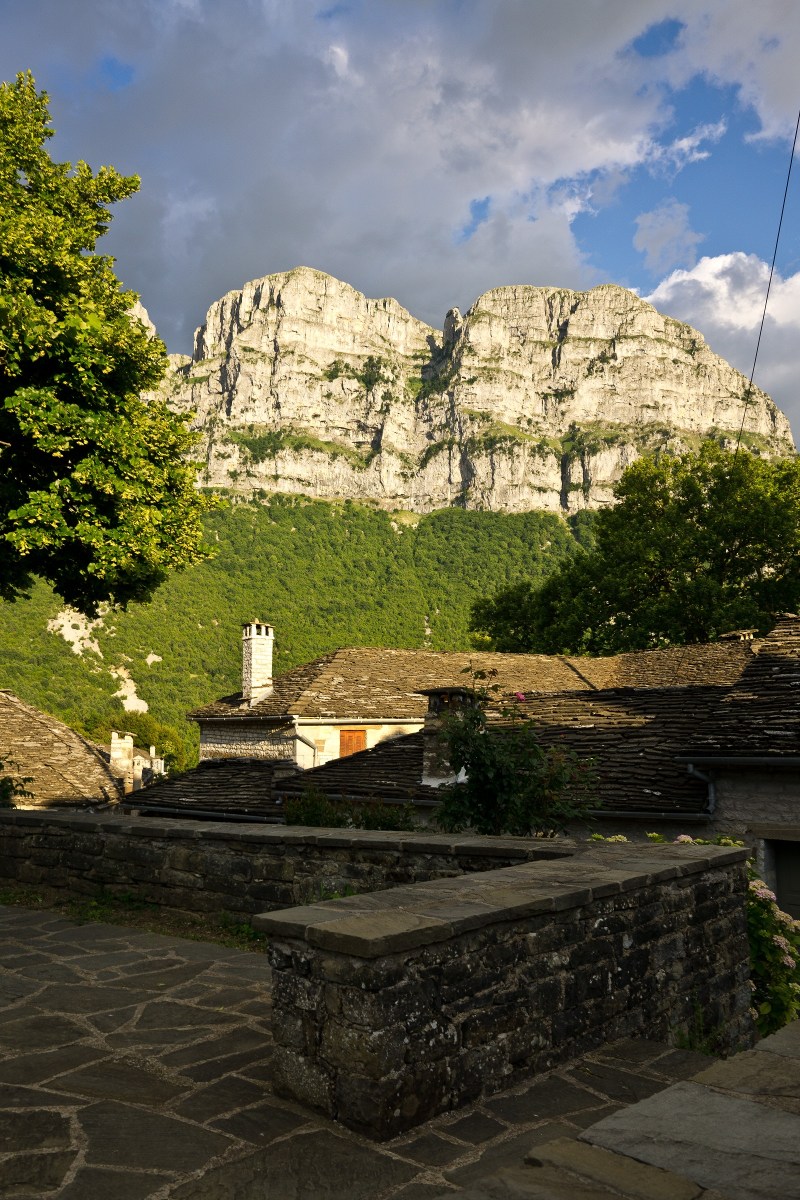
Papingo view of Vikos from village
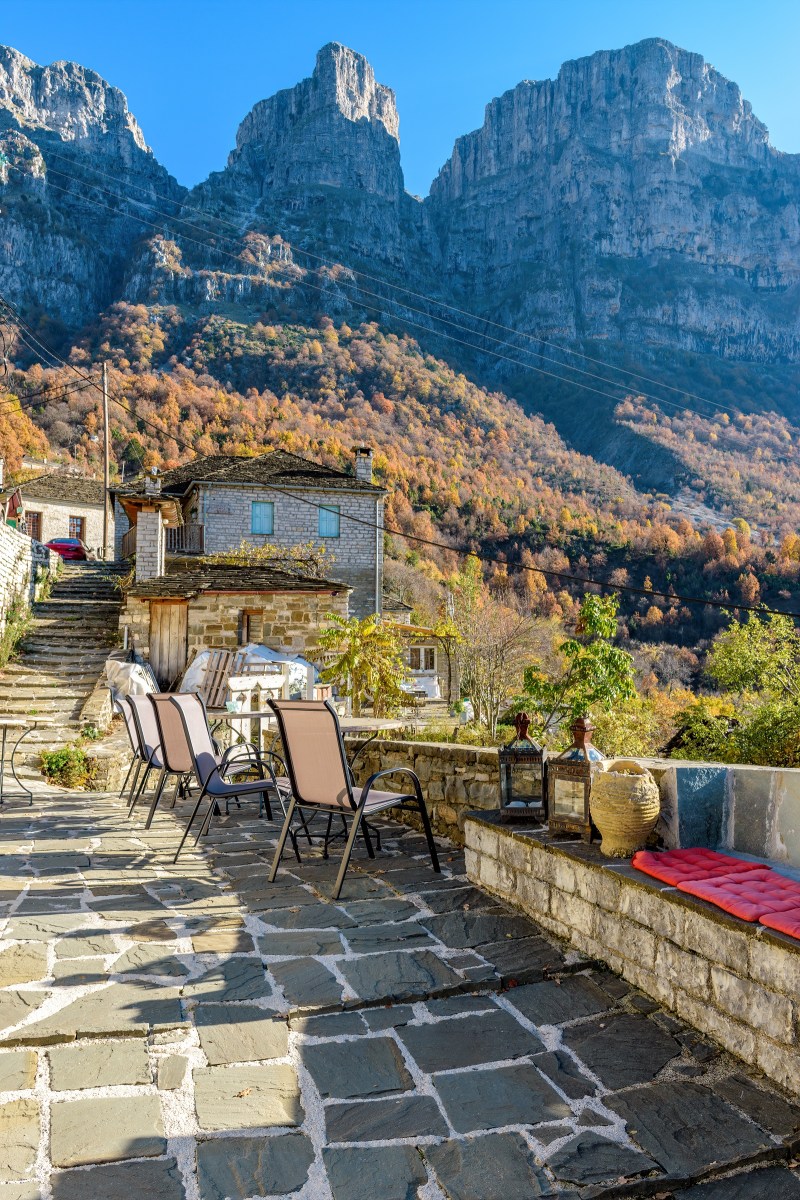
Papingo view of Vikos from porch
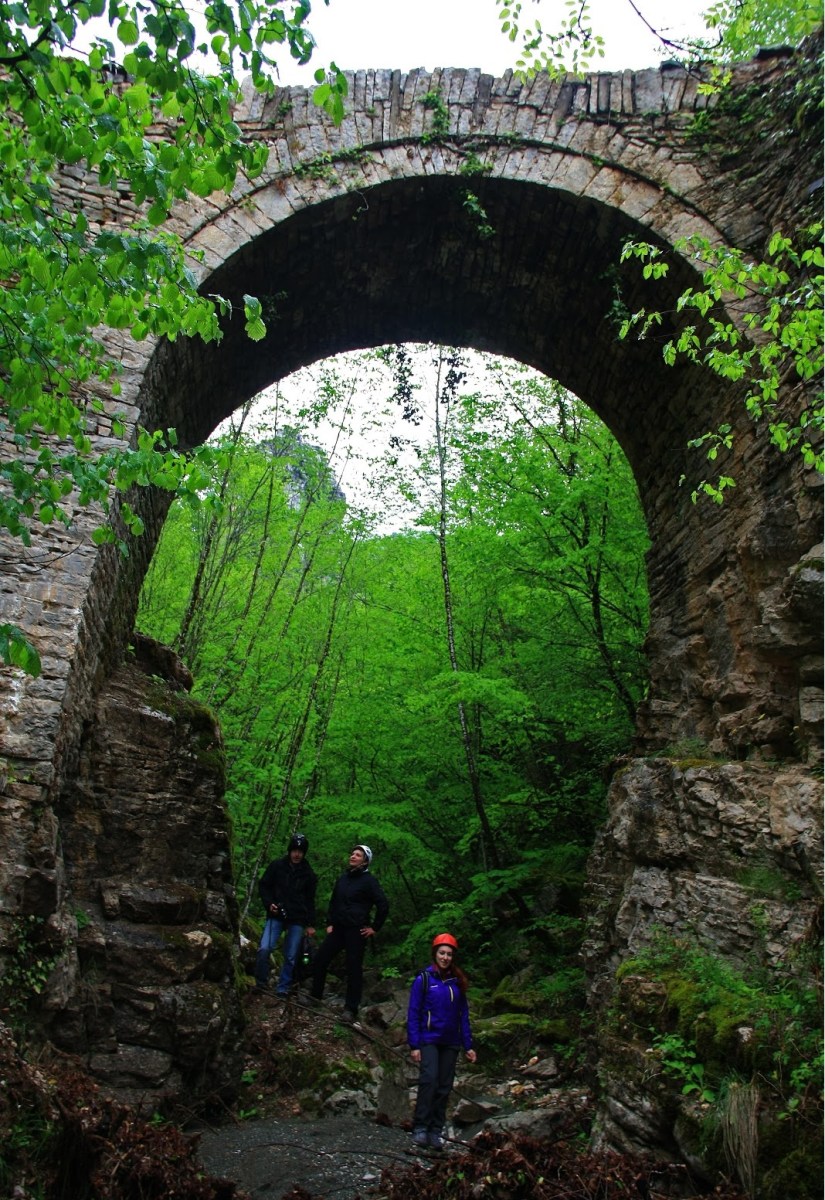
Entrance to Mezaria gorge
Mezaria gorge
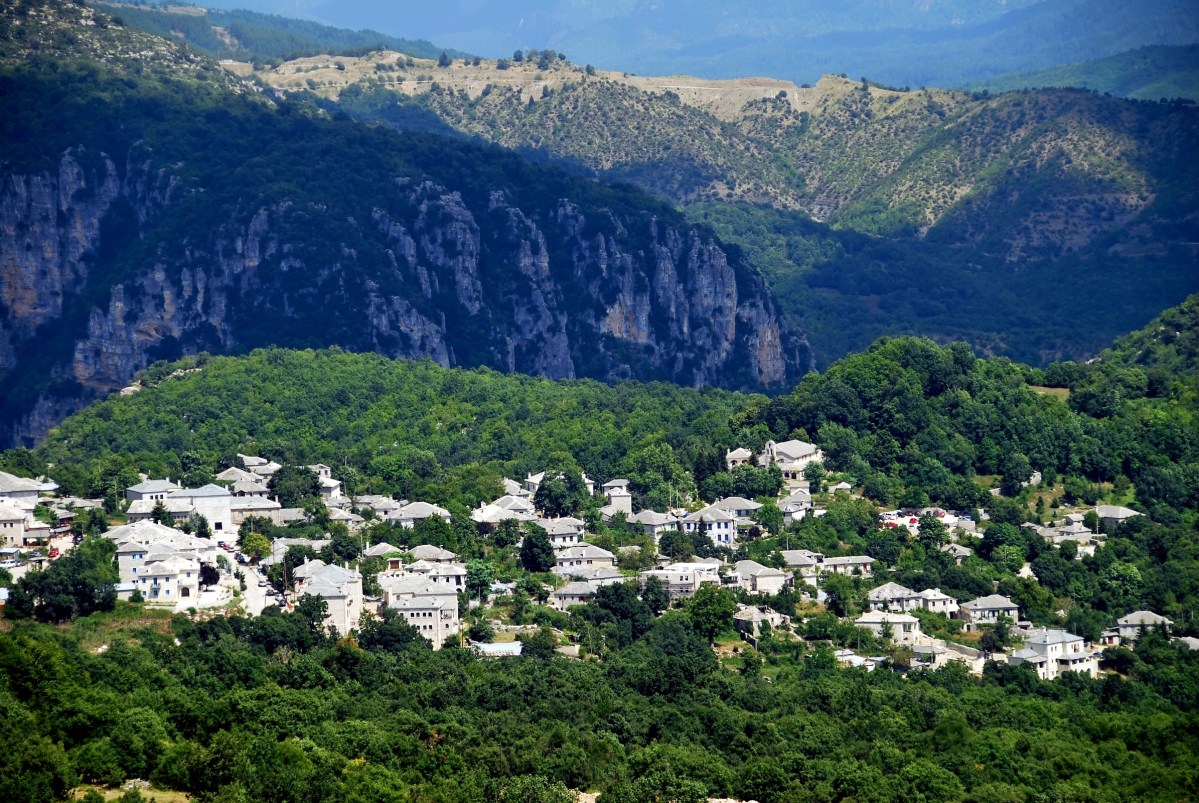
The Zagorohoria (or Zagori villages) are a cluster of 46 traditional stone-built villages tucked away in the Pindus Mountains of Epirus, Northwestern Greece. The name “Zagori” comes from the Slavic za gora, meaning “the place beyond the mountains.”
As of 2023, the region is recognized as a UNESCO World Heritage site, celebrated for its unique cultural landscape where human architecture and rugged nature exist in perfect harmony.
Architecture & Atmosphere
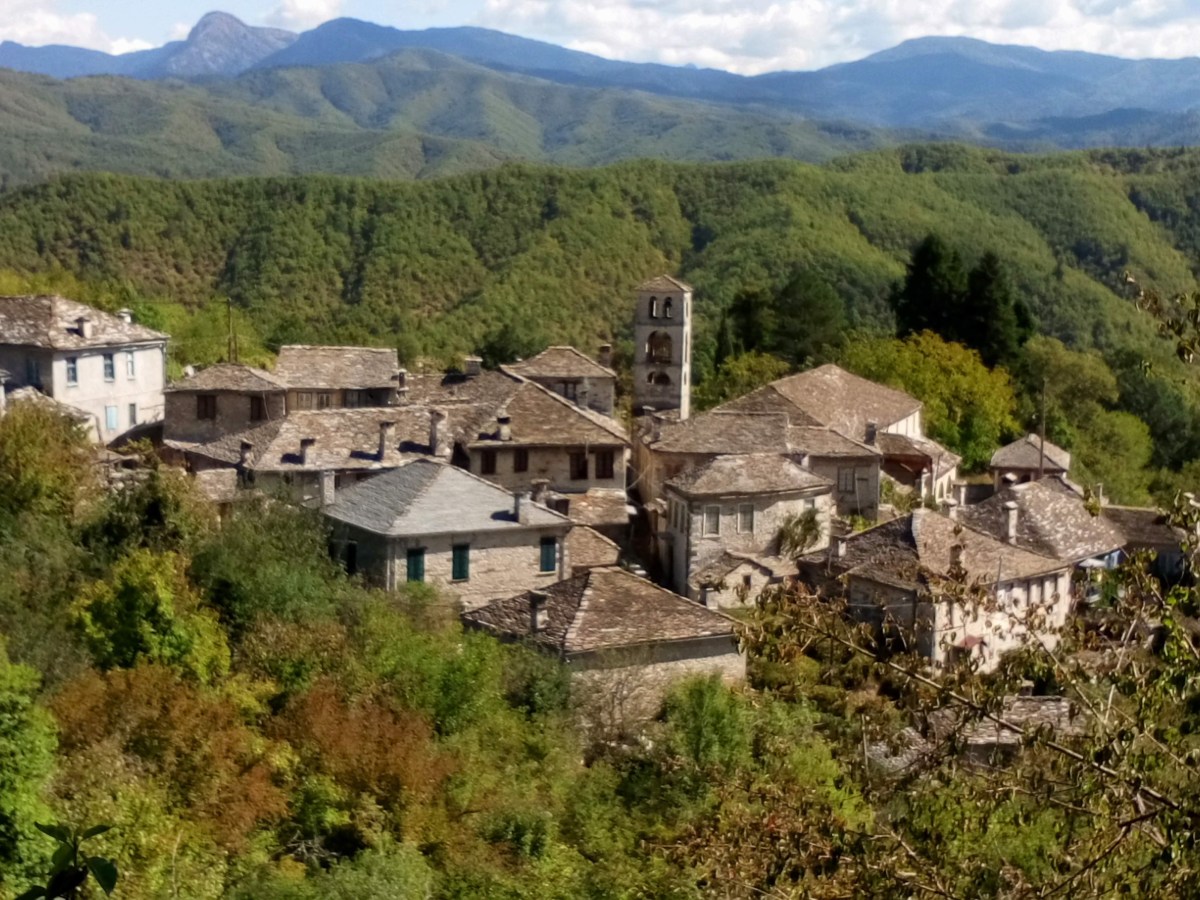
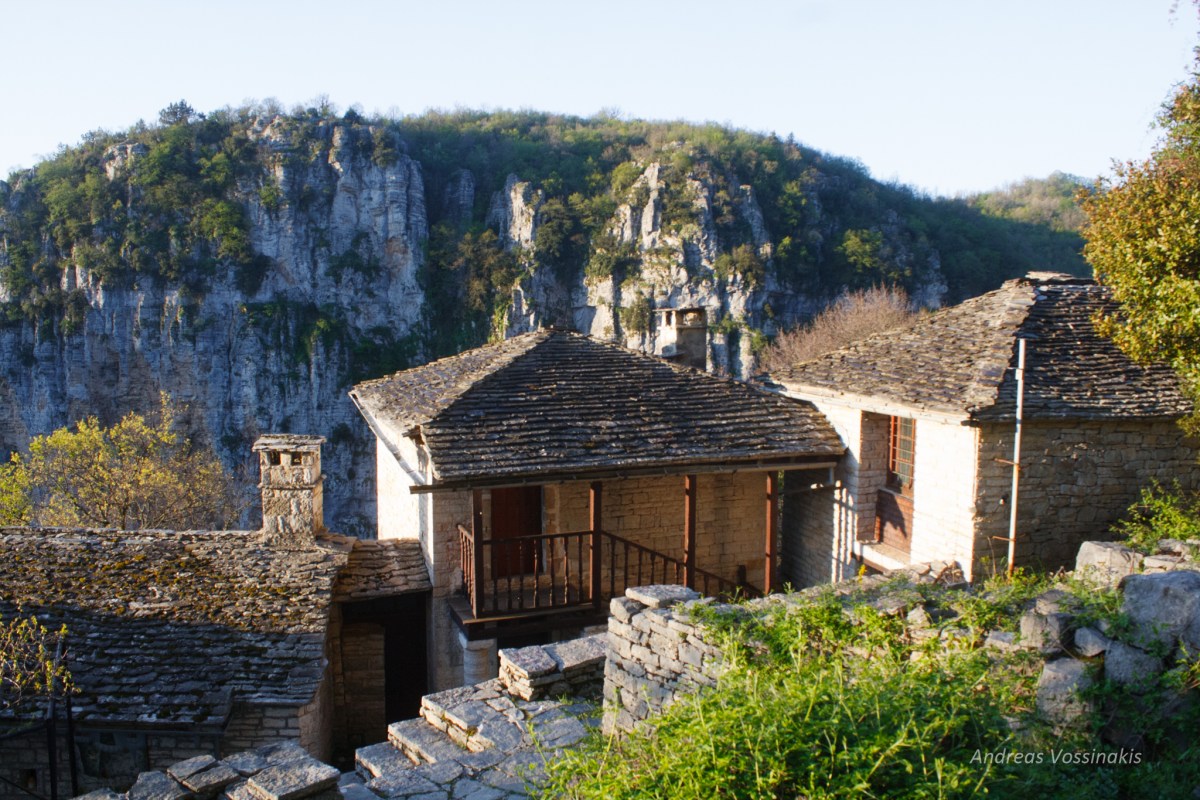
The defining characteristic of Zagorohoria is the masterful use of local stone and grey slate.
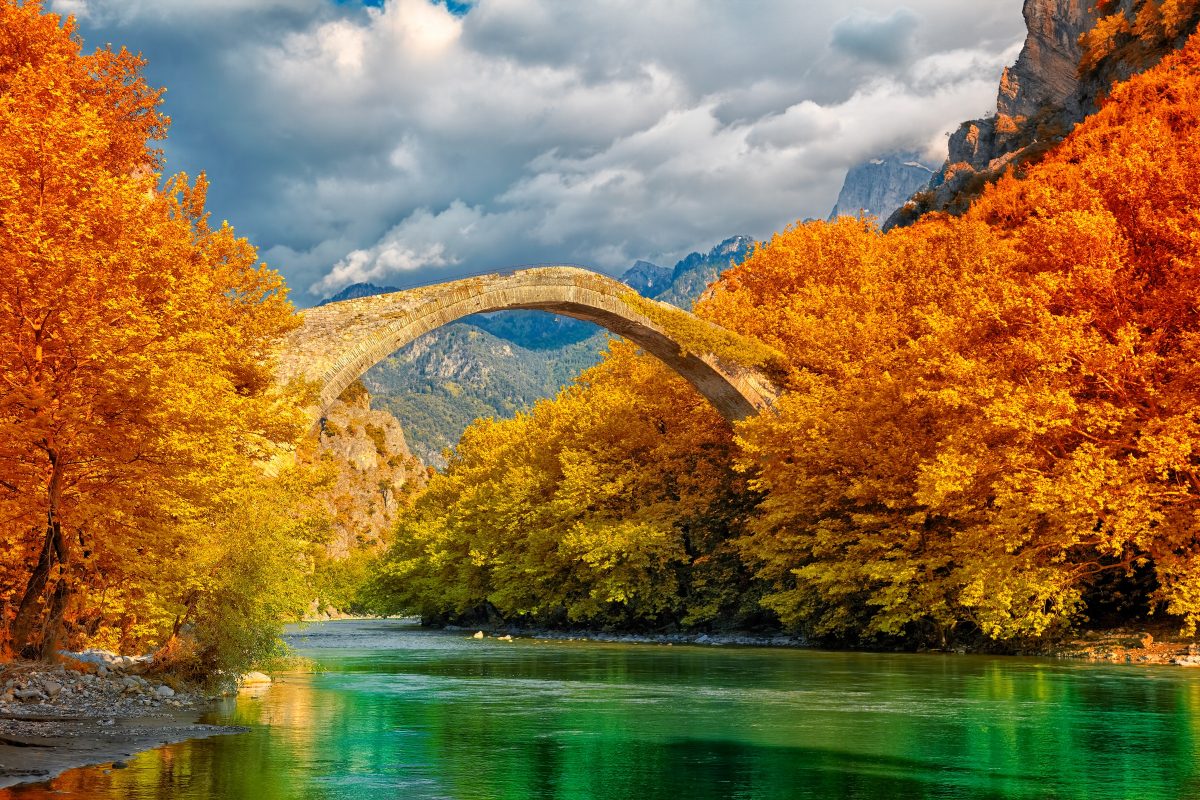
Stone Bridges: The region is famous for its arched stone bridges (like Kokkoris and Plakidas) that once served as the only connections between villages.
Cobbled Paths (Kalderimia): Each village is a maze of narrow, hand-laid stone streets designed for foot and mule traffic.
Village Layout: Most villages are centered around a mesochori (central square) featuring a massive, ancient plane tree and a local church.
Natural Highlights
Zagori is home to some of the most dramatic landscapes in Europe:
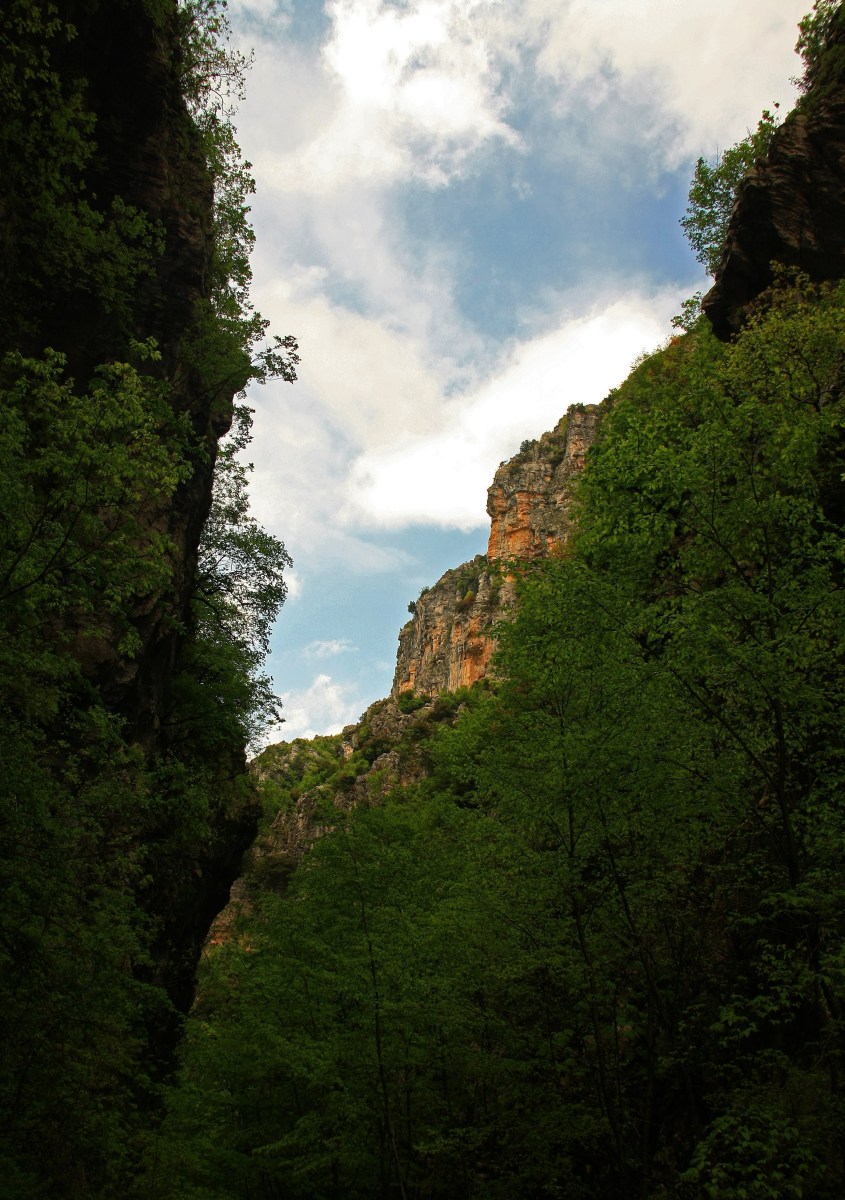
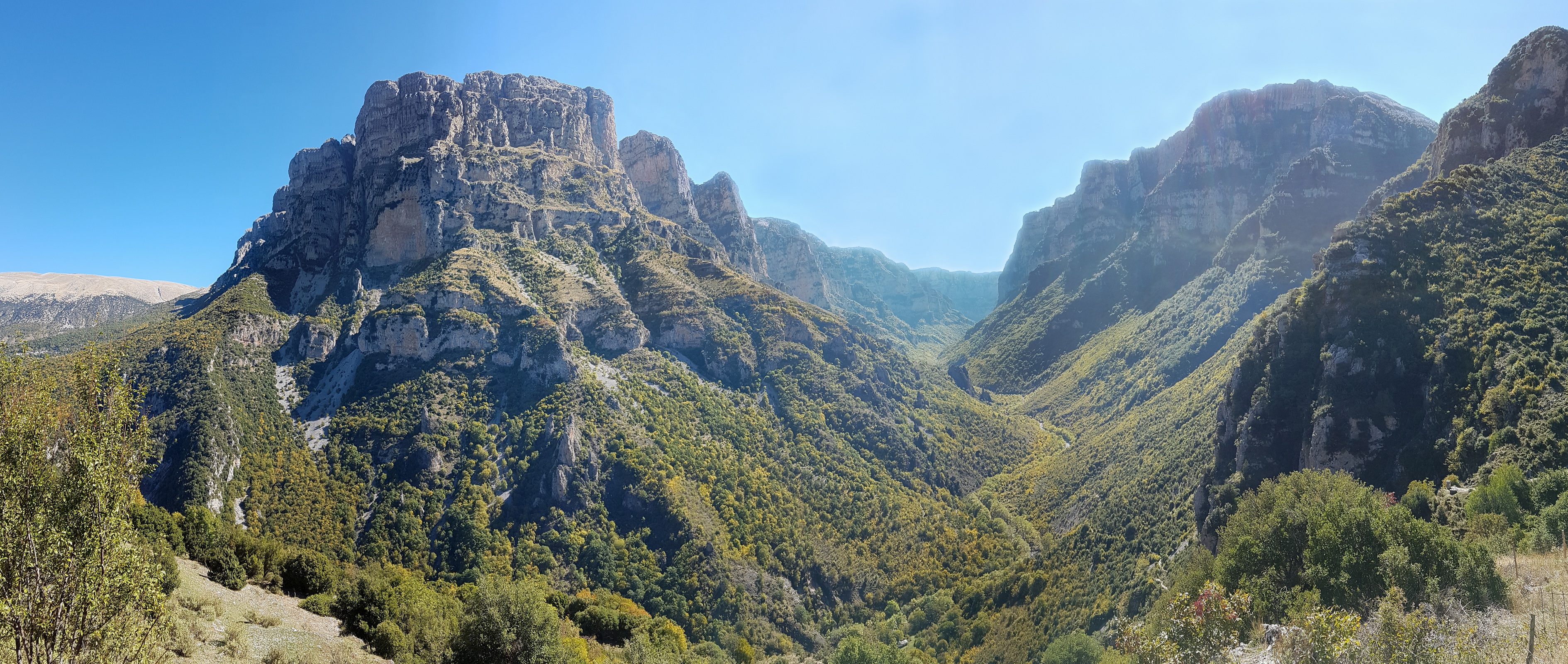
Vikos Gorge: Listed in the Guinness Book of Records as the deepest gorge in the world relative to its width. It offers some of the most spectacular hiking in Greece.
Voidomatis River: Known for being one of the cleanest and coldest rivers in Europe, its turquoise waters are iconic.
Drakolimni (Dragon Lake): An alpine lake located at an altitude of $2,050$ meters on Mt. Tymfi, reachable only by a challenging but rewarding hike.
The Stone Forest: A natural geological formation of layered limestone rocks that look like man-made towers.
Top Villages to Visit
While there are 46 villages, these are the most popular “hubs”:
Papingo (Megalo & Mikro): Perhaps the most famous, situated under the “Towers of Astraka” rock formations.
Monodendri: The primary starting point for hikes into the Vikos Gorge and home to the stunning Agia Paraskevi monastery.
Aristi: A picturesque gateway village with great views and high-end boutique stays.
Dilofo: One of the best-preserved villages where cars are strictly forbidden inside the settlement.
Key Experiences
Hiking: The trail from Monodendri to Vikos village is the classic route.
Rafting: The Voidomatis river is perfect for beginners and offers incredibly scenic views.
Local Gastronomy: You must try the Zagori Pies (Alevropita or flour pie is the local specialty) and the local mountain tea.
Pro Tip: Zagorohoria is a year-round destination. While summer is great for hiking and rafting, autumn brings stunning foliage, and winter offers a cozy, misty atmosphere perfect for sitting by a stone fireplace.
Vikos gorge panoramic view
Paleopyrgos
Zagoria Voidomatis river
Konitsa bridge over Aoos river
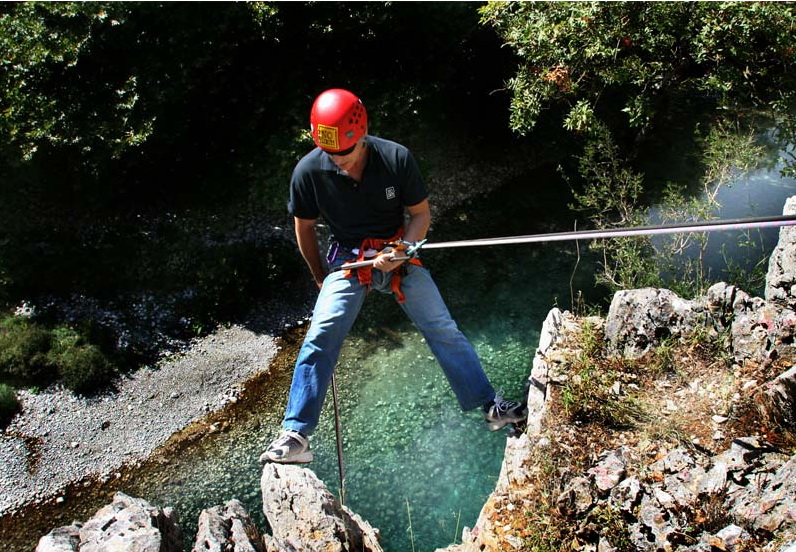
Zagoria climbing
Zagoria horse riding
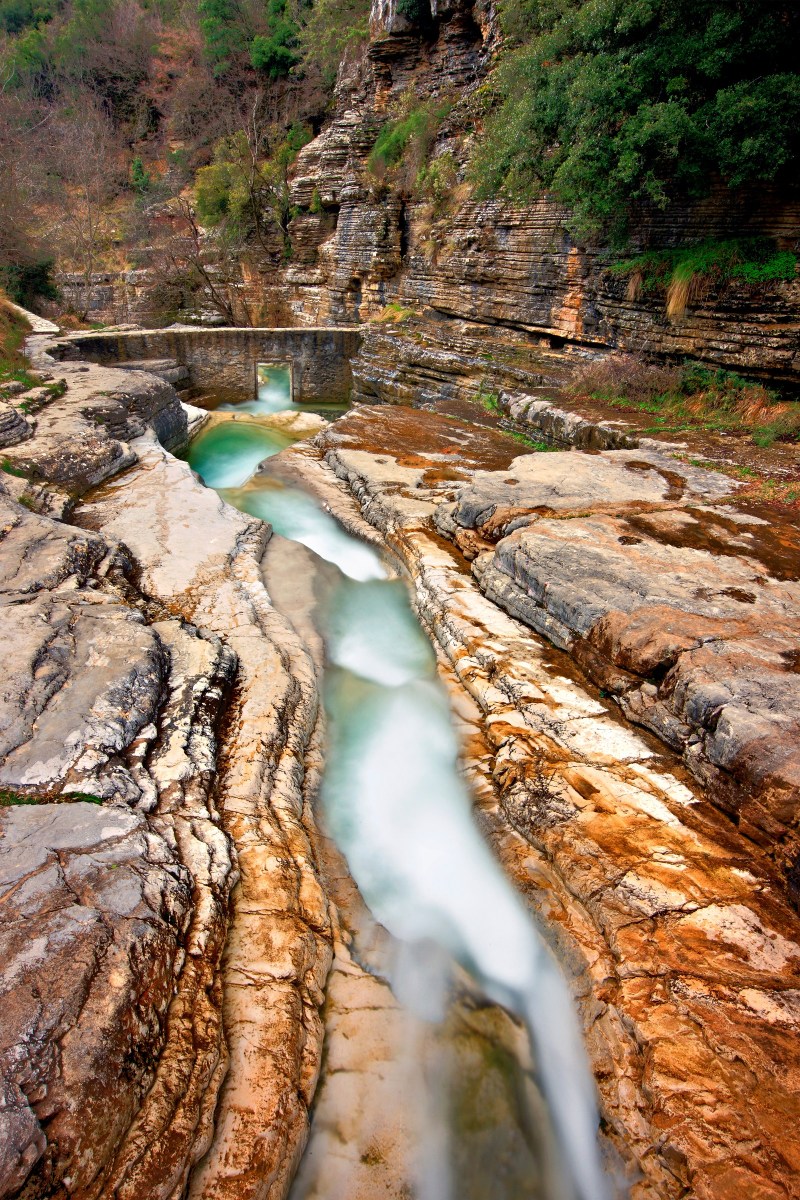
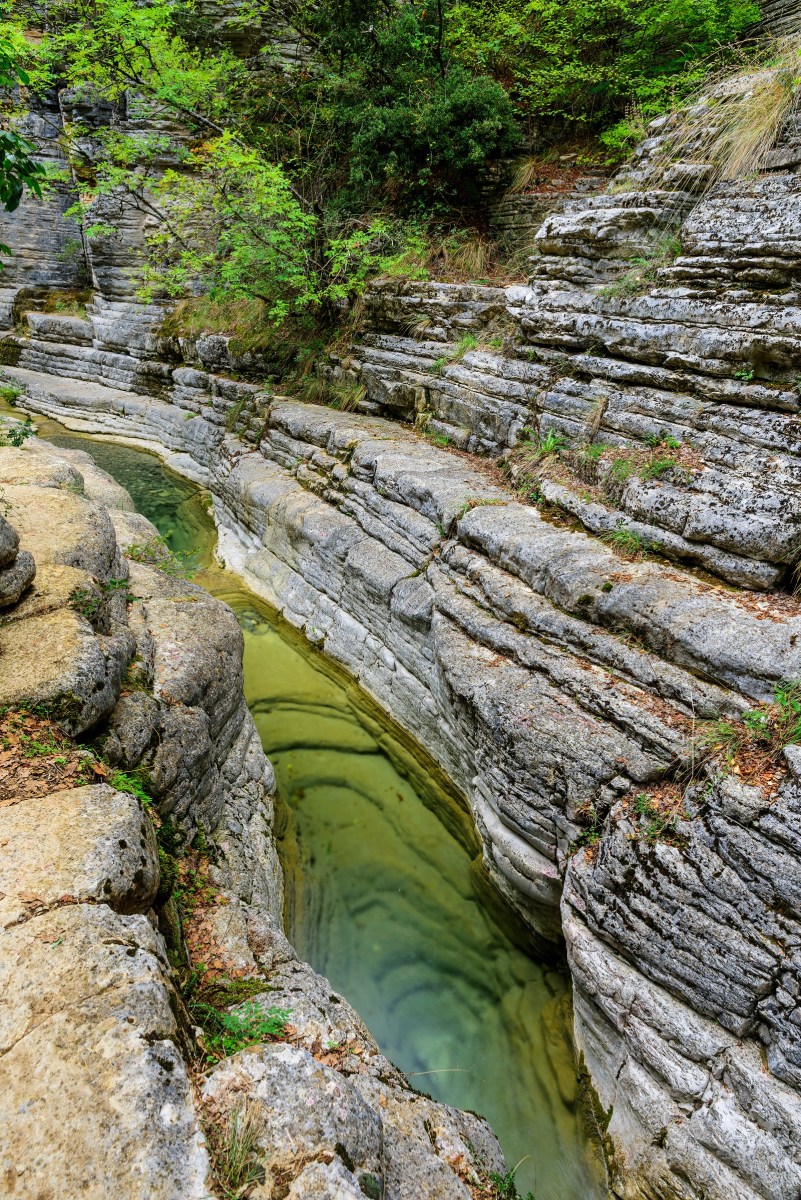
Papingo ovires (pools)
Papingo ovires (pools)
Dilofo village
Village of Monodendri
Forest of rocks in Monodendri
Ag. Paraskevi monastery
Vineyards in Zitsa
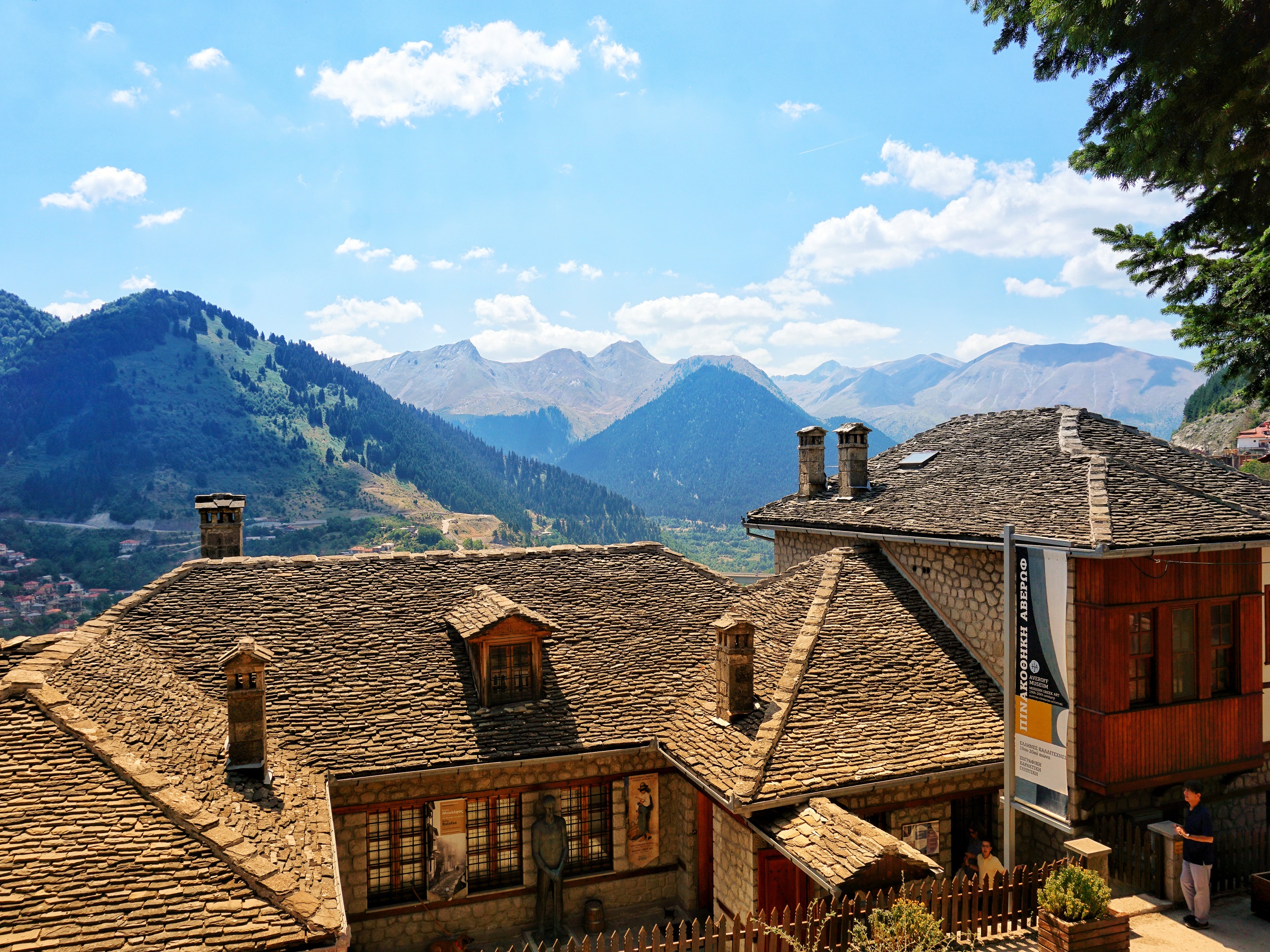
Metsovo
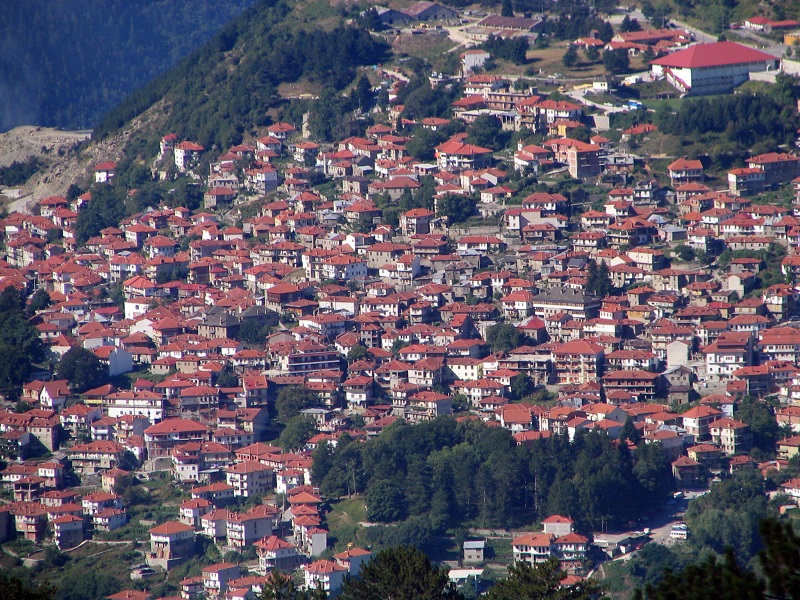
Metsovo panoramic view
Metsovo - built on the hillside
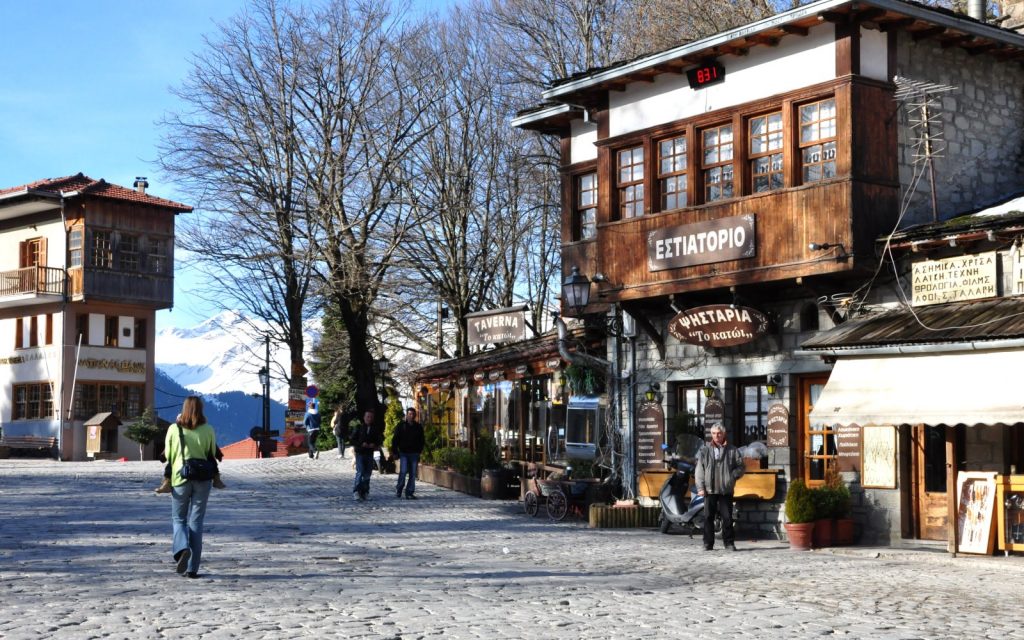
Metsovo - Pedestrian road
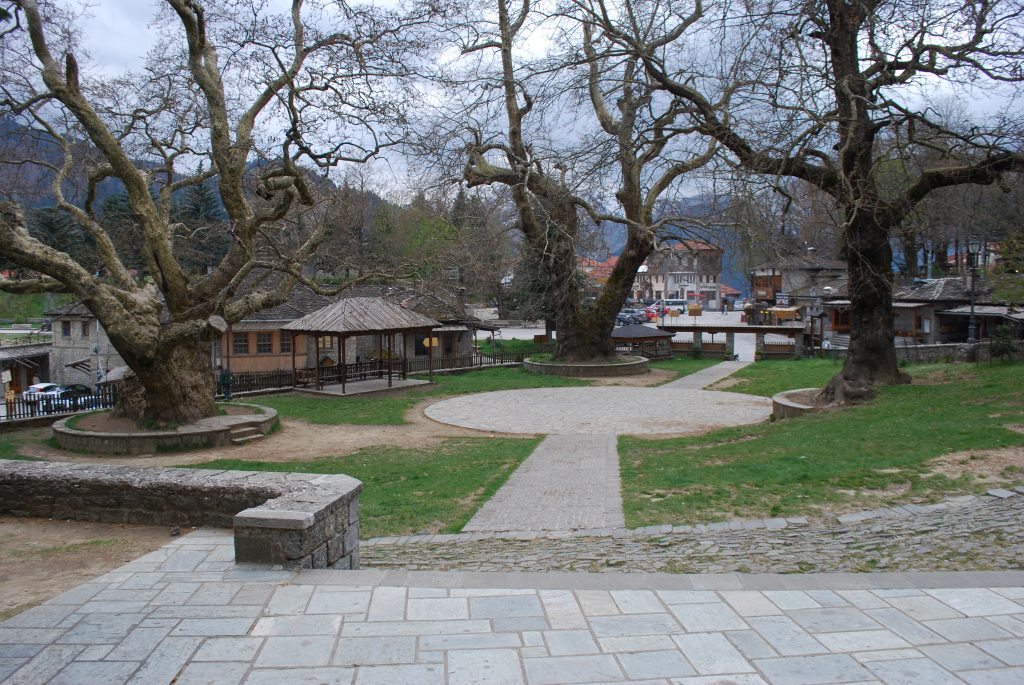
Metsovo - Frourio square
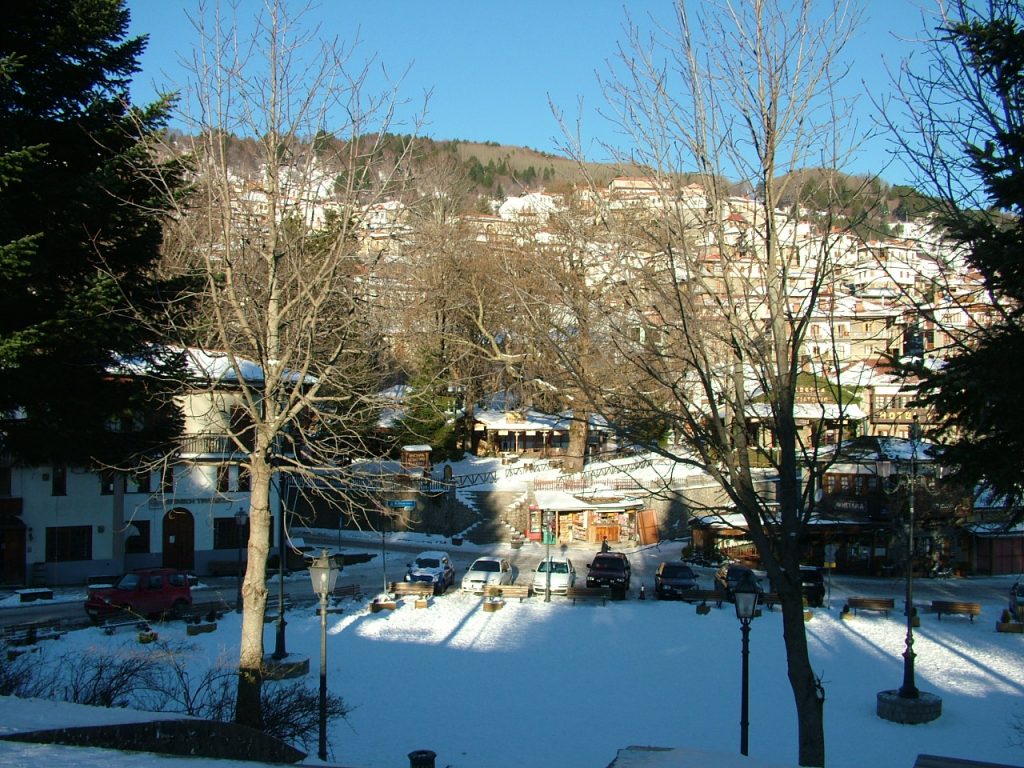
Metsovo - Square
Metsovo - traditional architecture
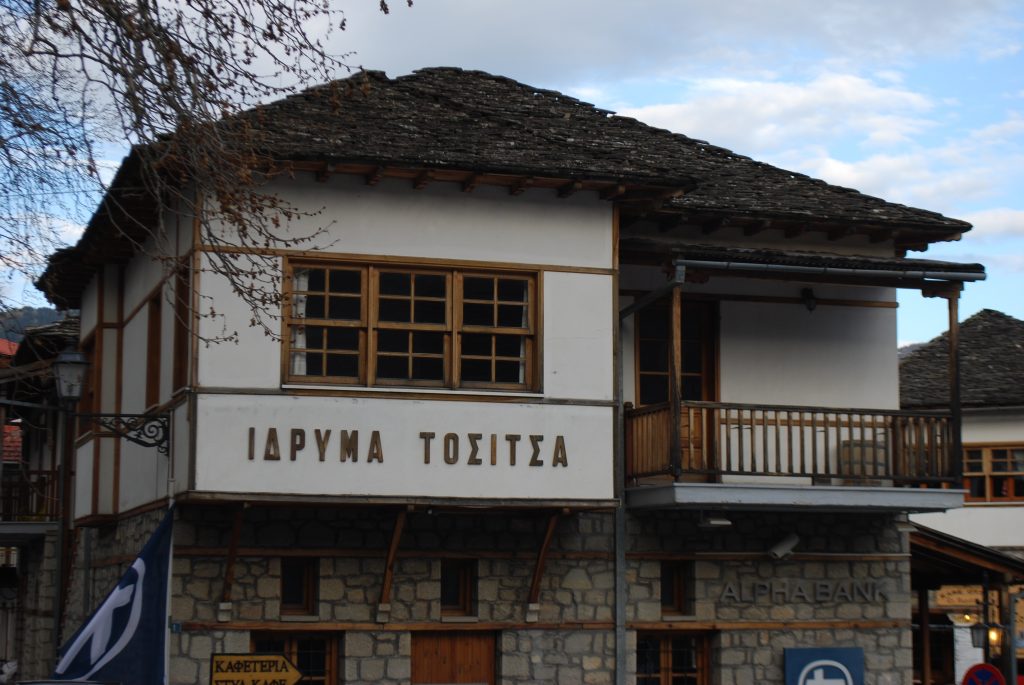
Metsovo - Tositsa Foundation
Thesprotia
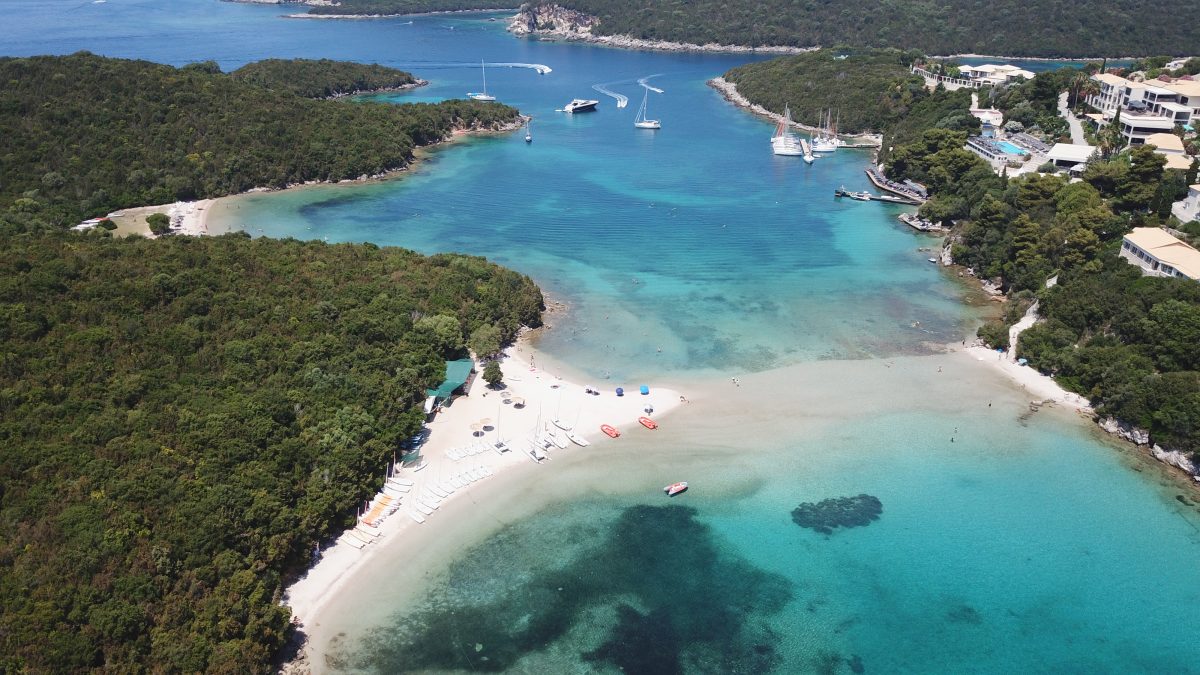
Syvota aerial view
Thesprotia, located in the northwestern corner of Epirus, offers dramatic contrasts. It transitions from the turquoise waters of the Ionian coast to the rugged, historical mountains of the interior and myths of the Underworld. Often bypassed by travelers rushing to the islands, it is a hidden gem for those who love “off-the-beaten-path” exploration.
Coastal Villages & Beaches
Thesprotia’s coastline is famous for its lush greenery that reaches right down to the sea, creating a “Caribbean of the Ionian” vibe.
These are the primary destinations for travelers looking for beaches, seafood, and harbor views.
Syvota: Often called the “Caribbean of Greece” due to its lush green islets and crystal-clear bays (like Bella Vraka). It’s a sophisticated resort village with a beautiful marina. A picturesque seaside village surrounded by small islands. It’s best explored by renting a small motorboat to visit hidden coves.
Bella Vraka Beach: A unique beach where you can walk through knee-deep sea water to cross from the mainland to the islet of Mourtemeno.
Plataria: A peaceful fishing village located in a deep bay. It is a favorite for sailing enthusiasts and is famous for its fresh fish tavernas along the waterfront.
Sagiada: The westernmost village in mainland Greece, right on the border with Albania. It’s known for its “Skala” (port area) and incredible sunsets.
Perdika: Perched on a hill between Parga and Syvota, this village offers stunning views of the Ionian Sea and is home to the popular Karavostasi Beach.
Karavostasi Beach: A long, wide stretch of sand and pebbles near Perdika, perfect for those seeking a more organized yet spacious beach experience.
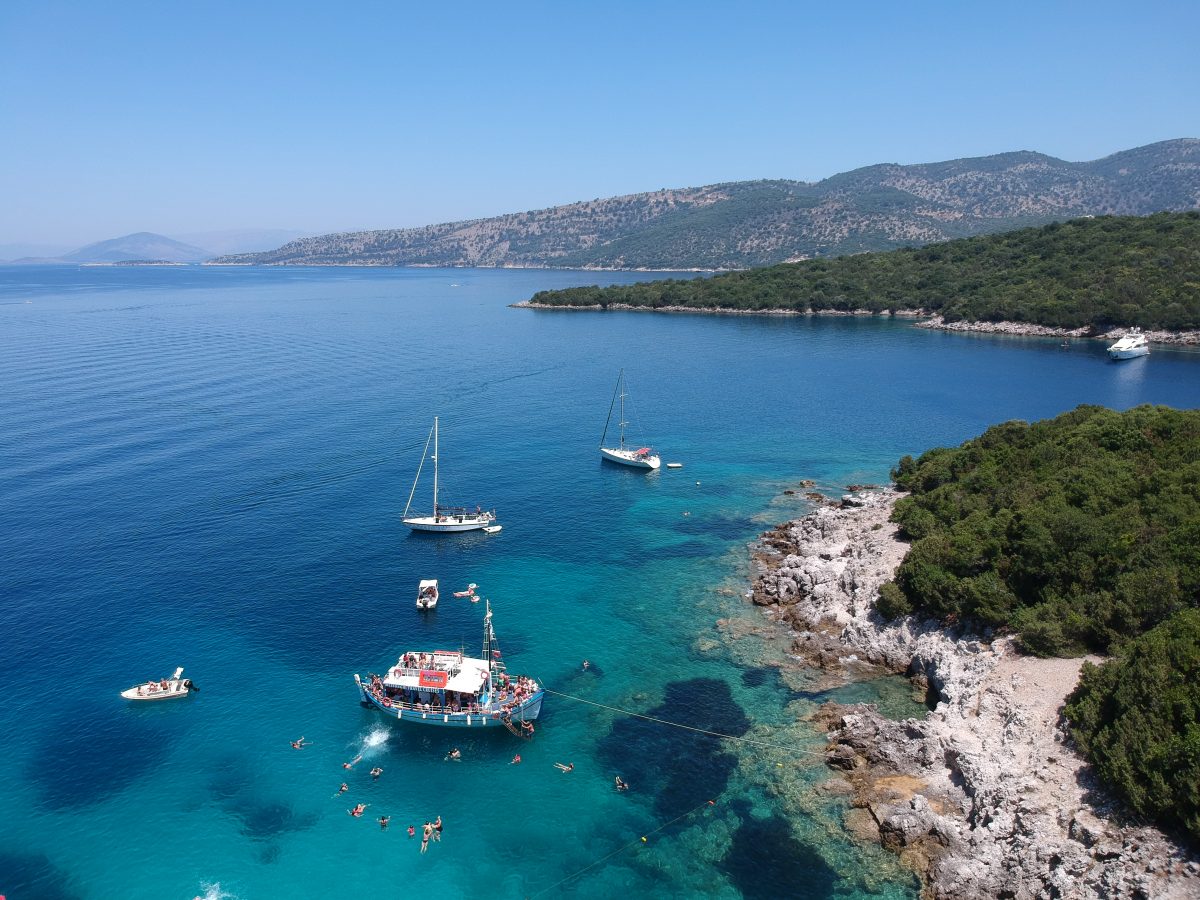
Blue Lagoon (Pisina): Located on the island of Agios Nikolaos and accessible only by boat, it features some of the clearest, most vibrant turquoise water in Greece.
Historical & Mountain Villages
These villages are steeped in history, traditional stone architecture, and proximity to natural wonders like the Acheron River.
Glyki: Located at the foot of the Souli mountains, this village is the gateway to the Acheron River Springs. According to mythology, this was the entrance to the Underworld.
Lia: A remote mountain village made famous by Nicholas Gage’s book Eleni. It sits high on the slopes of Mount Mourgana and features traditional stone houses.
Filiates: While technically a small town, it serves as the hub for dozens of picturesque “stone villages” in the northern part of the region, such as Giromeri (known for its historic monastery).
Paramythia: An amphitheater-style town built on the slopes of Mount Gorila. It is rich in Byzantine and Ottoman history, featuring the Koulia Tower and ancient Byzantine baths.
Souli Villages (Samonida, Tsangari, Avlotopos): These are the legendary “martyr villages” of the Souliotes, known for their fierce resistance against Ottoman rule.
The Mythical Acheron River
According to Greek mythology, the Acheron was one of the five rivers of the Underworld. Today, it is a paradise for outdoor enthusiasts.
Acheron Springs (Glyki): You can hike directly in the riverbed, as the water is shallow and crystal clear (though very cold!).
River Activities: The area is a hub for rafting, kayaking, and horseback riding through the water.
The Necromanteion of Acheron: Located near the village of Mesopotamos, this ancient temple was believed to be the doorway to Hades where the living could commune with the dead.
History & Culture
Beyond the coast, Thesprotia hides significant archaeological and religious sites.
Ancient Gitana: Once the capital of ancient Thesprotia, this site features a well-preserved theater and ruins nestled in a bend of the Kalamas River.
Monastery of Giromeri: An 11th-century Byzantine monastery perched on a rocky slope. It is a place of profound silence and stunning views.
Souli: A historic mountain area known for the fierce resistance of the Souliotes against Ottoman rule. You can visit the Kiafa Castle and see the monuments dedicated to these legendary heroes.
Paramythia: A traditional town built at the foot of Mount Gorila, featuring a Byzantine castle and Ottoman-era architecture.
Igoumenitsa: The Gateway
As the capital and main port of Thesprotia, Igoumenitsa serves as a vital link between Greece, Italy, and the Ionian Islands.
Stroll the Promenade: A long, palm-lined waterfront perfect for a sunset walk or cycling.
Drepano Beach: A thin strip of land near the city with shallow waters, popular with locals and windsurfers.
Archeological Museum: A modern museum showcasing the region’s history from the Paleolithic era to the Roman period.
Syvota Bella Vraka
Syvota Blue Lagoon
If you are ready for Epirus (Ipiros), reach out below