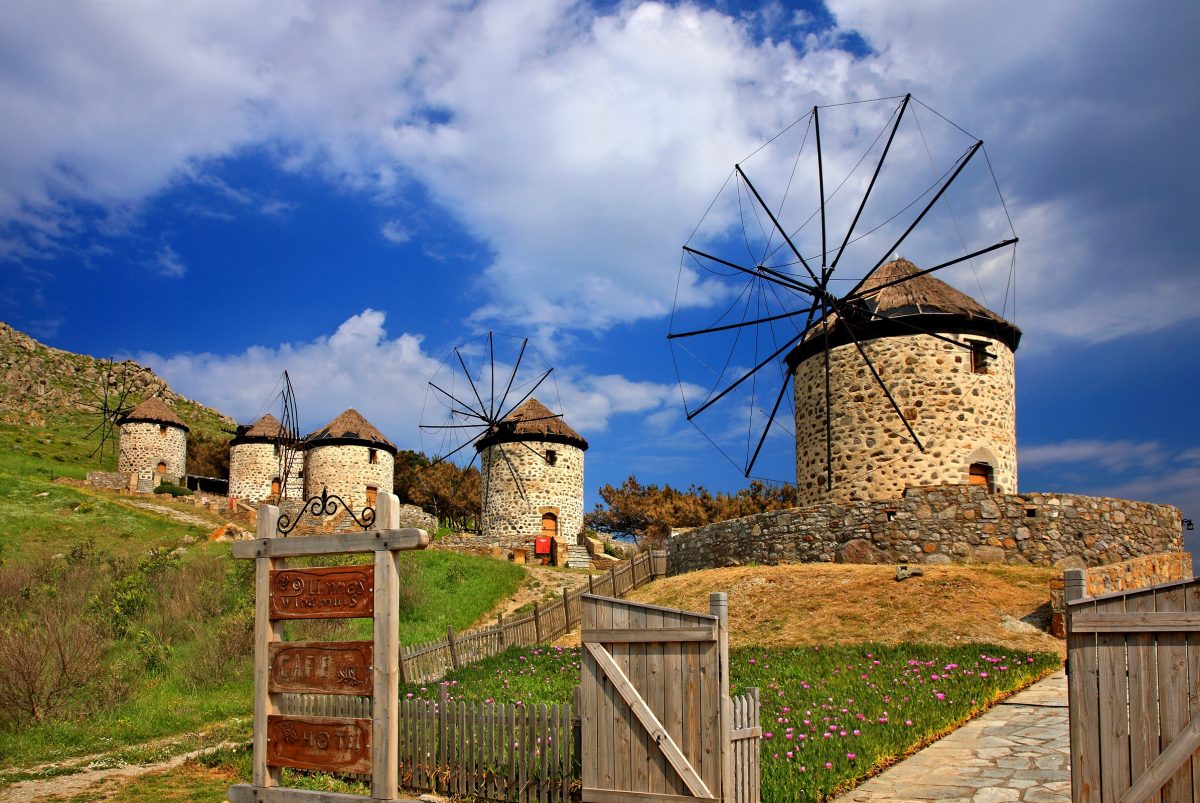
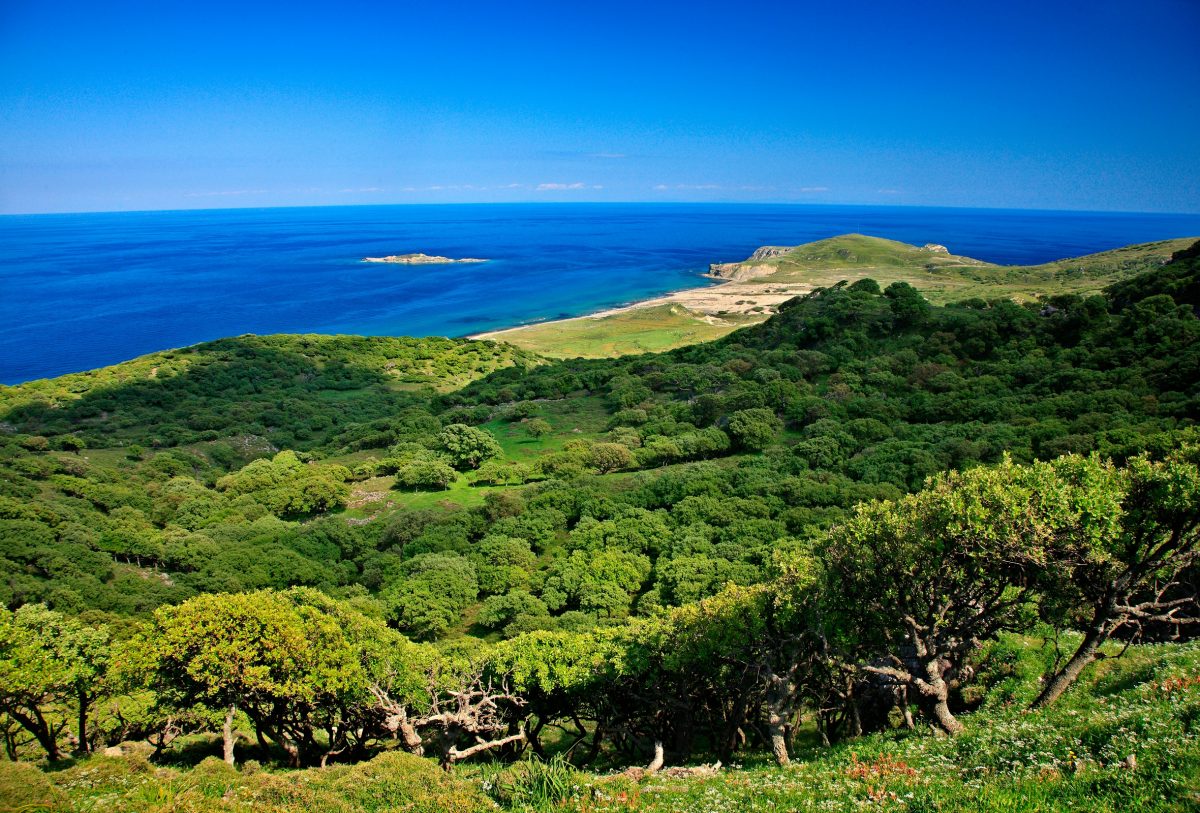
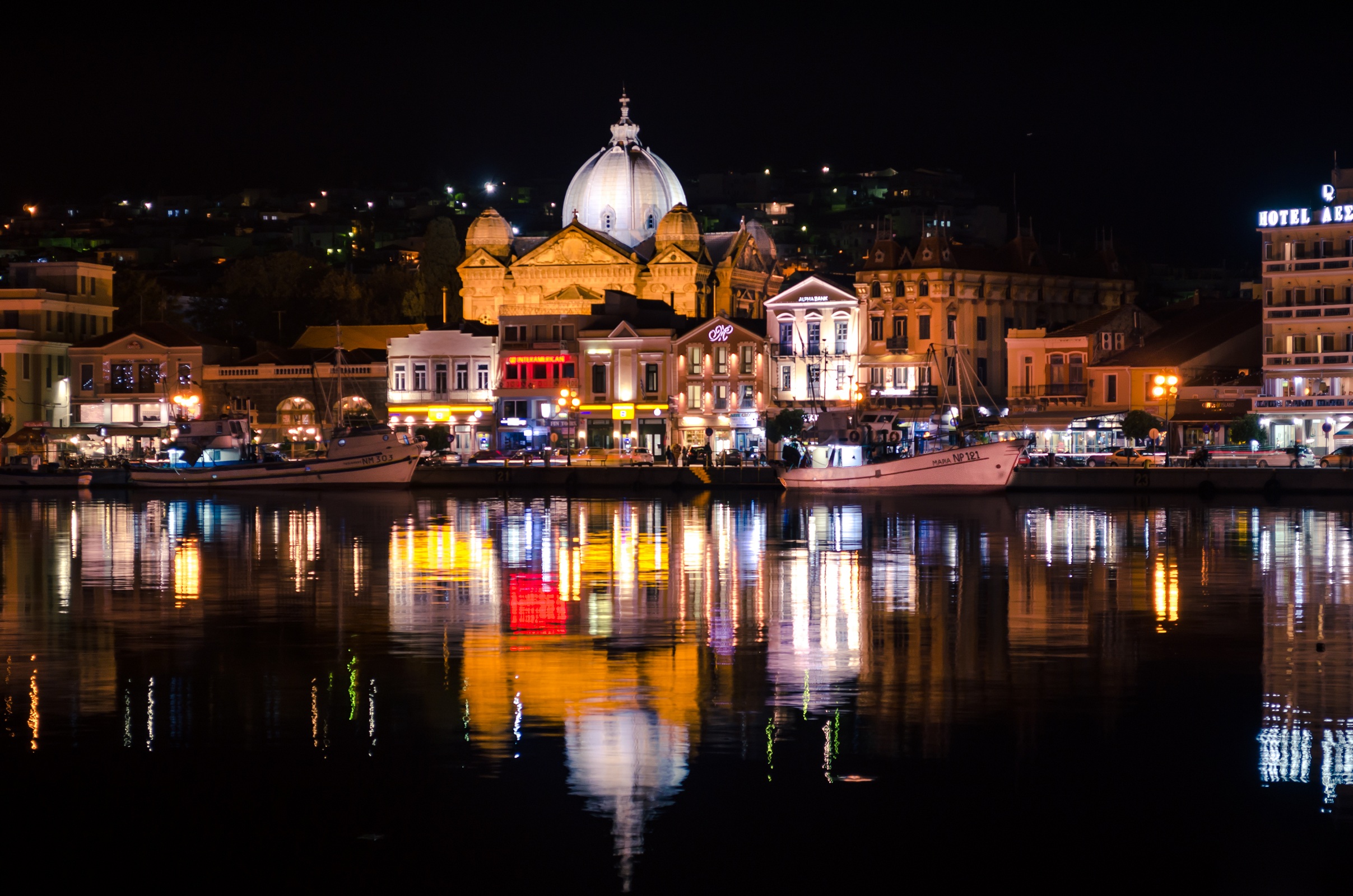
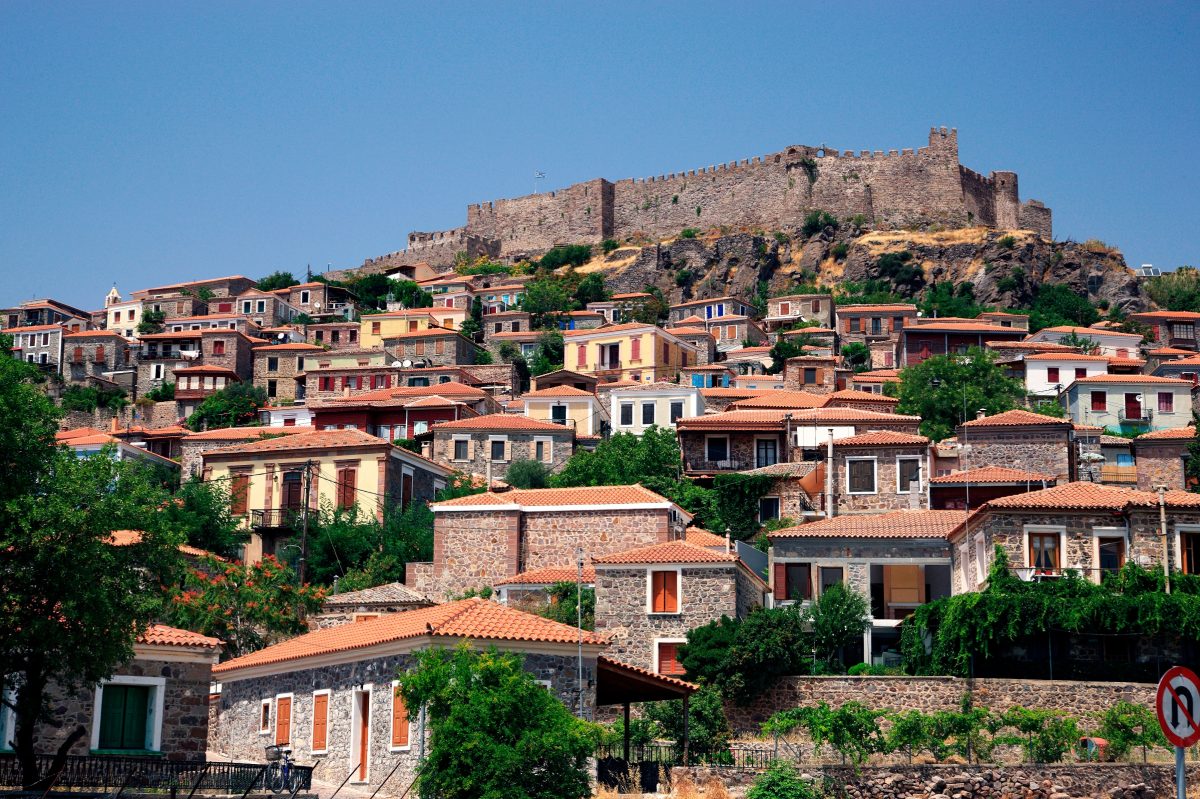
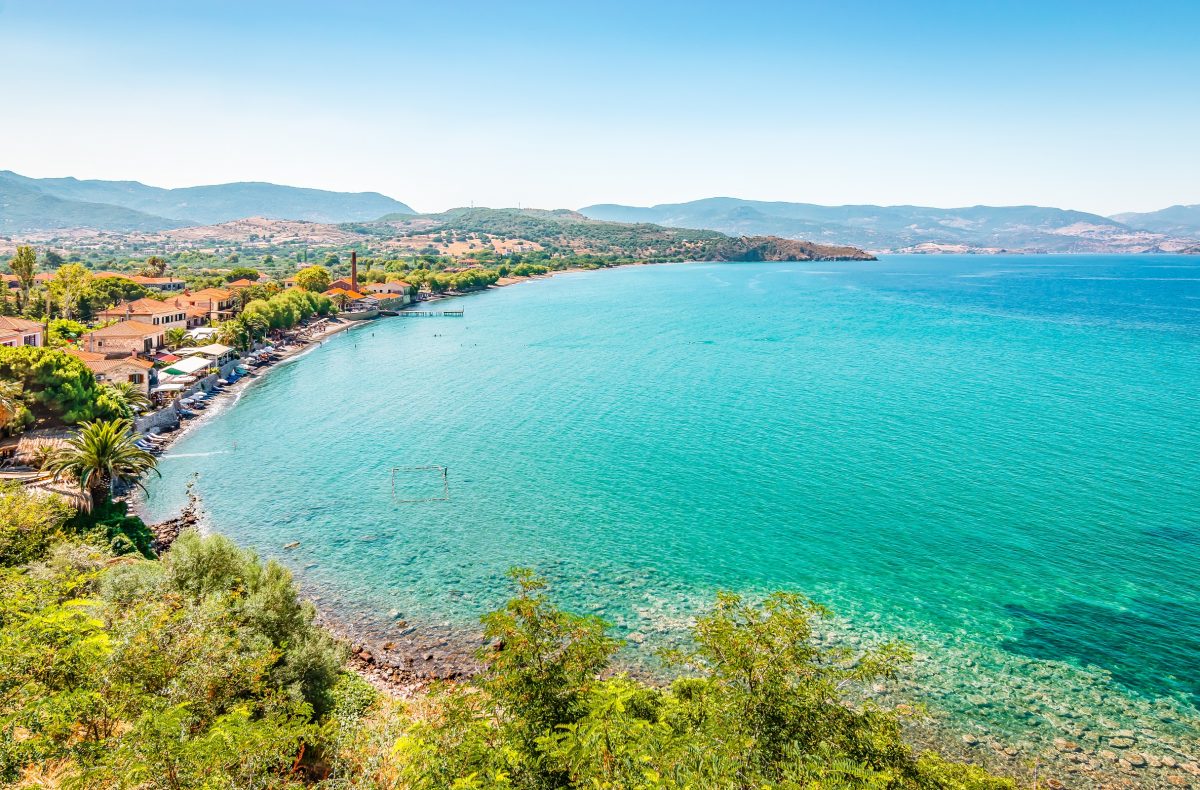
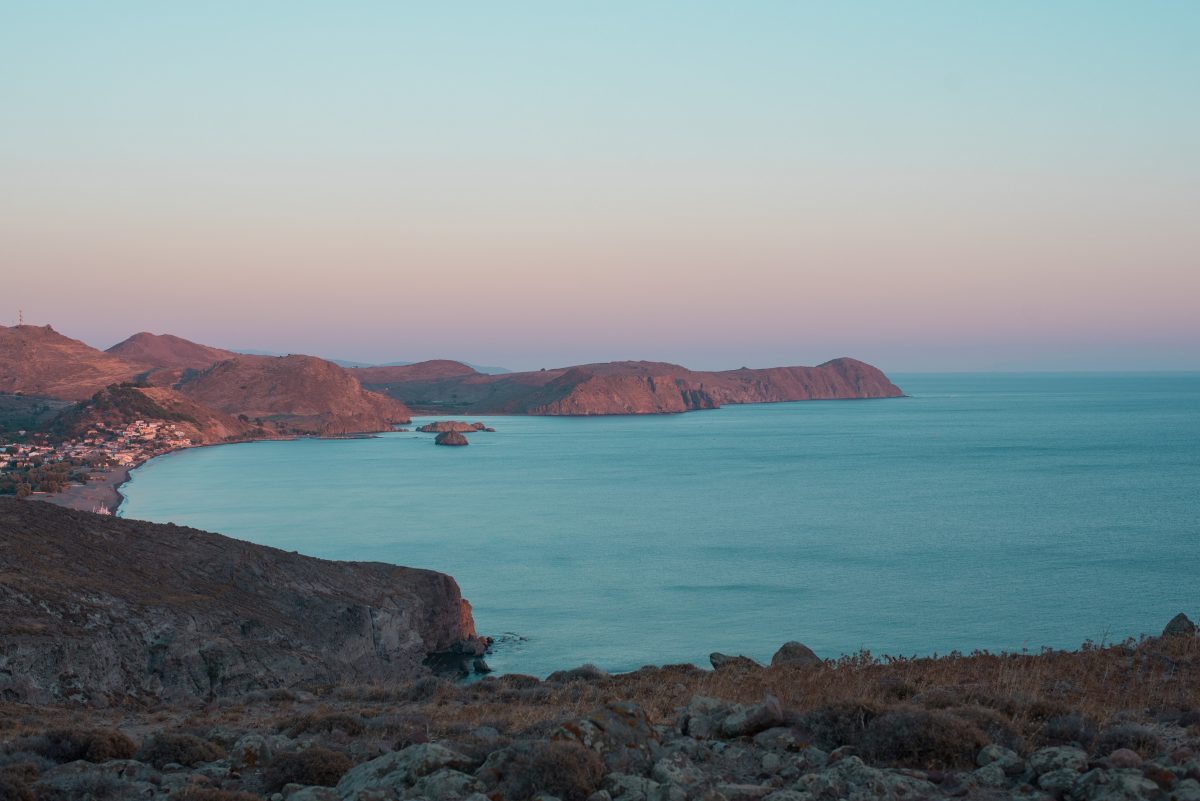
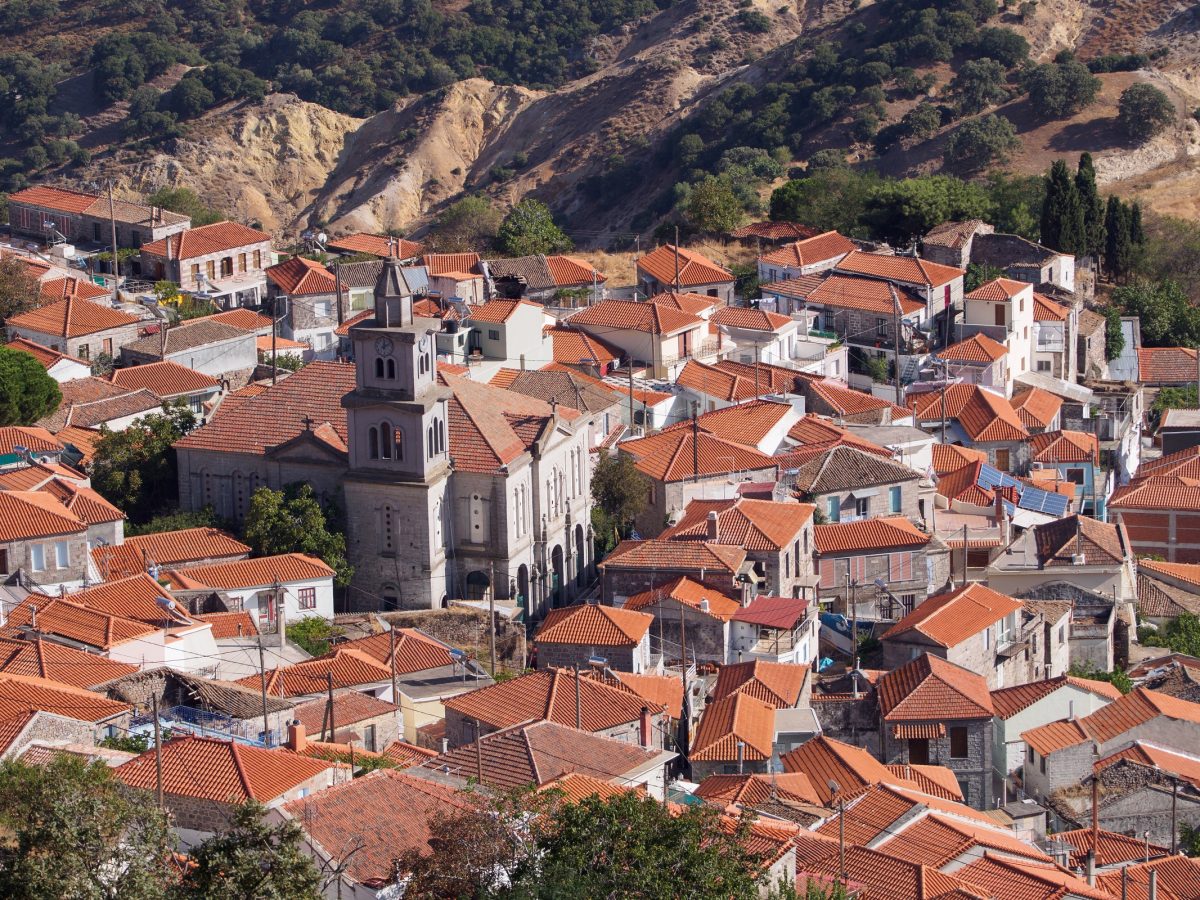
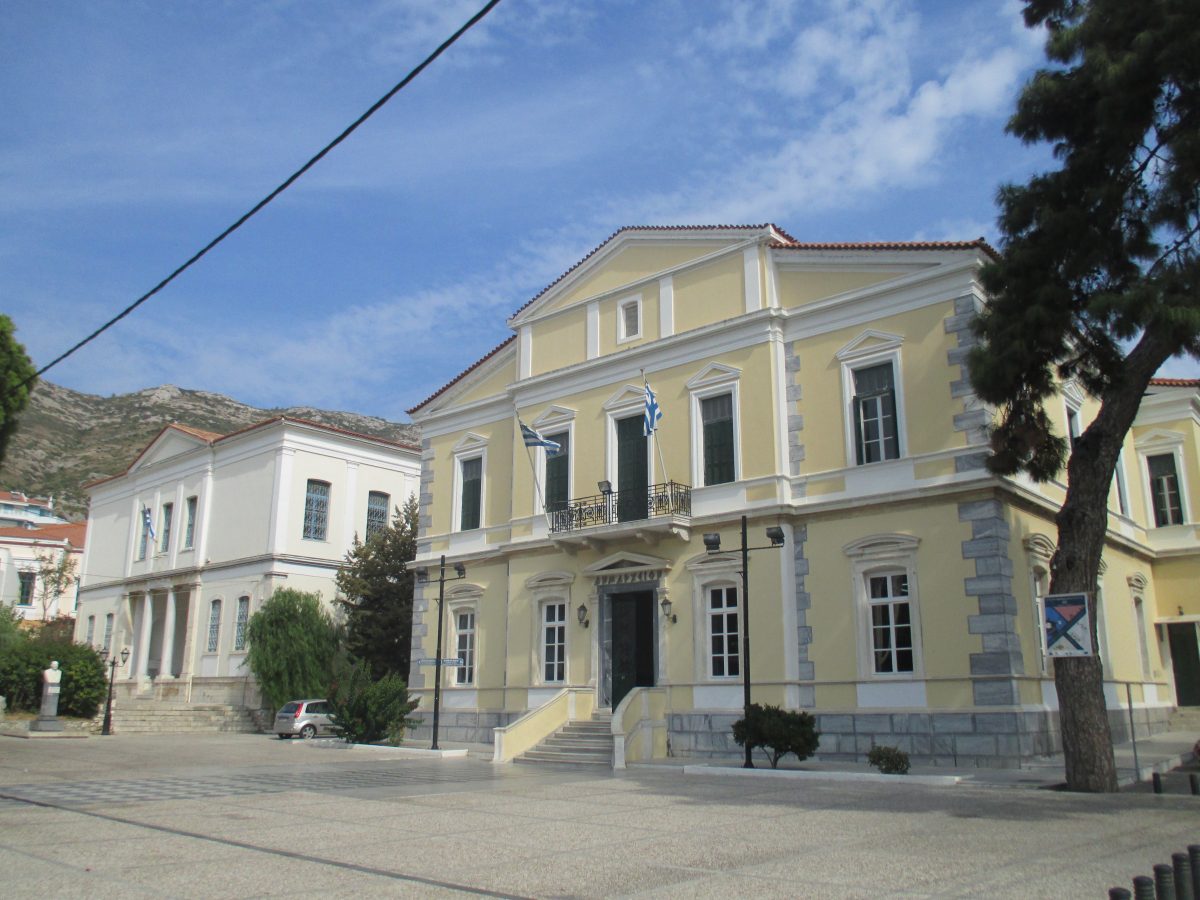
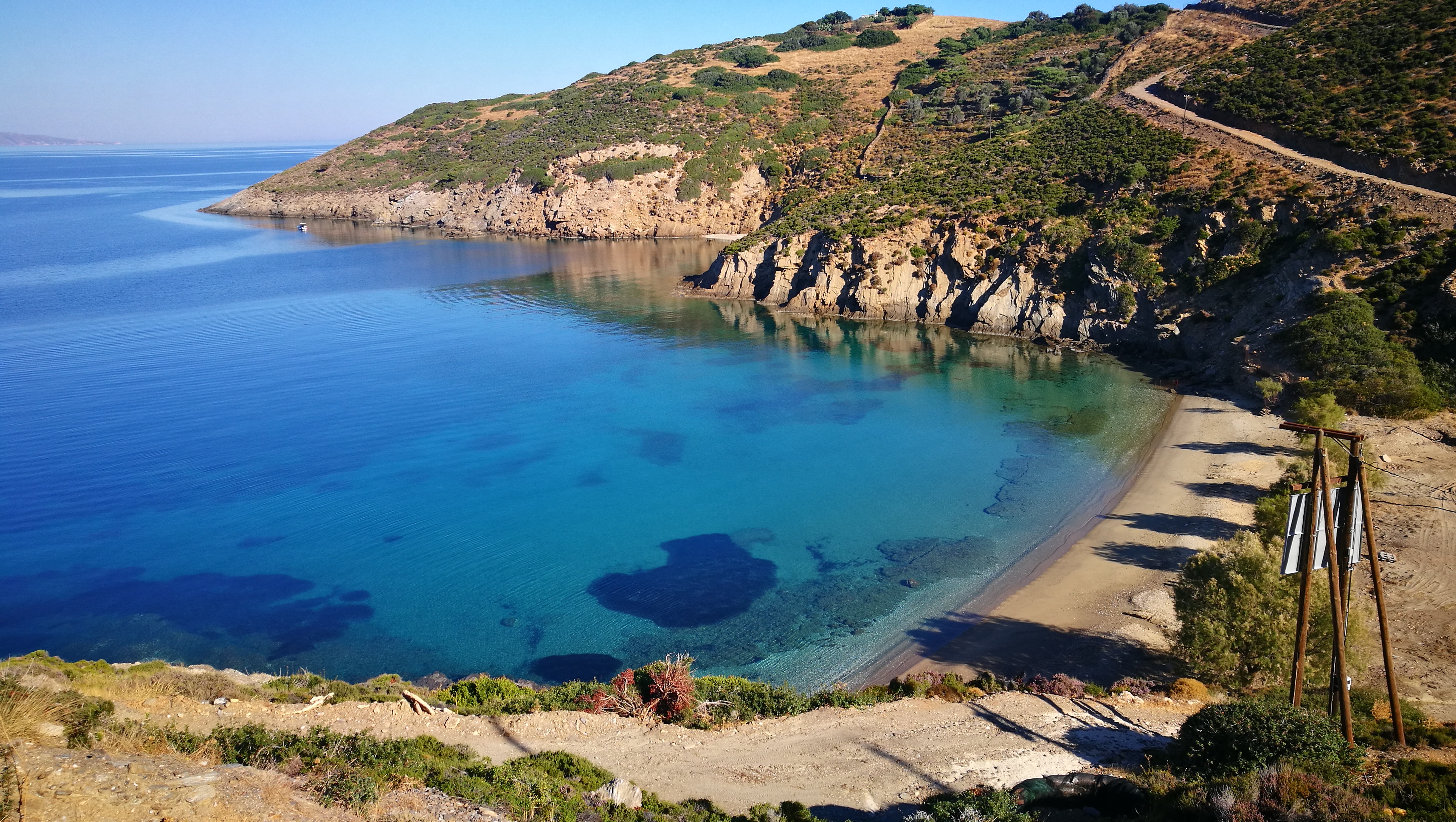
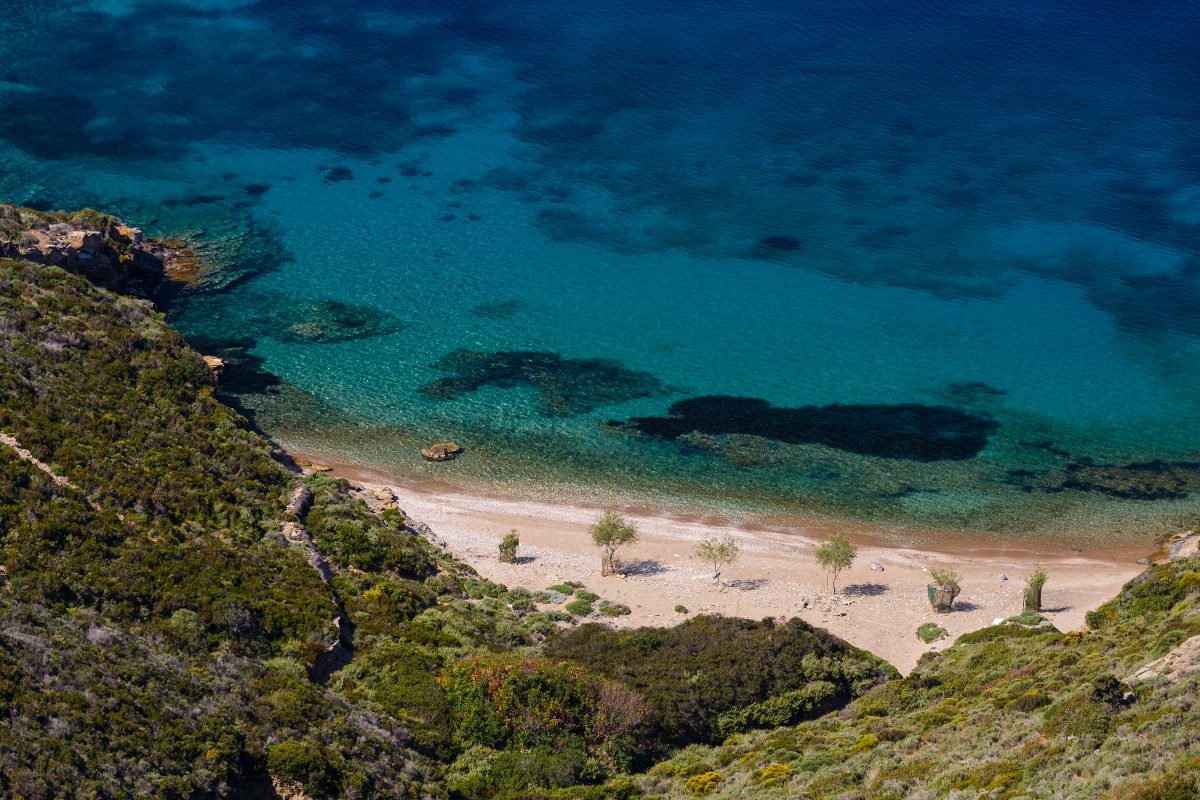
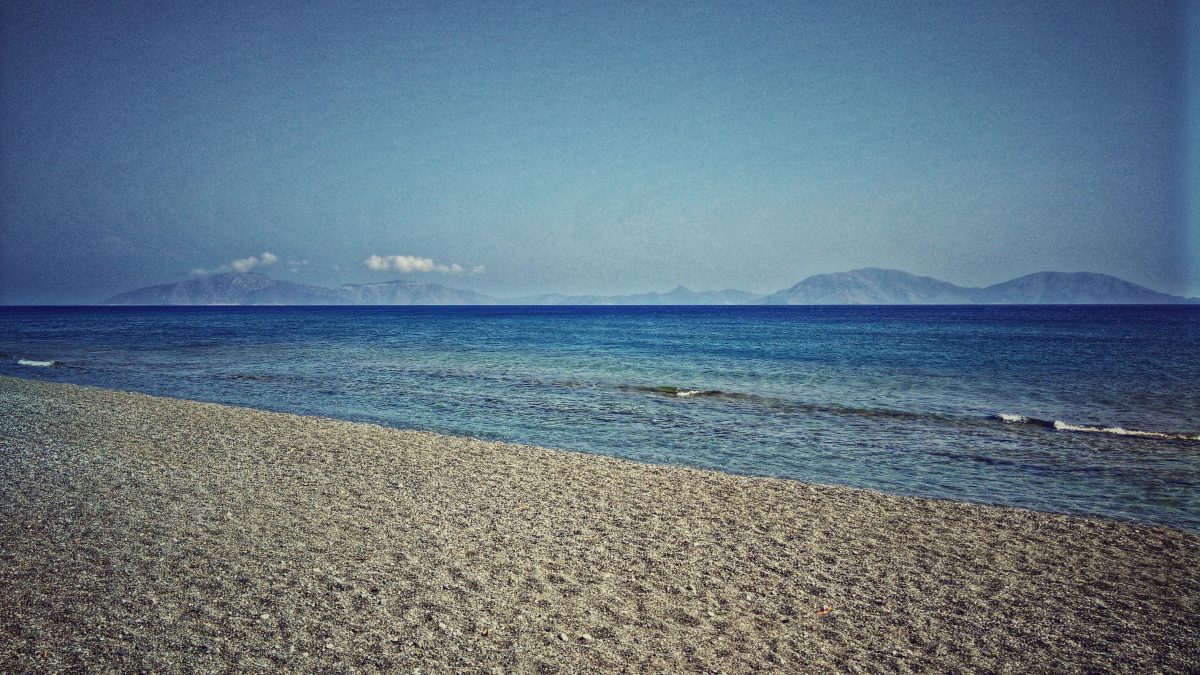
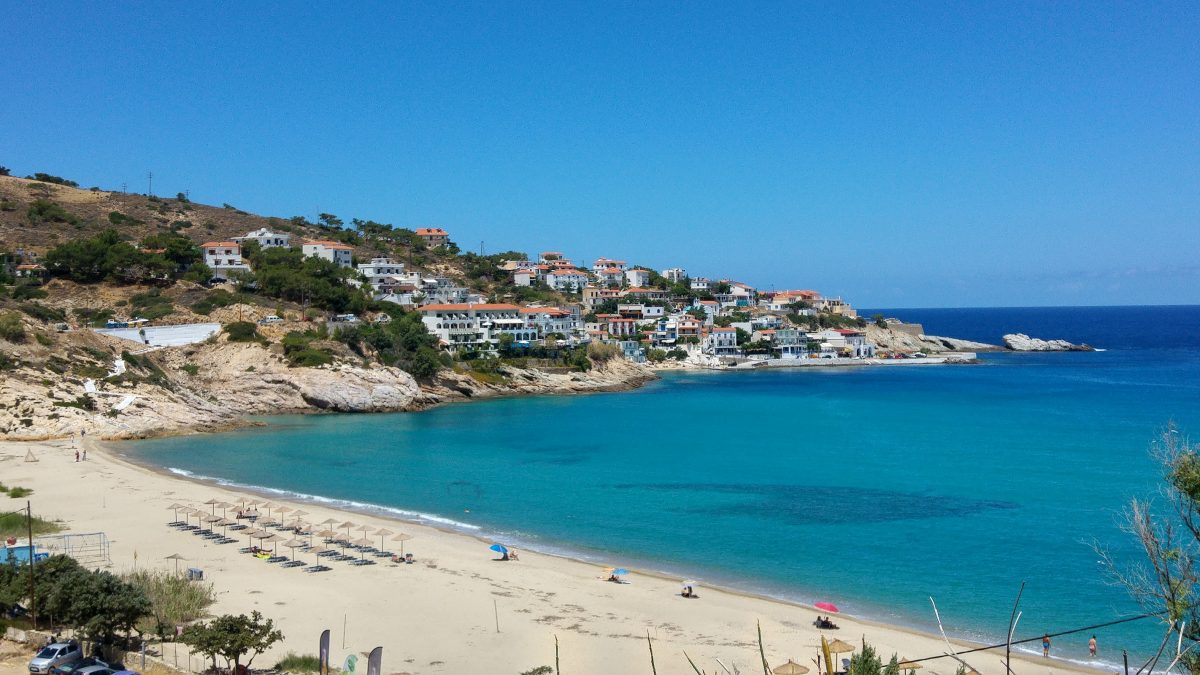
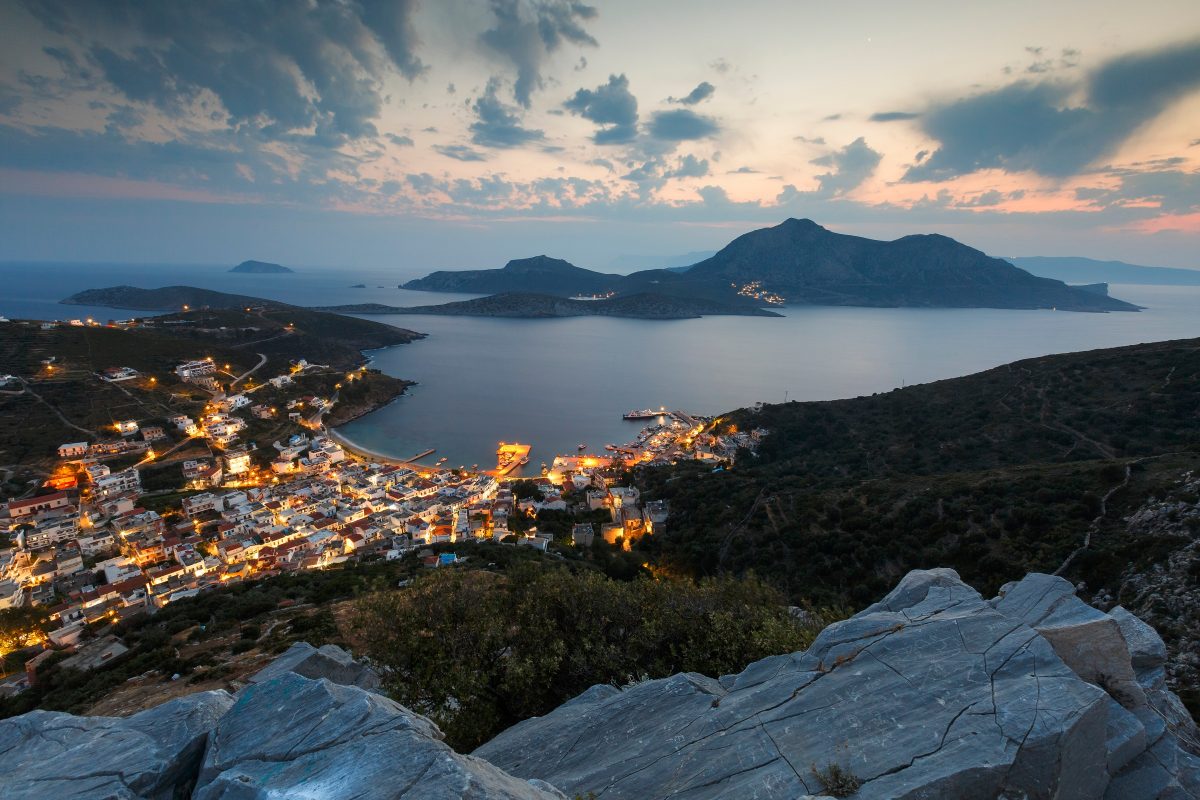
North Aegean Islands: less touristy with a rich history and natural beauty

Scroll down to view all the islands or click on the one you want

Thasos Island

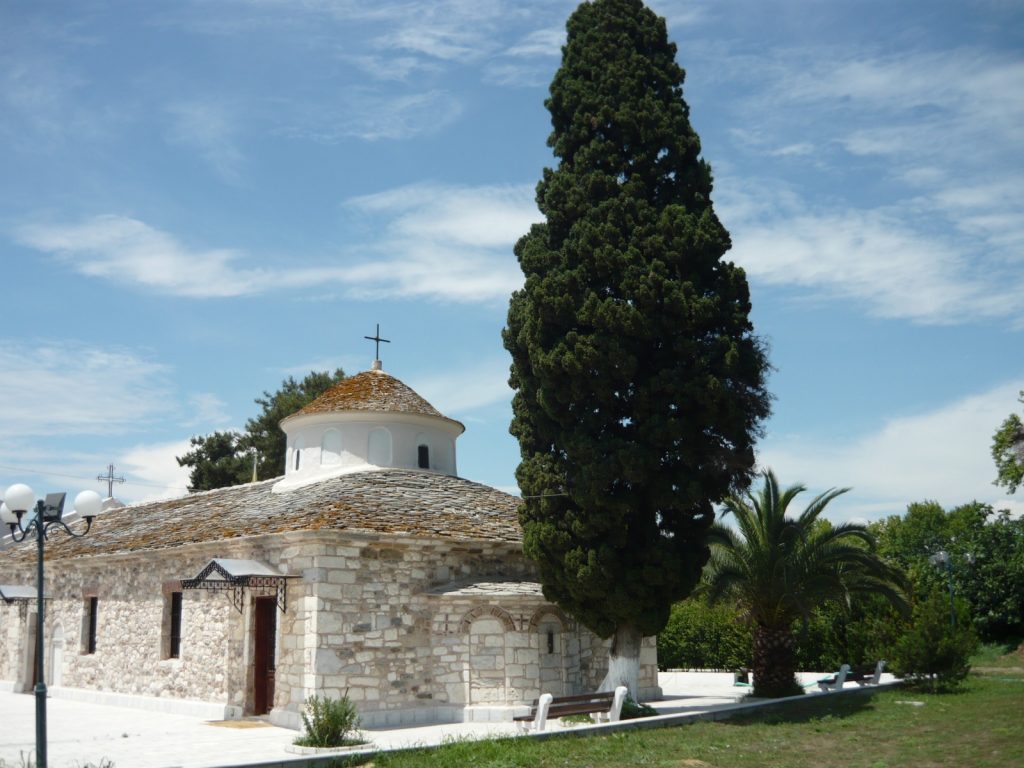
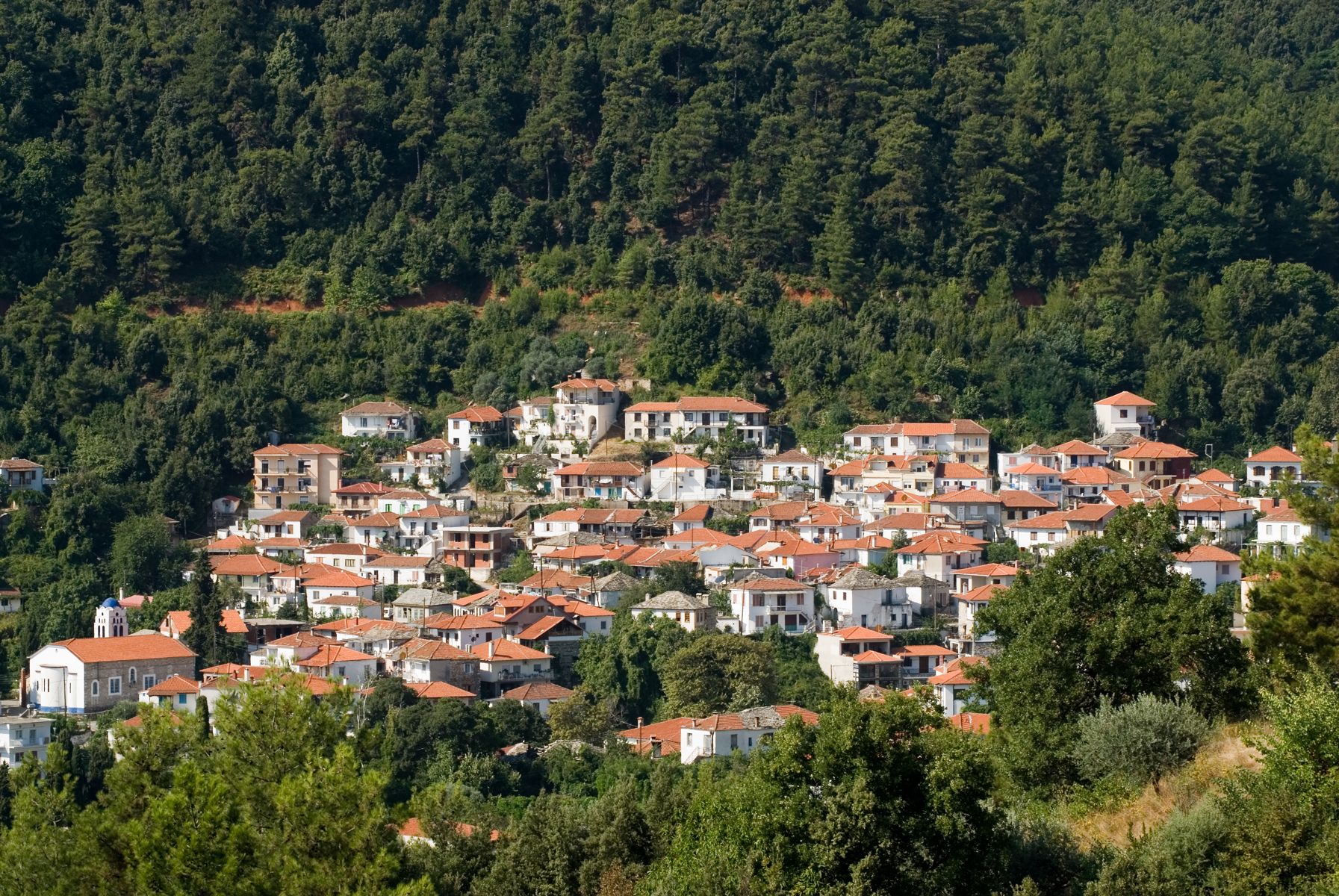
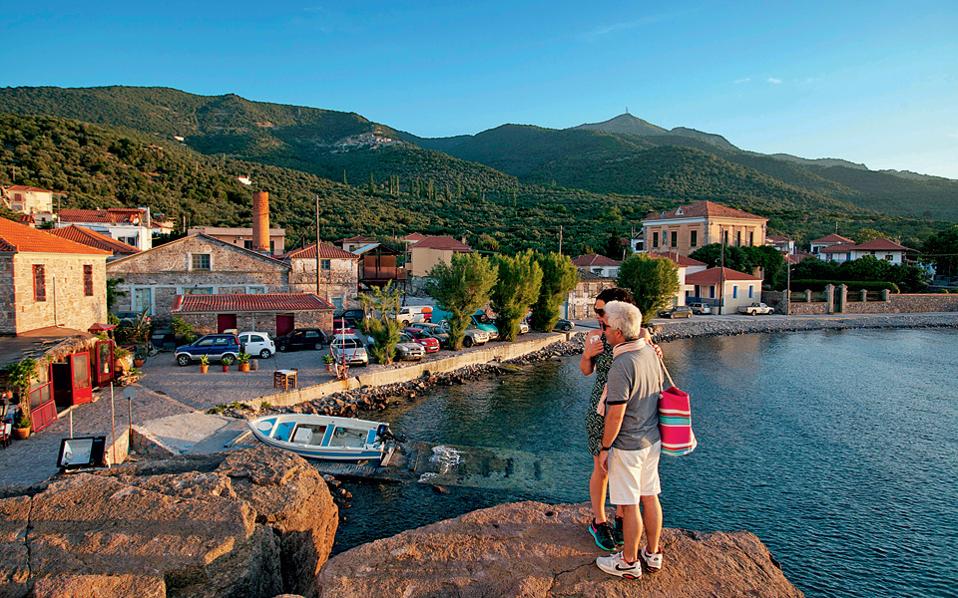
Theologos Village
Thasos Paradise beach (with Islet of Kinira)

Thasos is circle shaped island  located in the northernmost part of the Aegean Sea,  that blends rich ancient history with mountainous forests and turquoise waters.  Known as the “Emerald of the Aegean” due to its remarkably lush, green landscape, a stark contrast to the dry, white-and-blue aesthetic of the  Cyclades.

Landscape and Nature

Unlike many Greek islands, Thasos is densely wooded with pine, fir, and plane trees that often grow right down to the water’s edge.

  • Giola Lagoon: A stunning natural pool carved into the rocks by the sea. The water is warmer than the ocean and crystal clear. It’s a highlight for many visitors who jump from the surrounding cliffs into its emerald waters. Tip: Go early in the morning to beat the crowds, as it’s one of the most photographed spots on the island.
  • Mount Ipsarion: The highest peak on the island (4,000 ft). You can hike from the village of Potamia or take a 4×4 safari. The panoramic view of the Aegean and the neighboring Samothraki island is unbeatable.
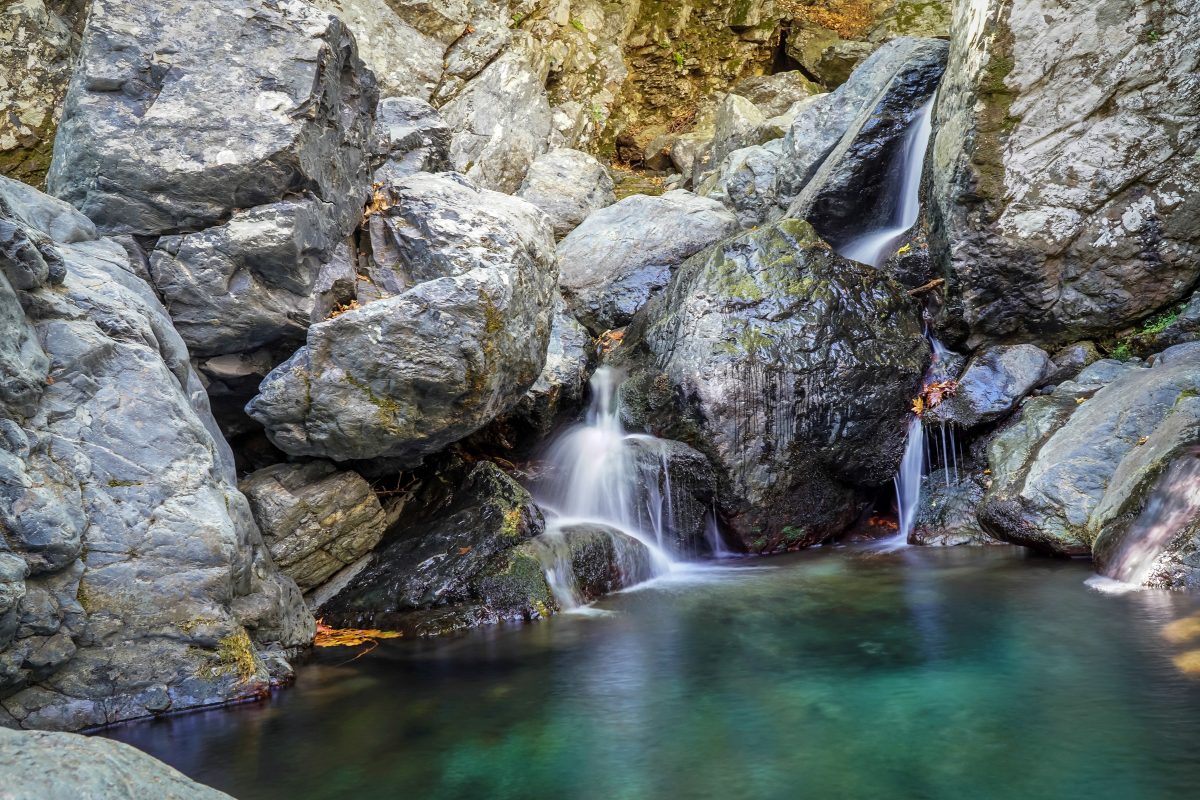
  • Kefalogourna Waterfalls: Located near the village of Theologos, these small but refreshing falls create natural pools perfect for a cool dip on a hot afternoon.
  • Maries Waterfalls & Lake: A serene, shaded area in the heart of the island. It’s a great spot for a picnic and a short walk through the pine forest.
  • Aliki Beach & Ruins: A dual-purpose site where you can swim in twin bays and walk through the ruins of an ancient marble quarry and two 5th-century Christian basilicas.
  • Marble & Gold: Historically famous for its gold mines, today the island is world-renowned for its pure white marble, which is still quarried and gives several beaches (like Marble Beach) a striking, snowy appearance.

  • The Ring Road: A well-maintained 100km coastal road circles the island, making it very easy to explore the various “Skalas” (seaside settlements) and mountain villages by car.

  • Adventure: Because of its terrain, Thasos is a hub for mountain biking, jeep safaris, and scuba diving.

Traditional Villages

  • Theologos: The island’s former capital. It is famous for its stone-roofed houses, Macedonian architecture, and its legendary spit-roasted goat served in local tavernas.
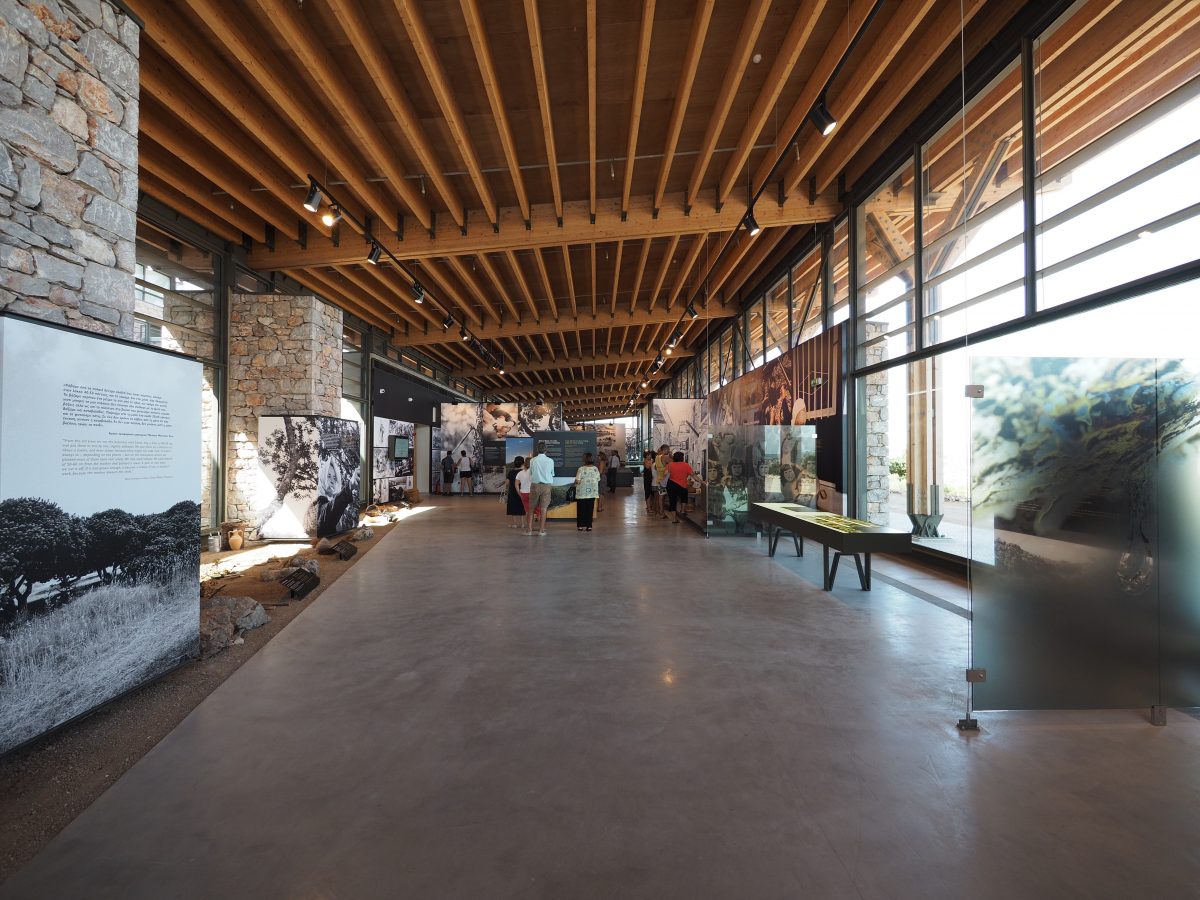
  • Panagia: A picturesque mountain village with narrow streets and natural springs running through the town square. Don’t miss the local Olive Oil Museum here.
  • Kastro: A medieval-like settlement hidden deep in the mountains. It was abandoned for years but is now being restored, offering a peaceful, “frozen-in-time” atmosphere.
  • Kazaviti: Often called the most beautiful mountain village, it is split into “Small” and “Large” Kazaviti, hidden away in a dense forest.

Top-Tier Beaches

  • Saliara (Marble Beach): Famous for its small white marble pebbles instead of sand, giving the water an electric blue, Caribbean-like color.
  • Paradise Beach: Lives up to its name with fine golden sand and waves. It is surrounded by dense forest, making it feel secluded despite its popularity.
  • Golden Beach (Chrysi Ammoudia): The largest beach on the island, stretching between two villages. It’s perfect for families and water sports.
  • Alyki: A dual-bay peninsula that combines a beautiful beach with an ancient marble quarry and archaeological ruins visible just beneath the water.
  • Psili Ammos: A trendy beach known for its fine sand and vibrant beach bars. It’s a top choice for a more energetic vibe.

History & Culture

Thasos has been inhabited since prehistoric times and served as a major center for wine and minerals in antiquity.

  • Aliki Archaeological Site: One of the most beautiful sites in Greece, where ancient marble quarries meet the turquoise sea. You can walk among the ruins of dual 7th-century BC sanctuaries and see the submerged marble blocks in the water.
  • Monastery of Archangel Michael: Perched precariously on a cliff edge, this monastery offers breathtaking views and houses what is believed to be a part of the “Holy Nail” from the crucifixion of Christ. Perched on a cliffside over the sea, this 18th-century monastery is a spiritual landmark holding what is believed to be a piece of the Holy Nail from the Crucifixion.
  • Ancient Agora & Theater (Limenas): Located in the capital, these ruins include a well-preserved ancient theater that still hosts performances during the summer Thassos Festival.
  • Archaeological Museum of Thasos: Widely considered one of the best regional museums in Greece, featuring the colossal 3.5-meter Kouros statue.
  • Mountain Villages: To escape pirates in the past, residents built villages high in the mountains. Theologos (the old capital) and Panagia are famous for their stone-roofed houses, narrow cobblestone streets, and traditional goat-spit roasts.
 

Local Flavors

The island is famous for its high-quality natural products:

  • Thasian Honey: Specifically pine and flower honey.

  • Throuba Olives: A unique variety of wrinkled, black olives cured in salt.

  • Marble-filtered Water: The island has abundant fresh spring water.

Getting There

Thasos has no airport. The most common way to arrive is by ferry from the mainland ports of Keramoti (a 35-minute crossing) or Kavala (a 75-minute crossing). Keramoti is the preferred route as it is closer to the Kavala International Airport (KVA).

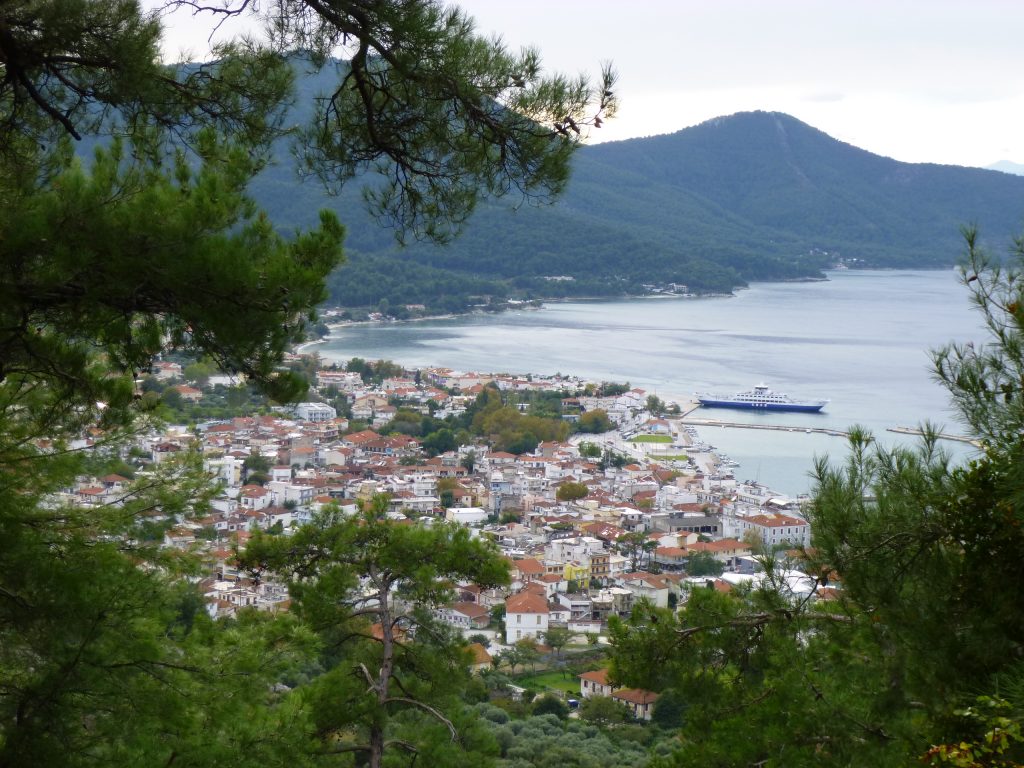
Port of Thasos
Scala Potamias
St. Nicholas, Limenas
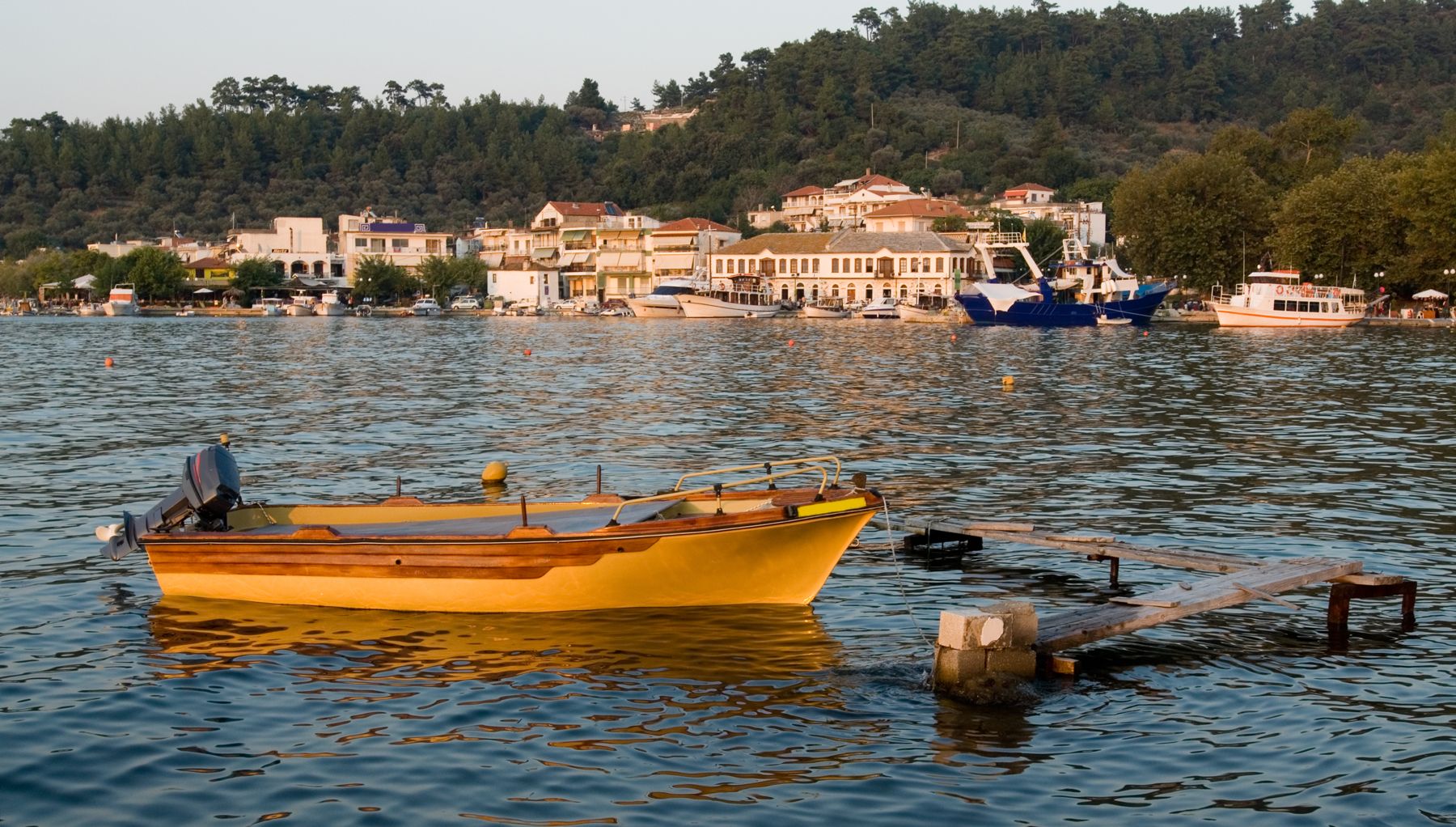
Limenas
Potamia Village

Samothraki Island

Samothraki - Mt. Saos (or Feggari)

Samothraki  is often described as the most “mystical” island in Greece. Unlike the typical whitewashed Cyclades islands, Samothraki is a rugged, emerald-green mountain rising dramatically out of the North Aegean Sea. Dominated by the massive Mount Saos,  it’s famous for its vathres (natural pool-sized basins formed by waterfalls) and its gorges. Samothraki is often called the “Island of the Great Gods” because  its  connection to ancient mystery cults.

Nature & Landscape

Mount Saos dominates the island making Samothraki a heaven for hikers and nature lovers due to its many gorges and abundance of running water—a rarity for Aegean islands.

The Lush North vs. Wild South: The northern side is a “jungle” of ancient plane trees, oaks, and ferns, while the southern side is more arid, featuring olive groves and the famous unusual coastal rock formations, called “Old Lady’s Fabrics”.

Waterfalls & Pools: Because the mountain is so high, it is filled with running water. The island is famous for its vathres, natural granite pools carved into the rock by streams and  waterfalls. These are natural rock pools formed by waterfalls and streams; hiking to these pools for a dip in the icy, crystal-clear water is the island’s quintessential activity.

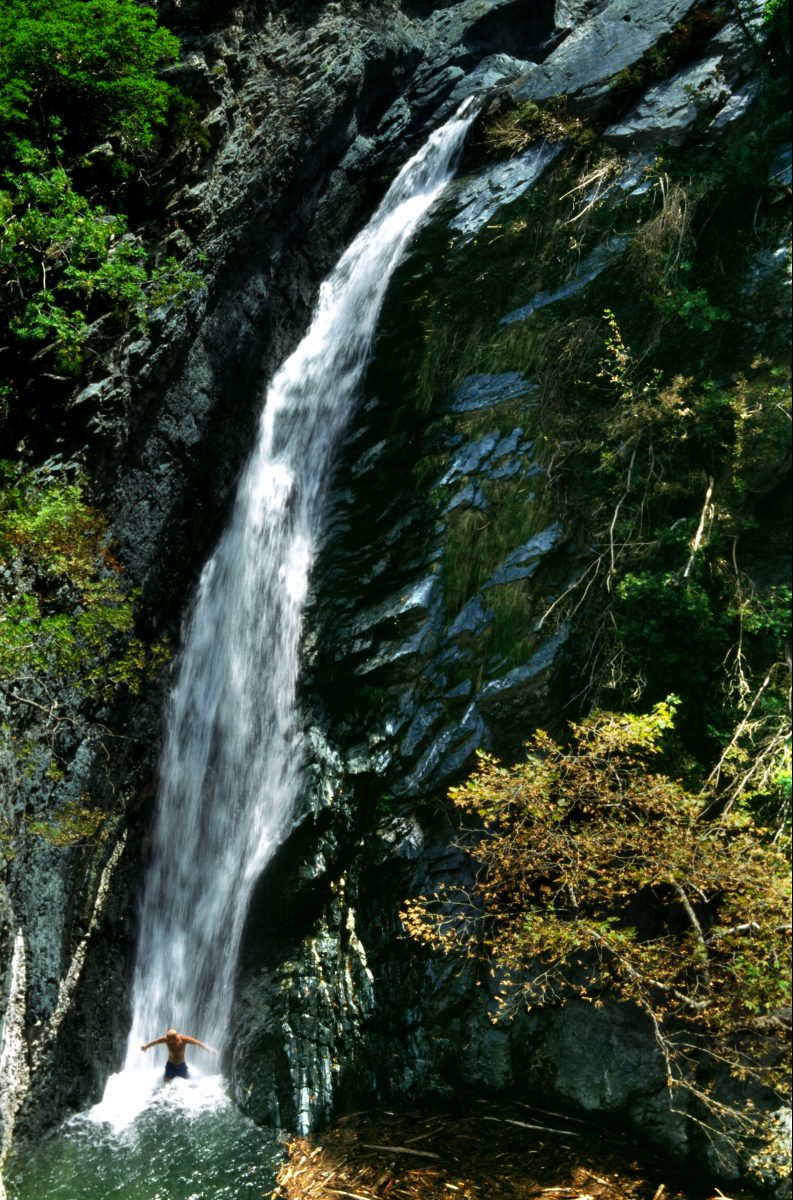
  • Fonias Gorge & Waterfalls: Known as “The Killer” because of its power in winter, this is the island’s most famous hike. A relatively easy 30-minute walk leads to the first waterfall and its crystal-clear vathra. If you are adventurous, you can scramble higher to the second and third waterfalls, Gerania and Kleidosi.
  • Gria Vathra: Located near the village of Therma, these pools are easier to access than Fonias. They are surrounded by centuries-old plane trees and offer a series of tiered natural pools for swimming.
  • Mount Saos (Fengari Peak): At 5,300 ft, it is the highest peak in the Aegean. Legend says Poseidon watched the Trojan War from here. It’s a demanding 6–8 hour hike, but on a clear day, you can see all the way to the coast of Turkye.
  • Kremastos Waterfall: This is one of the highest waterfalls in the world that falls directly into the sea. It is located on the south side of the island and is only accessible by boat.
  • Thermal Springs: In the village of Therma, you can find therapeutic sulfur springs used since ancient times for health and wellness.

History & Culture

Historically, Samothraki was one of the most important religious centers of the ancient world.

  • Sanctuary of the Great Gods: This archaeological site was home to the Kaviria Mysteries, secret initiation rites that even figures like Philip II of Macedon (father of Alexander the Great) attended. Walking through the ruins of the Hieron and the Arsinoeion is a hauntingly beautiful experience.
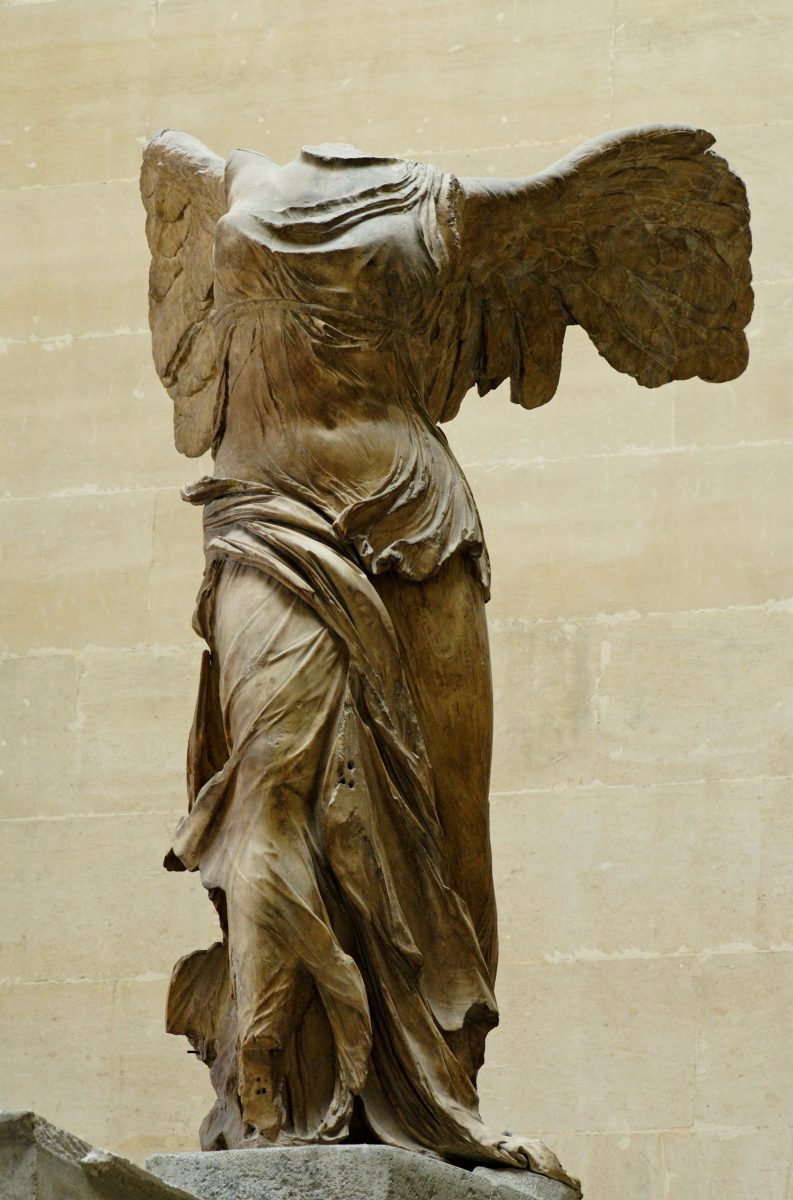
  • Winged Victory of Samothraki (now in the Louvre) was discovered here in 1863. This world-famous Hellenistic marble statue of the goddess Nike, currently a centerpiece of the Louvre in Paris.
  • Archaeological Museum of Samothrace: Located right next to the sanctuary, it houses the finds from the site, including a full-size replica of the Nike statue and intricate ancient jewelry.
  • Chora (The Capital): Hidden in a natural amphitheater high in the mountains to stay invisible from pirates, Chora is a maze of stone houses and narrow alleys. It’s the best place for an evening stroll or a coffee with a view of the sea.
  • Gattilusi Castle: Perched at the highest point of Chora, these ruins offer the best sunset views on the island.
  • Pew of Apostle Paul: A small monument near Paleopoli marking the spot where St. Paul first stepped onto European soil during his second missionary journey.

Villages

  • Chora: The capital is a traditional village hidden in a natural “amphitheater” between mountain peaks to protect it from pirate raids in the past. It features stone houses and narrow, winding alleys.

  • Therma: A small village famous for its thermal sulfur springs (used since Roman times) and as the gateway to the most popular waterfalls, like Gria Vathra.

  • Kamariotissa: The main port and the liveliest spot on the island, where you’ll find most shops and services.


Beaches & Scenic Spots

While not a “beach island,” Samothraki has some unique coastal gems.

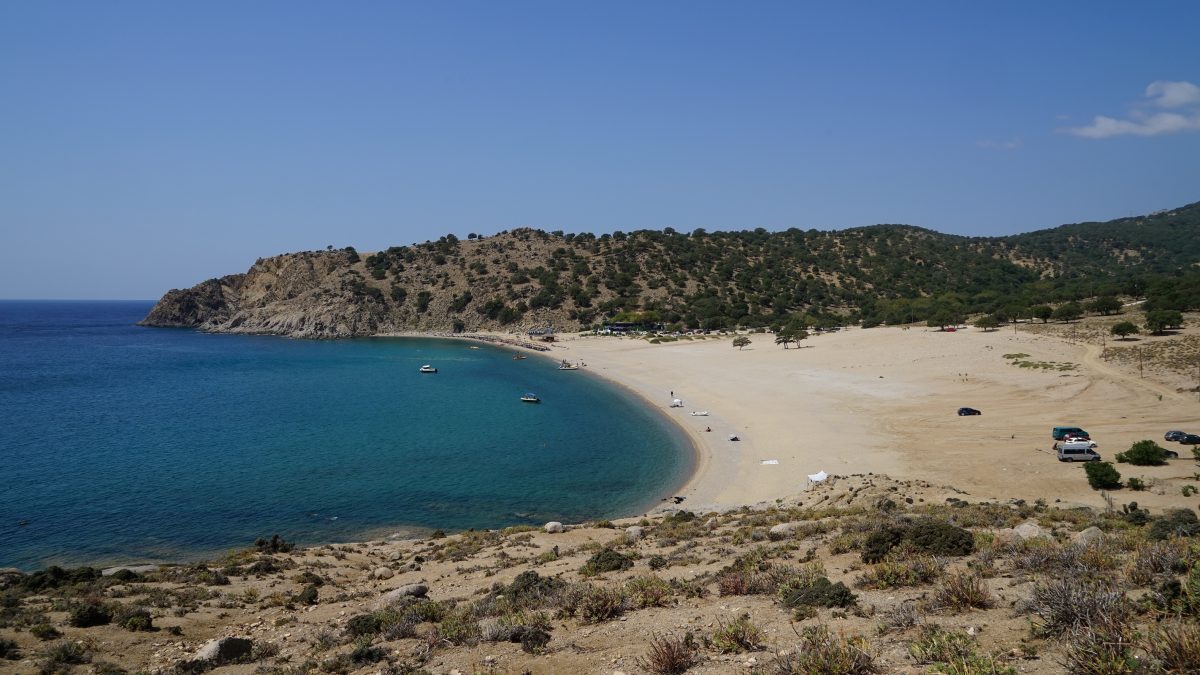
  • Pachia Ammos Beach: The only sandy beach on the island. It’s located in the south and is framed by dramatic cliffs.  Pachia Ammos: While much of the coast is rocky, this is the island’s most popular sandy beach, tucked between steep cliffs on the southern side.
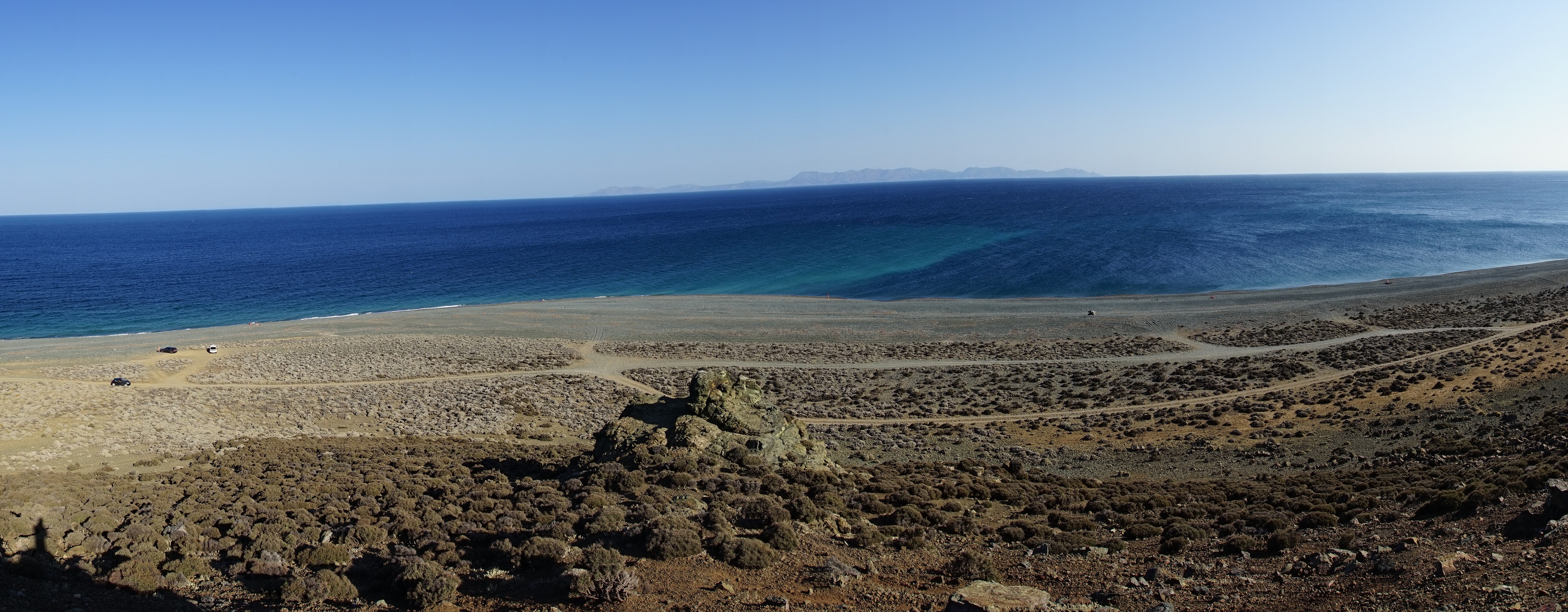
  • Kipos Beach: A stunning, vast beach with smooth grey-black volcanic pebbles and deep blue water. It feels like the end of the world.
  • Panagia Krimniotissa: A tiny chapel perched precariously on a high cliff overlooking Pachia Ammos. The view from the “Balcony of the Aegean” is breathtaking.
  • Vatos: A majestic beach accessible only by boat or a very difficult hike.
  • Therma Hot Springs: The island has been a wellness destination since antiquity. You can visit the municipal thermal baths or find the “hidden” outdoor hot pools near the village for a more rustic experience.

Atmosphere

  • Alternative Vibe: Unlike the cosmopolitan atmosphere of Mykonos or Santorini, Samothraki has a “hippie” and adventurous feel. It is popular with campers, hikers, and those seeking spiritual or quiet retreats. The island has a strong reputation for “alternative” tourism. You will see many people camping (both in organized sites and “wild” camping) and practicing nudism at the higher vathres.

  • Chora: The island’s capital is a traditional, amphitheater-style village hidden in the mountains to protect it from pirates. Its narrow, stone-paved streets and medieval castle ruins offer stunning views of the Aegean.

  • Gastronomy: The island is famous for its wild goat, usually slow-roasted on a spit or served with honey and potatoes. There are famously more goats than people on Samothraki (about 15 to 1). The local slow-roasted goat is the island’s most famous culinary specialty. You cannot leave Samothraki without trying the slow-roasted goat. The island is overrun with wild goats (they outnumber humans 30 to 1), and the mountain tavernas in the village of Profitis Ilias serve some of the best meat in Greece.

Travel Logistics


Main Gateway: Alexandroupoli

Alexandroupoli is the primary mainland hub for Samothraki. You have three main ways to get there:

  • By Air: Fly from Athens (ATH) to Alexandroupoli Airport (AXD). It’s a 1-hour flight operated by Aegean/Olympic or Sky Express. From the airport, a 15-minute taxi ride gets you to the port.
  • By Bus (KTEL): Frequent buses run from Thessaloniki (approx. 4–4.5 hours) and Athens (approx. 11–12 hours). The bus terminal in Alexandroupoli is within walking distance of the port.
  • By Car: If driving from Thessaloniki, it’s a straightforward 3-hour drive via the Egnatia Odos (A2) highway.

Ferries

There is no “bridge” to the island; you must go by sea. The main operator is Zante Ferries (vessel: Adamantios Korais).

  • Route: Alexandroupoli – Kamariotissa (Samothraki).
  • Duration: Approximately 1 hour and 50 minutes.
  • Frequency: Usually once or twice daily. In peak summer (July/August), schedules can be more frequent but sell out fast.

Alternative (Summer Only): There are occasionally seasonal connections from Lavrio (Athens) or Kavala, and island-hopping links from Lemnos. However, these are less reliable and much longer (Lavrio can take 12+ hours).

Nike of Samothraki (at Louvre museum)
Samothraki - Fonias waterfall
Samothraki - Pachia Ammos
Samothraki - Chora
Kipos bay lunar terrain
Samothraki - Fonias waterfall pond
Samothraki - Gria Vathra waterfalls

Lemnos Island

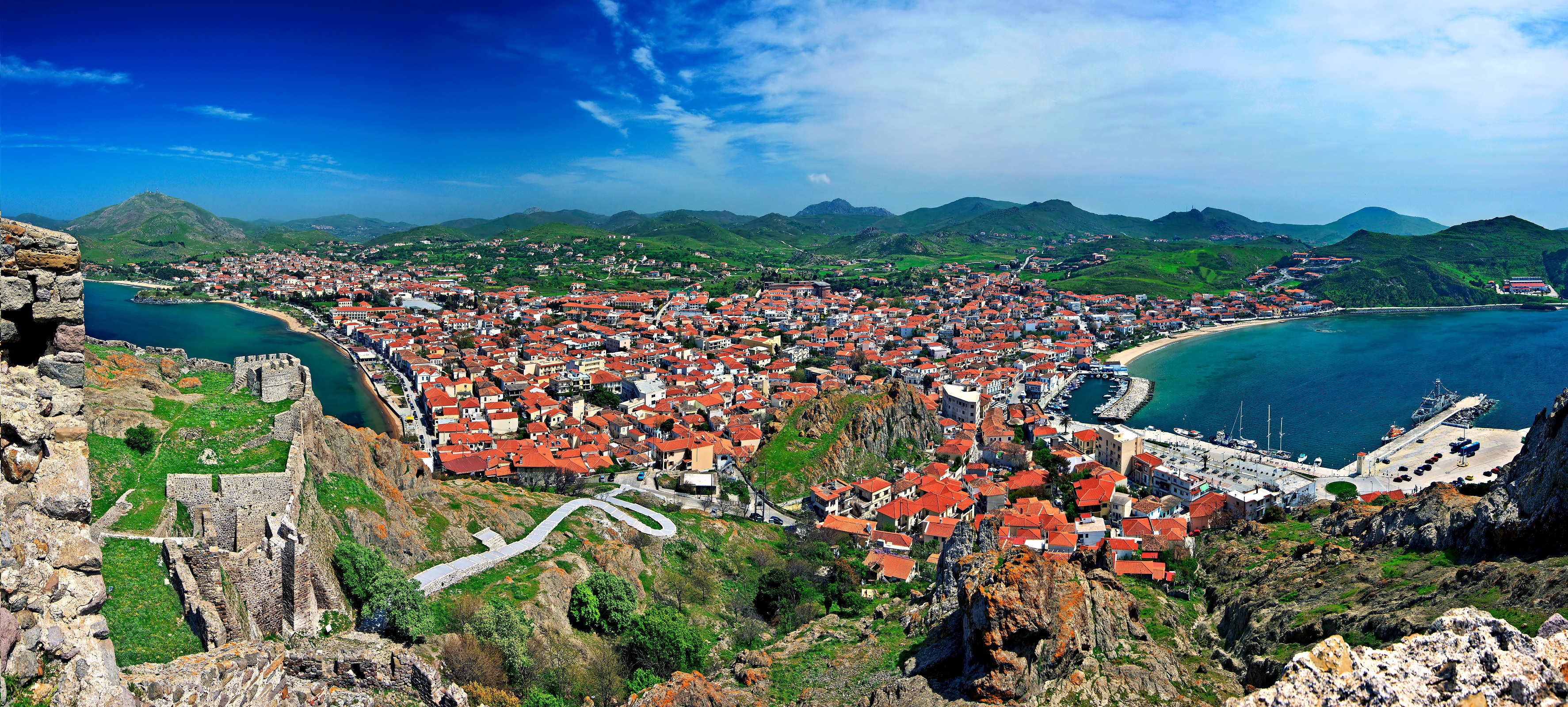
Lemnos - Myrina panoramic view from castle

Lemnos is one of Greece’s best-kept secrets, a place where volcanic landscapes meet ancient history and a surprisingly “desert-like” interior. Often referred to as the “Island of Hephaestus,” it offers a  surprisingly quiet, authentic atmosphere compared to more commercialized Greek islands.

Natural Wonders

  • Gomati  Sand Dunes: Often called “Europe’s only desert,” these golden sand dunes near the village of Katalakkos are a geological anomaly. The landscape shifts with the wind, creating a surreal Sahara-like experience right in the middle of the Aegean.
  • Faraklou Geological Park: Located on the northern coast, this area features bizarre, smooth volcanic rock formations in shades of red and yellow. It looks like a lunar landscape and is best visited during the “golden hour” for photography.
  • Lake Aliki: A massive salt marsh that is a haven for migratory birds. If you visit in spring or late autumn, you can spot large flocks of flamingos resting in the shallow waters.

History & Myth

Lemnos is steeped in Greek myth. It was said to be the place where Hephaestus, the god of fire, landed after being thrown from Mount Olympus. In gratitude for the locals’ care, he taught them the art of metalworking.

The island is also the setting for the famous legend of the Lemnian Women, who supposedly murdered all the men on the island in a fit of rage, and it served as a crucial stop for Jason and the Argonauts.

  • The Castle of Myrina: This Byzantine fortress towers over the capital city. It’s famous not just for its panoramic views of Mount Athos across the sea, but also for the wild deer that live freely within its walls.
  • Ancient Poliochni: Widely considered the oldest organized city in Europe (dating back to the 4th millennium BC), this site offers a fascinating look at Bronze Age urban planning and a “parliamentary” meeting place.
  • Sanctuary of Kavirio & the Cave of Philoctetes: A mysterious site where ancient “mysteries” were once performed. Just below the ruins, you can climb down into the sea cave where the mythical hero Philoctetes was said to have been abandoned.
  • Ancient Hephaestia: A once-great city dedicated to Hephaestus, the god of fire. The highlights here are the beautifully restored ancient theater and the ruins of the Roman era.

Unique Spiritual Sites

  • Panagia Kakaviotissa: This is the only roofless church in the world. It’s built into a natural cave on top of Mount Kakavos. The hike up takes about 20–30 minutes, but the sight of the simple altar protected only by the cave’s overhang is unforgettable.
  • Agios Nikolaos of Myrina: Perched on a hill overlooking the harbor, this church offers some of the best sunset views in town and features striking traditional architecture.

Beaches & Coastal Gems

  • Keros Beach: The island’s hub for windsurfing and kitesurfing. Even if you aren’t into sports, the shallow turquoise waters and the eco-glamping scene make it a cool place to hang out.
  • Gomati Beach: Located near the sand dunes, this beach features fine sand and an old abandoned tank from WWII half-buried in the dunes, making for a unique landmark.
  • Plati & Thanos Beaches: These are the most “organized” beaches near Myrina, perfect for a relaxing day with tavernas and crystal-clear water.

Local Life & Villages

  • Myrina Waterfront: Stroll between the “Roman Shore” (classic stone mansions) and the “Turkish Shore” (vibrant harbor with fishing boats) for the best of the island’s capital.
  • Kontias Village: Famous for its row of traditional windmills and stone-built houses, it’s one of the most picturesque inland spots on Lemnos.

Local Flavors

Lemnos is a paradise for foodies, known for high-quality local products:

  • Kalathaki Limnou: A salty, white PDO cheese traditionally shaped in small baskets.

  • Flomaria: Local handmade pasta, often served with rooster or lamb.

  • Wine: The island is famous for its Muscat of Alexandria (sweet whites) and the ancient Limnio (red) variety, mentioned by Aristotle.

Lemnos - view of Myrina casdtle from port
Lemnos - Platy village
Lemnos - Kontias village
Lemnos - Kontias village windmills
Lemnos - Evgatis bay
Ag. Efstratios oak forest

Lesvos Island

Lesvos - town of Mitilini with cathedral

Lesvos is a large, diverse island that feels more like a small country,  maintaining a rugged, traditional atmosphere where local life takes precedence over mass tourism. 

It is often referred to as a “hidden gem”, because of  its authentic character, vast olive groves, petrified forests, ouzo distilleries, and deep literary history streching all the way from antiquity.

Geography & Nature

The island’s landscape is incredibly diverse, split between lush green forests in the east and a more volcanic, arid terrain in the west. It’s  uniquely shaped like a plane tree leaf, defined by two deep seawater gulfs (Gera and Kalloni). It offers the following landscapes:

  • The Petrified Forest: A UNESCO Global Geopark in the western region of Sigri. It features fossilized tree trunks that were preserved by volcanic ash 20 million years ago.

  • Olive Groves: Lesvos is home to an estimated 11 million olive trees, producing some of Greece’s most distinct, light-colored olive oil.

  • Thermal Springs: Thanks to its volcanic history, the island is dotted with natural hot springs (such as those in Eftalou and Thermi), many of which are still used today for their therapeutic properties.

Villages & Towns 

  • Mytilene Old Town: The island’s capital is a mix of Belle Époque mansions and Ottoman architecture. Don’t miss Ermou Street for shopping and the massive Castle of Mytilene, one of the largest in the Mediterranean. The capital and main port, a bustling city filled with neoclassical mansions and a massive Byzantine castle. The capital, Mytilene, is a mosaic of Byzantine castles, Ottoman mosques, and grand neoclassical mansions built by 19th-century merchants.
  • Molyvos (Mithymna): Often called the most beautiful village on the island. It’s a protected settlement of stone houses and wisteria-covered alleys that wind up to a Genoese Castle.
  • Petra:  Famous for the “Church of Panagia Glykofilousa,” perched on a massive 40-meter rock. You’ll need to climb 114 steps for the view, but it’s the definitive “postcard” shot of Lesvos.
  • Skala Sikamineas: A tiny, cinematic fishing harbor home to the Panagia Gorgona (the Mermaid Madonna), a white chapel built on a rock jutting into the sea.
  • Molyvos (Mithymna): Perhaps the most beautiful village on the island, featuring stone houses climbing a hill topped by a medieval fortress.

  • Agiasos: A mountain village tucked into the slopes of Mt. Olympus, known for its narrow cobblestone streets, pottery and wood-carving tradition. Agiasos Mountain Village: Tucked into the slopes of Mt. Olympus, this village is famous for its woodcarving, ceramics, and the Church of Panagia, a major pilgrimage site. The “Kafenion” culture here is the most authentic on the island.

  • Skala Eressos: A laid-back coastal village famous for its long sandy beach and as a major destination for LGBTQ+ travelers honoring Sappho’s legacy.

  • Eftalou: Home to natural thermal hot springs right on the edge of the Aegean.

Nature & Landscapes

  • The Petrified Forest of Sigri: A UNESCO Global Geopark. You can see 20-million-year-old fossilized tree trunks standing in their original positions. Visit the Natural History Museum in Sigri first to understand the volcanic history.
  • Kalloni Salt Pans: A paradise for birdwatchers. In the spring and autumn, the wetlands are filled with hundreds of pink flamingos, avocets, and black storks.
  • Eftalou Thermal Springs: Located near Molyvos, these historic baths feature a vaulted 17th-century pool where 46°C mineral water flows directly into the sea.
  • Gera Bay Hot Springs: For a more “spa-like” experience, the Therma Spa at Gera Bay offers infinity-style hot pools overlooking the water.
  • Polichnitos hermal Springs: The thermal springs of Polichnitos in Lesvos, 43 km from Mytilene, include 16 hot springs, among the hottest in Europe with temperatures reaching up to 87.6º C  (in the spa baths 42-44).
  • Birdwatching: The Kalloni salt pans are a world-class destination for observing flamingos, storks, and rare migratory birds.


Culture & History

Lesvos has a profound cultural legacy that dates back to antiquity. It is the birthplace of many intellectual giants: Lesvos has been a center of the arts and sciences since antiquity:

  • Sappho: The famous lyric poet of the 7th century BC.

  • Theophrastus: The father of botany and successor to Aristotle.

  • Theofilos: A renowned folk painter whose work is celebrated in local museums.

  • Aristotle: Spent several years on the island, where he conducted some of the world’s first systematic zoological studies at the Bay of Kalloni.

  • Odysseas Elytis: Literature 1979 Nobel Laureate

Museums & sites

  • The Ouzo Museums of Plomari: Plomari is the world capital of Ouzo. Visit the Barbayanni Ouzo Museum or the World of Ouzo (Arvanitis) to see the copper stills and, of course, enjoy a tasting.
  • Museum of Industrial Olive Oil Production: Located in Agia Paraskevi, this museum is housed in a stunning old communal olive mill and showcases the island’s deep “liquid gold” heritage.
  • Moni Limonos Monastery: Often called the “Saint Catherine of the North,” this sprawling complex has dozens of tiny chapels and a museum of Byzantine treasures. Note that the inner sanctum is traditionally restricted to men, but the grounds and museum are open to all.
  • Castles: Massive medieval fortresses stand in Mytilene, Molyvos, and Sigri, offering panoramic views of the sea.

Gastronomy: The Ouzo Capital

Lesvos is the world’s leading producer of Ouzo, with the town of Plomari sconsidered the world capital of Ouzo. The island produces a significant portion of the world’s supply, with famous brands like Barbayanni and Arvanitis.

  • Sardines: The Bay of Kalloni is famous for its “papalina” sardines, which are small, sweet, and traditionally eaten salted or grilled.
  • Ladotyri: A sharp, hard sheep’s milk cheese  preserved in olive oil. Local Cheese: Look for Ladotyri, a  preserved in olive oil.

  • Olive Oil: Known for its light color and fruity flavor, it is the island’s “liquid gold.”

Best Beaches for a Visit

  • Vatera Beach: One of the longest sandy beaches in Greece (8km), perfect for those who want space and crystal-clear water.
  • Skala Eressos: Known for its bohemian, inclusive vibe, sunset bars built on stilts over the sand, and being the birthplace of the ancient poet Sappho.
  • Agios Isidoros: Frequently voted one of the best beaches in Greece, located near Plomari with unique pebble formations and incredibly blue water.

Transportation

Getting to Lesvos (also known as Mytilene) from North America, involves a stop over in Athens or Thessaloniki. From there we recommend taking an airplane; there are plenty of flights during the May-October time frame and it takes less than an hour to reach Lesvos. Ferry service is available; not recommended.

Once you’re there a rental car is must, if  you want to sightsee at your own pace.

Lesvos - Molyvos with castle
Lesvos - Molyvos bay
Lesvos - Petra village
Lesvos - petrified forest
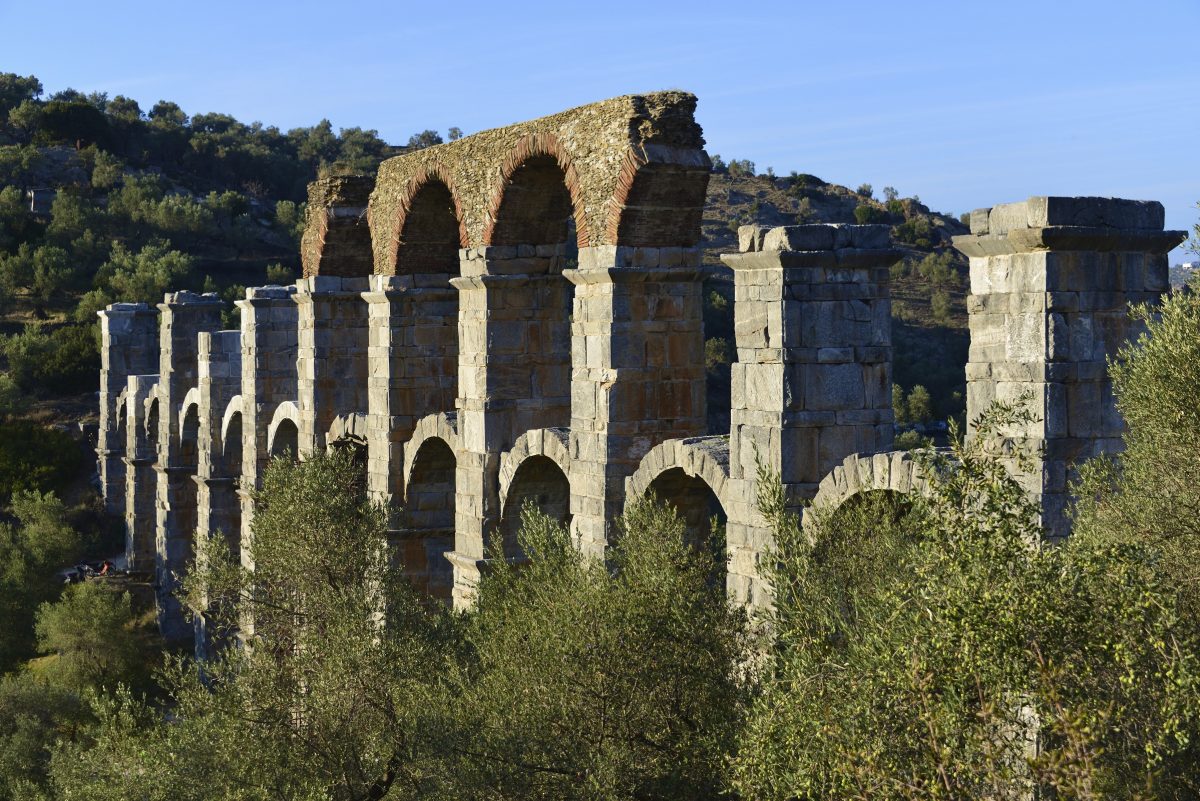
Lesvos - Roman aquaducy at Moria
Lesvos - Skala Eressos
Tsonia beach
Stipsi village
Panagia seaside village
Skala Eressos view

Chios Island

Chios chora

Chios is a very authentic island that feels worlds away from the high-traffic tourist hubs. Known for its unique mastic resin and medieval fortress-villages, it offers a blend of  history, architecture and rugged natural beauty.

Chios is a “palimpsest” of history—a rugged, fragrant, and deeply authentic destination known for its medieval fortress villages, its unique mastic resin, and its seafaring tradition.

The island offers a rugged, varied landscape, from the mountainous north (Mt. Pelineon) to the fertile citrus plains in the south.

The Mastic Island

Chios is the only place in the world where the Pistacia lentiscus tree produces the aromatic resin known as Mastic (or Mastiha).

  • The Mastic Trees: These evergreens produce “tears” of resin that can only be harvested in the southern part of Chios.

  • The Resin: Used for centuries in medicine, cosmetics, and cooking, it has a distinct pine-cedar flavor. Mastic is also used in chewing gum, liqueurs, cosmetics, and traditional sweets like “ypovrichio” (the submarine sweet).
  • UNESCO Recognition: The traditional cultivation of mastic is listed on the UNESCO Intangible Cultural Heritage list.

  • Cultural Status:  You can visit the Chios Mastic Museum in the south for a high-tech look at this ancient tradition.

Unique Architecture & Medieval Villages

Chios is perhaps most famous for its architectural diversity, which reflects its Byzantine, Genoese, and Ottoman past.

  • The Mastihochoria (Mastic Villages): In the south, you’ll find a cluster of 24 fortified medieval villages built to protect the valuable mastic trade from pirates.

    • Pyrgi: Known as the “painted village,” its house facades are covered in xysta—intricate black-and-white geometric patterns scratched into the plaster.

    • Mesta: The best-preserved medieval “castle-village” in Greece. Its houses form an outer wall with narrow, tunnel-like alleys and only two entrances, designed to confuse invaders.

    • Olympoi: Similar to Mesta but quieter. It features a central defense tower and beautiful vaulted ceilings throughout the village.

The Medieval & Ghost Villages (Central West)

  • Anavatos
    Known as the “Mystras of the Aegean,” this is a stunning, semi-deserted medieval ghost village perched on a 450-meter cliff. Its grey stone houses blend perfectly into the granite rock, making it invisible from the sea (a clever trick against pirates). It’s haunting, silent, and incredibly photogenic. It was abandoned after the massacres of 1822 and remains a haunting, stone-built ghost.
  • Avgonyma
    Just a few kilometers from Anavatos, this medieval village has been beautifully restored. It’s famous for its narrow alleys and stone-built houses. Pro tip: This is the best place on the island to watch the sunset over the Aegean while having dinner at one of the local tavernas in the main square.

The Northern Giants (Amani & Northeast)

  • Volissos
    The capital of the northwest and the legendary birthplace of Homer. It is dominated by a massive Byzantine castle. The village is a labyrinth of steep streets, hidden cafes, and traditional bakeries. It’s the gateway to the wilder, “Amani” side of Chios and near some of the island’s best wineries (like Ariousios).
  • Kardamyla & Marmaro
    This is the “shipping” capital of Chios. Ano Kardamyla (the upper village) is traditional with stone bridges and arches, while Marmaro (the port) is filled with neoclassical mansions belonging to famous Greek shipping families. It’s a mix of old-world charm and maritime wealth.
  • Lagada
    A classic, picturesque fishing village in the northeast. It’s built like an amphitheater around a narrow bay. It’s arguably the best spot on the island for a long, lazy seafood lunch right by the water, watching the colorful fishing boats (kaikia) bobbing in the harbor.
  • Pitios
    Hidden in a valley between high mountains, Pitios feels like a fortress. It has a notable medieval tower and a very authentic atmosphere. If you visit, you must eat at the local tavernas—the village is famous for its handmade “cherisia” pasta (usually served with braised goat).

Cultural & Coastal Gems (East & Central)

  • Vrontados
    More of a small town than a tiny village, but essential. It’s home to the famous “Rocket War” (Rouketopolemos) every Easter. It has a strong naval tradition and is the site of Daskalopetra, the rock where Homer supposedly taught his students.
  • Thimiana
    Located just south of Chios town, this village is unique because it’s built entirely from the local Thimiana stone (a beautiful red/brown volcanic rock). It’s famous for its “Mostra” carnival and its impressive church, Agios Efstratios, which is one of the largest in Greece.
  • Agio Galas
    At the very northern tip of the island, this tiny village is built on the entrance of a massive cave system. Inside the cave, there is a tiny, ancient church (Panagia Agiogalousaina) with incredible woodwork. It’s remote, mystical, and worth the long drive.

Historic Landmarks & Museums

  • The Chios Mastic Museum: Located on a hill overlooking mastic groves, this modern museum explains why Chios is the only place in the world where this resin is produced. The architecture and the views are stunning.
  • Nea Moni Monastery: A UNESCO World Heritage site dating back to the 11th century. It contains some of the most important Byzantine mosaics in Greece.famous for some of the finest gold-ground mosaics in the Mediterranean.
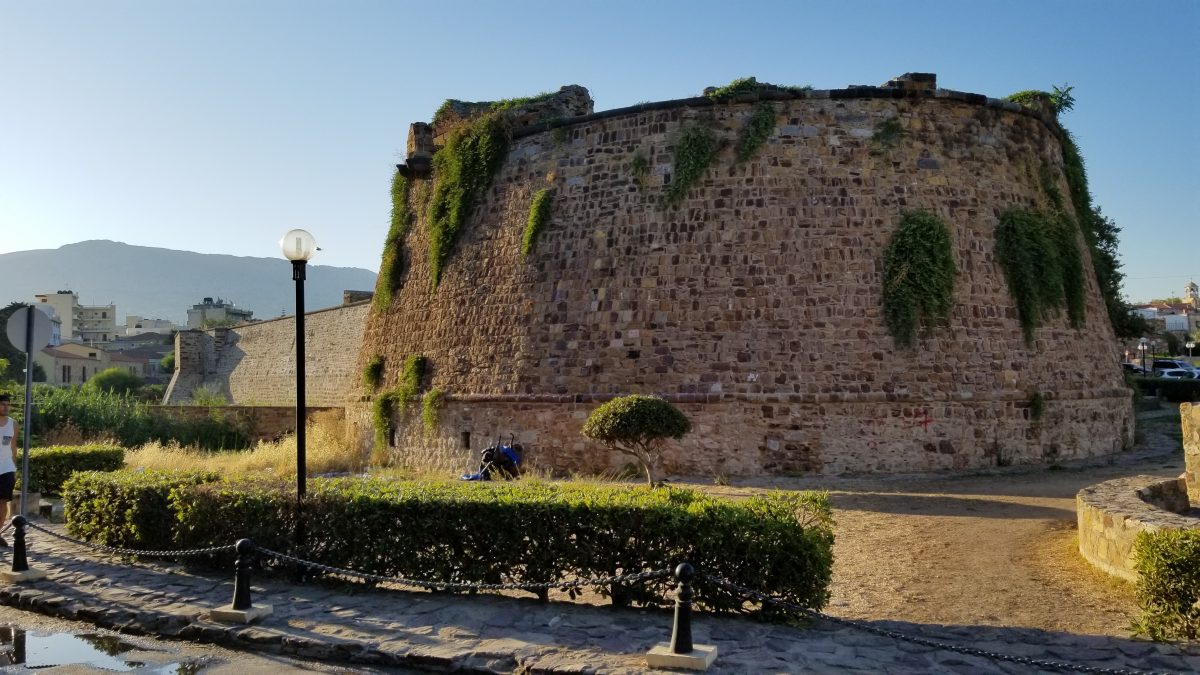
  • The Castle of Chios: Located right in the main town (Chios Hora), this massive fortress houses a small, lived-in community, Ottoman baths, and the dark history of the Giustiniani Palace.
  • The Windmills of Tampakika: The iconic landmark of the island. These four stone windmills stand on a jetty north of the main town and are the perfect spot for sunset photos.

Natural Wonders & Unique Beaches

  • Mavra Volia (Black Pebbles): Often cited as the most beautiful beach on the island. The “sand” consists of deep black, volcanic pebbles created by a prehistoric eruption, contrasted against crystal-clear deep blue water.
  • The Olympoi Cave:  lies in the south of the island close the medieval village of Olympoi with impressive stalactites and stalagmites.
  • Kampos: A fertile plain near Chios Town filled with citrus groves and grand 14th-century Genoese mansions built with local reddish stone. Visit the Citrus Museum here to learn about the island’s golden age of orange and lemon trade.
  • Daskalopetra (Homer’s Rock): Legend says this is where Homer sat to teach his poems. Whether true or not, the views of the sea and the Turkish coast are magnificent.
  • Agia Dynami Beach: A hidden gem with turquoise waters and white sand, located near a small white chapel. It’s much more secluded than the southern resort beaches.

Chios is home to over 90 beaches, ranging from volcanic black-pebble coves to shallow sandy bays. Since the island is large and the terrain varies, the “best” spots are usually found in the south (near the Mastic villages) or the rugged west coast.

  • Mavra Volia (The Black Beach)
    Widely considered the most famous beach on the island. It is covered in smooth, jet-black volcanic pebbles formed by a prehistoric eruption. The water is deep, crystal clear, and usually quite cold. It is split into three successive bays; if the first is too crowded, a short path leads to the quieter “Foki” section.
  • Agia Dynami
    A “hidden gem” in the south near Olympoi village. It features incredible emerald/turquoise waters and white sand mixed with fine pebbles. It is unorganized and secluded, with a small white chapel overlooking the bay. It’s perfect for those seeking a “Maldives-like” aesthetic without the crowds.
  • Vroulidia
    Located at the southernmost tip of the island, this small cove is framed by tall white cliffs. The water is an intense turquoise, and the beach has a mix of sand and fine gravel. Note that reaching the shore requires descending (and later ascending) a steep set of stairs, but the view from the top is one of the best in the Aegean.
  • Karfas
    The most popular sandy beach near Chios Town. It is very shallow and warm, making it the #1 choice for families with young children. It is fully organized with sunbeds, umbrellas, and water sports centers.
  • Komi
    A long, cosmopolitan sandy beach in the southeast. This is the “party” spot of the island, lined with beach bars, cafes, and tavernas. It has a lively vibe and is excellent for those who want amenities and music while they swim.
  • Agia Fotini (Agia Fotia)
    A beautiful pebbled beach located in a scenic seaside settlement. It’s known for its deep blue, clean waters and traditional tavernas right on the water’s edge. It offers a great balance of organization (sunbeds) and authentic local atmosphere.
  • Lithi
    A large, sandy bay on the west coast. The water is very shallow and the beach is famous for its sunsets. The nearby harbor is renowned for serving some of the freshest fish on the island, caught daily by local fishermen.
  • Nikos/Nagos
    Located in the lush green north, Nagos has small colorful pebbles and cold, refreshing water due to natural springs flowing into the sea. The surrounding area is full of plane trees and running water, offering a cooler microclimate during August heatwaves.
  • Apothika
    A rugged, deep-water bay on the southwest coast. It’s a favorite for adventure seekers, as there is a local diving center and kayak rentals available to explore the nearby sea caves.
  • Giosonas
    Just next to Nagos, this is a massive, wild beach with large white pebbles and open sea views. It’s much quieter than its neighbor and perfect for those who want space and a sense of “untamed” nature.

Culture & Modern Life

  • The Rocket War: On Easter Saturday, the town of Vrontados hosts a world-famous “war” where two rival churches fire thousands of homemade rockets at each other’s bell towers. The Rocket War (Rouketopolemos): An explosive Easter tradition where two rival churches in the town of Vrontados fire thousands of homemade rockets at each other’s bell towers.

  • Seafaring: Chios has one of the oldest and most powerful shipping traditions in Greece; many of the world’s most prominent Greek shipping families originate from here.

  • Local Flavors: Beyond mastic, try Chian Tangerines (exceptionally fragrant), Souma (a spirit made from figs), and local Ariousios wine, which was prized in antiquity.

Chios is famous for the "Mastic"
Chios Mastic museum
Chios castle
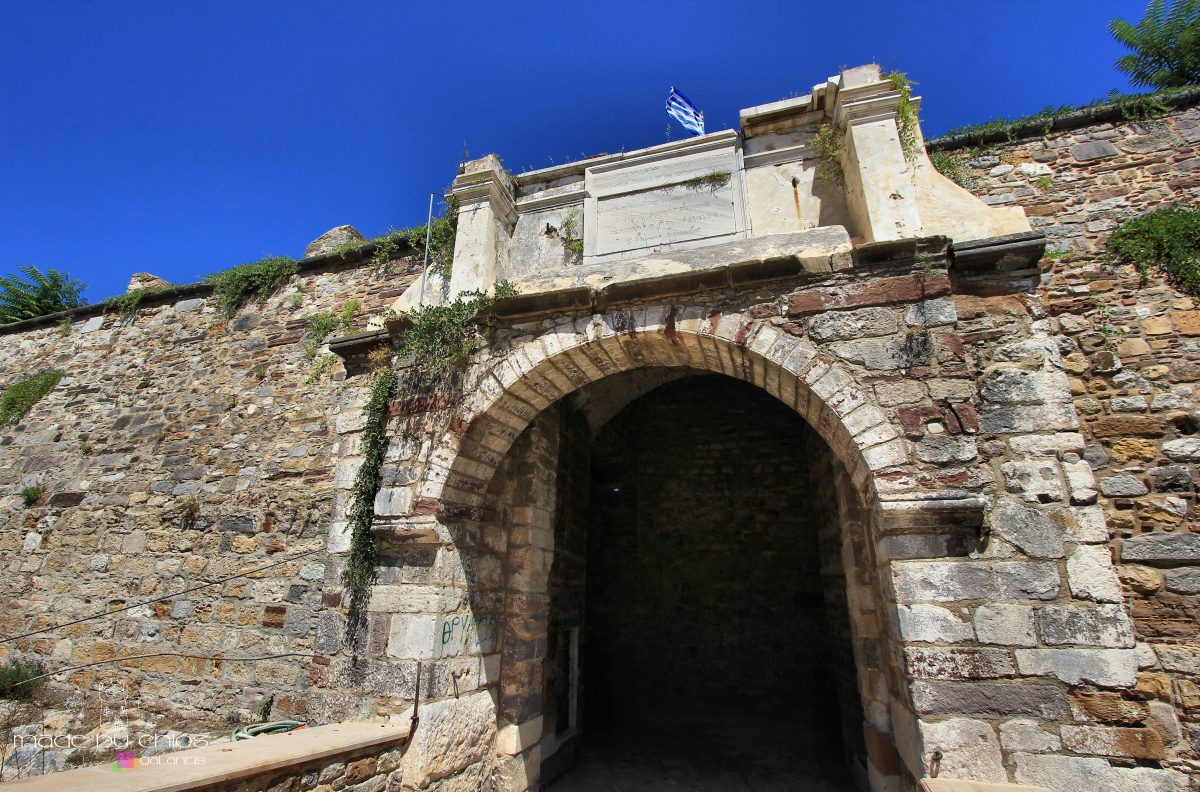
Chios castle gate
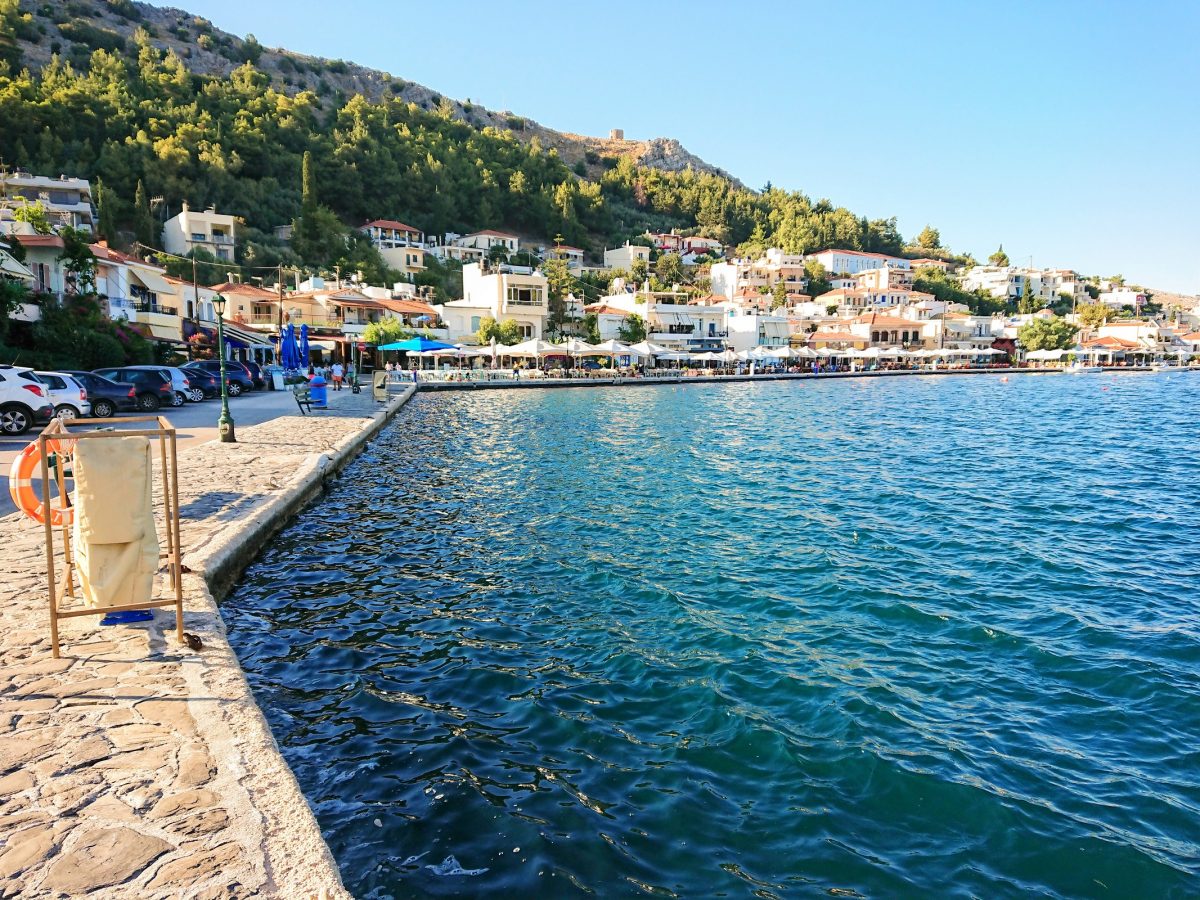
Marmaro bay
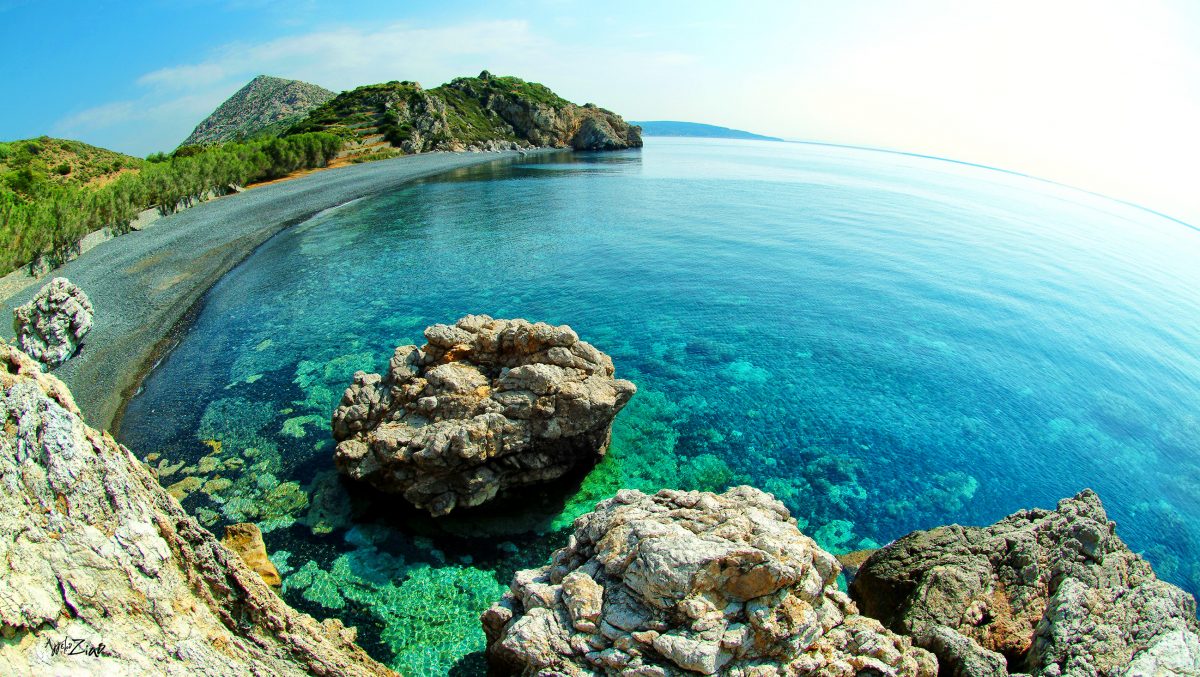
Mavra Volia bay
Managros bay
Volissos
Lagada

Samos Island

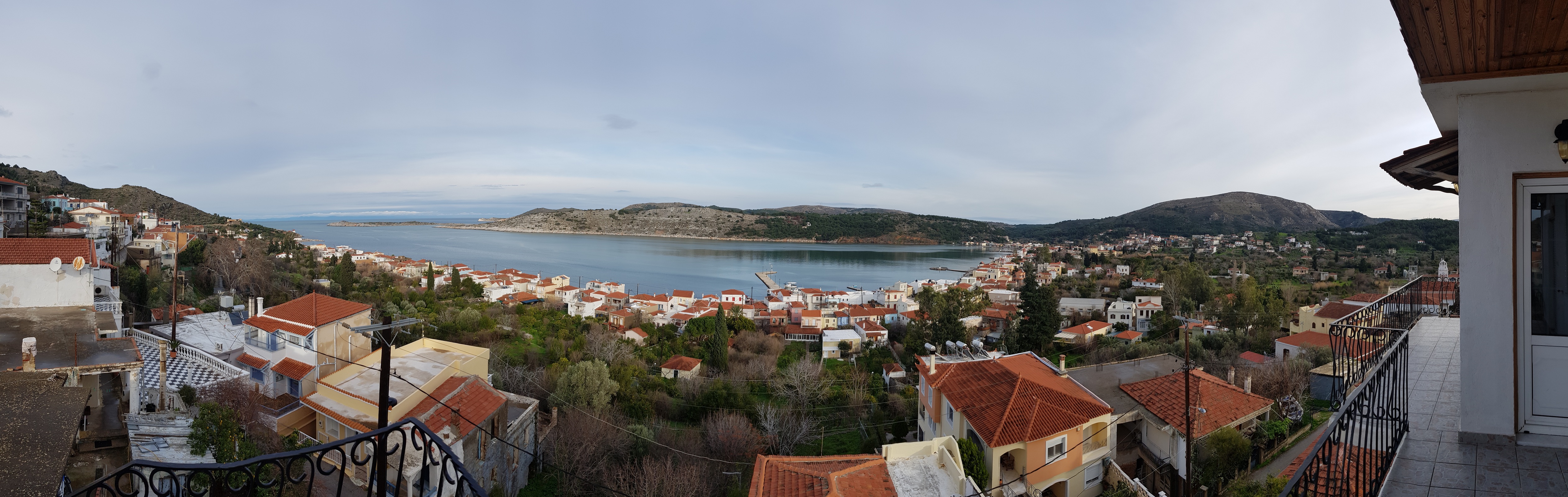
Samos - port city of Vathy

Samos is one of Greece’s most verdant and culturally significant islands, located in the eastern Aegean Sea just off the coast of Turkey. Recognized by National Geographic as a top “unexpected” destination for 2025, it is celebrated for its authentic atmosphere, lush mountainous terrain, and world-class archaeological sites.

Samos is one of the most diverse and historically significant islands in the North Aegean. Often described as the “Island of Pythagoras,” it is uniquely positioned just over a mile (1.6 km) from the coast of Turkey, separated by the narrow Mycale Strait.

Unlike the dry, rocky landscapes often associated with the Cyclades, Samos is strikingly green and lush, defined by dense forests, vineyards, and two massive mountain ranges.

Samos is an island that perfectly balances ancient history with rugged, lush nature. It’s much greener than the typical Cycladic islands and offers some truly unique engineering marvels from antiquity.

Here are the must-see attractions on Samos, organized by interest:

UNESCO & Ancient Wonders

  • The Tunnel of Eupalinos: A true 6th-century BC engineering masterpiece. It is a 3,400 ft long tunnel dug through Mount Kastro from both sides simultaneously, meeting in the middle with incredible mathematical precision. You can walk through parts of it today.
  • The Heraion of Samos: Once one of the largest temples in ancient Greece, this sanctuary was dedicated to the goddess Hera. While only one massive column remains standing, the sheer scale of the ruins and the history of the site are awe-inspiring.
  • The Archaeological Museum of Vathy: This is essential for one reason: the Colossal Kouros. Standing at 18 ft tall, it is the largest surviving free-standing kouros statue in Greece.

Picturesque Villages

  • Kokkari: Often cited as the most beautiful village on the island. It’s a traditional fishing harbor with colorful houses, narrow alleys, and a vibrant waterfront lined with cafes that sit right against the crashing waves.
  • Pythagoreio: Built on the site of the ancient capital, this is a bustling, chic harbor town. It’s perfect for an evening stroll to see the statue of Pythagoras and the Castle of Lykourgos Logothetis.
  • Manolates: A stunning mountain village tucked away in the “Valley of the Nightingales.” It’s famous for its narrow stone streets, local pottery workshops, and incredible views of the Turkish coast across the sea.

Nature & Adventure

  • Potami Waterfalls: Located near Karlovasi, this is a lush escape. You hike through a forest to reach a series of small waterfalls. To reach the second and third falls, you actually have to swim through sections of the cold river—it’s a highlight for most visitors.
  • The Cave of Pythagoras: Located on the slopes of Mount Kerkis, this is where the famous mathematician supposedly hid from the tyrant Polycrates. It’s a steep climb, but the cave houses a small chapel and offers a rugged, spiritual atmosphere.
  • The Monastery of Panagia Spiliani: Perched on a hill overlooking Pythagoreio, this monastery features a unique church located inside a large, cool cave.

Iconic Beaches

  • Tsamadou Beach: Famous for its crystal-clear turquoise water and pebble shoreline. It’s one of the most photographed spots on the island.
  • Livadaki Beach: A hidden gem in a narrow, shallow bay. It feels like a tropical lagoon and usually has a very relaxed beach-club vibe with kayaks available for rent.
  • Psili Ammos: If you prefer sand over pebbles, this is the spot. It’s very shallow, making it great for families, and it’s the closest point to Turkey—you can clearly see the mainland just across the strait.

History & Mythology

Samos was a powerful maritime city-state in antiquity and a center of Ionian culture.

  • Birthplace of Great Minds: It is the home of the mathematician Pythagoras, the philosopher Epicurus, and the astronomer Aristarchus (who first proposed the heliocentric model).

  • Mythology: The island is the mythical birthplace of the goddess Hera. The massive Heraion of Samos, once one of the largest temples in Greece, is now a UNESCO World Heritage site.

  • Engineering Marvel: The Tunnel of Eupalinos, a 1,036-meter underground aqueduct built in the 6th century BC, is considered a masterpiece of ancient engineering.

Landscapes & Nature

Unlike the barren landscapes of the Cyclades, Samos is incredibly green, covered in pine forests, olive groves, and vineyards.

  • Mountains: The island is dominated by two massifs: Mt. Kerkis (the highest at 1,434m) and Mt. Ambelos.

  • Hiking & Waterfalls: Popular trails lead to the Potami Waterfalls near Karlovasi and through the “Valley of the Nightingales.”

  • Wildlife: It is one of the few places in Greece where you can find the golden jackal, along with flamingos and monk seals in protected areas.

Culture & Gastronomy

  • Samian Wine: Samos is world-famous for its sweet Muscat wine, which has been exported since antiquity. You can visit several wineries and the Samos Wine Museum in Vathy.

  • Traditional Villages:

    • Pythagoreio: A scenic harbor town built on ancient ruins (UNESCO site).

    • Kokkari: A picturesque fishing village known for its colorful houses and windsurfing.

    • Manolates & Vourliotes: Charming mountain villages famous for their narrow alleys, pottery, and views.

Notable Beaches

  • Potokaki: A long, organized pebble beach near the airport.

  • Tsamadou & Lemonakia: North-coast favorites with turquoise waters and lush backdrops.

  • Psili Ammos: A shallow sandy beach ideal for families, located very close to the Turkish coast.

  • Seitania (Mikro & Megalo): Secluded, roadless beaches accessible only by boat or hiking.

Quick Facts

  • Capital: Vathy (Samos Town).

  • Access: International airport (SMI) with seasonal charters and year-round flights from Athens/Thessaloniki; major ferry ports at Vathy and Karlovasi.

  • Proximity: Only 1 mile from Turkey at its closest point; daily ferries run to Kusadasi (ideal for visiting ancient Ephesus).

Geography and Nature

Samos is the 8th largest island in Greece and is dominated by two main mountains:

  • Mount Kerkis: The highest peak in the Aegean at 4,700 ft, offering challenging hiking trails and dramatic views.

  • Mount Ambelos: A gentler range in the center of the island, known for its verdant slopes and numerous springs.

  • Natural Highlights: The island features the Potami Waterfalls, the Seitania protected nature reserves, and wetlands that attract seasonal flamingos.


Ancient Heritage & Famous Figures

Samos was a powerful city-state in antiquity and a center of Ionian culture. It is the birthplace of several legendary figures:

  • Pythagoras: The philosopher and mathematician.

  • Aristarchus: The first astronomer to propose a heliocentric (Sun-centered) model of the solar system.

  • Epicurus: The founder of Epicurean philosophy.

  • The Goddess Hera: According to mythology, Samos was the birthplace of Hera, the queen of the gods.


UNESCO World Heritage Sites

Samos is home to two major archaeological landmarks recognized by UNESCO:

  • The Heraion: Once one of the largest temples in the ancient world, dedicated to Hera. Today, a single massive column remains standing as a testament to its scale.

  • The Tunnel of Eupalinos: A 3,400 ft long aqueduct, cut through a mountain in the 6th century BC. It is considered a masterpiece of ancient engineering because it was dug from both sides simultaneously, meeting perfectly in the middle.


Key Towns and Villages

  • Vathy (Samos Town): The capital and main port, featuring neoclassical buildings and a world-class archaeological museum housing the “Colossal Kouros”  (18 ft tall).

     
  • Pythagoreion: A picturesque port town built over the ancient capital, filled with cafes, boutiques, and historic ruins.

  • Kokkari: A charming fishing village on the north coast, famous for its pebbly beaches, colorful houses, and windsurfing conditions.

  • Manolates & Vourliotes: Traditional mountain villages tucked into the forests, known for their stone houses and local handicrafts.


Flavors of Samos

Samos is world-renowned for its Muscat wine. The terraced vineyards on the slopes of Mt. Ambelos produce a sweet dessert wine that has been famous since antiquity and is still exported globally today.

If you visit, don’t miss a trip to a local winery or the Samos Wine Museum in Vathy to taste the “Nectar” variety.
 
Samos - Karlovasi
Samos - Archaelogical museum at Vathy
Samos - Ag. Nikolaos at Kokkari
Samos - Kokkari bay
Samos - Psili Ammos bay
Samos - Mega Seitani bay
Samos - Eupalinos' aqua duct neat Pythagorio
Samos - Ancient city of Pythagorio

Ikaria Island

Ikaria - Magganitis bay

Ikaria, often called “The Island Where People Forget to Die,” is a ruggedly beautiful Greek island in the North Aegean Sea. It is world-renowned as one of the five original “Blue Zones”.

Blue Zones are five regions identified by researchers where people live exceptionally long, healthy lives, often reaching 100 years old with lower rates of chronic disease, including Okinawa (Japan), Sardinia (Italy), Nicoya (Costa Rica), Ikaria (Greece), and Loma Linda (California, USA). These areas share common lifestyle factors like plant-based diets, regular movement, strong social ties, a sense of purpose (Ikigai/Plan de Vida), and low stress, offering lessons for global health improvemen

Ikaria is famously known as a “Blue Zone,” where people live exceptionally long lives due to a blend of slow living, healthy diet, and strong community. Unlike the manicured look of the Cyclades, Ikaria is rugged, wild, and fiercely authentic.

Here are the must-see attractions on the island:

Iconic Beaches

  • Seychelles Beach: Often called the most beautiful spot on the island, this beach features bright turquoise waters and white limestone cliffs. It was created by a landslide during the construction of a nearby tunnel. It’s accessible via a steep, rocky hike or a boat from Magganitis.
  • Nas Beach: A sacred spot where the Chalaris River meets the Aegean. It’s home to the ruins of the Temple of Artemis Tavropolos. It is also the premier spot on the island to watch the sunset.
  • Messakti Beach: The island’s best spot for surfing and sand. It’s a wide, golden sandy beach with a relaxed vibe and several beach bars.
  • Livadi Beach: Located near Armenistis, this is a family-friendly sandy beach with shallow waters and a lush green backdrop.

Picturesque Villages & Culture

  • Christos Raches: This mountain village is famous for its “reversed” clock. Shops and tavernas don’t typically open until late in the evening and stay open until dawn. It’s the heart of Ikarian nightlife and the best place to experience the island’s unique pace.
  • The Panigiria (Village Festivals): If you visit in summer, attending a panigiri is mandatory. These are traditional feasts with live violin music, local wine, and the famous “Ikariotikos” dance that lasts until sunrise.
  • Armenistis: A charming fishing village on the northern coast that serves as the main hub for travelers. It has great seafood tavernas and serves as a perfect base for exploring the north.
  • Magganitis: A dramatic village tucked under massive granite cliffs. The road leading here through a hand-cut tunnel is an experience in itself.

Historical & Spiritual Sites

  • Theoktistis Monastery: Located near Pigi village, this 16th-century monastery features the Theoskepasti Chapel, which is built entirely inside and underneath a massive granite boulder.
  • Koskina Castle: A 10th-century Byzantine fortress sitting atop a mountain peak near the center of the island. The climb offers 360-degree views of the Aegean.
  • Drakano Tower: A well-preserved 4th-century BC military watchtower located on the eastern tip of the island near Faros.
  • Therma (Thermal Springs): Famous since antiquity for their radioactive healing properties, these natural hot springs flow into the sea. You can visit the organized spa or find the “hidden” springs where hot water bubbles up directly into the ocean.

Nature & Hiking

  • Halari Gorge: A lush, green canyon with small waterfalls and stone bridges. The trail connects the mountain village of Christos Raches to Nas Beach and is a paradise for hikers.
  • Randi Forest: An ancient forest of Ari trees (a rare species of oak) that is over 200 years old, offering some of the most mystical walking paths on the island.
  • Ikarian Wineries: Visit Afianes Winery or Karimalis Winery to taste the local Pramnios wine. Most offer tours that explain the island’s ancient winemaking traditions.

Culture & Lifestyle: The Secret to Longevity

Ikaria’s fame stems from the lifestyle of its inhabitants, who are ten times more likely to reach the age of 90 than Americans.

  • The “Slow” Life: Time is famously flexible. In some mountain villages like Christos Raches, shops don’t open until late at night, and locals live by their own internal clocks rather than strict schedules.

  • Social Bonds: Community is everything. The island is famous for its Panigiria—vibrant religious festivals featuring traditional Ikariotikos dancing, local red wine, and slow-cooked goat that last until dawn.

  • Diet & Activity: Their Mediterranean diet is rich in wild greens, beans, olive oil, and herbal “mountain tea.” Daily physical activity isn’t “exercise” but a byproduct of walking the island’s steep, mountainous terrain.

Geography & Nature

Unlike the flat, white-washed Cyclades, Ikaria is wild, mountainous, and lush.

  • Diverse Terrain: The island is split by the Atheras mountain range, featuring dramatic gorges (like Halari), thick pine forests, and waterfalls.

  • Beaches: * Seychelles Beach: Famous for its bright turquoise water and white limestone cliffs (accessible via a steep hike).

    • Nas: A mystical cove where a river meets the sea, home to the ruins of an ancient Temple of Artemis.

  • Thermal Springs: The town of Therma has been famous since antiquity for its radioactive hot springs, believed to have healing properties.

Key Towns

  1. Agios Kirykos: The capital and main port on the south coast, known for its neoclassical architecture and proximity to the hot springs.

  2. Evdilos: The second port on the north coast, a picturesque village with narrow alleys and traditional houses.

  3. Armenistis: The primary tourist hub with easy access to the popular sandy beaches of Livadi and Mesakti.

Interesting Facts

  • Mythology: The island is named after Icarus, who according to myth fell into the sea nearby when his wax wings melted.

  • “The Red Island”: Due to its history as a place of exile for political dissidents, the island has a long-standing left-leaning political tradition.

  • Anti-Pirate Architecture: Many older houses were built to look like giant boulders from the sea to hide from pirates—often called “house-monoliths.”

Ikaria is a Greek island in the North Aegean, famously nicknamed “The Island Where People Forget to Die.” It is one of only five designated Blue Zones in the world—regions where people live significantly longer than average, often reaching 90 or 100 with remarkable health.

Unlike the manicured, cosmopolitan vibe of Mykonos or Santorini, Ikaria is wild, rugged, and fiercely independent.

Geography & Landscape

The island is defined by its dramatic, contrasting terrain.

 
  • The Spine of the Island: The Aetheras mountain range runs the length of Ikaria, reaching heights of over 3,300 ft. This creates a vertical landscape of steep cliffs and deep, green gorges.

     
  • Unique Beaches: You’ll find everything from the white-pebbled, turquoise waters of Seychelles Beach (created by a landslide during tunnel construction) to the golden sands of Messakti.

     
  • Thermal Springs: Located mainly around Therma, these radioactive hot springs have been famous since antiquity for their healing properties.


History & Mythology

  • The Fall of Icarus: According to myth, the island is named after Icarus, who flew too close to the sun.  His wax wings melted, and he fell into the sea nearby; the island marks his final resting place.


  • The Pirate Era: To hide from pirates, Ikarians built “anti-pirate” houses—stone structures hidden in the mountains that lacked chimneys (to hide smoke) and were camouflaged into the rocky terrain. This isolation helped preserve their unique culture.


The Lifestyle (The “Ikarian Secret”)

Ikaria is world-renowned for its relaxed pace of life, which is credited for the locals’ longevity.

 
  • Flexible Time: In mountain villages like Christos Raches, shops often don’t open until sunset and stay open until dawn. The concept of “being on time” is largely ignored.


  • The Diet: A strict Mediterranean regimen focusing on wild greens (horta), legumes, goat milk, herbal teas (sage, mountain tea), and a moderate amount of strong local red wine.


    Panigiria: These are legendary village festivals held throughout the summer. They involve hours of traditional dancing (Ikariotikos), drinking, and eating boiled goat, often lasting until the following morning.


Key Places to Visit

LocationHighlights
Agios KirykosThe capital and main port; a gateway to the thermal springs.
EvdilosThe second port, known for its traditional architecture and harbor-side cafes.
ArmenistisA coastal village popular with travelers, located near the island’s best sandy beaches.
NasA dramatic cove where a river meets the sea; home to the ruins of the Temple of Artemis.
Seychelles BeachOften cited as the most beautiful beach on the island with its translucent water.


Ikaria - Elidaki beach
Ikaria - Mestaki bay
Ikaria - Fanari beach
Ikaria - Armenistis beach

Fournoi Island

Fournoi island (east of Ikaria) town

Fournoi (also known as Fournoi Korseon) is the kind of place that hasn’t quite realized it’s the 21st century yet—and honestly, that’s its best feature. It’s rugged, quiet, and famous for its lobsters and pirates (well, former pirates).

Here are the must-see spots if you’re heading there:

Villages & Main Hubs

  • Fournoi Town (Chora): The island’s heart is its harbor. Walk down the main street lined with mulberry trees that form a natural green tunnel. Make sure to stop at the Platia (Main Square) to see the Roman-era sarcophagus just sitting there, used as a casual piece of history.
  • Chrysomilia: A steep, amphitheater-style mountain village at the north of the island. It’s incredibly quiet, full of colorful stairs and “long-eared” goats. The views of the Aegean from here are some of the best on the island.
  • Thymena Island: A ten-minute boat ride takes you to this tiny sister island. It’s the definition of “off the grid.” There’s one main settlement, one main beach (Keramidou), and zero stress.

Historical & Archaeological Sites

  • The Ancient Quarry (Petrokopio): Located right on the water’s edge, this Roman-era marble quarry still has half-finished marble columns and blocks scattered along the shoreline and even underwater. It’s like an open-air museum where you can actually touch the exhibits.
  • The Acropolis (St. George Hill): Above Chora, you can hike up to the ruins of an ancient fortress. You’ll find remnants of Cyclopean walls and inscriptions dedicated to the gods of Samothrace. The 360-degree view is worth the sweat.
  • Kamari Ruins: In the settlement of Kamari, you can find ruins of an ancient city. If you’re a decent snorkeler, look for the submerged ruins on the seabed just off the coast.

Beaches & Nature

  • Kambi Beach: Just a short walk (or a lot of stairs) from Chora. It’s famous for the three stone windmills that sit on the ridge above it. It’s one of the most photographed spots on the island.
  • Psili Ammos: A small, sandy beach near the town with shallow, turquoise water. It’s one of the few places with a bit of a “vibe” thanks to a small beach bar, but it still feels very local.
  • Kassidi Beach: If you want total seclusion, head here. It’s unorganized, sandy, and has some of the clearest water in the North Aegean.
  • Petrokopio Beach: Aside from the ancient quarry, the beach itself is stunning with white rocks and deep blue water.

Local Flavors (The “Gastro” Attraction)

  • The Lobster Capital: You can’t leave Fournoi without eating Lobster Pasta (Astakomakaronada). Because the shelf around the island is a natural breeding ground, lobster is often cheaper and fresher here than anywhere else in Greece.
  • Local Honey & Cheese: Keep an eye out for wild thyme honey and Sklery (a local hard cheese).
Fournoi - Petrokopi beach
Fournoi island (east of Ikaria) town

If you are ready for the North Aegean Islands, reach out below…