
Chania prefecture
Chania Prefecture places of interest
Chania Prefecture is often considered the most beautiful region of Crete, offering a mix of dramatic mountain ranges, world-class beaches, and a rich tapestry of Venetian and Ottoman history.
Here are the top places of interest categorized by type:
The Crown Jewels (Beaches)
The prefecture is home to some of the most photographed beaches in the world.
Balos Lagoon: Famous for its turquoise waters and wild natural beauty. It’s best reached by boat from Kissamos to avoid the rough 4×4 track.
Elafonisi Beach: Known for its iconic pink sand (created by crushed shells) and shallow lagoons. It is a protected nature reserve.
Falassarna: A massive sandy beach on the west coast, perfect for sunset views and windsurfing.
Seitan Limania: A “hidden” gem—a narrow, zig-zagging cove carved into the cliffs of the Akrotiri peninsula. The hike down is steep and requires sturdy shoes.
Chania City & Culture
The capital city of the prefecture is a labyrinth of history.
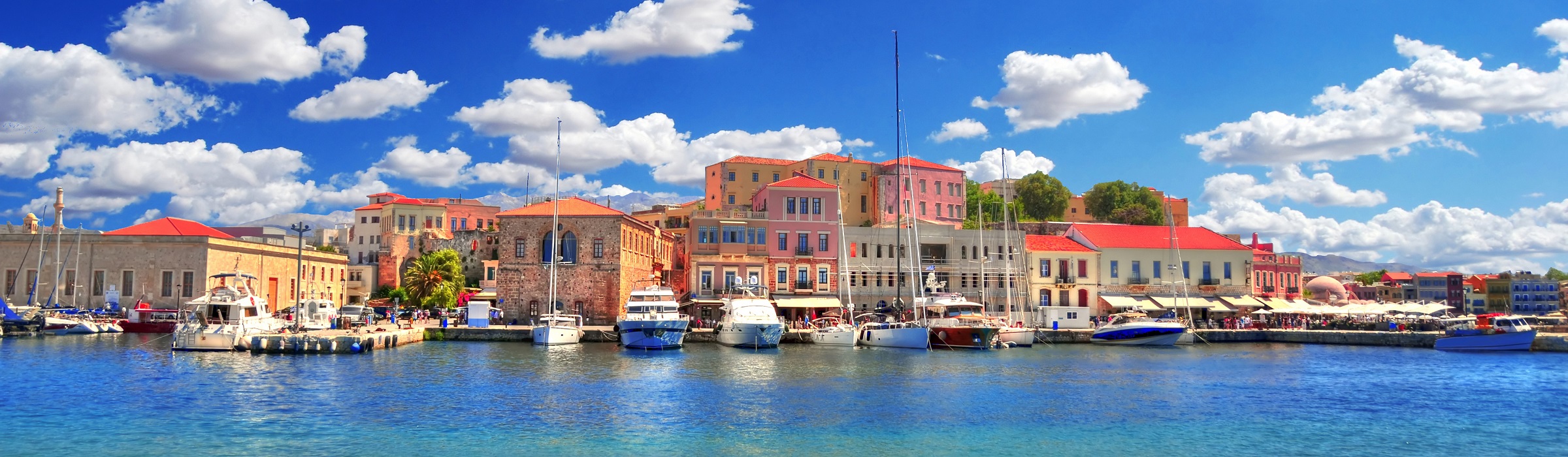
Old Venetian Harbor: The heart of the city, featuring the Egyptian Lighthouse and the Giali Tzamisi Mosque.
Old Town Alleys: Explore the districts of Topanas (Venetian) and Splatzia (Ottoman) for boutique shops and hidden tavernas.
Archaeological Museum of Chania: Now housed in a striking modern building in the Chalepa district, it showcases artifacts from the Neolithic to the Roman era.
Venizelos Tombs: Located on a hill overlooking the city, offering the best panoramic views of Chania and the Aegean Sea.
Nature & Adventure
Samaria Gorge: One of Europe’s longest canyons. The 16km hike takes you through the White Mountains (Lefka Ori) and ends at the coastal village of Agia Roumeli.
Lake Kournas: The only natural freshwater lake in Crete. You can rent pedal boats and look for the local terrapins (turtles).
Botanical Park & Gardens of Crete: A lush park born from the ashes of a 2003 wildfire, featuring Mediterranean flora and a great on-site restaurant.
Authentic Villages
Beyond the historic old town, the prefecture is a patchwork of traditional mountain villages and significant archaeological sites, like ancient Aptera and Kydonia.
For a taste of traditional Cretan life, head to the Apokoronas region or the south coast:
Vamos & Gavalochori: Historic villages with stone-built houses, olive oil mills, and folk museums.
Loutro: A tiny, car-free fishing village on the south coast, accessible only by boat or on foot.
Chora Sfakion: The gateway to the rugged south, known for its fierce history and “Sfakian pies” (cheese-filled pancakes with honey).
Chania Prefecture’s geographical diversity supports a rich agricultural economy famous for its high-quality olive oil, citrus, and wine, while the rugged coastline offers a mix of secluded coves and bustling seaside resorts.
City of Chania
City of Chania:
Chania is a city where history and charm converge, characterized by its stunning Venetian architecture, a labyrinthine Old Town, and a vibrant harbor that serves as the heart of its social life. Visitors often find themselves drawn to the blend of Ottoman and Venetian influences that define its unique character.
Landmarks
Venetian Port: the city’s crown jewel, offering a postcard-perfect setting for a leisurely stroll at any time of day. A walk from municipal parking into the harbour and along the outer harbour wall is a great experience set aside at least an hour to do the walk both ways.
- Lined with a variety of restaurants, cafes, and bars that provide prime seating for watching the sunset.
- Features the historic Küçük Hasan Mosque Click to open side panel for more information , a distinct domed landmark that now frequently hosts art exhibitions.
- Serves as the starting point for boat trips around the harbor and to nearby coastal attractions.
Lighthouse of Chania: also called the Egyptian Lighthouse, stands as the most recognizable symbol of the city.
- Offers a fantastic vantage point for photographing the harbor and the backdrop of the White Mountains.
- Accessible via a scenic walk along the elongated harbor breakwater.
- Best visited at dusk when the structure is illuminated against the evening sky.
History & Culture
Chania Old Town: a maze of narrow, cobblestone alleys that invite visitors to wander and discover hidden courtyards and historic gems.
- Home to the Etz Hayyim Synagogue Click to open side panel for more information , the only remaining Jewish monument on Crete, which dates back to the Middle Ages.
- Includes “Leather Street” (Skridlof), famous for its traditional Cretan leather goods and local crafts.
- Features pastel-colored Venetian houses often decorated with intricate sea pebble mosaics.
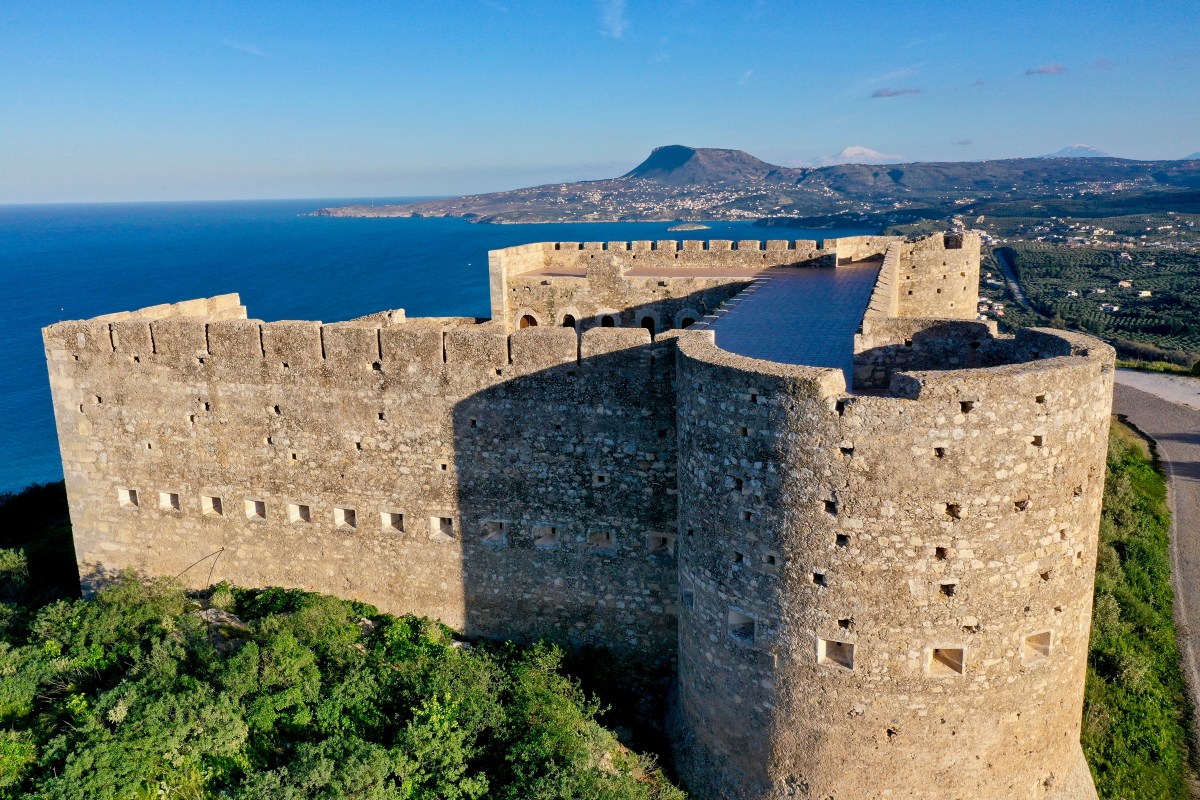
- The Firka Venetian Fortress provides a deep dive into the island’s military past and offers some of the best panoramic views of the harbor entrance.
Maritime Museum of Crete: which displays a vast collection of ship models, war relics, and maritime instruments.
- Features well-preserved fortress walls that visitors can walk along to see the city from above.
- Includes a separate branch, the Museum of Ancient Shipbuilding, which showcases a full-scale replica of a Minoan ship.
Archaeological Museum of Chania: provides an extensive collection of artifacts in a modern, state-of-the-art facility.
- Showcases findings from across the region, ranging from Neolithic times to the Roman era.
- The collection is organized chronologically, providing a clear timeline of Crete’s complex history.
Unique Local Experiences
Tampakaria:
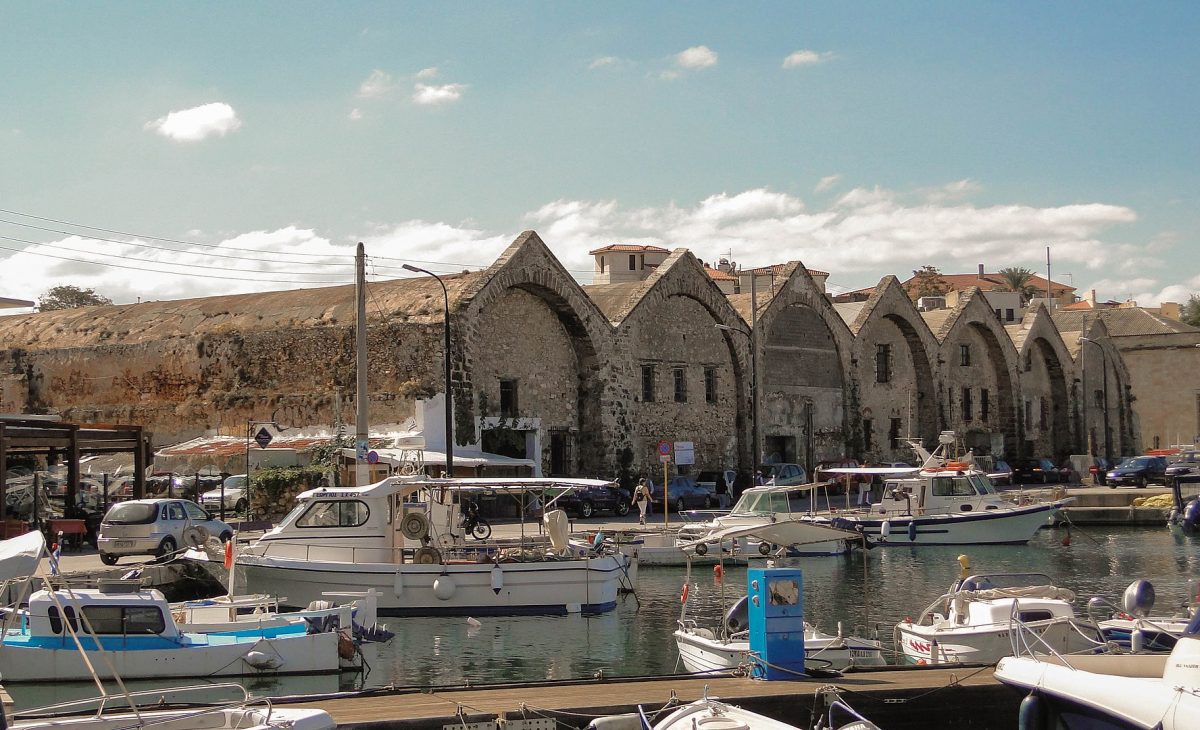
- Provides a glimpse into Chania’s industrial heritage with its weathered stone buildings by the sea.
- Now seeing a resurgence with new uses for the abandoned spaces, including trendy seaside dining options.
- Known for its rugged, authentic feel away from the more polished tourist areas.
Venizelos Graves:
- Located on a woody hill overlooking the entire city and the Cretan Sea; final resting place of prominent Greek politician Eleftherios Venizelos and his son.
- Considered one of the best spots for a panoramic view of Chania, especially beautiful during the “golden hour.”
- Surrounded by a peaceful park area that is a popular retreat for locals.
Old Chania Market:
Chania Market, also known as the Agora, is a cross-shaped municipal market building that has been the center of local commerce for over a century.
- Typically a hub for fresh Cretan products, including local cheeses, honey, herbs, and olives.
- Note: As of early 2026, parts of the market building may still be undergoing restoration, though many surrounding local shops remain active.
Nea Chora Beach:
If you are looking for a quick escape to the water, Nea Chora Beach is the most accessible sandy stretch within walking distance of the center.
- Features calm, shallow waters that are ideal for a relaxed swim.
- Surrounded by local fish tavernas that are highly regarded for their fresh seafood.