Paros Island
Landscape
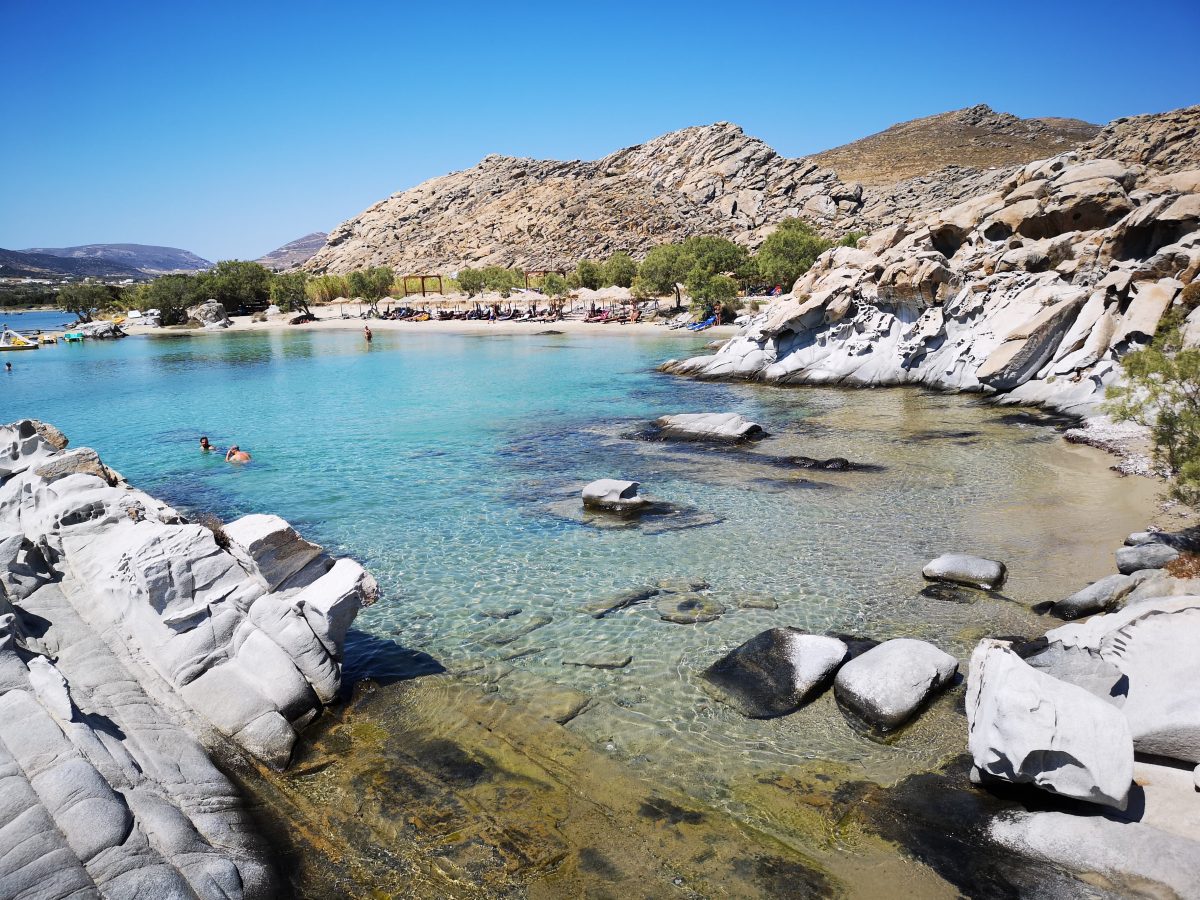
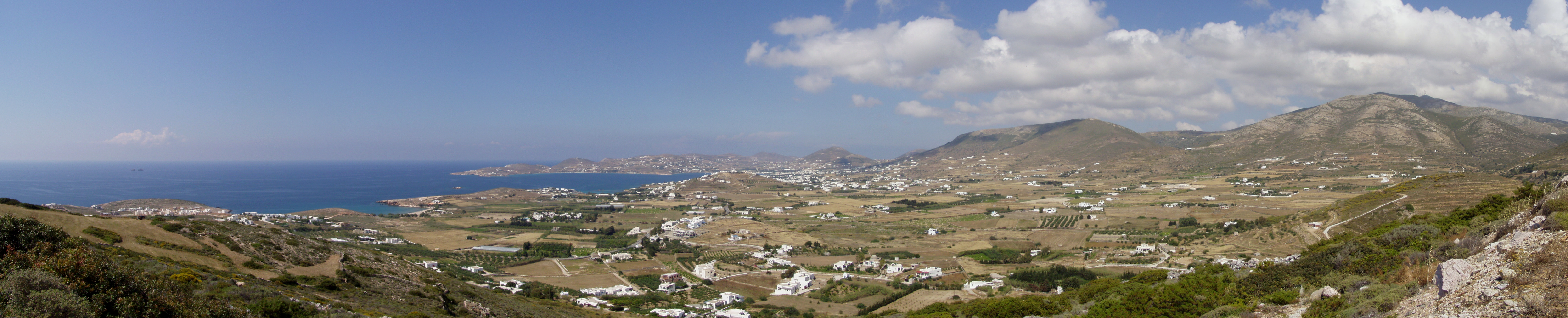
Paros is shaped like a “plump pear” and its landscape is dominated by a central mountain that slopes gently toward the sea in all directions. This geography creates a harmonious blend of rolling hills, ancient marble veins, and a coastline that transitions from jagged granite to soft golden sands. This is our favorite island for personal reasons; the quintessence of the Cycladic dream.
Paroikia (Main port)
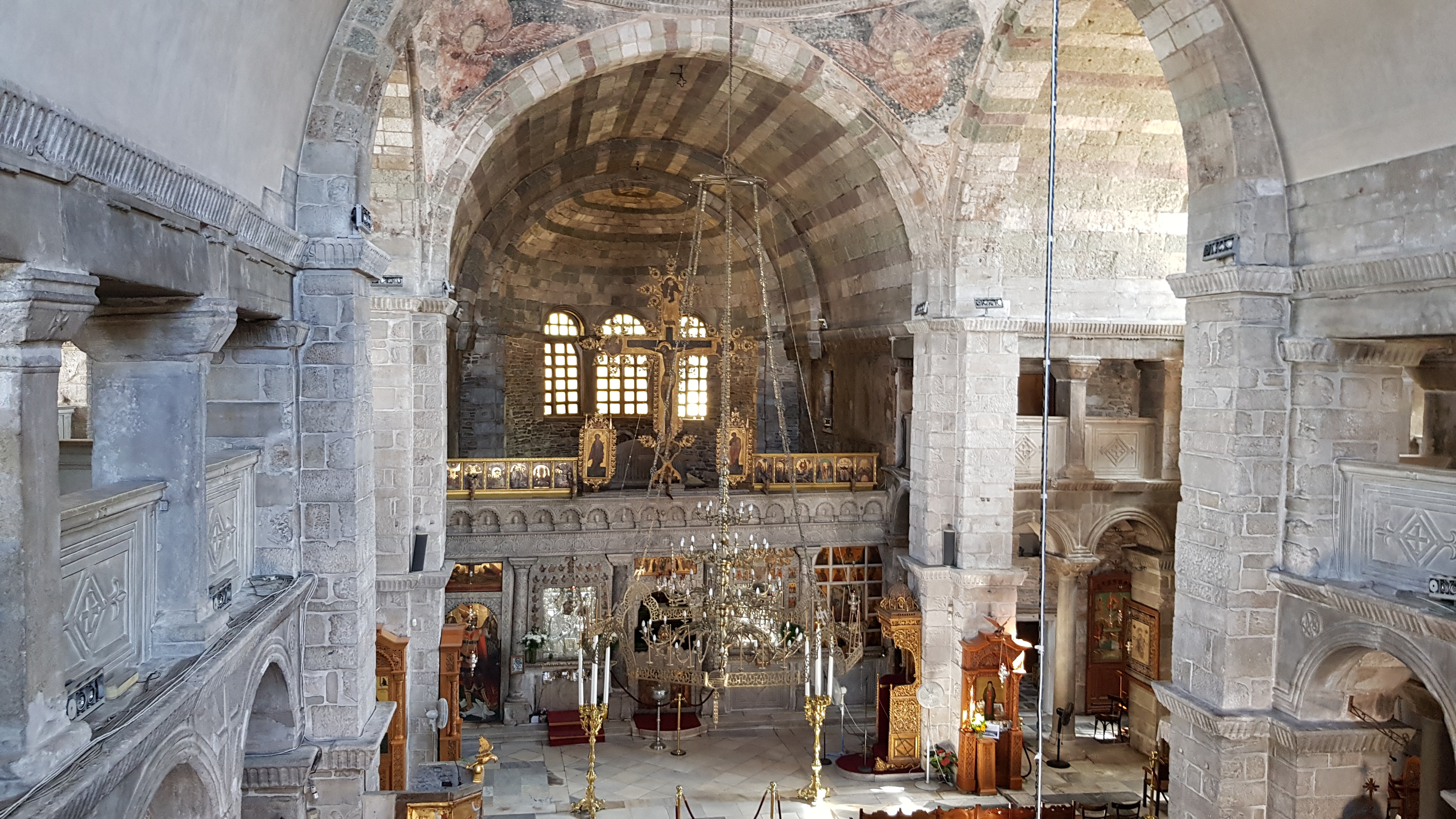
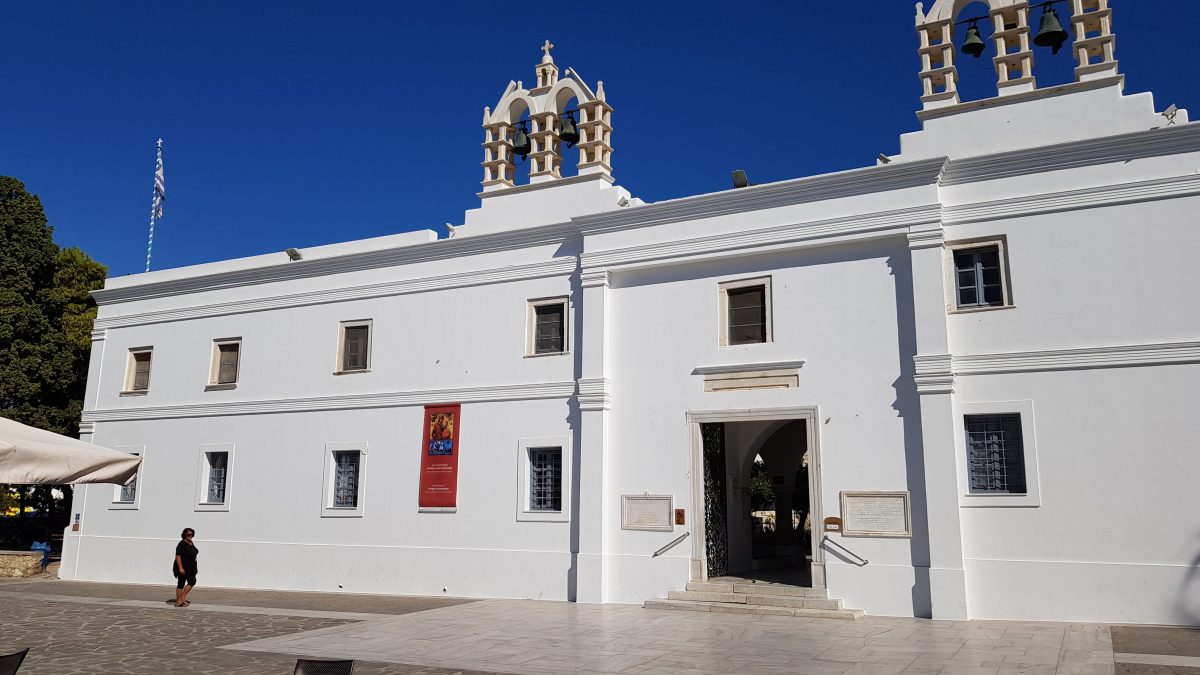
Paroikia is best enjoyed by foot, before renting a car or meeting your transfer.First stop is the Ekatotapiliani or Katapoliani (Our Lady of the Hundred Doors), an impressive Byzantine structure dating back to the reign of either Constantine the Great (280-377 A.D.) or Justinian (527-565). The church was restored in 1959 and is considered the third most important Early Christian building in Greece. Although there are many traditions regarding the church’s origins, one of themost compelling is the one of Eleni, the mother of Constantine. On her search for the True Cross in the Holy Lands, her ship was forced to stop in Paros because of a storm. In the ancient town, she happened upon one of the first Christian chapels dedicated to the Dormition of the Virgin. She prayed that if she found the True Cross and returned safely back to her homeland, she would build a church on the very spot.
Inside the church yard is the Byzantine Museum. It houses some marvellous icons, church relics, wood carvings and other ecclesiastical objects.
Continuing my walk, I reach the Archaeological Museum, near the high school, which contains finds from more than 6,000 years ago. One of the most intriguing is a biography on marble of the poet Archilocus written in 250 B.C. Nearby is a frieze showing the wedding of Archilocus, with the poet and his new wife reclining together in bed.
Top Villages & Beaches
Next stop is the mountain village of Lefkes, Paros’s ancient capital, 200 meters above sea level. It was built high in the mountains to avoid pirate attacks. The main street of the village contains houses from hundreds of years ago. It has the oldest continuously operating bakery on the island.
East of the village lies the marble church of the Holy Trinity, with its imposing white bell towers. Dating from 1830 on the remains of three older churches, the church is totally made of marble, which the island is famous for.
From Lefkes we follow the road to the port of Naousa. Looking at the boats in the harbor and the many shops and restaurants, I am impressed by its small winding white-washed streets and the sights and smells of white jasmine and fuchsia bougainvillaea reaching up to balconies. The port has a rich history, in 1770 housing the Russian fleet in the Aegean. Due to the 20-fold increase in the population due to the soldiers stationed there for several years, the town became a center of commerce.
On our way to the ferry crossing for Antiparos we depart Naoussa and pass the villages of Prodromos and Marpissa. The two villages are located close together, on the eastern side of the island.
Prodromos has been inhabited since the Middle Ages and its houses have a fortified layout. Walking through the alleys, you will pass under the arch that connects the churches of Agios Spyridon and Agios Nikolaos.
About a kilometer further on is Marpissa, built at the foot of Kefalos Hill. At its top are the ruins of the Venetian castle and the monastery of Agios Antonios, which are worth climbing on foot. The town and castle of Kefalos were completely destroyed in 1537 after a fierce attack by the terrible pirate Barbarossa who was ravaging the Aegean. The destruction of Kefalos marked the end of Venetian rule and the beginning of Turkish rule, which lasted almost 3 centuries. In the castle you will see several half-ruined chapels, including Evangelismos (1410), which is considered the oldest on the island.
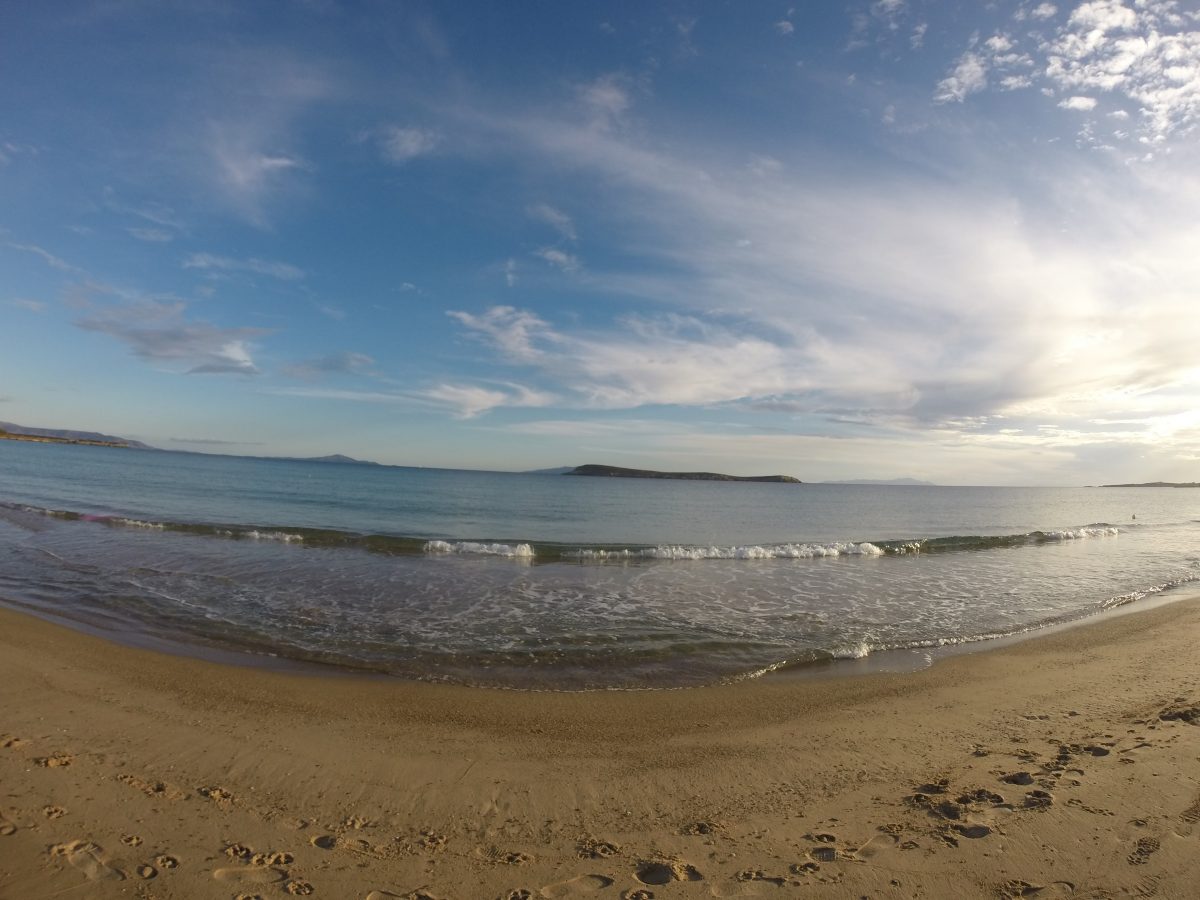
Continuing we pass some of the most beautiful and protected beaches of Paros: Logaras, Golden beach, Glyfa, Tripiti, Alyki etc.
Seasonal: The Valley of the Butterflies
In the southwest of Paroikia, there is a privately owned lush green valley full of trees, shrubs, fruit trees and ivies. In the summer it is flooded with hundreds of butterflies, which find an ideal place to live before flying off on their last journey. The females leave in September to lay their eggs in the mountains of the island and then die, leaving the males behind to wait in vain.
The butterflies belong to the species Panaxia quadripunctaria, the same one that we find in the famous Butterfly Valley in Rhodes. During your walk through the valley, remain quiet and do not scare them, because if they start flying they consume energy that they need during their reproduction.
Antiparos Island
There are destinations that you discover by chance and become the biggest surprise of a trip. A short ferry boat ride from Paros is the quaint island of Antiparos (meaning opposite of Paros). This tiny Cycladic island with a thousand inhabitants is an authentic Greek experience that has not lost its soul to tourist excess, yet.
As you disembark, the port of Antiparos welcomes to the Chora (main town) with its authentic Cycladic charm: white cube-shaped houses sloping down to the sea, fishing boats lazily bobbing in the blue and an airy atmosphere that invites you to slow down. Chora, as the locals call it, stretches out to the northwest of the island like a scene straight out of a summer dream.
Cobblestone alleys lead to small squares, where cafes are transformed into lively meeting places and taverns continue to cook as they used to, with recipes that stand the test of time. Here you will discover, among other things, shops with handmade creations and people who have real, warm stories to tell. Antiparos still preserves an authenticity that is increasingly rare on today’s tourist map.
Antiparos Cave
Below the surface lies one of the most impressive underground treasures of Greece: the Cave of Antiparos. Known for centuries, it continues to fascinate visitors from all over the world. Its stalactites and stalagmites, formed at a depth of millions of years, create an underground “cathedral” of natural beauty.
The descent to a depth of approximately 85 meters, with over 400 steps, is an experience that remains in the memory. The formations reveal the slow and patient work of nature, while the atmosphere inside exudes awe and wonder.