The Small or Lesser Cyclades Islands
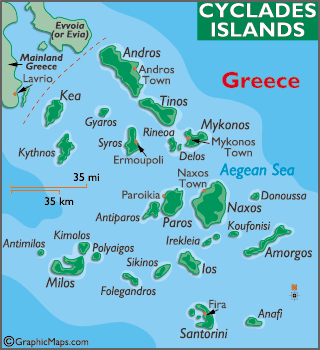
The Cyclades are one of the seven Greek island groups, located in the central & southern Aegean Sea and include a couple hundred isles. Out of those only about 10% are inhabited, with the major ones indicated in the map above.
Cyclades climate is generally moderate, with mild wet winters and cool dry summers. Daytime temperatures range from 50° to 62° F in the winter and from 75° to 90° F in the summer. Summer temperatures are substantially cooler than on the mainland, due the “Meltemia” winds. They are northeasterly winds that occur between the middle of July till the end of August.
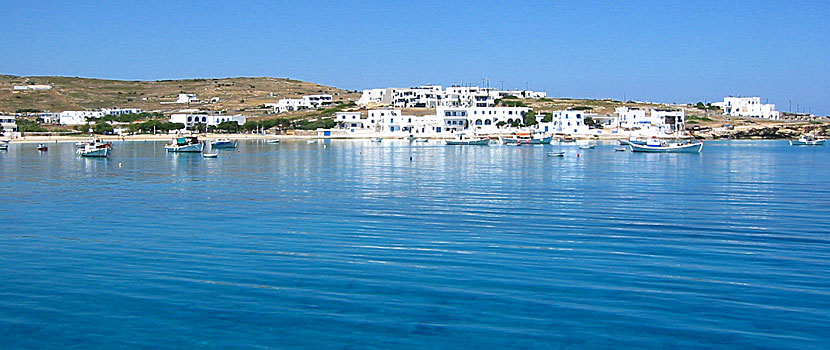
Koufonisia Islands
There is Ano (also called Megalo) Koufonissi and (also called Mikro) Kato Koufonissi.
Koufonisia is essentially the “Maldives of the Aegean”—a tiny, sun-drenched cluster in the Small Cyclades that prioritizes turquoise water and slow living over high-octane nightlife. If you’re looking for a place where the most stressful decision is whether to walk or take a “water taxi” to the next beach, you’ve found it.
Two Islands, One Vibe
Though technically a group of three, your experience will likely center on the “Upper” and “Lower” siblings:
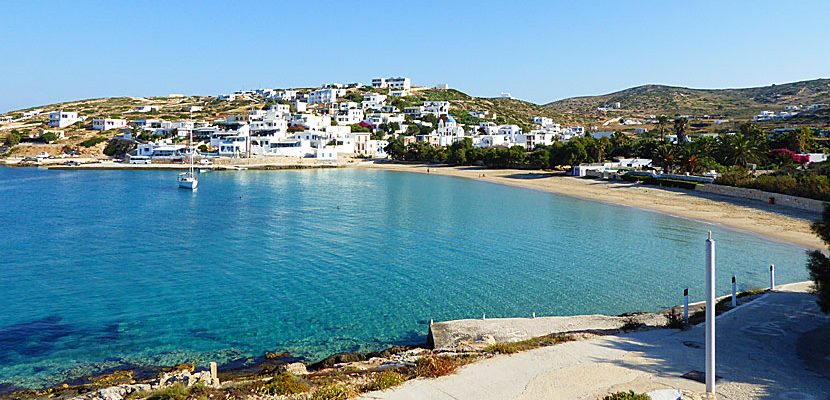
Ano (Pano) Koufonisi: The “metropolis” of the group (though it’s only about 3.5 sq. km). This is where the ferry drops you, where the charming whitewashed Chora is located, and where you’ll find all the hotels and tavernas. It has almost no cars; everyone walks, bikes, or takes boats.
Kato Koufonisi: Almost uninhabited and ruggedly beautiful. It’s accessible by a short boat ride from the main port. It’s the go-to for campers, nudists, and anyone looking for total seclusion.
Keros: An uninhabited islet across the water. It’s a protected archaeological site and was once a major center of the Cycladic civilization (think those sleek, minimalist marble statues).
Beaches & Natural Wonders
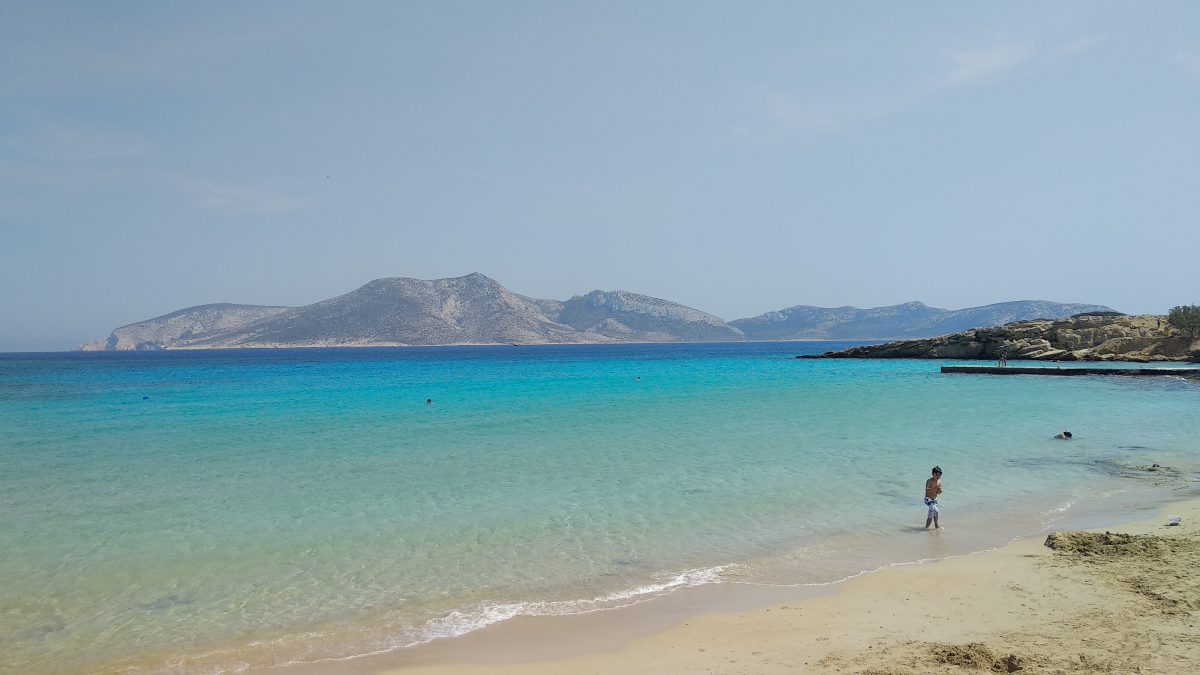
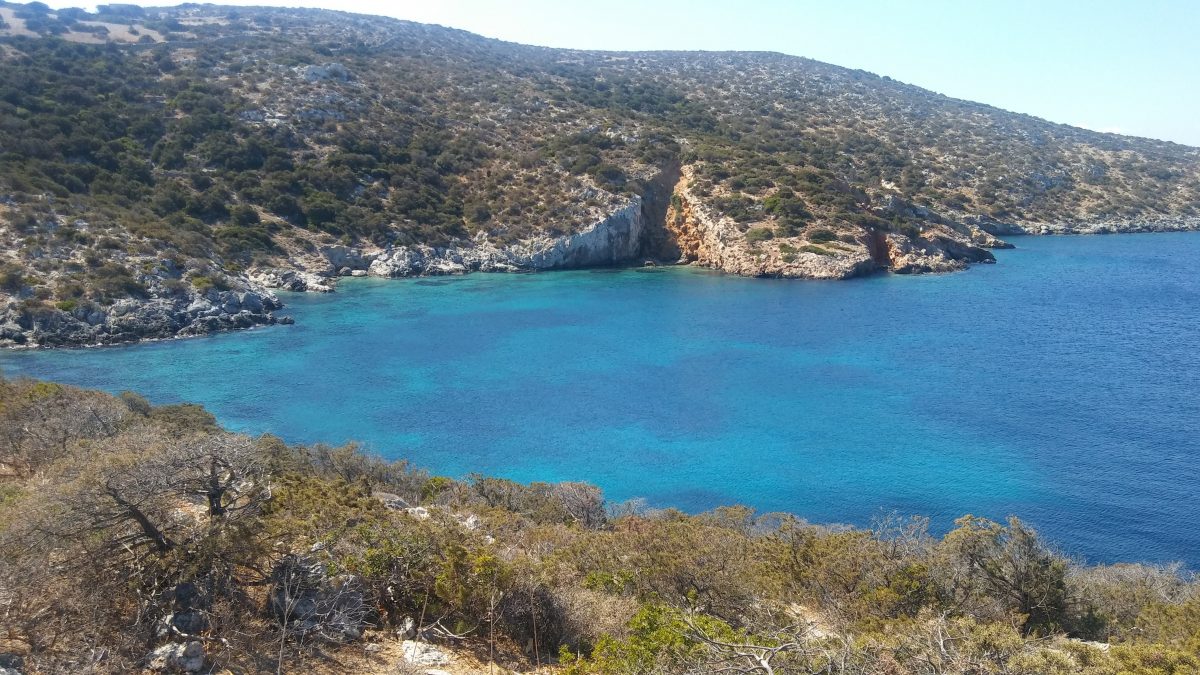
The water here is famously clear, often compared to a swimming pool.
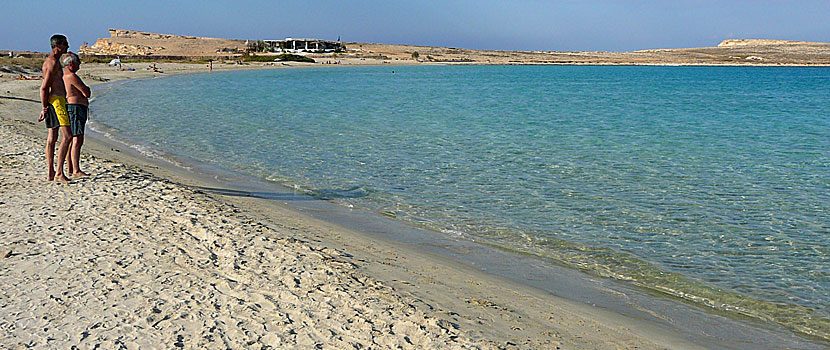
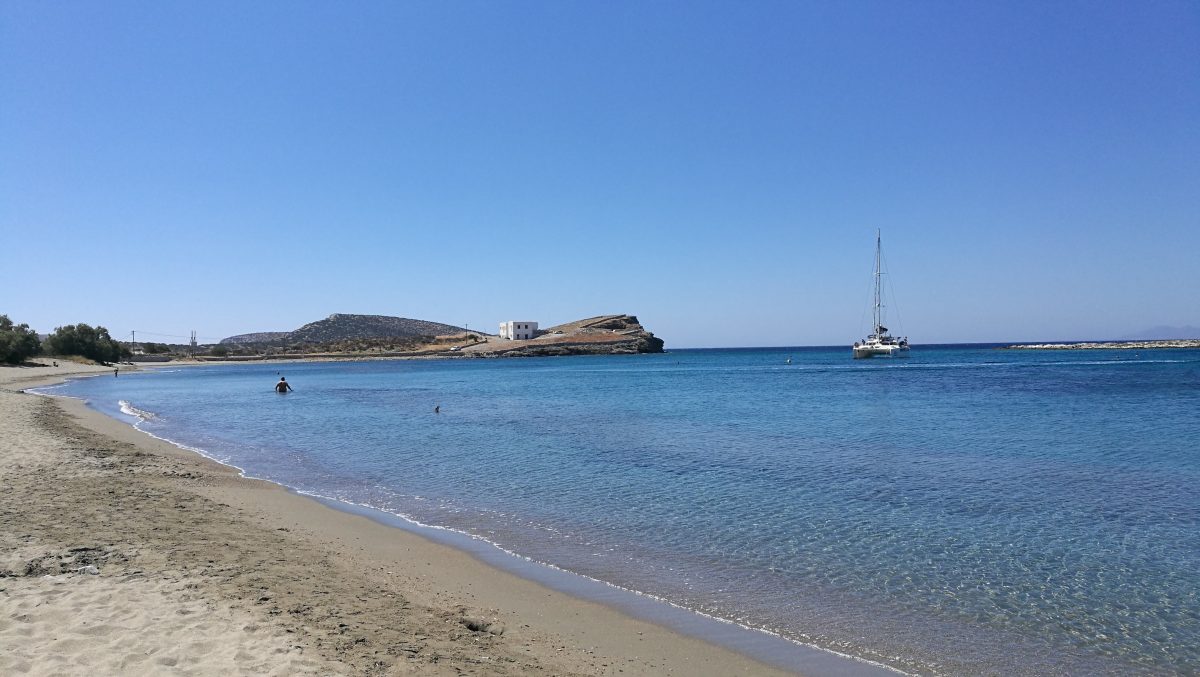
Pori: The crown jewel. A massive, horseshoe-shaped bay with fine sand and electric-blue water.
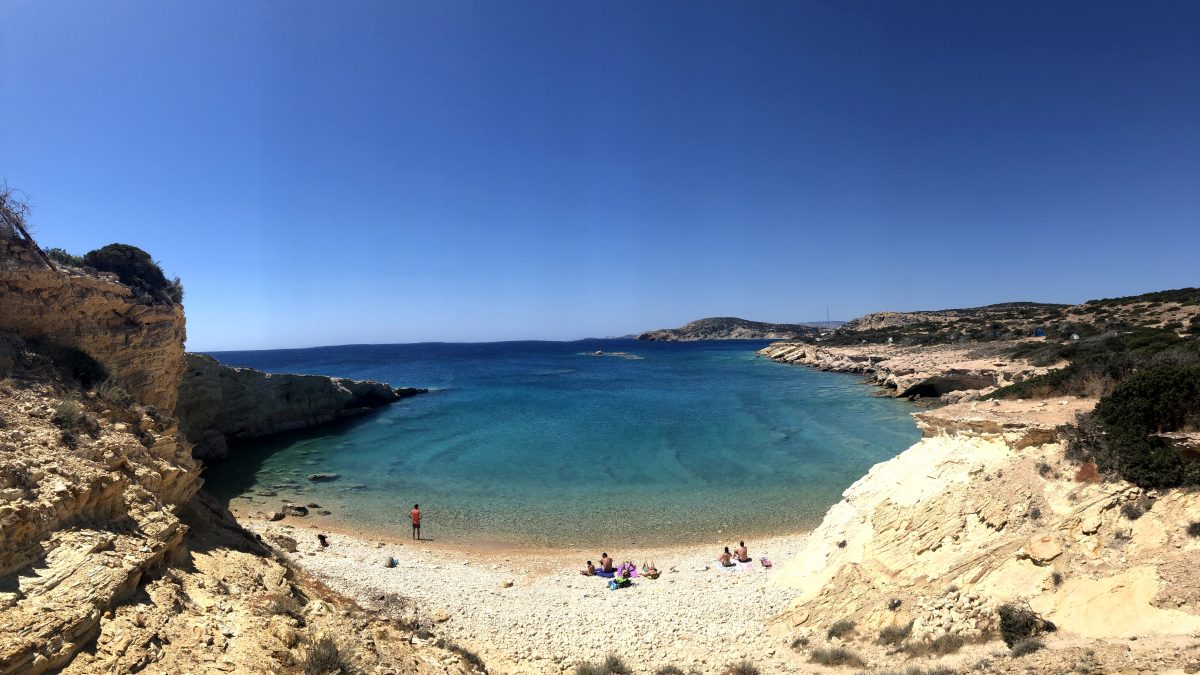
Italida (Platia Pounda): A favorite for those who prefer “nature-intended” swimming (nudism is common here).
Gala: A natural “hole” in the rocks where the sea enters, creating a milky-white frothy pool (hence the name Gala, which means milk).
Devil’s Eye (Pisina): A natural rock pool perfect for jumping into.
Culture & Vibe
More Boats than Cars: Locals joke that there are more fishing boats than families. Koufonisia actually has one of the largest fishing fleets in Greece relative to its size, so the seafood is as fresh as it gets.
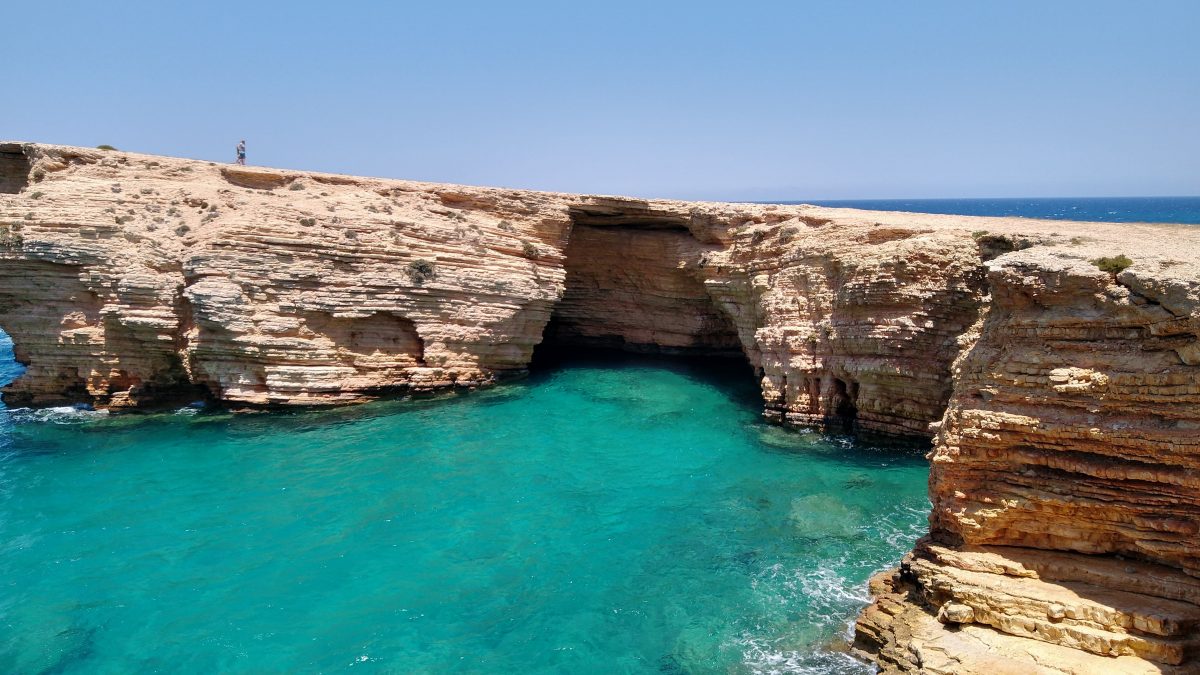
The Name: “Koufonisia” literally means “Hollow Islands.” Legend says pirates gave them this name because the many sea caves made the islands look hollow from a distance.
The “Meltemi”: Like most Cycladic islands, it can get windy in July and August. Luckily, many of the best beaches are south-facing and sheltered.
Travel Tips
Getting There: Most people take the ferry from Naxos (about 40–90 minutes) or the legendary Express Skopelitis, a small local ferry that has been the lifeline of the Small Cyclades for decades.
Foot Power: You really don’t need a vehicle. You can walk the entire length of Ano Koufonisi in about 40 minutes along a coastal path that hits every major beach.
What to Eat: Try the Wild Goat from Keros (usually slow-roasted) and Seafood Spaghetti. For a drink, head to Sorokos at sunset—it’s an island institution.
Note: Because the islands are so small and have become trendy, they can feel crowded in peak August. Visiting in June or September is the “secret menu” option for the best experience.
Iraklia Island
Iraklia is the quiet, “wild beauty” of the Small Cyclades (Lesser Cyclades). Located between Naxos and Ios, it is the largest island in its group but remains remarkably untouched by mass tourism. If you are looking for an authentic Greek experience defined by a slow pace, rugged landscapes, and crystal-clear waters, this is it. About 7 sq miles in area with 150 permanent residents, on a hilly, rocky, wild landscape.
Key Villages
Agios Georgios (The Port): This is where most visitors stay. It houses the ferry dock, a handful of traditional tavernas, a couple of mini-markets, and the island’s primary beach. Despite being the “tourist hub,” it remains incredibly sleepy and charming.
Panagia (The Chora): Located about 4 km inland on a hillside, this village is more traditional and offers a glimpse into local life. It is famous for its bread (often baked in wood-fired ovens) and the Church of the Virgin Mary.
Top Beaches
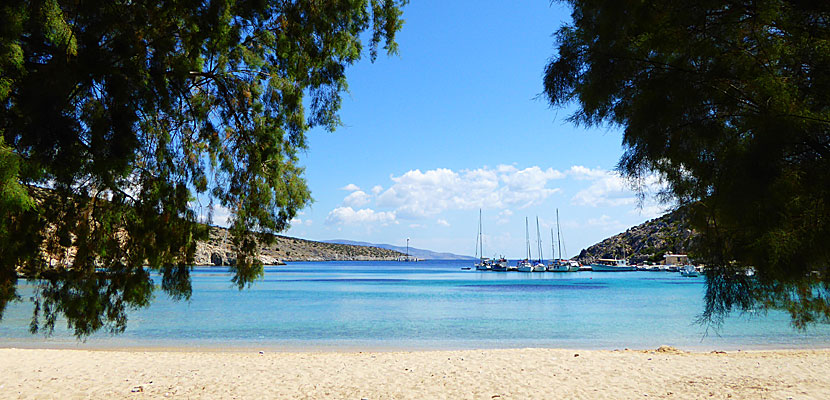
Livadi: The largest and most popular beach on the island. It’s a wide, sandy stretch with shallow turquoise water, located just a 15–20 minute walk from the port. It’s partially shaded by tamarisk trees.
Agios Georgios: The beach right at the port. Surprisingly clean and beautiful for a harbor beach, with golden sand.
Tourkopigado: A narrow, pebble-filled bay protected by hills, often frequented by local goats.
Alimia: Famous for the WWII plane wreck (a German Arado AR196) resting on the seabed, visible through the clear water. It is best reached by boat.
Vorini Spilia: A sandy beach on the north side, ideal for those seeking total solitude, though it can get windy.
Attractions & Activities
Cave of Saint John (Agios Ioannis): The largest cave in the Cyclades. It features impressive stalactites and stalagmites. On August 28th, a unique candlelit evening mass is held inside.
Hiking: Iraklia is a hiker’s paradise with 8 well-marked trails. The hike to the peak of Papaspas (the highest point) offers panoramic views of the surrounding islands like Amorgos and Koufonisia.
Stargazing: With almost no light pollution and very few cars, the night sky here is spectacular.
Travel Tips
Transport: There is no airport; you must take a ferry from Naxos (often via the Express Skopelitis) or Piraeus. On the island, walking is the primary way to get around, though a small local bus runs between the two villages in the summer.
Limited Services: There is one ATM, two grocery stores, and no gas station or pharmacy. Plan accordingly.
Best Time to Visit: June and September are ideal for mild weather and hiking. July and August are busier (by local standards) but still peaceful compared to Naxos or Santorini.
Note: Most beaches are unorganized, meaning no sunbeds or umbrellas. Bring your own water and shade if you plan to stay all day.
Schinousa Island
Schinoussa is the crown jewel of the Minor Cyclades, a cluster of tiny islands south of Naxos. Often referred to as the “Island of the Sun,” it is remarkably low-key, authentic, and free from the mass tourism found on its neighbors like Santorini or Mykonos. Covering only about 9 square kilometers, it’s an island where the “pause button” is permanently pressed.
Vibe: Slow & Steady
Schinoussa is for travelers who want to trade beach clubs for tamarisk trees and fancy cocktails for local fava. There are no buses or car rentals; the island is meant to be explored on foot or by boat.
Key Villages
Chora (Panagia): The island’s heart, perched on a hill to hide from ancient pirates. It’s a classic Cycladic village with white-washed houses, narrow alleys, and a handful of tavernas and cozy bars.
Messaria: A tiny, sleepy hamlet north of Chora. It’s perfect for a quiet breakfast or seeing the traditional windmill-church.
Mersini: The island’s natural harbor, known as one of the safest shelters for small boats in the Aegean. It’s lined with some of the island’s best seafood restaurants.
Top Beaches
Most of the island’s 18+ beaches are accessible via short hikes (15–30 minutes) from Chora.
Tsigouri: Social vibe; closest to Chora, sandy, has a beach bar and some shade.
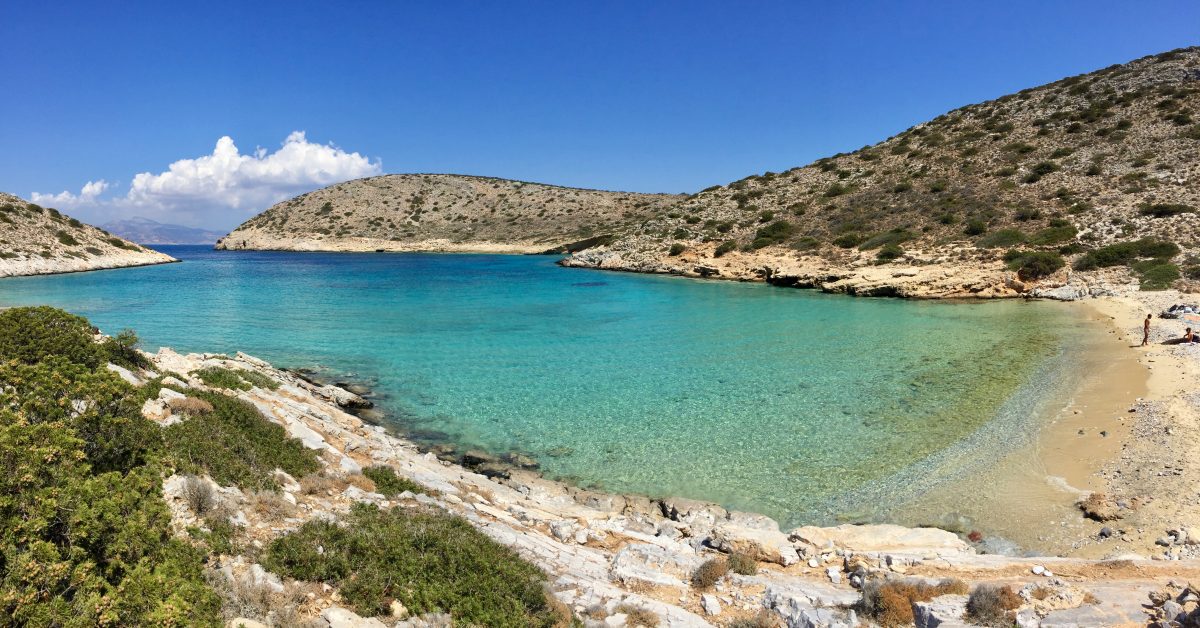
Psili Ammos: Exotic vibe; famous for its fine “golden” sand and turquoise waters.
Lioliou: Secluded vibe; very shallow, calm waters; great for families or quiet reading.
Livadi: Classic vibe; wide sandy beach with large trees for natural shade.
Gerolimnionas: Wild vibe; narrow, fjord-like bay with rocky edges, ideal for snorkeling.
Eat, Drink, & Do
The Food: Don’t miss the local fava (yellow split peas), which is world-renowned. Visit Nikolas of Schinoussa in Mersini for lobster spaghetti or To Petrino in Messaria for traditional meatballs.
The Activities: Beyond swimming, hiking is the main draw. Trails connect the entire island, offering panoramic views of 9 surrounding islands on clear days.
The Nightlife: It’s quiet. Your best bet for a late night is Vrachos, a bar with stunning views and occasionally live music.
Getting There & Around
How to arrive: There is no airport. Most travelers fly to Naxos and take the legendary Express Skopelitis ferry (1.5–2 hours) or take a direct ferry from Piraeus port, which takes 7–8 hours.
Moving around: Walking is the standard. Some hotels offer shuttle services from the port, and a few scooters are available for rent, but they aren’t strictly necessary.
Donousa Island
Donousa (or Donoussa) is the easternmost and one of the most secluded islands of the Lesser Cyclades. Often described as a “hidden gem,” it is the ultimate destination for those looking to disconnect from mass tourism and experience the raw, slow-paced rhythm of the Aegean.
At a Glance
Size: A compact 13.5 $km^2$.
Vibe: Quiet, authentic, and bohemian. It is a favorite for hikers, solo travelers, and those seeking “off-the-grid” tranquility.
The Main Hub: Stavros is the island’s capital and main port. It’s where you’ll find most of the tavernas, mini-markets, and the island’s only ATM.
Key Beaches
Donousa is famous for its crystalline, turquoise waters. Most beaches are unorganized, so bring your own shade and water.
Stavros Beach: Conveniently located right by the port, this sandy beach is surprisingly clean and arguably one of the best “port beaches” in Greece.
Kedros: A 15–20 minute walk from Stavros. It’s a stunning sandy cove where you can snorkel to see a sunken WWII German shipwreck visible just off the shore.
Livadi: Remote and breathtaking. It requires a longer hike (about 60–90 minutes) or a boat ride, but it offers total seclusion and soft white sand.
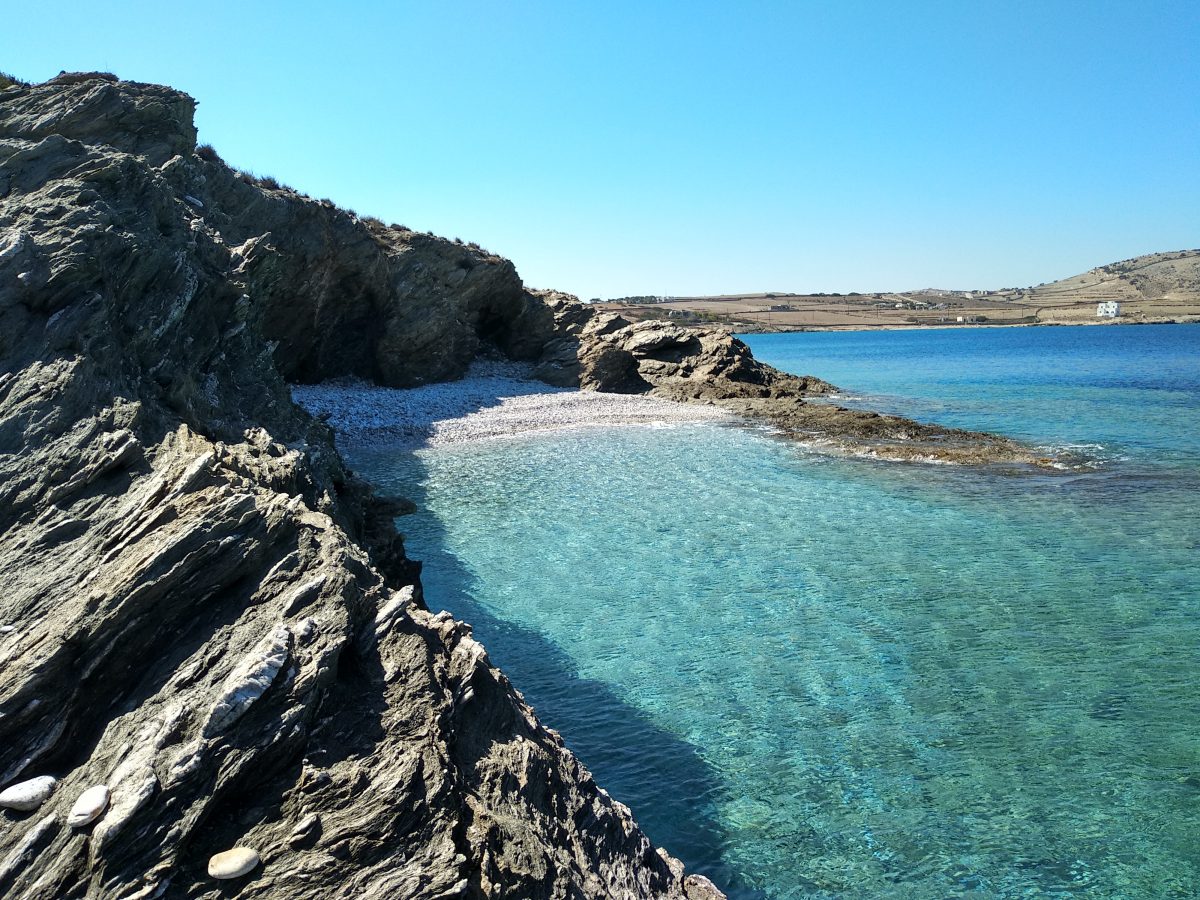
Kalotaritissa: Located at the northern tip, this area features several small, pebbly coves and a legendary local taverna.
Things to Do
Hiking: The island is a hiker’s paradise with a well-marked network of five main trails connecting the villages of Stavros, Mersini, Mesaria, and Kalotaritissa.
Mount Papas: Hike to the island’s highest peak ($383m$) for a panoramic view of the surrounding islands like Naxos, Amorgos, and Ios.
Local Gastronomy: Don’t leave without trying Patatato (a traditional slow-cooked goat and potato stew) at a local panigiri (festival) or seaside taverna.
Sea Caves: Take a boat trip to Spilia Tichou, a spectacular sea cave with impressive stalactites on the island’s northwest coast.
Getting There & Around
Access: There is no airport. Most visitors fly to Naxos and take the legendary local ferry, the Express Skopelitis, or catch a direct ferry from Piraeus (Athens), which takes about 7 hours.
Transport: There are very few cars on the island. Movement is primarily on foot, by the local shuttle bus that runs in the summer, or via small taxi boats (Donoussa Magissa) that take you to remote beaches.
Pro Tip: Donousa is very popular in August, and because accommodation is extremely limited, you should book months in advance if you plan to visit during the peak of summer.
If you are ready for the Cyclades, reach out below …