
Blog Categories
Crete cuisine
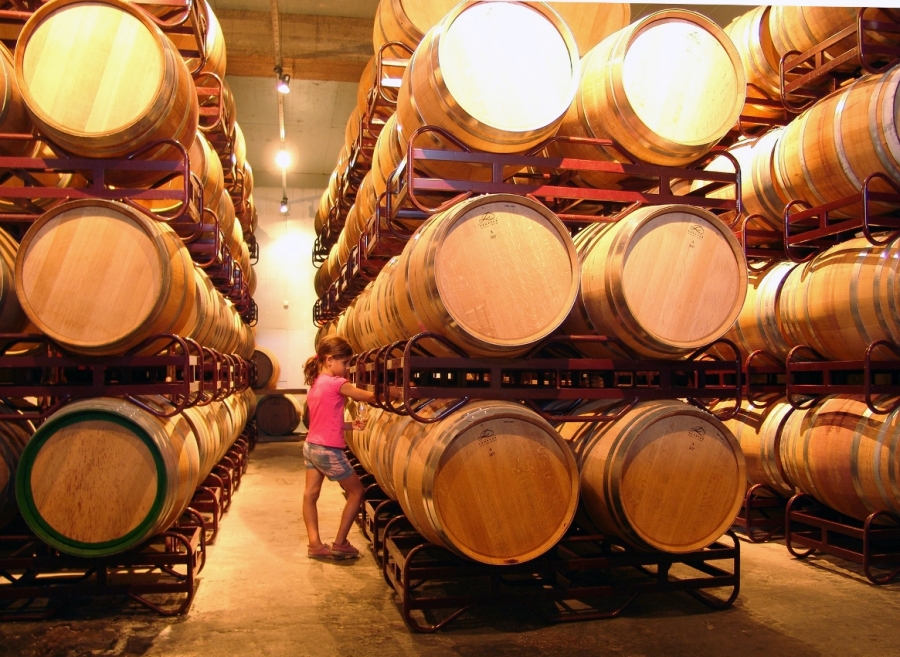
The Cretan cuisine is one of the oldest and healthiest culinary traditions in the world. It has been influenced and shaped by the island’s geographical location, its history, as well as by the local ingredients.
Cretan cuisine is characterized by its simplicity, fresh ingredients, and the use of olive oil. It has a mix of ancient Greek, Turkish, Venetian, and Arab influences. Traditional Cretan dishes use fresh and locally sourced ingredients such as herbs, vegetables, fruits, legumes, and seafood. The use of meat is limited, and when it is used, it is usually in small quantities. The staple food of Cretan cuisine is bread made out of barley and wheat.
Cyclades gastronomy

The gastronomy of the Cyclades is based on simplicity, local ingredients and tradition, offering an “ark” of flavors with fresh fish (kakavia, salted), superior goat and sheep cheeses, dehydrated vegetables, thyme honey and aromatic herbs. Seafood, local meats, cold cuts and traditional sweets dominate.
Born from a landscape of sun-scorched rocks, salty Aegean winds, and limited freshwater, the food is defined by an ingenious simplicity that transforms humble ingredients into bold, clean flavors. It is a Mediterranean diet at its most elemental: sun-drenched tomatoes, wild herbs like oregano and savory, pungent garlic, and the golden “liquid gold” of local olive oil. Because the soil is volcanic and mineral-rich, the produce—like the tiny Santorinian tomato or the white eggplant—packs an intensity of flavor that requires very little intervention.
Kalamata & Messinia Prefecture Gastronomy

Messinian cuisine follows the Mediterranean diet, defined by its “liquid gold”, the world-renowned Kalamata olive oil. This region of the Peloponnese relies on the bounty of its fertile soil, where the iconic almond-shaped Kalamata olives and sun-dried figs are staples. The food is rustic and soulful, with flavors here are deeply tied to the land and history.
Messinian cuisine is characterized by the use of fresh ingredients, such as tomatoes from Trifylia, eggplants and herbs, creating an authentic gastronomic experience.
Its villages, perched on the western slope of Taygetos, produce everything from noodles and trahana with fine dairy products, to chestnuts, walnuts, quinces, pomegranates, cherries, cheeses, and even excellent mountain olive oil.
Corfu Cuisine

Corfu is an island with many foreign influences, something that is also clear in its cuisine. Here, each dish is not only a culinary delight, but also hides its own history, its own tradition and has its own continuity in time. Thus, the visitor to Corfu has the opportunity to experience an enjoyable gastronomic journey and, through taste, to form a better picture of the island’s own history and the thousands of influences it has received from its conquerors.
Corfiot cuisine is a traditional cuisine, but also unique. It differs from the cuisine of the rest of Greece, since the island was not under Turkish occupation to be influenced by oriental flavors. One can clearly say that spices are a strong characteristic of Corfiot cuisine, with spetseriko playing a leading role. Since the Renaissance, due to its trade relations with Constantinople under Suleiman the Magnificent, Venice traded spices throughout Europe, a fact that particularly influenced Corfiot cuisine and changed the eating habits of the locals.
Thessaloniki Cuisine
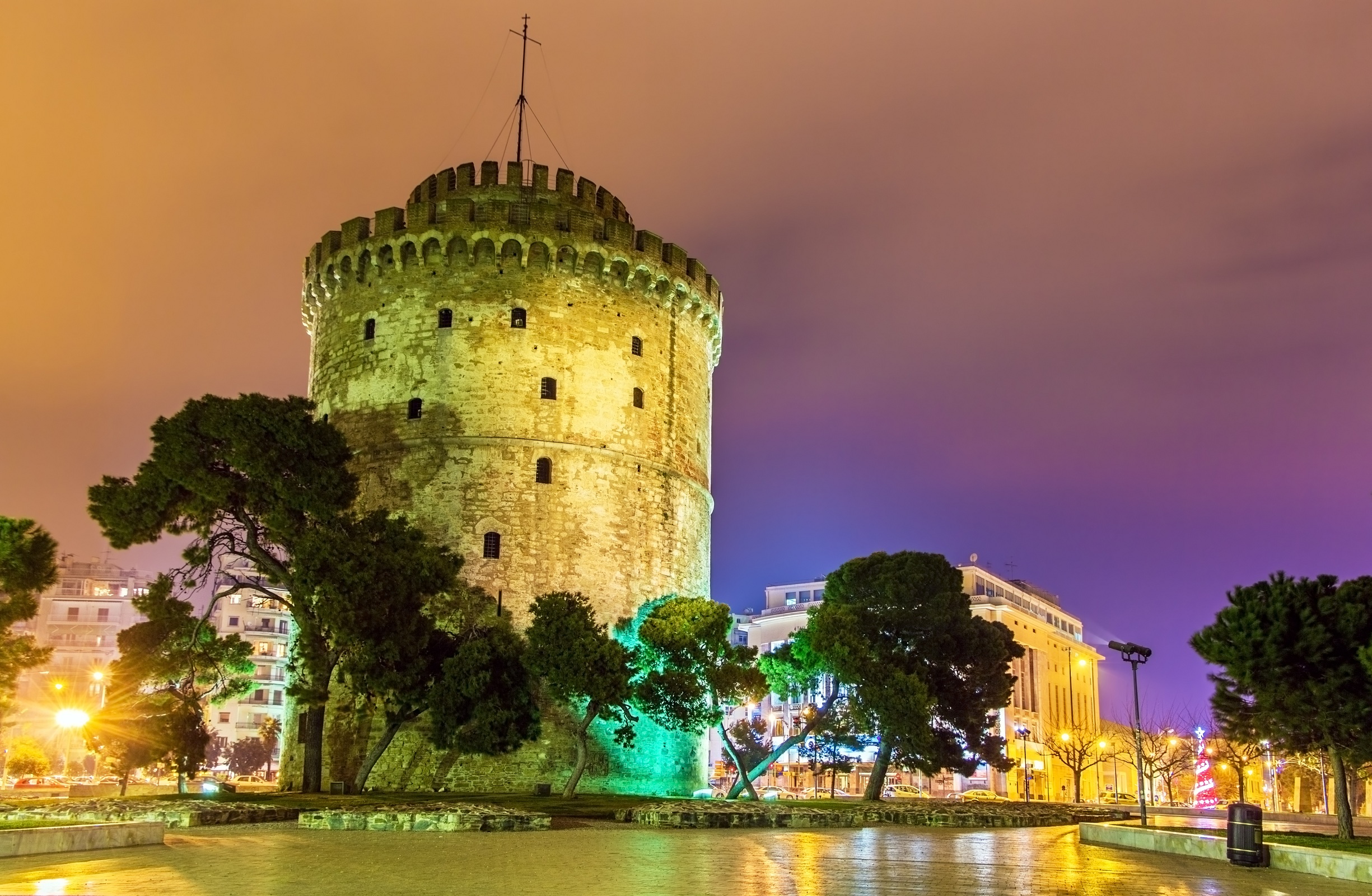
The essence of Thessaloniki’s cuisine lies in its identity as a culinary crossroads, where the flavors of the Byzantine, Ottoman, and Jewish Sephardic traditions converge. Often called the “gastronomic capital of Greece,” its food is characterized by a bold use of spices—like cumin, cinnamon, and boukovo (chili flakes)—that reveal its deep connections to Asia Minor. It is soulful comfort food defined by mezedes (small plates) shared over tsipouro, slow-cooked meats, and the iconic koulouri, a sesame-crusted bread ring that serves as the city’s rhythmic pulse.
Equally vital is the city’s mastery of pastry and street food, rooted in a history of refugees who brought sophisticated techniques to the local markets. The morning air in Thessaloniki smells of Bougatsa—shredded phyllo pastry filled with creamy custard or savory minced meat—and the indulgent, syrup-soaked Trigona Panoramatos. Whether you are dining on fresh seafood along the Thermaic Gulf or grabbing a gyro in a bustling alleyway, the experience demands that you slow down, savor the complexity of its spices, and appreciate the layers of history baked into every bite.
Metsovo Cuisine
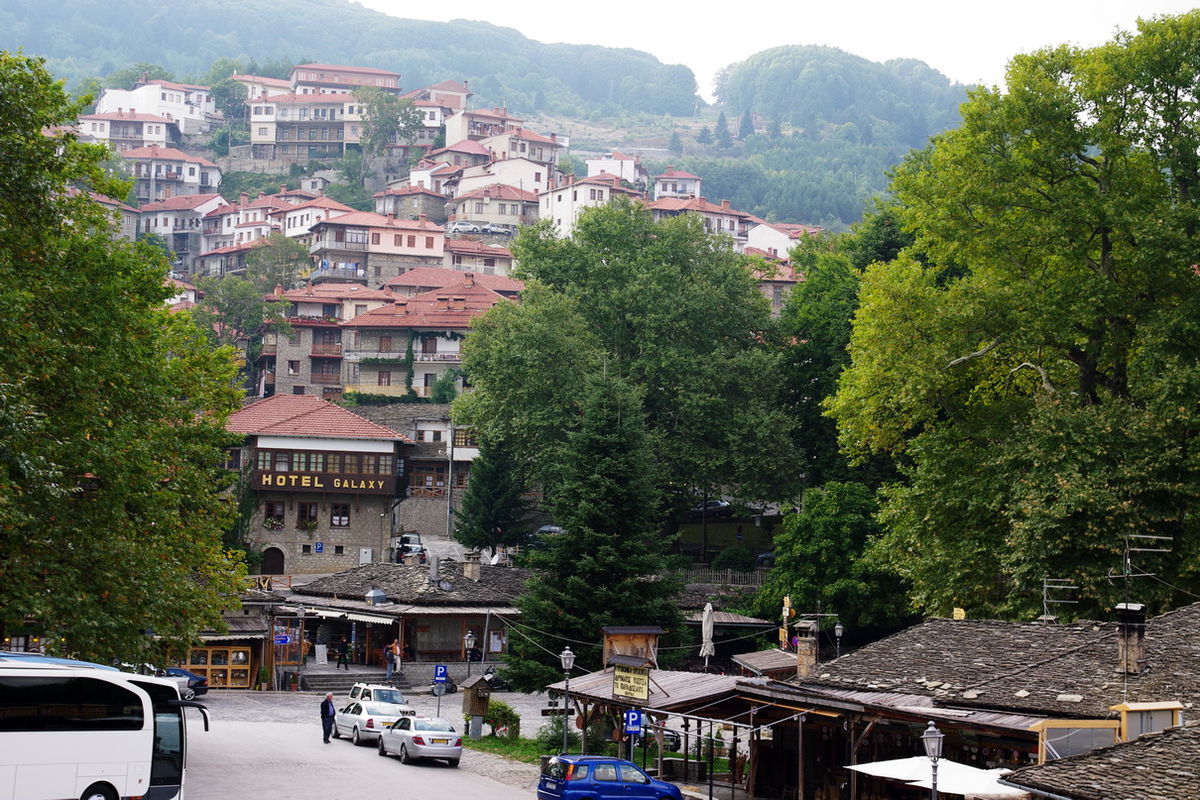
The Soul of the Pindus Mountains
The essence of Metsovo cuisine is a rugged, heart-warming reflection of its high-altitude setting and deep Vlach pastoral heritage. It is a “survival-turned-art” culinary style, forged by a history of shepherds who needed calorie-dense, portable, and warming fare to endure the harsh winters of the Pindus Mountains. This translates to a palette dominated by rich fats, slow-cooked meats, and wild mountain herbs, creating a flavor profile that is unapologetically robust. Every dish feels like a deliberate, culinary hug designed to shield you from the alpine chill, prioritizing honest sustenance without sacrificing a shred of rustic sophistication.
At the center of the Metsovian table sit its legendary cheeses, most notably the PDO-protected Metsovone—a smoked, pasta-filata masterpiece—and the tangy, creamy Galotyri. These dairy staples provide a savory backbone to a menu defined by handmade savory pies (pitas) with impossibly crisp phyllo and succulent “kokkinisto” stews simmered in the local Katogi Averoff red wine. It is a cuisine defined by the scents of woodsmoke, fermentation, and the forest floor; where a simple plate of wild mushrooms or a bowl of grainy trahanas captures the timeless, soulful spirit of Greek mountain life.