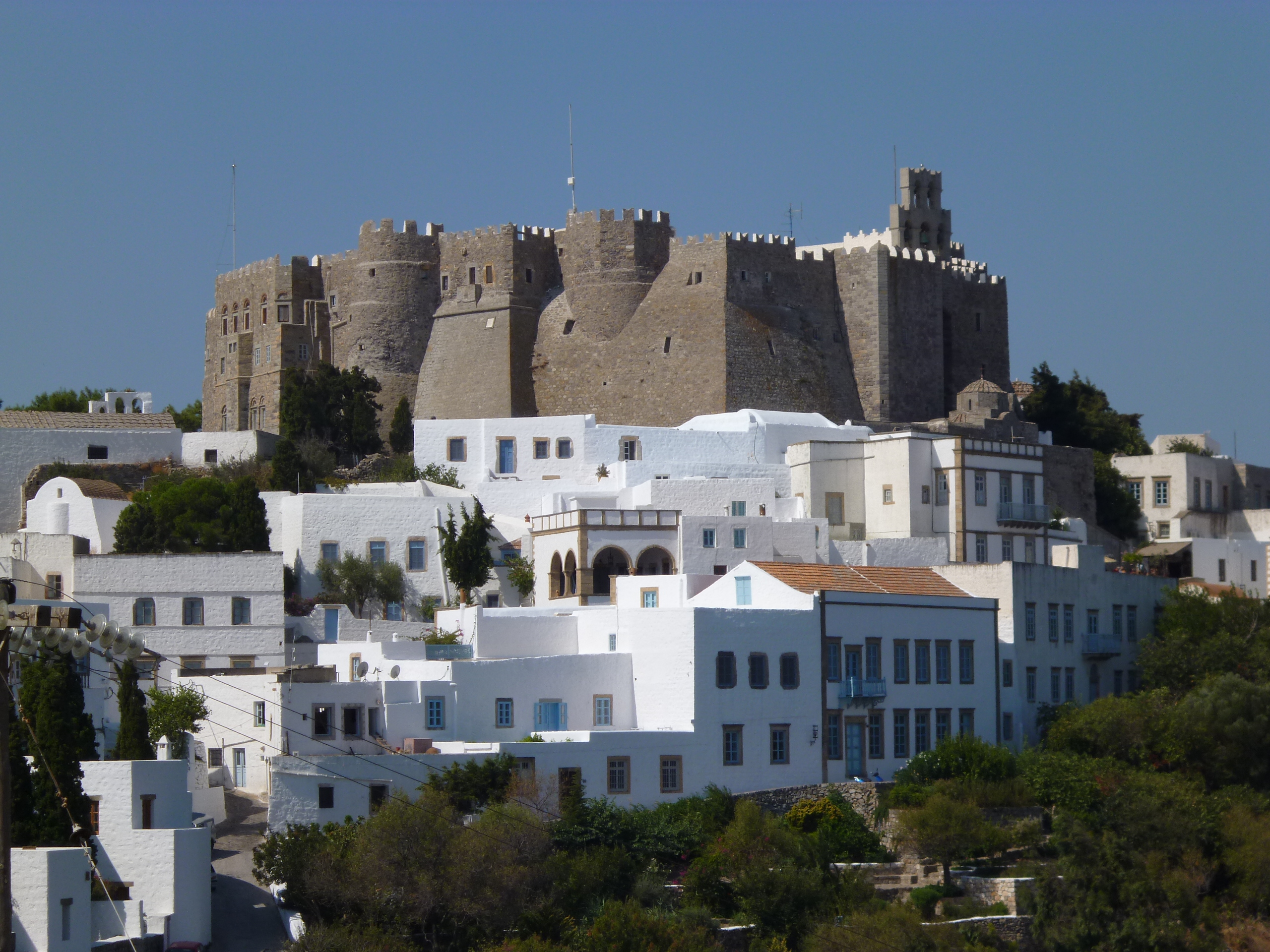
Patmos is known as the “Island of the Apocalyps”. As the site where Saint John the Apostle reportedly received the visions for the Book of Revelation, the island is anchored by the imposing Monastery of Saint John the Theologian and the Cave of the Apocalypse, both of which are UNESCO World Heritage sites.
It manages to balance a high-end, sophisticated atmosphere with a deeply rooted sense of history and religious tradition. The Chora is a stunning labyrinth of 16th-century white-washed mansions, while the coastline is dotted with pristine, volcanic beaches like Psili Ammos. It’s an island that manages to feel profoundly ancient and impeccably stylish all at once, making it a favorite for those who prefer quiet contemplation and boutique charm over the loud nightlife found on other Greek islands.
Kos is the third-largest island of the Dodecanese archipelago in Greece, situated in the southeastern Aegean Sea. Known as the “Island of Hippocrates” (the father of modern medicine), it perfectly balances rich historical layers with a vibrant, modern tourism scene.
Having been controlled by Romans, Knights Templar, Ottomans, and Italians, Kos is an open air museum with a fascinating mix of architectural styles.
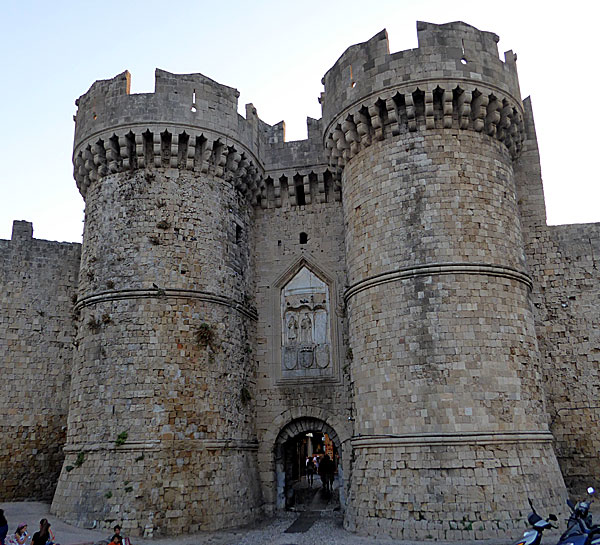
Rhodes, the largest of Greece’s Dodecanese islands, is a Mediterranean crossroads where ancient history and modern vibrant culture collide. The island is famously known as the former home of the Colossus of Rhodes, one of the Seven Wonders of the Ancient World. Its crowning jewel is the Medieval Old Town, a UNESCO World Heritage Site enclosed by massive fortifications built by the Knights of Saint John.
Beyond its historical fortifications, Rhodes offers a diverse landscape ranging from lush, butterfly-filled valleys to some of the most stunning coastlines in Greece. Although parts of the island have been developed for mass tourism, there is plenty to see and enjoy.