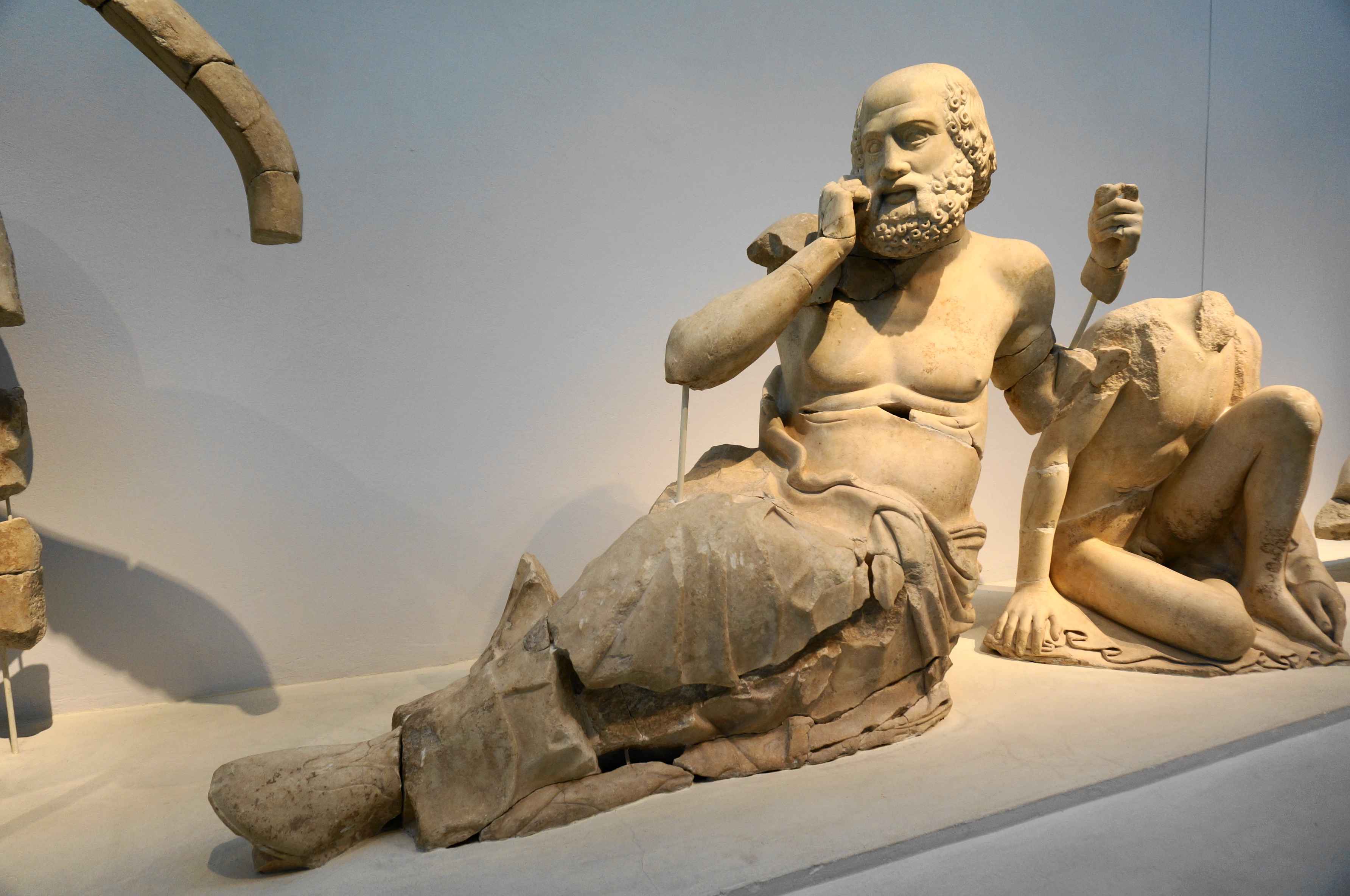
Ancient Olympia, nestled in the lush Peloponnese valley of the Alpheios River, was the most celebrated sanctuary of ancient Greece. More than just a sports complex, it was a massive religious center dedicated to Zeus, the father of the gods, where the Panhellenic Olympic Games were held every four years for over a millennium.
UNESCO World Heritage: The site was inscribed by UNESCO in 1989 for its universal influence on sports, architecture, and the “Olympic Idea” of peace. It is a must see site if you visit the Peloponnese, along with Ancient Corinth, Nafplion and Epidaurus.
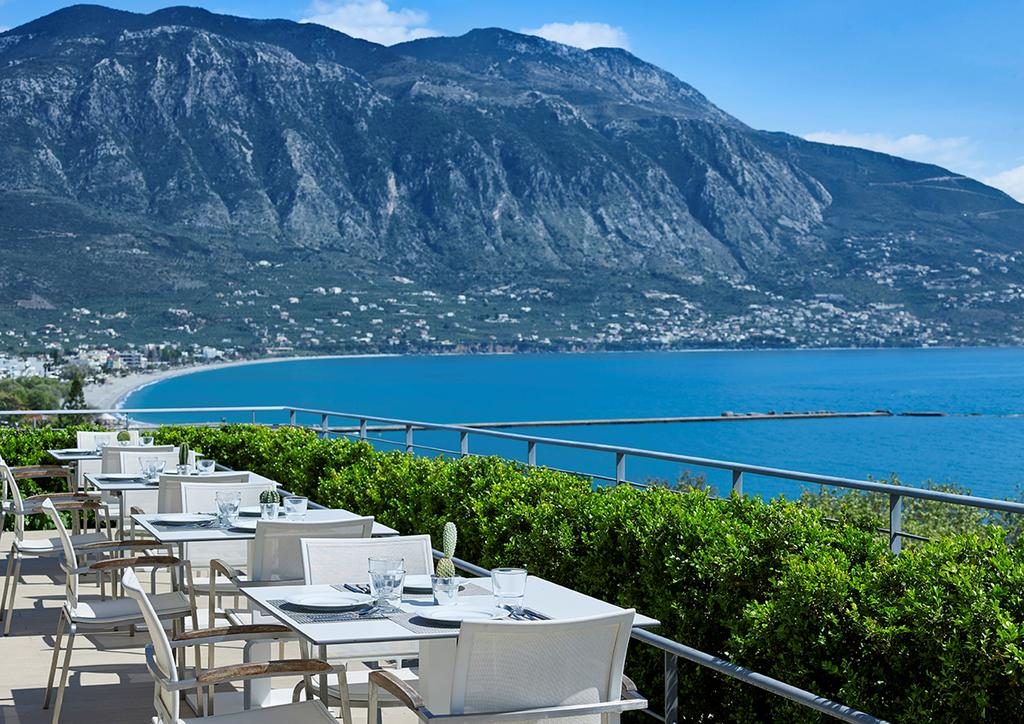
Kalamata is far more than just the namesake of the world’s most famous olives. Nestled between the sapphire waters of the Messinian Gulf and the rugged peaks of Mount Taygetos, it is a vibrant, year-round city that balances Greek history with a surprisingly modern, cosmopolitan vibe.
In the last forty years the city has undergone a massive transformation, resulting in wide boulevards, a massive seaside promenade, and a thriving cultural scene, most notably the Kalamata International Dance Festival held every July. The city thrives on a year-round rhythm of international music competitions, vibrant street art, and a lively culinary culture that celebrates its world-famous olives.
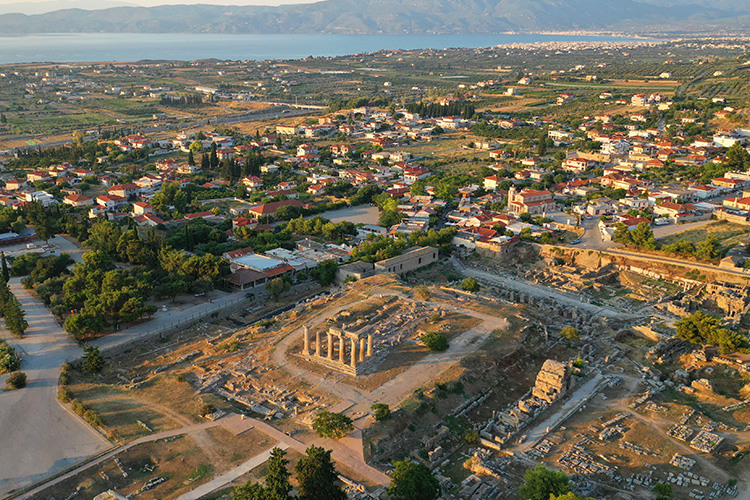
Ancient Corinth was one of the largest and most powerful city-states of ancient Greece, serving as a vital bridge between the Peloponnese and mainland Greece. Because of its strategic location on the Isthmus of Corinth, it controlled the flow of maritime trade between the Saronic and Corinthian Gulfs. This dual-harbor advantage made it one of the wealthiest and most cosmopolitan “boomtowns” of antiquity, renowned for its architectural innovations, notably the Corinthian order column, and its hosting of the prestigious Isthmian Games.
Its significance extended into the Roman era as a provincial capital and a focal point of early Christianity, famously serving as the backdrop for Paul the Apostle’s ministry and his subsequent letters to the Corinthians, which addressed the challenges of maintaining faith within a diverse, affluent, and often hedonistic urban society.